

When it comes to a fireplace surround, the best tile is a masterful blend of safety, style, and staying power. That’s why materials like porcelain, natural stone, and handcrafted cement tiles are always at the top of the list. They’re specifically built to handle high heat without cracking or fading, making sure your fireplace is both a stunning centerpiece and a safe, reliable heart of the home.
Your Fireplace Is More Than Just a Fireplace
The right tile can single-handedly transform a fireplace from a simple heat source into the very soul of your living space. It isn’t just a decorative afterthought; it’s a critical component that has to perform under intense conditions while defining the room’s entire personality. This guide is your roadmap to finding that perfect material that nails both of those jobs.
We’ll walk through the non-negotiables for high-heat environments and explore how different materials can bring completely different design visions to life. Think of this as laying the groundwork for your project, giving you the confidence to know exactly what makes a tile choice a success.
Key Considerations for Fireplace Tile
Before we get into specific materials, let’s lock in the core principles that will guide your decision. A beautiful tile that can’t take the heat is a wasted investment, just as a durable tile that clashes with your home’s character misses the mark entirely.
Here are the big three factors to keep in mind:
- Heat Resistance: The tile absolutely must endure frequent, intense temperature swings without cracking—a phenomenon known as thermal shock. Materials engineered for this, like dense porcelain and properly cured cement, are your best bet.
- Durability and Maintenance: Your fireplace surround will face soot, scratches, and the occasional stain. Be honest about how much effort you’re willing to put into cleaning and long-term care, because some materials definitely require more love than others.
- Design Impact: The tile’s color, pattern, and texture will anchor your room’s entire design. Whether you’re dreaming of a rustic stone look, a sleek modern finish, or an artistic statement piece, the tile is what sets the tone.
A fireplace is a permanent architectural feature. The tile you choose is not just a finish; it’s an integral part of your home’s character that should bring you joy for decades.
This is where artisanal options, like the unique handcrafted cement tiles from Original Mission Tile, truly shine. They offer a story and a depth of character that mass-produced materials just can’t replicate. By focusing on these key ideas from the start, you can confidently choose the best tile for your fireplace surround.
Comparing the Top Fireplace Tile Materials
Choosing the best tile for a fireplace surround is like casting the lead actor in a play—it needs to have the right look, deliver a powerful performance under pressure, and capture the audience’s attention. The material you select has to masterfully balance intense heat, daily life, and your home’s unique aesthetic. Let’s break down the real-world performance of the top contenders.
This guide simplifies the decision-making process into three core areas: safety, style, and durability. Get these right, and you’re set for the long haul.

The sweet spot is where these three critical elements overlap, ensuring a beautiful result that lasts for years.
Fireplace Tile Material Comparison
To get a quick overview, here’s a side-by-side look at how the most popular fireplace tile materials stack up based on the factors that matter most to homeowners and designers.
| Material | Heat Resistance | Durability | Style Versatility | Maintenance Level |
|---|---|---|---|---|
| Cement | Excellent | Very High | Limitless customization | Moderate (sealing) |
| Porcelain | Exceptional | Exceptional | High (mimics other materials) | Low |
| Ceramic | Good | Moderate | High | Low |
| Natural Stone | Very Good | Varies | Unique, one-of-a-kind | Varies (sealing) |
| Glass | Good (rated) | Moderate | Modern, reflective | Low |
| Metal | Good (rated) | High | Sleek, industrial | Low |
This table is a great starting point, but the real magic is in the details. The right choice depends on your home’s specific style, your budget, and how you live around your fireplace every day.
H3 Cement Tiles: The Artisanal Powerhouse
Handcrafted cement tiles, like the ones we make at Original Mission Tile, offer a unique blend of robust strength and unmatched artistic freedom. Unlike fired ceramics where the design is a surface layer, the color in our cement tiles is inlaid. This means the pattern runs deep through the entire tile, so it won’t fade or chip away over time.
This makes them incredibly durable for a high-traffic, high-impact area like a fireplace. Their naturally matte, silky finish also provides a soft, elegant look that reduces glare, adding an organic warmth that highly polished materials often lack.
- Heat Resistance: Excellent. Cement is inherently non-combustible and handles temperature swings beautifully once it’s properly cured and sealed.
- Durability: Very high. That through-body color is incredibly resistant to wear, making it a fantastic long-term investment.
- Style Versatility: Limitless. From intricate historical patterns to bold custom designs, cement tile offers unparalleled opportunities for personalization.
- Maintenance: You’ll need to seal it upon installation and then periodically re-seal to protect its porous surface from soot and stains.
H3 Porcelain and Ceramic: The Practical Champions
Porcelain and ceramic often get lumped together, but they have key differences. Think of porcelain as ceramic’s tougher, denser sibling. It’s fired at much higher temperatures, which makes it less porous and exceptionally resistant to heat, moisture, and scratches.
While standard ceramic tile is a budget-friendly and versatile option, porcelain is the clear winner for the demanding environment of a fireplace. Its uncanny ability to mimic other materials like wood or natural stone makes it a true design chameleon.
The global tile market, valued at USD 265.21 billion in 2024, is set to hit USD 587.72 billion by 2035, and porcelain is a massive driver of this growth. Why? It boasts heat resistance over 1,200°C and outperforms standard ceramics in thermal cycling tests, making it perfect for surrounds near open flames. Meanwhile, the decorative tile market is projected to reach USD 74.38 billion by 2032, fueled by the demand for unique patterns like those you can create with Original Mission Tile’s Design Studio.
For a fireplace hearth—the floor area directly in front of the opening—porcelain is a top-tier choice. Its incredible density makes it one of the most durable options available, ready to handle dropped logs, cleaning tools, and foot traffic without worry.
H3 Natural Stone: Timeless and Enduring
Natural stone options like marble, slate, granite, and limestone bring an undeniable sense of earthy elegance to a fireplace. Each slab or tile is completely one-of-a-kind, with unique veining and texture that simply can’t be replicated.
However, their performance varies. Dense stones like granite and slate are incredibly durable and heat-resistant. Softer, more porous stones like marble and travertine require diligent sealing to prevent staining from soot and smoke.
- Granite: Extremely durable and heat-resistant with a classic, speckled appearance.
- Marble: Offers luxurious, sophisticated veining but is softer and more prone to staining if not sealed properly.
- Slate: Provides a rustic, textural look and is very durable and naturally fire-resistant.
- Limestone: Delivers a soft, neutral aesthetic but is porous and needs regular sealing and careful cleaning.
The principles behind choosing a durable hearth material are similar to those for other hardworking surfaces. You might find our guide on selecting the best tile for a kitchen backsplash useful, since durability and cleanability are also key there.
H3 Glass and Metal: The Modern Accents
For a contemporary or industrial aesthetic, glass and metal tiles can make a striking statement. Glass tiles reflect light beautifully, adding a luminous, almost liquid quality to the room. They are typically tempered or specially treated to withstand the heat of a fireplace surround.
Metal tiles, often made from stainless steel, copper, or bronze, create a sleek, modern, or even rustic-industrial focal point. It’s absolutely crucial to verify that both glass and metal tiles are specifically rated for fireplace use, as not all decorative options are designed to handle high temperatures. Their primary role is often as an accent rather than the main field tile.
Why Heat Resistance Isn’t Just a Suggestion—It’s a Must
Picking tile for your fireplace surround is about more than just finding the perfect color or pattern. It’s one of those moments where safety and longevity have to come first. While the right tile tells a visual story, its ability to handle heat is the non-negotiable foundation that keeps your beautiful fireplace from becoming a dangerous liability.
A fireplace puts out serious, fluctuating heat, and the wrong material just can’t take it.
Think about pouring boiling water into a cold glass—that sudden temperature swing can make it shatter. That’s called thermal shock, and it’s exactly what happens to a tile that isn’t rated for a fireplace. The constant cycle of heating up and cooling down will cause an inferior tile to crack, pop off the wall, or even break apart over time.
Good Materials vs. Risky Business
To avoid that headache, you need to look for materials that are specifically built for these conditions. Dense materials are your best friend here because they don’t expand and contract much when the heat cranks up. This is why a few specific types of tile are always on the shortlist for fireplace surrounds.
Here’s what to look for:
- Porcelain: This is a workhorse. Fired at incredibly high temperatures, porcelain is dense and non-porous, making it one of the most reliable choices for handling heat.
- Natural Stone: Dense stones like granite and slate have been used around hearths for centuries for a reason—they are naturally fire-resistant and tough.
- Fireclay: The name says it all. This material is literally designed for high-heat situations, making it a fantastic, worry-free option.
- Properly Cured Cement Tiles: Materials like handcrafted cement tiles are inherently non-combustible. Once they’re properly cured and sealed, they manage heat beautifully without breaking a sweat.
Quick tip: Always, always check the product specs to confirm a tile is suitable for fireplace use. Never just assume based on the material type. A quick check with the manufacturer is essential for a safe, code-compliant installation.
A Closer Look at Fireclay
For designers and homeowners who want that perfect mix of style and pure toughness, fireclay tiles have become a go-to. Formed from clay and fired at extreme temperatures, this material is exceptionally robust. It’s no surprise that the global fireclay tile market was valued at USD 3.73 billion in 2024 and is expected to keep growing, largely because it’s perfect for high-heat areas like fireplaces.
With low thermal expansion, fireclay can handle temperatures up to 1,200°C. That’s more than enough to manage the radiant heat from a typical fireplace, which often hits around 500-800°C. You can read more about the rise of fireclay tile in high-heat applications to see why it’s so trusted.
Ultimately, making heat resistance your top priority is an investment in peace of mind. By choosing a proven, high-performance material—whether it’s a dense porcelain, a classic natural stone, or a beautiful handcrafted cement tile from Original Mission Tile—you’re ensuring your fireplace remains a safe, stunning, and lasting centerpiece for many years to come.
Bringing Your Fireplace Vision to Life with Pattern and Scale
Once you’ve settled on the right material, the real creative work begins. Think of your fireplace surround as a canvas—the tile’s size, shape, and pattern are the brushstrokes that define its personality. These choices can completely transform not just the fireplace but the entire room, turning it into anything from a serene, modern anchor to a vibrant, historic centerpiece.
The scale of the tile you choose has a profound impact. It sets the rhythm and visual weight of the fireplace, guiding how the eye perceives the space. Your decision here is a fundamental step in shaping the room’s overall atmosphere.
Large Format Tiles for a Modern Statement
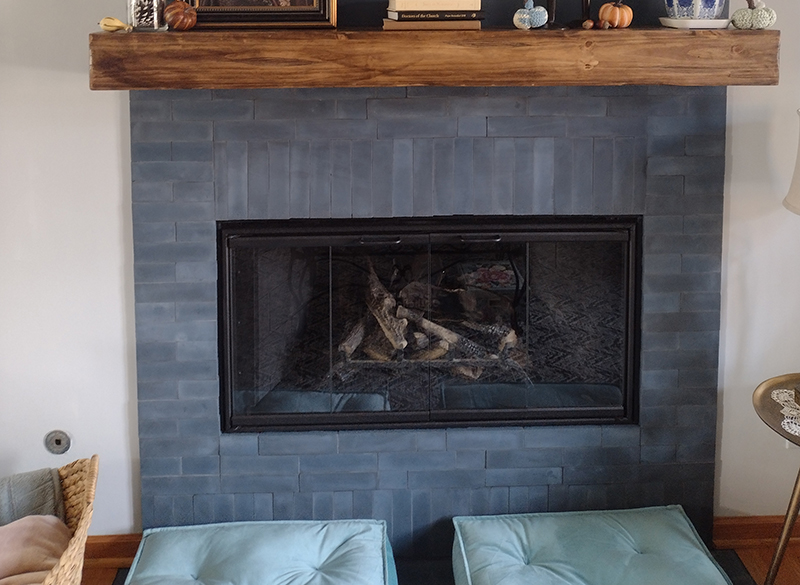
Large format tiles—anything with at least one side longer than 15 inches—are a hallmark of modern design. Their sheer size means fewer grout lines, which creates a clean, uninterrupted surface that feels incredibly sleek.
This minimalist approach lets the material itself do the talking, whether it’s the subtle veining of a porcelain slab or the rich, organic texture of a handcrafted cement tile. Using large tiles can make a fireplace feel more substantial and architectural, grounding the room with a sense of refined calm. They’re particularly effective in contemporary spaces where simplicity and clean lines are paramount.
Smaller Tiles for Texture and Character
On the other end of the spectrum, smaller tiles bring texture, detail, and a sense of history to a fireplace. The intricate grid of grout lines becomes part of the design, adding depth and visual interest that invites you to look closer. This is where you can truly play with patterns and shapes to create a bespoke look.
Consider these classic shapes for adding character:
- Classic Squares: Timeless and versatile, an 8×8 square like those from Original Mission Tile can be laid in a simple grid or a dynamic diagonal pattern for a traditional yet fresh look.
- Elegant Hexagons: Hexagonal tiles add geometric flair without feeling overly busy. They offer a nod to vintage design while remaining perfectly suited for contemporary spaces.
- Iconic Star & Cross: This beloved combination creates an intricate, captivating pattern that instantly elevates a fireplace surround into a work of art.
These smaller formats are ideal for Craftsman, Spanish, or eclectic interiors where decorative details and artisanal touches are celebrated.
A fireplace is the perfect place to make a bold design choice. Since the square footage is relatively small, you can invest in a high-impact pattern or unique shape that might feel too overwhelming for a larger area like a floor.
Finishing Touches: Grout and Edging
The final details—grout and edging—are what elevate a good tile installation to a great one. Don’t treat them as an afterthought; they are crucial finishing elements that complete your design vision.
Grout Color
The color of your grout can dramatically alter the final look.
- Matching Grout: Using a grout color that closely matches the tile creates a seamless, uniform appearance. This is a great trick for making smaller tiles look more like a single, cohesive surface.
- Contrasting Grout: A contrasting color, like a dark grout with light tiles, highlights the shape of each tile and makes the pattern pop. This approach adds a graphic, bold quality to the design.
Tile Edging
How you finish the edges of the surround is just as important. A clean, professional edge gives the entire installation a polished, intentional look. Options like a simple Schluter trim, a bullnose edge, or a mitered corner should be discussed with your installer to find the best fit for your tile and design. These details ensure your fireplace looks beautifully finished from every angle.
The Artistry of Handcrafted Cement Tiles
Beyond the world of fired ceramics and porcelain, there’s a material with a soul and a rich history: handcrafted cement tile. Unlike mass-produced options where patterns are simply printed on top, artisanal cement tiles are born from a traditional process that tells a story in every single piece. This isn’t just about covering a wall; it’s about choosing a material with genuine character baked right in.
The process is an art form. Artisans mix cement, fine marble dust, and natural mineral pigments to create a liquid color layer. This vibrant mixture is meticulously hand-poured into a patterned mold, backed with more cement for strength, and then pressed under immense hydraulic pressure. The result is a tile with inlaid, through-body color that simply cannot chip, peel, or wear away.
A Silky Matte Finish with Subtle Variations
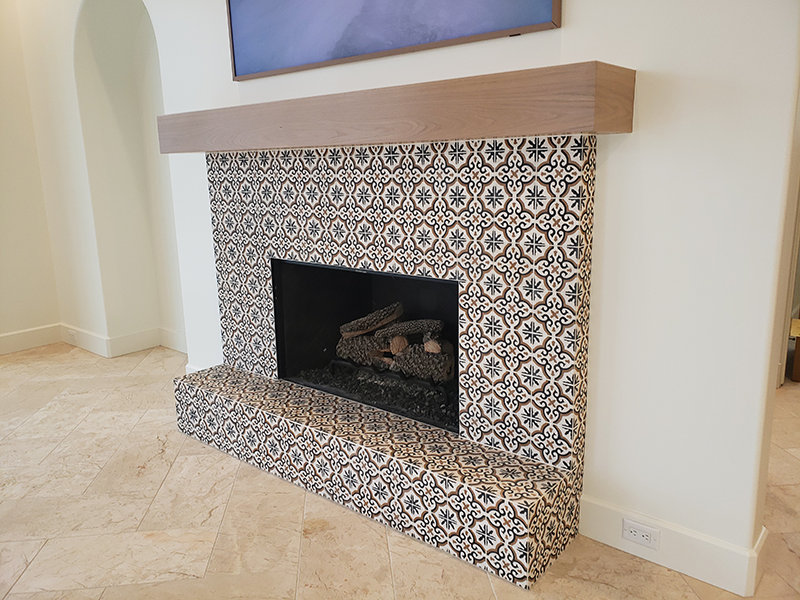
One of the most captivating things about handcrafted cement tile is its finish. Instead of a glossy, reflective surface, it has a silky, almost velvety matte texture that absorbs light beautifully. This creates a soft, organic warmth that’s perfect for making a fireplace feel like the true heart of the home.
Because each tile is made by hand, you’ll find subtle, beautiful variations from one piece to the next. These slight differences in color and texture aren’t imperfections; they are the marks of true craftsmanship. This ensures your fireplace surround will be a one-of-a-kind installation, full of a depth and personality that uniform, machine-made products can never replicate.
Choosing handcrafted cement tile for your fireplace surround means embracing a material that is perfectly imperfect. The subtle variations give the surface a living quality, telling the story of the hands that made it.
The Power of Customization
This artisanal method opens up a world of creative possibilities. Since molds can be customized and pigments can be mixed to create any color imaginable, you really do become the artist. This level of personalization is where cement tile truly stands out as one of the best choices for bespoke fireplace projects.
At Original Mission Tile, our online Design Studio empowers you to bring your unique vision to life. You can play around with colorways and patterns to create a completely custom look that perfectly matches your home’s aesthetic. You can also explore our extensive library of in-stock cement tile styles by design for ready-to-ship inspiration.
While handcrafted cement tiles offer unique patterns and textures, homeowners might also consider exploring residential decorative concrete solutions for a custom and artistic fireplace aesthetic.
Though ceramic tiles are a dominant force, capturing over 54.3% of the global market for floor applications in 2021, handmade cement tiles offer a compelling alternative for truly unique residential projects. They elevate the design, providing a durable, heat-safe option that doesn’t require kiln firing, making it a favorite among architects and designers looking for something special.
Installation and Care for a Lasting Fireplace
Choosing the perfect tile is just the first step. For a stunning fireplace surround that truly lasts a lifetime, the installation is everything. All the long-term beauty and safety of your fireplace hinge on the unseen details—the prep work, the right adhesive, and the professional touch.
Proper preparation is the bedrock of a durable installation. Your surface must be flawlessly clean, totally stable, and ready to bond with the adhesive. More importantly, using a heat-resistant thin-set mortar or adhesive is completely non-negotiable. Standard glues will fail under the intense, fluctuating temperatures of a fireplace, leading to cracked grout and loose tiles down the road.
Securing a Professional Installation
While a DIY approach can be tempting, tiling a fireplace surround isn’t like tiling a backsplash. It’s a high-heat architectural feature governed by specific safety codes, and the stakes are much higher. Investing in a professional installer who understands these demands is one of the smartest decisions you can make for your project.
An experienced professional brings a few key advantages to the table:
- Knowledge of Materials: They know exactly which heat-resistant adhesives and grouts are best suited for your specific tile choice, whether it’s porcelain, natural stone, or cement.
- Code Compliance: A pro ensures the installation meets all local building and fire codes, which gives you crucial peace of mind.
- Precision and Finish: They have the right tools and expertise to execute complex cuts and create clean, polished edges for a truly high-end, finished look.
For a fireplace that’s both beautiful and safe, a quality tile job needs to be paired with professional and secure fireplace installations. This ensures every component, from the firebox to the tile itself, works together safely and effectively.
Long-Term Care and Maintenance
Once your beautiful tile is installed, keeping it looking pristine is surprisingly straightforward. Soot and dust are inevitable, but a little routine care will prevent buildup and staining. The cleaning method just varies slightly depending on your tile material.
For glazed materials like porcelain or ceramic, a simple wipe-down with a damp cloth and a mild, pH-neutral cleaner is usually all that’s needed. When it comes to natural stone, stay away from acidic or abrasive cleaners that could etch the surface; stick to cleaners specifically formulated for stone.
Pro Tip: Always test a new cleaning product on an inconspicuous area of the tile first. This quick check ensures it won’t cause discoloration or damage to the surface or the sealer.
Caring for Handcrafted Cement Tiles
Because of their porous nature, our handcrafted cement tiles need a specific care routine to keep their rich, inlaid colors looking their best. The secret is all in the sealing.
During installation, your Original Mission Tile cement tiles should be sealed with a high-quality penetrating sealer. This creates an invisible shield that repels soot, ash, and potential stains without changing the tile’s beautiful matte finish. Depending on how much you use your fireplace, this sealer should be reapplied every few years. For cleaning, always use a pH-neutral cleaner to protect both the sealer and the tile itself.
You can learn more about tile care and find plenty of design inspiration over on our company blog.
Answering Your Top Fireplace Tile Questions
Once you’ve narrowed down the style, a few practical questions always pop up. Getting clear, direct answers is the final step to choosing your fireplace tile with total confidence. Here are the most common queries we hear from designers and homeowners, with the straightforward advice you need.
Each one tackles a critical piece of the puzzle, from material safety to long-term care.
Can I Use Any Tile for a Fireplace Surround?
No, definitely not. Just like you wouldn’t put any old dish in a hot oven, you can’t use just any tile around a fire. The key is choosing a material rated for high heat and rapid temperature changes—what the industry calls thermal shock—to prevent dangerous cracking or failure.
Your safest and most beautiful options are materials that can take the heat:
- Porcelain: Its incredibly dense body makes it a modern workhorse for fireplaces.
- Dense Natural Stone: Classics like granite and slate are naturally fire-resistant.
- Fireclay: As the name suggests, it’s literally designed for high-heat environments.
- Specially Made Cement Tiles: Our handcrafted cement is inherently non-combustible and performs beautifully when installed correctly.
Always steer clear of materials like vinyl. And no matter what you choose, double-check the manufacturer’s specs to confirm the tile is approved for fireplace use.
Do Cement Tiles Need Special Care Around a Fireplace?
Yes, and it’s a simple but crucial step. Because handcrafted cement tiles are naturally porous, they need to be sealed. Think of a high-quality penetrating sealer as an invisible shield that protects the tile from soot, ash, and stains without changing its gorgeous matte finish.
This is a non-negotiable step during installation and should be part of your long-term care plan. For day-to-day cleaning, a gentle, pH-neutral cleaner is all you need. Harsh, acidic chemicals can strip the sealer and damage the tile’s rich, inlaid color. With the right care, your cement tiles will look stunning for decades.
A sealed cement tile is a protected investment. This simple step ensures the artistry and color you fell in love with are preserved against the daily rigors of fireplace use, keeping your surround looking pristine year after year.
What Is the Best Tile for a Fireplace Hearth?
The hearth—that floor area right in front of the firebox—takes the most abuse. It has to stand up to dropped logs, hot embers, and fireplace tools. This is where toughness is non-negotiable.
For this reason, porcelain is a top contender. Its incredible density gives it superior resistance to scratches, stains, and heat. Hard natural stones like granite and slate are also excellent, durable choices that have been trusted for centuries. Of course, a high-quality handcrafted cement tile is more than strong enough for the hearth, allowing you to create a seamless, unified design that flows beautifully from the floor right up the surround.
Ready to create a fireplace that’s as unique as your vision? Explore the timeless artistry and endless customization of Original Mission Tile.