
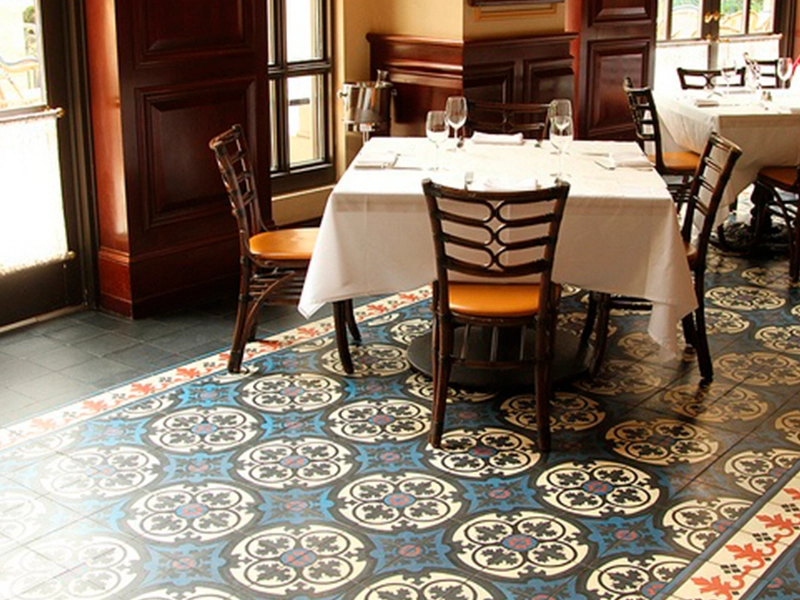
What if the most memorable part of your space wasn’t the view, the furniture, or even the lighting—what if it was the floor you walked in on? That’s the quiet magic of handmade cement tiles. They anchor a room with character, tell a story through pattern, and reward everyday life with texture and color that only gets better with time. Whether you’re designing a boutique hotel lobby, a restaurant bar that begs to be photographed, or a family kitchen that works hard and looks beautiful, handmade cement tiles deliver a look that’s both artisanal and enduring.
Below, you’ll find everything you need to specify with confidence—benefits, room-by-room applications, style ideas and trends, installation and maintenance guidance, common mistakes to avoid, and pro answers to the most-searched FAQs.
Why Handmade Cement Tiles? The Core Benefits
1) Durability that grows with you
Handmade cement tiles are pressed—not fired—and their mineral pigments sit in a substantial wear layer. With proper sealing and pH-neutral care, they’re built for life: kitchens, entries, living spaces, even boutique hospitality floors. Over time, the surface develops a soft patina that feels established, not worn.
2) Beauty you can feel
Unlike printed surfaces, handmade cement tiles have a velvety, matte texture and color depth that reads beautifully in person and in photos. Patterns look “designed into” the floor or wall—not printed on top—so everything feels architectural, intentional, and luxe.
3) Sustainability by design
Cement tiles cure at ambient temperature (no kiln). Their long lifecycle, refinishing potential, and timeless appeal make them a smart, sustainable choice for both residential and commercial projects.
4) Style versatility (and unlimited color)
From Moroccan tiles and Mediterranean tiles to modern checkerboards and custom monograms, cement excels at pattern. Recolor any motif to match your palette—or create custom cement tiles unique to your brand or home.
Ready to see the possibilities? Browse our Gallery and then Order Samples / Start a Custom Brief.
What Makes a Cement Tile “Handmade”?
Handmade cement tiles—often called encaustic cement tiles—are produced using a metal pattern mold. Artisans pour colored mineral slurry into the mold’s cells to create the design, back it with a cement/sand mix, and press it hydraulically. The tile cures naturally, resulting in:
- A matte, tactile surface with nuanced, mineral-rich color.
- A substantial wear layer that carries the pattern through the tile’s face.
- Natural, subtle variation from piece to piece—part of the charm and authenticity.
This method (unchanged for more than a century) explains why patterned cement tiles feel timeless in Spanish-style, Mediterranean, and contemporary interiors alike.
Applications by Room: Floors, Walls, Showers & Beyond
Kitchens (floor tiles & backsplashes)
- Floors: Anchor the kitchen with patterned geometry—stars, checkerboards, or classic border-and-field layouts. Cement handles daily traffic with grace when properly sealed.
- Backsplashes: You can use cement on dry backsplash zones for a matte, artisanal look. Prefer high-sheen and wipeability? Pair with a glossy ceramic or zellige-style backsplash and keep the cement on the floor for a best-of-both-worlds moment.
Pro tip: Use a cement “tile rug” under an island or dining nook to define the zone without walls.
Bathrooms (bathroom tiles, shower wall tiles)
- Bathroom floors: Cement’s soft matte texture feels grounded and hides everyday water spots better than high-gloss surfaces.
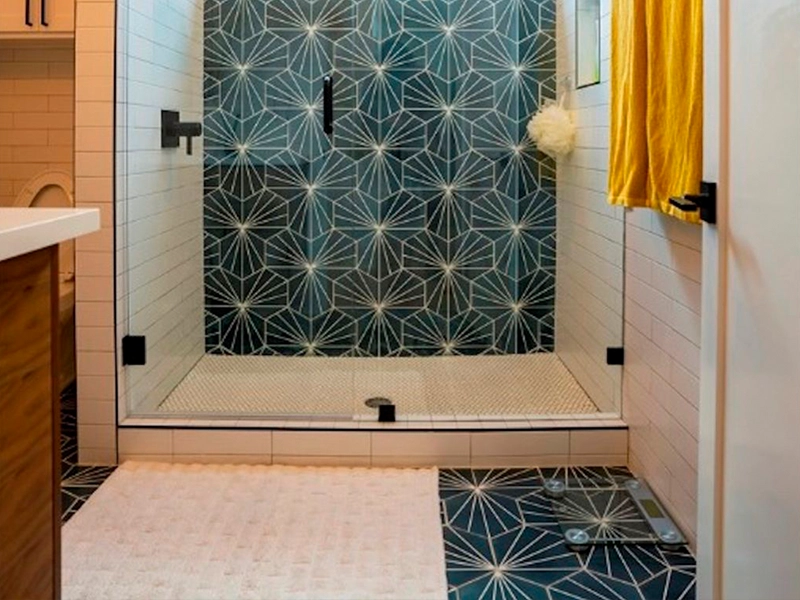
- Shower walls: Stunning. Seal correctly and specify the right maintenance plan.
- Shower floors: Many designers choose porcelain/ceramic mosaics for extra grip and drainage, while coordinating the color story with the cement on walls or main bath floor.
Entryways & Mudrooms (patterned floor tiles)
This is where handmade cement tiles shine. A bold pattern or border communicates personality the moment you walk in. Practical wins too: sealed cement handles tracked dirt and daily use well, and mid-contrast pattern cleverly disguises scuffs between cleanings.
Fireplaces, Bars & Feature Walls (decorative cement tiles)
Use statement patterns to wrap a fireplace surround or bar face; repeat a motif from the floor at the vertical surface for a cohesive, intentionally designed look.
Outdoor Patios (covered), Sunrooms & Breezeways (outdoor patio tiles)
In covered exterior applications, sealed cement performs beautifully and provides warmth that pairs naturally with terracotta tiles, terrazzo tile accents, and wood.
Style Ideas & Trends: Moroccan to Modern Minimal
Moroccan & Mediterranean tiles
Think star-and-cross, interlace, and floral motifs with modern palettes: bone and charcoal, sea-glass blues, terracotta blush, olive and sand. Keep walls simple; let the floor sing.
Spanish-style tiles with bold borders
Revive classic Spanish Colonial layouts with border-and-field compositions. A contrasting border frames the room like a beautiful rug—perfect for long galleries and hotel corridors.
Modern & contemporary (patterned cement tiles, minimal contrast)
For a minimalist home, choose low-contrast geometrics (e.g., pebble and fog) and larger pattern repeats. The result is graphic but calm—editorial without shouting.
Vintage revival & checkerboards
A two-tone checkerboard in warm neutrals or chalky blues feels both of-the-moment and timeless. Scale it up for grand entries; scale it down for bathrooms and laundry rooms.
Commercial Design: Restaurants, Hotels & Branded Spaces
Why hospitality loves handmade cement tiles
- Brand language built into the floor. Use recolored motifs or custom logo tiles at the host stand, bar face, restrooms, or elevators.
- Instagram-ready texture. That matte, mineral surface photographs beautifully under mixed lighting, supporting your PR and social.
- Lifecycle value. Properly sealed commercial floor tiles in cement can be refreshed and resealed, keeping the space on-brand for years.
Applications
- Restaurants & bars: FOH patterns for identity; tile-wrapped bars and column cladding for continuity.
- Hotel lobbies & corridors: Border-and-field layouts, monogram medallions, wayfinding moments.
- Retail: Pedestal bases, dressing-room thresholds, and feature nooks that guide the eye.
On a deadline? Browse Cement Tiles In Stock for fast-turn solutions. Need brand match? Start a brief via Custom Cement Tiles.
Installation & Maintenance: Do It Right, Love It Longer
Pre-install
- Inspect & dry-lay. Blend from multiple boxes to distribute natural variation.
- Mockup & approve. Confirm pattern direction, grout width, and threshold details with the client.
Setting & sealing
- Pre-seal cement tiles before grouting. This is crucial to prevent grout haze and help resist staining.
- Grout selection. Go mid-tone or color-matched to preserve the pattern. High-contrast grout can visually “grid” the design.
- Final seal after grout cure. Follow manufacturer guidance and schedule resealing based on traffic.
Cleaning
- pH-neutral cleaner only. Skip acids, bleach, and harsh abrasives.
- Soft pads and microfiber. Gentle methods keep the surface looking rich.
Wet areas
- Cement is excellent for bathroom floors and shower walls. For shower floors, consider coordinating porcelain/ceramic mosaics for traction and drainage while keeping your handmade cement tiles on walls or dry zones.
Common Mistakes to Avoid (and How to Avoid Them)
- Skipping the pre-grout seal → leads to staining and haze.
- Fix: Always seal before grouting; then seal again after grout cures.
- Under-ordering material → breaks pattern continuity during field fixes.
- Fix: Add 10–15% overage for residential; 12–20% for commercial, borders, and diagonal layouts.
- High-contrast grout that overwhelms pattern → every joint shouts.
- Fix: Choose mid-tone grout and test on sealed samples.
- Treating cement like porcelain → expecting zero variation.
- Fix: Embrace artisanal nuance; it’s the point of handmade cement tiles.
- Poor substrate prep → lippage and alignment issues.
- Fix: Flat, level substrate and a qualified installer who understands handmade materials.
- Wrong cleaner → dulling or etching.
- Fix: pH-neutral, non-abrasive cleaners only.
Handmade Cement Tiles vs. Ceramic Tiles
Both are exceptional—used thoughtfully, they’re a power couple.
Handmade cement tiles
- Look & feel: Matte, mineral, architectural.
- Best uses: Patterned floor tiles, entries, corridors, bars, brand moments, feature walls.
- Care: Seal pre-grout and post-grout; periodic reseal.
- Customization: Unlimited recolor, pattern, scale, and custom logo tiles.
Ceramic/porcelain tiles
- Look & feel: Glazed sheen (from satin to mirror), precise edges.
- Best uses: Backsplashes, shower walls, mosaics, high-sheen accents, intensive-wet floors (with the right specs).
- Care: Generally low; wipeable glazes.
Design-savvy approach: Use handmade cement tiles where you want soul and pattern underfoot, and pair with ceramic where you want glossy, wipeable surfaces. The contrast is sophisticated and intentional.
FAQs: Quick Answers to Trending Questions
1) Are handmade cement tiles expensive?
They’re a premium artisan product, priced for craftsmanship and longevity. Many clients find the “cost-per-year” value excellent given the long lifecycle and design impact.
2) Do cement tiles need to be sealed?
Yes—before grouting and after grout cures. Maintain with periodic resealing based on traffic.
3) Can you use cement tiles in a shower?
Yes—commonly on shower walls and bathroom floors. For shower floors, many specifiers choose porcelain/ceramic mosaics for traction and drainage, color-matched to the cement.
4) What’s the difference between cement tile and ceramic tile?
Cement: pressed, ambient-cured, matte, mineral depth, customizable.
Ceramic: kiln-fired (often glazed), glossy/satin finishes, highly wipeable, superb for walls/mosaics.
5) How much overage should I order?
10–15% for residential; 12–20% for commercial and for borders/diagonal layouts.
6) Will the color vary?
Yes—handmade cement tiles have natural tonal movement. This is a feature, not a flaw, and adds to the artisanal character.
7) Are cement tiles slippery?
The matte surface offers a comfortable underfoot feel. Slip behavior also depends on sealer choice and maintenance—select products appropriate to your code and use.
8) Can you match brand colors or create logo tiles?
Absolutely. We specialize in custom cement tiles, including brand color matching and custom logo tiles for hospitality and retail.
9) Are cement tiles suitable for commercial floors?
Yes—when sealed and maintained properly, they perform beautifully and create unforgettable first impressions.
10) How do I clean cement tiles?
Use a pH-neutral cleaner and soft pads. Avoid acids, bleach, and abrasive tools.
How to Get Started: Samples, Custom, and In-Stock
- See Trend Tiles: Explore real residential and hospitality installs in our Gallery.
- Order Samples / Start a Custom Brief: Share your palette, plans, and inspiration via Custom Cement Tiles. We’ll support you with renderings, sampling, and technical details.
- Need it now? Browse Cement Tiles In Stock for fast-turn patterns and solids.
- Talk to a Tile Specialist: Send drawings and specs to Contact Us for guidance on layout, thresholds, sealing systems, and maintenance schedules.
Layout Playbook (Designer Cheatsheet)
- Border + Field: Frame your room with a contrasting border; choose corner blocks for a heritage look in lobbies and galleries.
- Tile Rug: Define dining or living zones without building walls—perfect for open plans and restaurant seating maps.
- Stair Risers: Use small-format patterns to turn code-required steps into a design statement.
- Wainscot Walls: Half-height patterned walls finished with a slim brass or ceramic trim feel tailored and protect high-traffic areas.
Color Direction for 2026 & Beyond
- Warm Neutrals: Bone, oat, mushroom—timeless and layered.
- Coastal Blues: Indigo, sea-glass, slate—fresh across kitchen backsplash tiles and bathroom floors.
- Olive & Terracotta: Earthy and elevated; pair with unlacquered brass for quiet luxury.
- Graphite & Chalk: High-contrast geometry for modern entries and hospitality corridors.
- Terrazzo & Terracotta pairings: Mix a terrazzo-look field with terracotta trims or handmade cement tiles borders for depth and warmth.
Spec Notes for Architects & Builders
- Substrate: Flat, level, deflection-compliant.
- Transitions: Plan brass, stone, or wood thresholds early.
- Movement Joints: Follow TCNA/ANSI guidelines; do not butt hard to perimeters.
- Sealer System: Specify brand, sheen, and maintenance cycle in the project manual; include owner O&M documents.
- Samples & Mockups: Approve under final lighting (LED temperature matters).
- Commercial Care: Define nightly cleaning protocols (pH-neutral), periodic resealing, and incident response for spills.

Final Inspiration: Where Handmade Meets High Performance
Handmade cement tiles deliver that “I can’t stop looking at the floor” moment—without sacrificing function. They’re durable underfoot, remarkably customizable, and unmistakably premium. Pair them with ceramics where you want gloss, add brass trims for sparkle, and let your lighting plan bring it all to life. When your surfaces have soul, the rest of the design feels easy.
Next steps:
See Trend Tiles in our Gallery • Order Samples / Start Custom • Cement Tiles In Stock • Talk to a Tile Specialist