
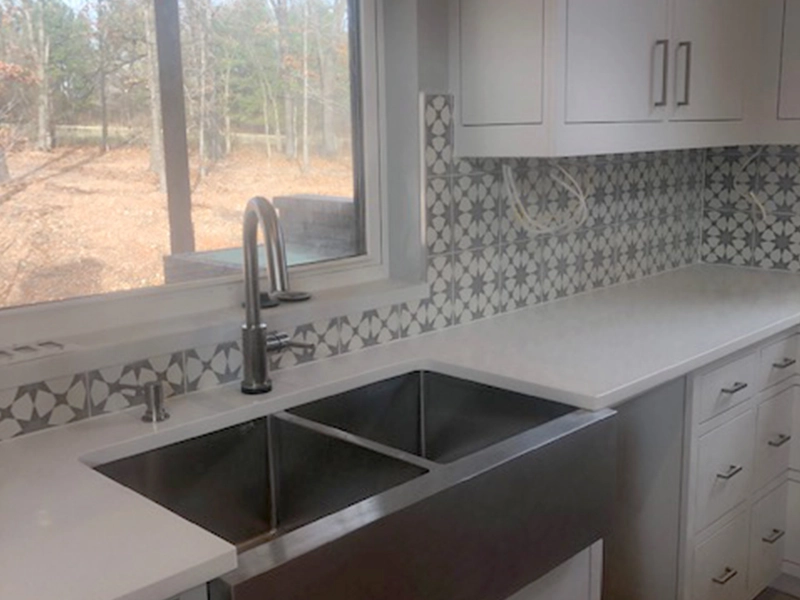
Kitchen Floors That Hide Mess
If your kitchen floor shows every crumb, splash, and footprint, it’s not “you”—it’s the tile choice.
The truth about the modern kitchen floor is simple: it needs to handle real life (kids, pets, cooking, guests, spills) and still look like it belongs in a designer home. The fastest way to get that high-end look—without obsessing over constant cleaning—is choosing a floor that’s intentionally patterned, mid-toned, and made to perform.
That’s why designers love cement tiles and encaustic cement tiles for kitchens. They deliver warmth, depth, and a custom look that hides everyday mess better than flat, uniform surfaces—especially when you choose the right pattern and follow the correct installation and sealing steps.
In this guide, you’ll learn which kitchen floors hide mess best (without looking boring), what patterns and colors actually camouflage real-world kitchen chaos, the biggest style trends (Moroccan, Mediterranean, Spanish-style, modern, vintage, contemporary), and the practical installation and maintenance tips that keep a kitchen floor looking expensive for years.
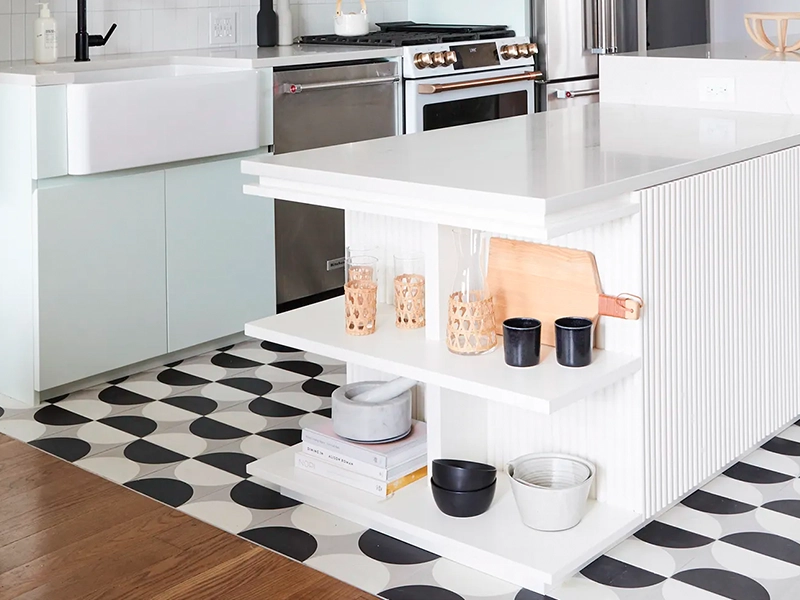
What Makes a Kitchen Floor “Hide Mess” (and Still Look High-End)?
A “mess-hiding” kitchen floor isn’t about dark colors. It’s about visual strategy.
1) Mid-tone contrast beats bright white
Very light floors show every crumb. Very dark floors show every speck of dust. The sweet spot is mid-tone: warm grays, greiges, soft charcoals, clay tones, and mixed palettes.
To build a kitchen-friendly palette, start with the Cement Tile Color Palette.
2) Pattern is a camouflaging tool
Flat floors are unforgiving. Patterned floor tiles hide daily life because your eye reads the pattern—not the tiny mess.
This is why patterned cement tiles are a favorite in busy kitchens and open-plan living: they stay “magazine-clean” visually even between deep cleans.
3) Matte texture helps (and reads more expensive)
High-gloss surfaces highlight streaks and smudges. Cement tiles naturally lean matte, which helps visually reduce cleaning “evidence.”
4) Grout color matters more than people think
Wrong grout can make a beautiful tile look messy fast. A smart grout choice helps hide stains and blends with the design.
Benefits of Cement Tiles for the Kitchen Floor
Durability (when installed and sealed correctly)
A kitchen is a high-traffic, high-spill zone. With proper installation and sealing, cement tiles can perform beautifully in kitchens and other hardworking areas.
Before any install begins, align your installer with the brand’s Installation Guidelines.
Handmade quality that looks custom by default
Handmade cement tiles bring depth and subtle variation, which reads premium—especially in remodeling projects where you want a “custom home” look without rebuilding everything.
Sustainability and long-life value
Many homeowners are shifting toward long-life materials that can be maintained rather than replaced. Cement tiles support that mindset when care is planned properly.
Style versatility (from warm Mediterranean to modern monochrome)
Cement tile works with almost any kitchen style:
- Mediterranean tiles vibes (warm, sun-washed palettes)
- Spanish-style tiles (heritage warmth and charm)
- Moroccan tiles (bold geometry and energy)
- modern minimal (tonal patterns, clean borders)
- vintage (borders and “tile rug” layouts)
- contemporary (balanced patterns with soft contrast)
To browse styles that work in busy kitchens, start with Cement Tiles In Stock.
Order Samples: In-Stock Cement Tiles
The Best Patterns for Kitchen Floors That Hide Mess
Below are pattern categories designers rely on for real-life kitchens—because they camouflage crumbs, water spots, and traffic without looking chaotic.
1) Micro-patterns and small repeats (great for daily crumbs)
Small repeats create visual movement that naturally hides small debris. They’re especially useful in kitchens with:
- kids and snack traffic
- pets
- heavy daily cooking
2) Mid-scale geometric patterns (the “designer classic”)
Mid-scale geometry is the safest “expensive” look:
- it reads intentional
- it doesn’t overwhelm
- it hides mess better than solids
3) Border + field layouts (“tile rug” kitchens)
This is a favorite in remodeling: a framed floor area under the dining zone or island path creates a built-in custom look.
If you want a bespoke layout or a pattern that matches a concept, start with Custom Tiles and visualize options in the Design Studio.
4) Tonal patterns (modern kitchens that need camouflage)
Tonal patterns hide mess while still looking modern. They’re perfect when you want a calm kitchen but a floor that won’t show everything.
5) Terrazzo-inspired movement (the “always looks clean” trick)
Even if you’re not using terrazzo tile, terrazzo-style visual movement is one of the best ways to hide mess. Choose cement tiles with mixed tones and gentle contrast to get the same effect.

Style Ideas & Trends for Kitchen Floors (Moroccan, Mediterranean, Spanish-Style, Modern, Vintage, Contemporary)
Moroccan tiles: bold pattern that makes the kitchen feel curated
Use Moroccan-inspired patterns when you want your kitchen to feel like a destination:
- works beautifully with simple shaker cabinets
- pairs well with warm metals and wood
- looks amazing in open-plan layouts
Design tip: keep walls and countertops calm so the floor becomes the hero.
Mediterranean tiles: warm, timeless, and forgiving
Mediterranean color stories (cream, sand, dusty blue, olive green) are naturally mess-friendly because they’re mid-tone and layered. This is a top choice for remodels where you want warmth without visual noise.
Spanish-style tiles: heritage charm that hides life well
Spanish-style patterns often include organic motifs and warm palettes—great for:
- family kitchens
- ranch or hacienda-inspired homes
- kitchens that open to patios
Pairing tip: Spanish-style kitchens look incredible with terracotta tiles tones (or terracotta-adjacent palettes).
Modern kitchens: tonal geometry and clean borders
Modern kitchens can still hide mess—just avoid glossy, flat solids. Choose:
- tonal patterns
- mid-scale geometry
- simple borders that frame the space
Vintage kitchens: “looks original to the home”
Vintage patterns feel expensive because they feel established. The key is layout: borders, symmetry, and a color palette that doesn’t shout.
Contemporary kitchens: balanced pattern, soft contrast
Contemporary kitchens often use:
- mixed neutrals
- softer contrast patterns
- minimal decor with one strong floor statement
See Trend Tiles: Cement Tiles In Stock
Applications by Room: Coordinating the Kitchen Floor With the Whole Project
A kitchen remodel rarely lives alone. The smartest projects coordinate tile across the home for a cohesive “designer” look.
Kitchens + kitchen backsplash tiles
If you want the most expensive look, repeat one color from the floor in your kitchen backsplash tiles. It creates a designed-throughline without overdoing pattern.
Browse quick-ship options in Cement Tiles In Stock or create a matching set through Custom Tiles.
Entryways (carry the floor story inside)
When the entry and kitchen speak the same design language, the whole home feels intentional. A patterned entry “tile rug” can mirror the kitchen palette and set the tone.
Bathrooms (make the remodel feel cohesive)
Repeat a color from the kitchen floor in bathroom tiles (even if the bathroom pattern is different). This is how designers make remodels feel curated, not piecemeal.
Showers (patterned shower wall tiles with planning)
If you bring cement tile into wet zones, make sure waterproofing, sealing, and cleaning expectations are clear:
Patios (indoor-outdoor continuity)
If your kitchen opens to a patio, coordinating outdoor patio tiles with the kitchen floor is one of the most premium design moves. Mid-tone patterns hide outdoor dust well and keep the transition seamless.
Use the Cement Tile Color Palette to coordinate indoor/outdoor tones.
Commercial Design Section: Why These “Mess-Hiding” Floors Matter in Restaurants and Hotels
The same floor logic that works in busy family kitchens is exactly what hospitality needs—just at a higher intensity.
Restaurant tile design
In restaurant tile design, floors must hide:
- daily traffic
- chair movement
- spills
- constant cleaning routines
Mid-tone patterned floors are a proven strategy because they look good between deep cleans and photograph well. That’s why cement tiles are often chosen as commercial floor tiles in guest-facing zones.
If you’re designing a restaurant concept and want a floor that stays visually clean, start with Cement Tiles In Stock or build a signature pattern with Custom Tiles.
Hotel lobby tiles
Hotel lobby tiles need to look premium under heavy traffic and constant photography. Patterned cement tile is one of the strongest ways to make a lobby feel boutique and custom—especially with a framed layout.
If branding is part of your project, custom work can be planned through Custom Tiles and visualized in the Design Studio.
Contact Us for Custom Tile Designs: Custom Tiles
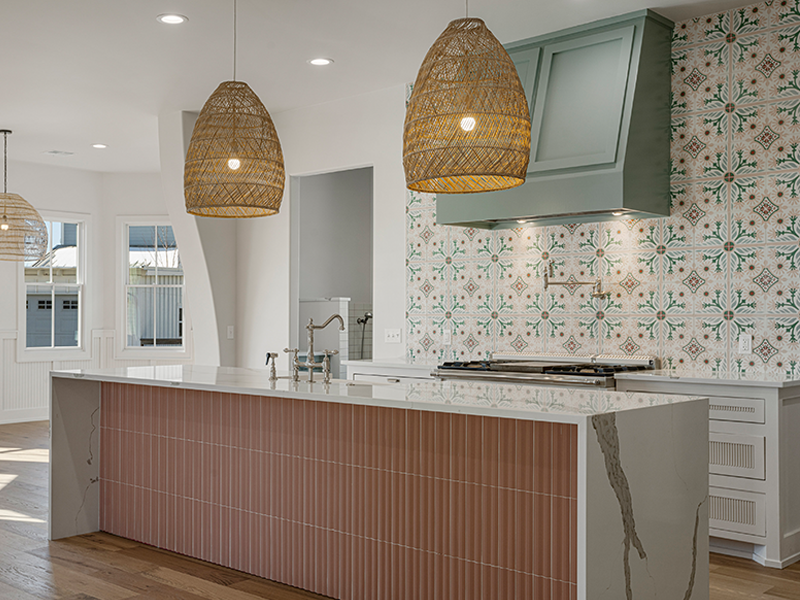
Cement Tile vs Ceramic Tile for the Kitchen Floor
The cement tile vs ceramic tile conversation usually comes down to two things: authenticity and maintenance expectations.
Cement tile advantages
- handcrafted depth and matte character
- high design impact
- customization and reproduction capability
- patterns that hide mess better than flat solids
Ceramic/porcelain advantages
- very low absorption (especially porcelain)
- simplified maintenance in some households
- large-format minimal looks with fewer grout lines
Many premium remodels combine both: cement tile in the kitchen or entry as the “hero,” porcelain in extreme wet zones. The best choice is the one that matches how you live and clean.
If you want help choosing, use Contact Us.
Installation & Maintenance: How to Keep a Kitchen Floor Looking Expensive
Installation essentials (don’t treat cement like ceramic)
Most regrets come from install mistakes—not from the tile itself. Before installation starts, share:
Key best practices:
- stable, flat substrate
- dry layout planning
- blend tiles from multiple boxes (prevents patchy appearance)
- sealing steps coordinated with grout
Sealing and cleaning (the easy routine that works)
Cement tile needs a sealing plan and the right cleaning approach:
- sweep/vacuum often (grit control)
- use pH-neutral cleaners
- clean spills quickly (especially oils, wine, sauces)
- avoid harsh acids that degrade sealers
Set expectations using:
Mistakes to Avoid When Choosing a Mess-Hiding Kitchen Floor
- Choosing a very light, flat solid (shows everything)
- Choosing a very dark, flat solid (shows dust instantly)
- Using high-gloss finishes (shows streaks and smudges)
- Picking pattern without checking scale in the room
- Choosing the wrong grout color (it can make floors look dirty fast)
- Not blending tiles during installation
- Sealing errors (skipping steps or using harsh cleaners later)
Order Samples: In-Stock Cement Tiles
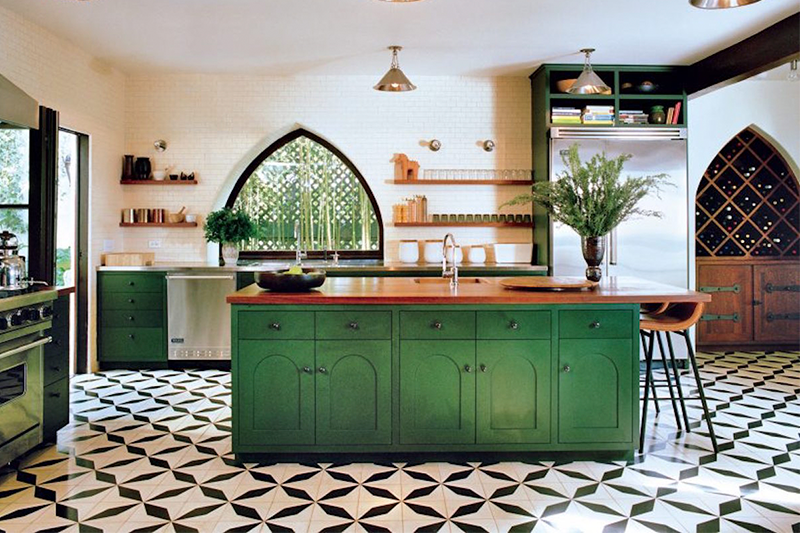
FAQs: Kitchen Floor
1) What is the best kitchen floor to hide mess?
A mid-tone, patterned floor hides crumbs and daily traffic best. Patterned cement tiles are a top choice because the pattern camouflages small debris while still looking high-end.
2) Are cement tiles good for a kitchen floor?
Yes, when installed and sealed correctly. Cement tiles add instant character and work especially well in busy kitchens where pattern helps hide everyday mess.
3) Do cement tiles need to be sealed in kitchens?
Yes. Sealing improves stain resistance and maintenance. Use Installation Guidelines and follow care steps in Cement Tile Maintenance.
4) What color kitchen floor is easiest to keep looking clean?
Mid-tone palettes (greige, warm gray, soft charcoal, clay tones) are typically the easiest. Very light shows crumbs; very dark shows dust.
5) What patterns work best for hiding crumbs and stains?
Micro-patterns, mid-scale geometry, terrazzo-inspired movement, and tonal patterns are the best “camouflage” choices—especially in high-traffic kitchens.
6) Cement tile vs ceramic tile: which is better for kitchens?
Cement tile often wins on authenticity and design impact, while ceramic/porcelain can be simpler for low-maintenance preferences. Many remodels combine both by zone.
7) Can I match my kitchen floor tile to a backsplash?
Yes. One of the most expensive-looking moves is repeating a color from the floor in the backsplash. You can browse in-stock options in Cement Tiles In Stock or create a coordinated set through Custom Tiles.
8) Do you have in-stock patterned cement tiles for kitchens?
Yes. Explore Cement Tiles In Stock and order samples from your top choices.