

In a world of endless design options, a tile showroom must do more than simply display products; it must inspire, educate, and empower. The traditional wall of sample boards is no longer enough to capture the imagination of discerning homeowners, architects, and interior designers. A truly effective showroom tells a story, demonstrates craftsmanship, and provides practical tools that bridge the gap between a single tile and a fully realized vision. This is where strategic visual merchandising and thoughtful customer engagement become critical.
To move beyond simple sample boards and truly immerse customers in your showroom, understanding the principles of experiential marketing can transform a passive browsing session into an active design journey. The goal is to create a memorable environment that resonates with visitors long after they leave. By focusing on interactivity, storytelling, and practical application, a showroom can become an indispensable resource for both trade professionals and retail clients.
This article explores 10 powerful tile showroom display ideas designed to transform your space from a simple retail outlet into an immersive design destination. We will move beyond generic advice to provide actionable concepts you can implement immediately. From interactive design stations and curated collection spotlights to educational centers focused on installation, these strategies will help you create experiences that not only showcase the beauty of products like Original Mission Tile but also build lasting customer relationships and drive sales. Prepare to rethink your floor plan and create an unforgettable showroom that closes projects and builds brand loyalty.
1. Interactive Design Studio Display Station
Empower visitors to become creators with a dedicated station featuring an interactive design tool. This modern approach to tile showroom display ideas transforms passive browsing into an engaging, hands-on experience. Instead of just looking at static samples, customers can use a touchscreen or tablet to digitally design their own custom tile patterns in real time, visualizing their unique ideas before committing to a final product.
This station acts as a powerful bridge between abstract inspiration and tangible reality. By allowing homeowners and designers to experiment with colors, shapes, and layouts using a tool like Original Mission Tile’s Design Studio, you eliminate guesswork and build customer confidence. They can see exactly how a bold geometric pattern or a custom color palette will look, making the decision process smoother and more exciting.
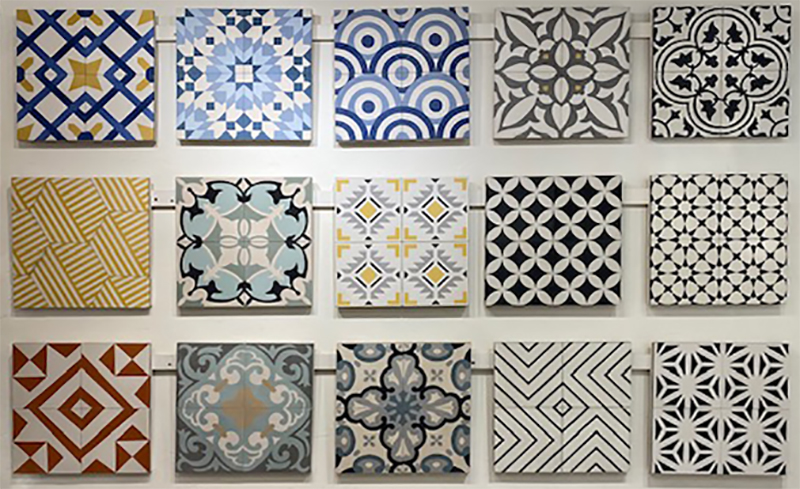
Cement Tiles for Floor
Why This Idea Works
An interactive station immediately modernizes your showroom and appeals to a tech-savvy audience. It provides immense value by allowing for limitless customization without needing physical inventory for every possible combination. This is especially effective for showcasing bespoke products like handmade cement tiles, where personalization is a key selling point. The ability to save and email designs also captures leads and keeps your brand top-of-mind long after the showroom visit.
Implementation Tips
To maximize the impact of your digital design station, consider these actionable steps:
- Strategic Placement: Position the station in a high-traffic area, such as near the entrance or in a central design hub, to capture immediate attention.
- Staff Training: Ensure your team is proficient with the software. They should be able to guide new users, answer questions, and demonstrate the tool’s full potential.
- Provide Physical Context: Place printed design guides or a small selection of physical tile samples nearby. This allows customers to touch and feel the materials while designing digitally.
- Enable Remote Access: Offer a QR code at the station that links directly to the online design tool, allowing visitors to continue their creative process at home.
2. Heritage Craftsmanship Timeline Wall
Transform a wall into a compelling narrative that celebrates the art of tile making. A heritage craftsmanship timeline is one of the most powerful tile showroom display ideas for brands with a rich history, as it connects customers to the story behind the product. This visual journey can trace the company’s evolution, showcasing historical photographs, antique tile samples, and milestones that highlight a legacy of quality and tradition.
This approach builds an emotional connection by showing the human element and time-honored techniques involved in creating each tile. For a brand like Original Mission Tile, with over 120 years of history, a timeline can elegantly display its journey from early 20th-century artisanal methods to modern-day innovations. It educates customers on the value of handmade cement tiles, differentiating them from mass-produced alternatives and justifying their premium quality.

Why This Idea Works
A heritage wall serves as a powerful testament to your brand’s authenticity and expertise. It tells a story that resonates with clients who appreciate provenance, artistry, and lasting quality. By highlighting the craftsmanship passed down through generations, you build trust and create a memorable brand experience that goes beyond the product itself. This storytelling element turns a simple shopping trip into an engaging discovery of art and history, making your showroom a destination.
Implementation Tips
To create a heritage timeline that captivates and informs, consider these steps:
- Curate Engaging Content: Combine historical photographs of artisans, original design sketches, and actual vintage tile samples. Include quotes from founders or current craftspeople to add a personal touch.
- Incorporate Modern Tech: Add QR codes next to key milestones that link to short video clips showing the traditional hydraulic press in action or interviews with artisans.
- Professional Presentation: Use high-quality printing, elegant framing, and strategic lighting to give the display a museum-like feel. Ensure the layout is clean and easy to follow chronologically.
- Create Takeaway Materials: Offer a beautifully designed brochure that summarizes the timeline, allowing visitors to take a piece of your brand’s story home with them.
3. Room-Set Vignettes with Layered Applications
Go beyond single display boards by creating fully realized room-set vignettes that immerse customers in a complete design vision. This powerful tile showroom display idea involves building miniature room settings-like a bathroom corner, kitchen backsplash, or outdoor patio-that showcase tiles across multiple surfaces. By applying tiles to floors, walls, and accent features, you demonstrate how different products and scales work together to create a cohesive, high-impact space.
These vignettes move past theoretical application and show a finished, aspirational result. A customer can physically stand in a space and see how a patterned floor interacts with a textured wall, or how architectural elements like breeze blocks define an area. This contextual approach helps clients visualize the final look in their own homes or projects, making it one of the most effective ways to inspire and sell a complete design concept.
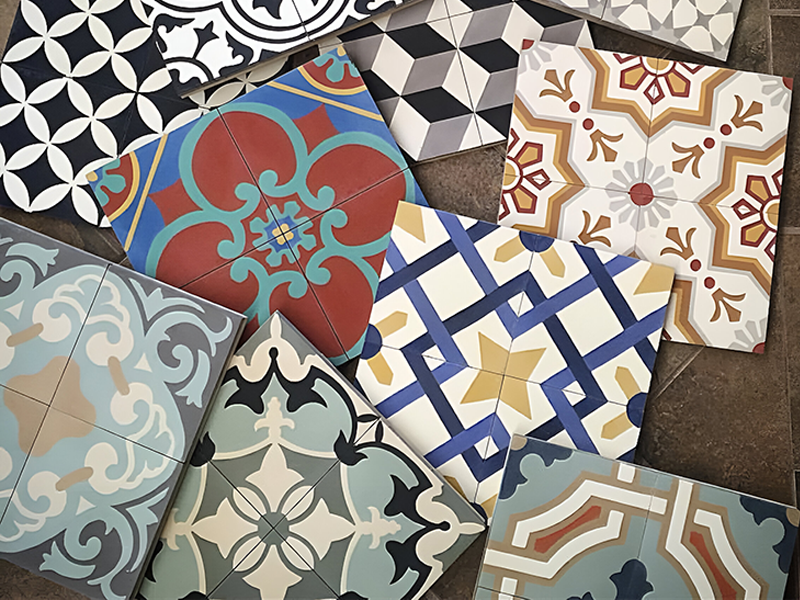
Why This Idea Works
Room-set vignettes are storytelling tools. They sell not just tile but a lifestyle and an aesthetic, whether it’s a modern minimalist bathroom or a rustic Mediterranean kitchen. This approach is particularly effective for demonstrating how handmade tiles can be layered for a sophisticated, custom look. For example, showcasing a fully tiled walk-in shower provides tangible inspiration and answers practical questions about application, which is invaluable for clients exploring unique shower ideas for their bathroom. This immersive experience builds an emotional connection and justifies a premium price point.
Implementation Tips
To create compelling vignettes that convert visitors into customers, follow these best practices:
- Define a Clear Aesthetic: Each vignette should represent a distinct style (e.g., Bohemian, Art Deco, coastal). Use authentic props, lighting, and furniture to complete the look.
- Rotate and Refresh: Keep your showroom dynamic by updating vignettes seasonally or to coincide with new collection launches. This encourages repeat visits from designers and homeowners.
- Provide Specification Sheets: Place a small, accessible sign or handout in each vignette listing every tile, grout color, and finish used. This makes it easy for customers to replicate the look.
- Incorporate Layered Lighting: Use a mix of ambient, task, and accent lighting to highlight tile textures, sheens, and three-dimensional qualities, ensuring the materials look their best.
4. Material Sample Library with Organization System
Transform your showroom into a functional design resource with a well-organized material sample library. This foundational approach to tile showroom display ideas provides an accessible, tactile catalog of your offerings, allowing designers and homeowners to easily browse, compare, and discover the perfect materials for their projects. By creating a systematic and visually appealing library, you elevate the customer experience from overwhelming to empowering.
This display method organizes physical tile samples using multiple sorting criteria, such as color family, pattern, size, texture, and application (floor vs. wall). Clear labeling, professional holders, and dedicated lighting make it effortless for visitors to navigate your entire collection. Showrooms like Emser Tile effectively use color-organized walls to simplify the selection process, providing a comprehensive yet uncluttered reference tool that serves as the backbone of the design consultation.
Why This Idea Works
A material library demystifies the tile selection process and establishes your showroom as an authoritative and user-friendly destination. It allows customers to physically handle and compare different products side-by-side, which is crucial for appreciating texture, finish, and true color. This system is especially beneficial for trade professionals who need to quickly locate specific options and for homeowners who may feel intimidated by endless choices. A well-executed library builds trust and facilitates efficient, confident decision-making.
Implementation Tips
To create a highly effective material sample library, focus on organization and accessibility:
- Implement a Clear System: Organize tiles by multiple attributes. For example, group them by color family first, then subdivide by pattern or size. Use clear, professional labels for every sample.
- Showcase Best-Sellers: Position your most popular and profitable collections in a prominent, easily accessible area to capture immediate interest.
- Create Curated Kits: Assemble small “starter kits” that group complementary tiles for common design aesthetics like Mid-Century Modern or Coastal, providing ready-made inspiration.
- Train Your Staff: Ensure your team can navigate the library efficiently to pull specific samples for clients, demonstrating expertise and providing swift service.
- Use Quality Hardware: Invest in professional, museum-quality display systems that can handle the weight of the tiles and allow for easy removal and replacement of samples.
5. Production Process Demonstration Area
Pull back the curtain on craftsmanship and educate visitors with a display dedicated to the tile-making process. This unique tile showroom display idea demystifies how artisanal tiles, like handmade cement tiles, are created. By showcasing the hydraulic-press method and hand-pouring techniques, you build a powerful narrative around quality, durability, and artistry, justifying the value of your products.
This educational area transforms a simple shopping trip into an enriching experience. Visitors can watch a video of artisans at work, see a non-operational press, or even view a live demonstration. Understanding that colors are inlaid into the body of the tile, not just glazed on the surface, builds immense appreciation and helps customers connect with the story behind their purchase. This approach is similar to how high-end studios like Heath Ceramics showcase their pottery-making process to highlight authenticity.
Why This Idea Works
A process demonstration area is a powerful tool for differentiation. It clearly explains why handmade cement tiles are a premium, durable product compared to mass-produced ceramics. This transparency builds trust and educates consumers on the inherent value and longevity of their investment. It’s an especially effective strategy for designers and architects who need to communicate the benefits of specified materials to their clients.
Implementation Tips
To effectively bring the production process to life in your showroom, consider these strategies:
- Use High-Quality Video: If a live demonstration isn’t feasible, a professionally produced video on a continuous loop is an excellent alternative. Mount the screen prominently in a dedicated nook.
- Display Cross-Sections: Showcase cutaway samples of tiles. This allows visitors to see the depth of the color layer and understand how the pattern is an integral part of the tile itself.
- Incorporate Raw Materials: Create a tactile display with the raw components used in tile making, like cement, sand, and mineral pigments, in labeled containers.
- Create Clear Diagrams: Use large, easy-to-read infographics or laminated diagrams to visually explain each step of the production process from pigment mixing to curing.
6. Curated Collection Spotlights with Story Cards
Transform your tile displays from simple product showcases into compelling narratives by creating curated collection spotlights. This powerful merchandising technique involves prominently featuring a rotating selection of tiles accompanied by “story cards” that detail the inspiration, artisan craftsmanship, or historical context behind the design. This approach creates an emotional connection, helping visitors appreciate the tile beyond its surface aesthetics.
Much like a museum exhibit or a high-end fashion boutique, this method positions your products as unique works of art. A spotlight on a collection of handmade cement tiles, for example, could feature a story card detailing the centuries-old crafting process or the cultural significance of its pattern. This narrative element adds perceived value and makes the selection process more memorable and meaningful for customers, differentiating your showroom from competitors.
Why This Idea Works
Storytelling is a potent sales tool. It elevates a product from a mere commodity to a coveted piece with a unique identity. This tile showroom display idea is especially effective for artisanal, historic, or designer-collaboration lines where the story is a key part of the value proposition. By educating customers on the “why” behind a design, you build brand loyalty, justify premium pricing, and empower them to make more confident and inspired decisions.
Implementation Tips
To effectively launch your curated spotlights, consider the following strategies:
- Create a Rotating Schedule: Keep your showroom fresh by changing the featured collection every 4 to 6 weeks. Align the spotlights with current design trends, seasonal palettes, or new product launches.
- Craft Compelling Narratives: The story cards should be professionally designed and well-written. Include high-quality photos, designer bios, historical references, or notes on the artisan’s process.
- Strategic Placement and Lighting: Dedicate a prime, well-lit area near the entrance or in a central zone for your spotlight display to ensure it captures immediate attention.
- Integrate with Digital Marketing: Promote the current spotlight collection on your social media channels, in newsletters, and through a dedicated blog post to drive foot traffic to the showroom.
7. Large-Format Mood and Inspiration Boards
Move beyond individual samples and inspire visitors by showcasing how tiles fit into a complete design narrative. Large-format mood boards, professionally curated to represent distinct aesthetic directions, are powerful tile showroom display ideas that tell a compelling visual story. These oversized installations (often 4-6 feet wide) combine tile samples with material swatches, paint colors, photography, and textiles to create a tangible vision.
This approach helps customers visualize the final look and feel of a space, making it easier to commit to a specific tile. By presenting styles like “Mediterranean Coastal” or “Contemporary Minimalist,” you guide homeowners and designers toward a cohesive design, positioning your products as integral components of a beautifully realized interior. It’s a technique used by high-end interior design studios and premium paint retailers to sell not just a product, but an entire aesthetic.
Why This Idea Works
Mood boards bridge the gap between imagination and reality. They provide context, showing how a tile’s color, texture, and pattern interact with other design elements. This is especially effective for artisan products like handmade cement tiles, as it demonstrates their versatility across various styles. This strategy also positions your showroom as a design resource, building authority and trust with trade professionals and discerning homeowners alike.
Implementation Tips
To create inspiring and effective mood boards, follow these practical steps:
- Collaborate with Professionals: Commission an interior designer to create the boards, ensuring they are trend-forward and professionally styled.
- Keep Content Fresh: Update the boards seasonally or to reflect emerging design trends, keeping your showroom dynamic and relevant.
- Provide Clear Information: Label each item on the board with a product code or name, allowing for easy reference and ordering.
- Create Digital Takeaways: Photograph each board and create downloadable PDF guides that designers can take with them, extending the experience beyond the showroom.
8. Custom Design Success Portfolio Display
Transform your showroom into a gallery of real-world success by showcasing a curated portfolio of your best custom design projects. This powerful approach to tile showroom display ideas moves beyond individual samples to tell compelling stories of creativity and collaboration. By featuring high-quality photography, client testimonials, and project details, you provide social proof and inspire visitors with tangible evidence of what’s possible.
This display acts as a visual testament to your brand’s capabilities, demonstrating how abstract design concepts become stunning realities. It allows potential clients to see how your tiles perform in diverse settings, from intricate residential backsplashes to large-scale commercial floors. Showcasing a range of projects, like a vibrant, custom Mission-style mural in a restaurant or a sophisticated geometric pattern in a boutique hotel, builds immense trust and helps clients envision their own unique outcomes.
Why This Idea Works
A success portfolio is one of the most effective ways to sell custom capabilities. It answers the client’s biggest unspoken question: “Can you bring my unique vision to life?” By presenting a collection of beautiful, finished installations, you demonstrate expertise, reliability, and the high-quality craftsmanship of your products. This approach is particularly effective for attracting architects, interior designers, and commercial clients who need to see a proven track record before specifying materials for large-scale projects.
Implementation Tips
To create a portfolio display that captivates and converts, follow these best practices:
- Get Professional Photography: Invest in high-quality, professional photos of completed projects. Capture wide shots to show context and close-ups to highlight tile detail and installation quality.
- Tell the Whole Story: For each project, include a brief case study. Describe the client’s vision, any design challenges that were overcome, and the specific tile solution you provided.
- Showcase Diversity: Feature a wide range of applications, styles, and scales. Mix residential and commercial projects to appeal to your entire audience.
- Incorporate Testimonials: Include a quote from the client, designer, or architect. Authentic praise is a powerful endorsement that builds credibility.
- Create Take-Home Materials: Offer printed case studies or a QR code linking to a digital portfolio that designers can save for their project files.
9. Interactive Color Mixing and Pigment Station
Demystify the art of handmade tile creation with a hands-on station dedicated to color and raw materials. This educational display idea invites visitors to explore how Original Mission Tile achieves its distinctive inlaid colors through natural mineral pigments and a multi-layer composition. It transforms a simple product showcase into a rich, sensory experience that highlights craftsmanship and quality.
This station can feature jars of vibrant mineral pigments, different types of sand, marble dust, and cross-section samples of cement tiles. By allowing customers to see and touch the raw ingredients, you build a powerful connection to the product’s origin and artistry. It’s a tangible way to explain why each handmade tile is unique and to showcase the depth of your color palette.
Why This Idea Works
An interactive pigment station elevates your showroom from a retail space to an educational destination. It tells a compelling story about quality, sustainability, and authenticity, which resonates deeply with discerning clients like architects and interior designers. This display justifies the premium nature of handmade tiles by making the intricate production process transparent and fascinating. It also provides a memorable, tactile experience that sets your showroom apart from competitors who only display finished products.
Implementation Tips
To create an engaging and informative pigment station, follow these practical steps:
- Use Clear Labeling: Display all raw materials in clear, well-labeled jars so visitors can easily identify each component, such as “Yellow Ochre” or “Fine Marble Dust.”
- Provide Tools for Exploration: Include magnifying glasses for close examination of pigment textures and cross-section samples.
- Showcase the Process: Create a small visual guide or display board that illustrates how the raw materials are combined to create the final tile.
- Connect to Customization: Train staff to explain how these pigments are used to create custom colors, linking the physical materials to digital tools. Encourage visitors to explore the full range of cement tile designs by color to see how these pigments translate into finished products.
10. Installation and Maintenance Education Center
Address customer and trade professional concerns head-on with a dedicated center for installation and maintenance education. This zone transforms a part of your showroom into an authoritative resource, building trust by demystifying the technical aspects of tile. Instead of leaving clients to research on their own, you can visually and textually explain substrate requirements, grouting options, and proper long-term care.
This educational approach is one of the most effective tile showroom display ideas for building confidence and demonstrating product value. By showcasing cross-section samples of correctly installed tiles, you illustrate the importance of proper preparation and technique. This empowers homeowners to understand the process and gives contractors a clear reference point, positioning your brand as a knowledgeable partner dedicated to a successful, lasting installation.
Why This Idea Works
An education center directly tackles the most common points of hesitation: installation complexity, durability, and upkeep. It adds immense value for trade professionals who can use the display to educate their own clients. For products like handmade cement or terracotta tiles, explaining the sealing and care process is crucial for customer satisfaction. This area also provides a natural opportunity to discuss specialized products, like those that meet specific safety needs. You can, for instance, detail which tiles are best for wet environments and explain the benefits of high-slip resistance. To learn more about this crucial feature, you can explore anti-slip tile options that combine safety with style.
Implementation Tips
To create a compelling and useful education center, focus on clarity and accessibility:
- Use Visual Aids: Create cross-section displays showing a tile installation from the subfloor up, including the mortar bed and grout lines.
- Develop Grout Displays: Showcase a variety of grout colors and types (sanded, unsanded, epoxy) applied between actual tiles so customers can see and feel the difference.
- Provide Take-Home Guides: Offer professionally designed, easy-to-read specification sheets and maintenance guides for both homeowners and contractors.
- Host Training Workshops: Use the space to host quarterly workshops for local installers, reinforcing your role as a community expert and building strong trade relationships.
10-Point Comparison of Tile Showroom Display Ideas
| Item | Implementation Complexity 🔄 | Resource Requirements ⚡ | Expected Outcomes 📊⭐ | Ideal Use Cases 💡 | Key Advantages ⭐ |
|---|---|---|---|---|---|
| Interactive Design Studio Display Station | High 🔄 (software, integration, UX, staff training) | High ⚡ (touch hardware, network, IT maintenance) | Strong 📊⭐⭐⭐⭐ — higher engagement, qualified leads, fewer returns | Showrooms, trade events, architect meetings | Real-time customization; saves designs; visualizes final layouts |
| Heritage Craftsmanship Timeline Wall | Medium 🔄 (content curation, design layout) | Medium ⚡ (photography, framing, wall space) | High 📊⭐⭐⭐ — builds trust, differentiates brand, social content | Brand storytelling, heritage-focused shoppers, designers | Emotional storytelling; authenticity; educates on craftsmanship |
| Room-Set Vignettes with Layered Applications | High 🔄 (construction, styling, periodic refresh) | Very High ⚡ (floor/fixtures, design, space, maintenance) | Very High 📊⭐⭐⭐⭐ — convincing visualization, drives large orders | High-end residential, hospitality developers, specifiers | Shows full-scale impact; demonstrates versatility and scale |
| Material Sample Library with Organization System | Medium 🔄 (inventory system, labeling) | Medium ⚡ (sample inventory, display systems, lighting) | High 📊⭐⭐⭐ — essential reference, speeds decision-making | Everyday showroom visitors, designers, contractors | Foundational resource; systematic comparison; professional presentation |
| Production Process Demonstration Area | High 🔄 (safety, demo equipment or video production) | High ⚡ (equipment, safety measures, AV content) | High 📊⭐⭐⭐⭐ — educates value, justifies premium pricing | Trade partners, architects, skeptical buyers | Transparent process education; differentiates product quality |
| Curated Collection Spotlights with Story Cards | Low-Medium 🔄 (content creation, rotation planning) | Low-Medium ⚡ (display space, photography, printing) | Medium-High 📊⭐⭐⭐ — drives discovery, repeat visits, urgency | Seasonal promotions, limited editions, social media campaigns | Freshness and storytelling; highlights new/rare products |
| Large-Format Mood and Inspiration Boards | Medium 🔄 (design, production, professional layout) | Medium-High ⚡ (design fees, large panels, wall space) | High 📊⭐⭐⭐ — inspires direction, facilitates client conversations | Residential designers, homeowners seeking direction | Cohesive aesthetic guidance; integrates materials and palettes |
| Custom Design Success Portfolio Display | Medium 🔄 (curation, permissions, high-quality imagery) | Medium ⚡ (printing/displays, digital components) | High 📊⭐⭐⭐⭐ — builds credibility; promotes premium custom work | Architects, high-value clients, custom project leads | Showcases proven results; case-study evidence of capability |
| Interactive Color Mixing and Pigment Station | Medium 🔄 (curation, demonstration setup) | Medium ⚡ (materials, secure jars, signage) | Medium-High 📊⭐⭐⭐ — tactile education; memorable engagement | Designers exploring custom colors, social content seekers | Hands-on pigment education; demonstrates inlaid color process |
| Installation and Maintenance Education Center | Medium 🔄 (technical content, demos, updates) | Medium ⚡ (samples, AV, expert input) | High 📊⭐⭐⭐ — reduces buyer anxiety; increases contractor trust | Contractors, builders, informed homeowners | Clarifies installation needs; supports trade relationships and longevity |
Designing a Showroom That Sells More Than Tile
The journey from a passive product gallery to an active, inspiring design destination is built on strategic, intentional display choices. The collection of tile showroom display ideas we’ve explored moves far beyond simply stacking samples on shelves. Instead, they champion a transformative approach: turning your showroom into an immersive environment where creativity is sparked, decisions are simplified, and brand loyalty is forged. By implementing concepts like interactive design stations, room-set vignettes, and material sample libraries, you empower visitors to move from abstract ideas to tangible plans with confidence.
These strategies work because they address the core needs of every visitor, whether they are a seasoned architect or a first-time homeowner. A builder can appreciate the clarity of an Installation and Maintenance Education Center, while a designer will find immense value in a Large-Format Mood Board that visualizes a complete aesthetic. For a brand like Original Mission Tile, where every piece tells a story of heritage and artistry, displays like the Heritage Craftsmanship Timeline and the Production Process Demonstration are not just enhancements; they are essential storytelling tools that communicate the profound value embedded in each tile.
Key Takeaways for a More Effective Showroom
To distill these concepts into actionable principles, focus on these core pillars:
- Engagement Over Presentation: Shift from passively showing products to actively engaging clients. Interactive stations, color mixing areas, and hands-on sample libraries invite participation and make the selection process memorable and enjoyable.
- Education Builds Trust: Your showroom should be a center for learning. By demystifying the installation process, explaining material properties, and showcasing the craftsmanship involved, you position your brand as a trusted expert and reliable partner.
- Storytelling Sells Value: Don’t just sell a tile; sell the story behind it. Curated Collection Spotlights and Custom Design Portfolios connect products to real-world applications and human experiences, elevating them from mere building materials to key design elements.
Your Actionable Next Steps
Transforming your entire showroom at once can be a daunting task. The key is to start with strategic, high-impact changes. Begin by auditing your current layout and identifying its weakest points. Is the space uninspiring? Do customers seem confused or overwhelmed?
Select one or two of the ideas from this list that directly address those issues. Perhaps creating a single, powerful room-set vignette could instantly demonstrate your tiles’ potential in a real-world context. Or maybe organizing your samples into a cohesive library system would be the most effective first step toward reducing customer friction. Mastering these display techniques often involves blending product knowledge with foundational design principles. For additional guidance on creating harmonious and impactful spaces, you can find a wealth of expert interior design tips that can be applied directly to your showroom vignettes and overall layout. The goal is incremental progress that builds momentum and delivers immediate value to your visitors.
Ultimately, the most effective tile showroom display ideas are those that transform the space into more than just a point of sale. They create a destination that educates, inspires, and facilitates creativity. By investing in these dynamic and thoughtful displays, you aren’t just decorating a room; you are building a powerful sales tool, a brand embassy, and a lasting resource for your design community.
Ready to bring unparalleled craftsmanship and vibrant, customizable designs to your showroom? Explore the authentic, handcrafted collections from Original Mission Tile and discover how our products can become the centerpiece of your most inspiring displays. Visit Original Mission Tile to see our full range and learn how we can partner with you.