

Encaustic tiles aren’t like your everyday printed tiles where the pattern is just a thin layer of glaze on top. Instead, the design is the tile itself. The color and pattern run all the way through the body, meaning it can’t chip off or fade away with foot traffic.
Understanding the Enduring Allure of Encaustic Tiles
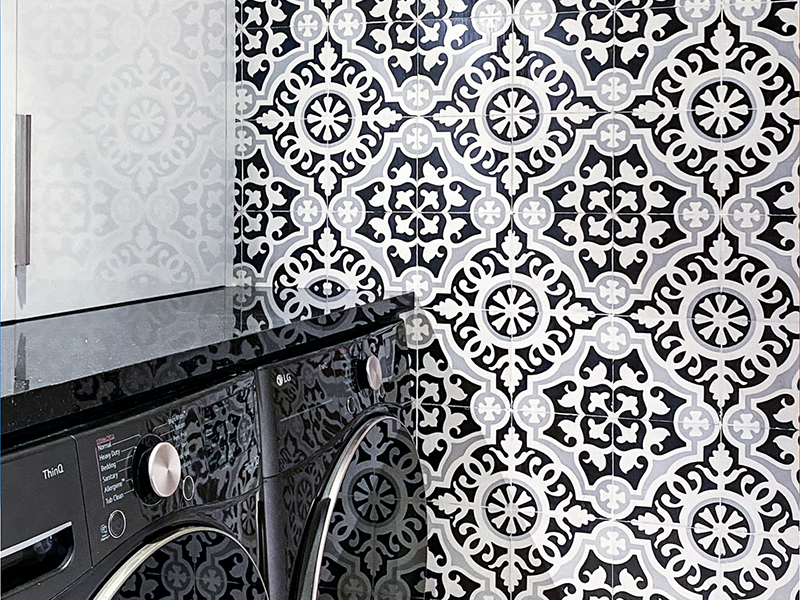
Here’s a simple way to think about it. Picture a carrot. Its orange color goes all the way through, from the outside skin to the very core. That’s an encaustic tile—the pattern is an inseparable part of its structure.
Now, think of a radish. All its vibrant red is concentrated in that paper-thin outer layer. This is how most standard glazed tiles work. If that top layer wears down or gets chipped, you see the plain, colorless tile body underneath. The design is gone.
The Modern Distinction: Cement vs. Ceramic
Today, the word “encaustic” is a bit of a catch-all. It’s used to describe two very different types of tile that both achieve that signature through-body pattern. For any designer, architect, or homeowner, knowing the difference is key to getting the look and performance you expect.
- Traditional Ceramic Encaustic: These are the OG encaustic tiles, made by inlaying different colors of clay together and firing them in a kiln. The intense heat vitrifies the clay, making the tile incredibly hard and non-porous.
- Modern Cement ‘Encaustic-Style’: This is what you see in most of today’s stunning, patterned installations. These are our specialty—handmade cement tiles. We create them by pouring a mix of cement, marble dust, and mineral pigments into a mold, then compressing it under extreme pressure. They’re cured with water, not fired, which results in a beautiful, velvety matte finish that is naturally porous.
To make things clearer, let’s break down the key differences.
Encaustic vs. Encaustic-Style Tiles At a Glance
| Characteristic | Traditional Ceramic Encaustic | Modern Cement ‘Encaustic-Style’ |
|---|---|---|
| Material | Clay | Cement, marble dust, pigments |
| Manufacturing | Kiln-fired | Hydraulically pressed & water-cured |
| Surface Finish | Slightly glossy, non-porous | Matte, porous (requires sealing) |
| Color Quality | Bright, vibrant | Rich, deep, saturated |
| Feel | Hard, glassy | Soft, velvety, natural |
| Common Use | Historic restorations, high-traffic | Residential floors, walls, backsplashes |
This table shows why both tile types have their place. While traditional ceramic encaustic is a historic marvel, the handmade cement tiles that carry the “encaustic-style” name offer a unique warmth, color depth, and tactile quality that designers and homeowners love.
The real magic of both tile types is their exceptional durability and the beautiful way they age. As the surface wears down over decades of use, the pattern remains perfectly intact. It often develops a soft, rich patina that only adds to its character.
This inherent longevity is why you find these tiles in grand historic buildings and why they’re so sought-after for modern spaces that need both soul and resilience. From a bustling kitchen floor to a show-stopping bathroom wall, the encaustic look delivers.
A Journey Through the Rich History of Encaustic Tiles
If you think encaustic tiles are a modern invention, think again. Their story begins not in a design studio but in the grand medieval cathedrals of Europe, with some of the earliest examples dating all the way back to the 13th century. For hundreds of years, these intricate, inlaid tiles were a mark of incredible artistry and permanence.
But the real explosion in popularity happened much later. The Industrial Revolution kicked off a massive revival of Gothic and classical styles, and with it came a new hunger for decorative arts. It was during the 19th-century Victorian era that encaustic tiles went from a niche craft to a global design phenomenon.
The Victorian Boom and an English Legacy
English manufacturers were at the heart of this movement. They perfected new production methods and set the international gold standard for quality. Names like Minton, Hollins and Company became synonymous with the opulent architecture of the time. Their tiles weren’t just for English estates; they were shipped all over the world, becoming an instant symbol of prestige.
You can still see this legacy today in a pretty unexpected place: the U.S. Capitol in Washington, D.C. The original, stunningly complex encaustic floors installed there were made by Minton, Hollins and Company in Stoke-upon-Trent, England, around the mid-1800s. These tiles featured bold geometric patterns made by pressing powdered mineral colors into a cement body with hydraulic presses—a method that made them tough enough for even the most demanding spaces. You can find more details about this market’s history and its projected growth.
These historic tiles are so well-made that many have survived over 150 years of constant foot traffic. They’ve held up to lawmakers, presidents, and millions of visitors, which is a powerful testament to the enduring quality of the original method.
From Historic Restoration to Modern Revival
The appeal of these tiles never really went away. Architects and designers working on historic restorations often go to great lengths to either restore original floors or replicate them perfectly, preserving the authentic soul of landmark buildings.
But the story doesn’t stop there. That same timeless appeal has sparked a huge modern revival. Today, designers and homeowners are choosing encaustic-style tiles for the very same reasons the Victorians did:
- Unmatched Durability: Because the pattern is part of the tile’s body, not just printed on top, the design will never fade or wear off.
- Authentic Character: Every handmade tile has subtle variations that give a space genuine warmth and personality.
- Timeless Aesthetics: The patterns—whether you go for geometric, floral, or something in between—manage to feel both classic and totally contemporary.
This rich history is baked into every single tile. When you choose an encaustic-style floor, you’re not just picking a surface. You’re connecting with a centuries-old tradition of artistry, durability, and beautiful design that continues to inspire spaces all over the world.
The Art of Making Encaustic-Style Cement Tiles
While the name “encaustic” gives these tiles a historical nod, the way modern encaustic-style cement tiles are made is a whole different art form. This isn’t some high-speed, robotic factory line. It’s a patient, hands-on craft where every single tile gets its own unique character, blending old-world techniques with fresh, contemporary designs.
The journey from a pile of raw materials to a finished tile is all about craftsmanship. Unlike ceramic tiles that are blasted in a kiln, these tiles come to life through immense pressure and patience, which gives them a feeling of organic, substantial weight. It all starts with a few simple, natural ingredients.
The Handmade Process, Step by Step
The process begins when an artisan mixes the color layer. This isn’t just a glaze painted on the surface; it’s the very soul of the tile’s design. The recipe is simple but precise:
- A base of White Cement gives the colors a clean, bright canvas to pop against.
- Fine Marble Dust adds incredible strength and a subtle, velvety texture you can feel.
- Natural Mineral Pigments are what create those deep, saturated colors that surface glazes just can’t replicate.
This liquid color mix is then poured by hand—with incredible precision—into a custom metal mold, known as a molde. Each segment of the pattern is filled with its designated color, one at a time. It’s a task that takes a rock-steady hand and an artist’s intuition. This first layer, only a few millimeters thick, is what you’ll see and walk on for the life of the tile.
Because the pattern is literally poured into the body of the tile, the design runs deep. This means that even after decades of foot traffic, the intricate pattern will never wear away or fade.
Once the design layer is set, the artisan builds the tile’s core. Two more layers of a sand and cement mixture are added—first, a fine, dry layer to pull excess moisture from the color, followed by a coarser, chunkier layer that gives the tile its structural backbone.
From Pressure to Patina
With all the layers in place, the mold is slid into a hydraulic press. Here, a staggering amount of pressure—often over 1,700 PSI—is applied, fusing the separate layers into one incredibly dense, solid tile. This powerful compression is what creates the tile’s strength without ever needing a kiln, making it a sustainable, low-energy manufacturing method.
After being pressed, the tiles are gently freed from their molds and submerged in water baths to cure. This hydration process is what strengthens the cement over several weeks, locking in the pigments and solidifying the entire structure. Finally, they’re left to air-dry, completing a journey that’s equal parts art and engineering.
To see how this heritage craft comes to life, you can explore the history and process behind our Original Mission Tile collection.
Choosing Between Ceramic and Cement Encaustic Tiles
When you’re looking at patterned tile, you’ll find the term “encaustic” attached to two very different materials: traditional, kiln-fired ceramic and the modern, hydraulically pressed cement tiles we specialize in. While they share a name and a bold aesthetic, they couldn’t be more different in how they’re made, how they feel, and how they live in a space.
Think of it this way: a true ceramic encaustic tile is like a porcelain plate. It’s fired in a kiln until it becomes vitrified—hard, glassy, and non-porous. A cement tile, on the other hand, is more like an unglazed terracotta pot. It’s cured with air and water, leaving it with a natural, porous character that feels more organic and requires a bit more care.
This visual shows the hands-on process for making our cement tiles. We pour pigmented cement into a mold, press the layers together with immense hydraulic pressure, and then let them cure naturally over time.

This method skips the kiln entirely. The result is a tile with an unmistakable matte finish and incredibly deep color, all while using less energy than ceramic production.
Material Makeup And Surface Finish
The biggest difference comes down to what each tile is actually made of.
True ceramic encaustic tiles are crafted from different colors of clay. These are fired at incredibly high temperatures, which vitrifies the tile and creates a tough, non-porous surface that naturally shrugs off water and stains.
In contrast, the cement tiles you see today are made from a mix of Portland cement, fine marble dust, sand, and natural mineral pigments. Because they are cured with just water and air instead of fire, their surface remains porous. This is what gives them that distinct, velvety matte texture that feels so good underfoot, but it also means they must be sealed to protect against moisture and staining.
Aesthetic And Durability Differences
Both tile types are exceptionally durable because their patterns are part of the tile body, not just printed on top. But the way they look and wear over time is where they really part ways.
- Color Vibrancy: Ceramic tiles often have brighter, sharper colors, a result of the glazing and firing process. Cement tiles, on the other hand, offer deep, saturated, and slightly muted earth tones that come directly from the raw mineral pigments.
- Pattern Sharpness: The high-pressure press used for cement tiles allows for incredibly crisp, clean lines and intricate patterns. Kiln-firing clay can sometimes cause the edges of a design to soften or blur ever so slightly.
- Aging and Patina: This is where cement tiles truly shine. Over years of use, they develop a beautiful, subtle patina—a soft, lived-in character that enhances their warmth and charm. Ceramic tiles, being harder and non-porous, tend to look the same for decades without ever developing this aged look.
For many designers and homeowners, the unique patina that cement tiles develop is a feature, not a flaw. It tells the story of the life lived on its surface, creating a warmth that mass-produced materials simply can’t replicate.
To help clarify the choice, here is a simple breakdown of the core differences:
Comparing Ceramic Encaustic and Cement Tiles
| Feature | Ceramic Encaustic Tile | Cement (Encaustic-Style) Tile |
|---|---|---|
| Manufacturing | Clay is fired in a kiln at high temperatures. | Pigmented cement is hydraulically pressed and air-cured. |
| Surface Finish | Vitrified, often glossy or satin, and non-porous. | Velvety matte finish, naturally porous. |
| Durability | Extremely hard, resistant to scratches and stains. | Very durable, but can be scratched or etched by acids. |
| Sealing | Generally not required. | Essential. Must be sealed before and after grouting. |
| Color Palette | Can achieve very bright, vibrant colors. | Deep, saturated, earthy, and slightly muted tones. |
| Wear & Aging | Surface remains consistent over time. | Develops a rich, beautiful patina with age and use. |
| Feel Underfoot | Cool and hard. | Softer, almost velvety feel. |
| Best Uses | High-moisture areas like showers; commercial floors. | Residential floors, kitchen backsplashes, feature walls. |
Ultimately, choosing the right tile comes down to your project’s specific needs and the look you want to achieve. A high-moisture area like a shower wall might benefit from the non-porous nature of ceramic. But for a kitchen backsplash where you want rich color and a handmade feel, cement is an excellent choice. To dive deeper into material suitability, check out this guide on the best tile for a kitchen backsplash.
And if you’re exploring other decorative flooring, designing with terrazzo tiles can offer more ideas, as terrazzo often shares a similar cement-based composition and handmade character. In the end, the choice between ceramic and cement is all about balancing maintenance with the aesthetic you truly love.
Modern Design Ideas with Encaustic Tiles
The real magic of encaustic-style cement tiles is how they turn a functional surface into a genuine piece of art. They’re chameleons, really. You can use them to anchor an entire room or just to add a small, personal touch. They work everywhere—kitchens, bathrooms, laundry rooms, and even outdoor patios.
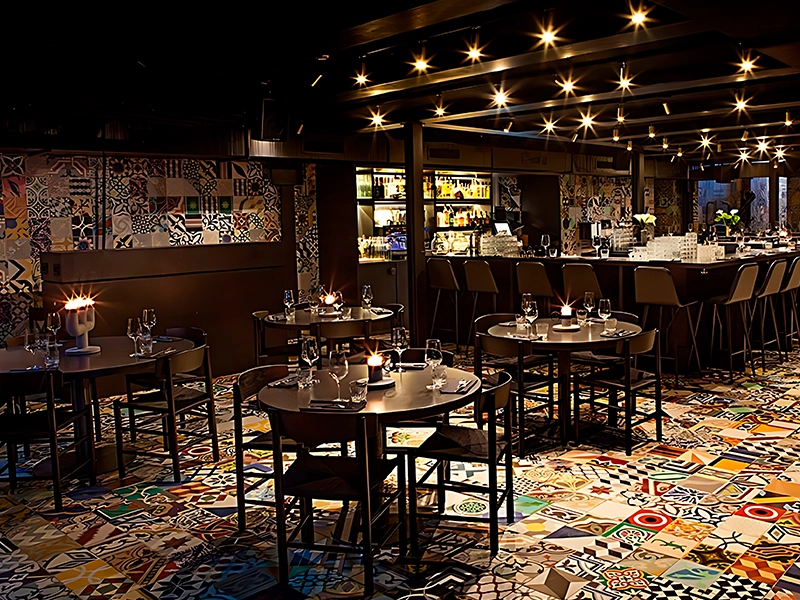
From bold, graphic floors to quiet, textured walls, their range is incredible. The trick is simply understanding how to balance pattern, shape, and color to set the right mood.
Creating a Statement Floor
A patterned encaustic tile floor is one of the fastest ways to give a room a soul. Think of a kitchen with simple, neutral cabinets or a minimalist bathroom—a vibrant geometric or floral tile floor becomes the stunning focal point that grounds the whole design.
The key to keeping it from feeling overwhelming is a simple designer rule: one pattern is the star. If your floor is the hero, let other surfaces like countertops and backsplashes be the supporting cast. Stick to solid, complementary colors for those areas. It creates a balanced look that feels intentional, not chaotic.
Designing with Different Shapes and Patterns
While the classic 8×8 square is iconic, today’s encaustic-style tiles come in all sorts of shapes that unlock new design avenues. Each one brings a completely different energy to a space.
- Hexagons: These create a playful, honeycomb pattern that feels both modern and a little bit retro. They’re perfect for bathroom floors or kitchen backsplashes where you want some movement.
- Arabesques: With their curving, ornate lines, arabesque tiles add a touch of Moroccan elegance. They bring a soft sophistication that works beautifully on feature walls or in entryways.
- Squares and Rectangles: You can’t go wrong with the classics. Lay them in traditional grids for a clean look, or get creative with dynamic patterns like herringbone or checkerboard to make them your own.
This trend isn’t just about looks; it’s also tied to a growing demand for sustainable materials. The cement encaustic tile market was valued at USD 1.2 billion in 2024 and is on track to hit USD 2.5 billion by 2034, growing at a healthy 7.5% CAGR. A big reason for this is their eco-friendly production—they use natural materials and aren’t kiln-fired, which aligns perfectly with modern green building practices. You can explore more data on this expanding market trend.
Beyond the Floor: Eye-Catching Walls and Accents
Don’t just look down—these tiles are incredible on vertical surfaces. They make for breathtaking feature walls, unforgettable kitchen backsplashes, and even stunning fireplace surrounds. Imagine a patterned tile wall behind a freestanding tub; it instantly elevates a simple bathroom into a spa-like retreat.
Design Tip: A great way to use a bold pattern without it taking over is to frame it. Use a solid-color tile to create a border around a patterned area. On a floor, this creates a “rug” effect. On a wall, it looks like a contained piece of art. It’s a pro move that adds definition and helps integrate a strong pattern into the room seamlessly.
How to Install and Care for Your Tiles
One of the best things about handmade cement tiles is that they get better with age. Over time, they develop a rich, lived-in patina that tells a story. But getting to that beautiful future means giving them the right start with proper installation and care.
Unlike mass-produced ceramic or porcelain, these tiles are porous. Think of an unsealed cement tile like a terracotta pot—it naturally wants to absorb moisture. Sealing is the crucial step that creates an invisible shield, protecting the tile’s gorgeous matte surface from spills and stains. It’s absolutely non-negotiable.
The Sealing and Installation Process
Getting the installation right is a multi-step dance, and patience is your best friend. Rushing this stage is the number one cause of issues down the road, so make sure your installer understands the unique needs of handmade cement tile.
Here’s a quick look at the essential steps:
- Pre-Sealing (Before Grout): This is the most important step. Before the tiles are even set, a high-quality penetrating sealer needs to be applied. We recommend several coats, waiting until the tile simply stops drinking it in. This prevents the wet grout from bleeding into the tile and causing stains during installation.
- Grouting: Stick with a grout color that complements your tile, and try to avoid super-dark or heavily pigmented grouts that have a higher risk of staining. As your installer works, they should be cleaning any excess grout off the tile surface immediately with a damp sponge.
- Final Sealing (After Grout): Once the grout has had time to cure (usually 24-48 hours), it’s time for the final touch. Apply one or two more coats of sealer over the entire surface, covering both the tiles and the grout lines. This locks everything in and provides that final layer of robust protection.
This isn’t a one-and-done deal. To keep that protective barrier strong, you’ll want to reseal your tiles every 1-2 years. High-traffic areas like kitchens and entryways or wet zones like bathrooms might need it more frequently. It’s a simple job that keeps them looking fantastic.
Everyday Cleaning and Maintenance
When it comes to daily care, the golden rule is to be gentle. Harsh, acidic cleaners—think vinegar, lemon juice, or bleach-based products—are the enemy. They can actually eat away at the sealer and etch the surface of the tile itself.
Instead, all you need is a pH-neutral cleaner designed for natural stone or cement tile. Simple soap and water often does the trick, too. For a complete rundown on the best products and techniques, our guide on cleaning cement tiles has all the practical advice you need.
With the right care, your handmade tiles won’t just last a lifetime—they’ll become a beautiful, evolving part of your home’s story.
Common Questions About Encaustic Tiles
As you get closer to bringing these tiles into your home, a few practical questions always pop up. Getting clear on the answers helps you plan with confidence and ensures your project is a success from day one. Let’s walk through the most common ones.
Are Cement Encaustic Tiles Durable Enough for a Busy Kitchen Floor?
Absolutely. Handmade cement tiles are famous for their toughness, making them a fantastic choice for high-traffic spots like kitchens and entryways. Their real strength comes from their through-body construction. The pattern isn’t just printed on top; it’s a core part of the tile itself, so it will never wear away from foot traffic.
Over the years, they’ll develop a subtle, beautiful patina that adds to their unique character. The key to their long life is proper sealing during installation. This protects the naturally porous surface from spills and stains, ensuring they look great for generations.
Can You Use Cement Tiles in a Bathroom or Shower?
Yes, cement tiles are a beautiful choice for bathrooms, both on floors and walls.
“For wet areas like shower walls or floors, it is crucial that they are sealed thoroughly with a high-quality penetrating sealer to prevent water absorption and staining.”
It’s also essential to work with an installer who understands how to prep and waterproof wet environments correctly. Following the right installation steps is just as important as the tile itself for a lasting, gorgeous result.
How Are Custom Encaustic Tile Designs Created?
This is where the real fun begins. Creating a custom cement tile is a collaboration between your vision and our artisans. The process starts when you choose a pattern from our huge library of handcrafted metal molds. From there, you get to play with a rich palette of natural mineral pigments to create a colorway that’s completely your own.
Our artisans then get to work, carefully hand-crafting each tile to your exact specs. This hands-on process allows you to design a surface that’s perfectly tailored to your project, turning an ordinary floor or wall into a personal work of art.
Ready to bring your unique vision to life? Explore in-stock patterns or create a completely custom design with Original Mission Tile. Start designing your perfect tile today.