For most landlords, the conversation about the best flooring for rental properties almost always lands on Luxury Vinyl Plank (LVP). There’s a good reason for that: its blend of durability, 100% waterproof performance, and fair cost is tough to beat. It gives you the high-end look tenants want with the bulletproof, low-maintenance surface investors need to protect their ROI.
Why Smart Flooring Choices Matter for Landlords in 2026

Choosing the right flooring isn’t just a design decision; it’s a business one that hits your bottom line directly. In the crowded 2026 rental market, your floors are one of the first things a potential tenant sees—and they can either become a constant maintenance headache or a powerful asset that helps you attract and keep great renters.
The real challenge is finding that sweet spot: a material that can take a beating, looks great in listing photos, and doesn’t drain your budget with replacement costs every few years. A good floor shortens vacancy periods, supports higher rent, and minimizes the expensive work of turning a unit over.
Key Evaluation Criteria for Landlords
To make a smart long-term investment, you have to think like a landlord, not a homeowner. That means evaluating your options based on a specific set of criteria that prioritizes durability and return.
- Durability and Longevity: Can it handle dragged furniture, pet claws, and the general wear-and-tear of multiple tenant cycles?
- Water Resistance: How does it hold up to a tipped mop bucket, a bathroom leak, or kitchen spills? Water damage is a profit killer, and solid water resistance can be the difference between a simple cleanup and expensive storm and flood damage restoration.
- Cost vs. ROI: Forget just the price per square foot. What’s the total lifetime cost when you factor in installation, maintenance, and how soon you’ll have to replace it?
- Tenant Appeal: Does the floor look clean, modern, and inviting? A dated or worn floor can make your entire property look neglected.
The classic landlord dilemma is balancing the upfront cost against the long-term pain of repairs and replacement. A cheap floor that you have to replace after every single tenant is no bargain.
Comparing the Main Contenders
This guide breaks down the most common flooring options landlords grapple with. Each has a unique profile, and the “right” choice often depends on the specific unit, tenant base, and your budget.
| Flooring Contender | Primary Landlord Benefit | Ideal Use Case |
|---|---|---|
| Luxury Vinyl (LVP/LVT) | Supreme durability and waterproof performance. | High-traffic areas, kitchens, bathrooms, basements. |
| Laminate | Budget-friendly wood look with good scratch resistance. | Living areas and bedrooms in budget-conscious units. |
| Tile (Ceramic/Porcelain) | Unmatched durability and water immunity. | Bathrooms, kitchens, and high-end or warm-climate rentals. |
| Carpet | Low initial cost and sound absorption. | Bedrooms where comfort is a priority (with caution). |
An Overview of Top Rental Flooring Options

Before we get into the nitty-gritty of every scratch, spill, and dollar, it helps to have a clear, high-level view of the main contenders. Picking the right floor for a rental starts with understanding the real-world strengths and weaknesses of each material—from a landlord’s perspective.
Think of this as your quick-start guide to the four most common options you’ll come across. It’ll help you immediately filter out what won’t work and zero in on what will, based on your property, tenant profile, and budget.
Luxury Vinyl Plank (LVP)
Luxury vinyl plank, or LVP, has become the jack-of-all-trades in the rental world for good reason. It’s a synthetic material engineered to mimic the look of real hardwood or stone, but with performance that’s much better suited to the unpredictable nature of rental life.
Its biggest selling point? It’s 100% waterproof. That makes it a go-to for kitchens, bathrooms, and basements where moisture is a constant threat. For a landlord, that means fewer emergency calls and catastrophic repair bills from minor leaks or spills. Plus, its tough wear layer holds up surprisingly well against heavy foot traffic and scratches from pets or furniture.
Laminate Flooring
Laminate is often seen as LVP’s budget-conscious cousin. It offers a similar wood-look aesthetic for a lower upfront cost, but its construction is fundamentally different. Laminate is built on a fiberboard core, which is its Achilles’ heel—it’s extremely susceptible to water damage. Even small amounts of moisture can cause it to swell, bubble, or peel apart.
That said, its tough, laminated top layer provides excellent scratch resistance, sometimes even outperforming vinyl. It’s best used in dry areas like living rooms and bedrooms where you need an affordable, modern-looking surface and the risk of spills is low.
The core dilemma for every landlord is weighing the immediate savings of a low-cost floor against the long-term expenses of frequent repairs and early replacement. A cheap floor that fails after one or two tenant cycles is a poor investment.
Ceramic and Porcelain Tile
When absolute, bulletproof durability is what you need, tile is the answer. Fired at incredibly high temperatures, ceramic and porcelain tiles are waterproof, nearly impossible to scratch or dent, and can handle just about anything a tenant throws at them. They are the ultimate long-term play.
The tradeoff is a higher upfront cost, both for the material itself and for the more labor-intensive installation. But while it might feel expensive at first, a properly installed tile floor can easily last for decades, often outliving your ownership of the property. For landlords, its true value is its “set it and forget it” nature.
Carpet
Carpet still has its place, especially in bedrooms, thanks to its low initial cost, warmth, and sound-dampening qualities. Many tenants simply appreciate the comfort it provides underfoot.
For a landlord, however, carpet is a high-turnover item. It stains easily, traps odors, and shows wear patterns in high-traffic areas, often demanding replacement between every tenant to keep the unit looking fresh and rentable. It’s best used strategically in low-traffic spaces where comfort is a priority, not as a whole-house solution.
Detailed Comparison of Popular Rental Flooring
Okay, let’s get into the details. A smart flooring choice for your rental property is a business decision, plain and simple. For most landlords, the debate boils down to three hard-surface workhorses: Luxury Vinyl Plank (LVP), laminate, and tile.
Each has its place, but knowing the real-world differences is what separates a smart investment from a future headache. We’re going to look at how these materials actually perform under the stress of tenants, spills, and turnovers.
Durability and Water Resistance Showdown
In a rental, water is your number one enemy. A small leak can destroy a floor and your budget, making water resistance a non-negotiable factor. Durability isn’t far behind—it has to stand up to pets, furniture, and general tenant life.
Luxury Vinyl Plank (LVP) is the clear winner when it comes to water. It’s made from a vinyl or stone-polymer composite core, which means it’s 100% waterproof. A dishwasher flood or a bathroom overflow that would kill other floors is just a mop-up job for LVP. Its top wear layer also gives it solid protection from scratches and scuffs.
Laminate flooring’s biggest weakness is its core, which is basically wood composite (high-density fiberboard). When that core gets wet, it swells up like a sponge and never goes back. The damage is permanent. While many products are sold as “water-resistant,” that protection only covers topical spills for a short time. A real leak is almost always fatal for laminate.
While laminate often presents the lowest initial cost, its poor performance with moisture can lead to complete replacement, making waterproof LVP a smarter long-term investment for kitchens, bathrooms, and basements.
Tile (Ceramic or Porcelain) is completely immune to water damage. You could leave a puddle on it for a week and the tile itself wouldn’t care. Its weak point can be the grout lines, which need to be sealed to prevent staining and grime buildup. On the plus side, tile is incredibly hard—it’s almost impossible to scratch or dent, making it nearly tenant-proof.
Upfront Cost vs Lifetime Value
The sticker price is just the beginning. A savvy landlord thinks in terms of total cost of ownership over a 10– or 15-year period. That includes the material, the installation, and any repairs or replacements down the line. A cheap floor you have to replace every five years is a money pit.
Durability is king for rental properties. Market data shows laminate has been popular due to its low price, but as prices stabilized in 2023 and even dipped slightly in 2024, landlords are looking closer at value. Principia reports a projected CAGR of over 6% for laminate through 2026, but smart investors weigh that against longevity.
Here’s how the costs really break down over time:
- Laminate: It’s often the cheapest to buy, which is tempting for tight budgets. But its water vulnerability means one bad leak can erase all those initial savings, forcing a full replacement. Expect a realistic lifespan of 5-8 years in a rental unit.
- LVP: This is the sweet spot for many. It costs a bit more than laminate but less than tile. Because it’s so durable and waterproof, you’re far less likely to face a premature replacement. A good LVP floor can easily last 10-15 years.
- Tile: Tile has the highest upfront cost, especially when you factor in professional installation. But its incredible durability means it can last 20+ years—you might install it once and never touch it again. This gives it fantastic lifetime value if you can handle the initial investment.
For a deeper dive into the numbers and product options, this guide on the best flooring for rental properties is a great resource.
Installation and Repair Complexity
Time is money during a turnover. The faster and cheaper you can get a floor installed or repaired, the sooner you can get a new tenant paying rent.
Comparative Analysis of Installation
| Flooring Type | Installation Method | DIY Friendliness | Key Considerations |
|---|---|---|---|
| Laminate | Typically a “floating” floor with a click-lock system. | High. Very DIY-friendly for landlords with basic skills. | Requires an underlayment for sound and moisture barrier. Subfloor must be flat. |
| LVP | Also uses a click-lock floating system. Some types are glue-down. | High. The click-lock versions are as easy as laminate. | No underlayment is typically needed. Can often be installed over existing hard surfaces. |
| Tile | Mortar, grout, and specialized tools (wet saw). | Low. Best left to professionals for a lasting result. | A messy, multi-day process that requires curing time. The subfloor needs to be rigid. |
The simple click-lock installation for LVP and laminate is a huge plus. It keeps labor costs down and speeds up unit turns. Even better, replacing a single damaged plank is a manageable DIY job, which can save you from replacing the entire floor.
Repairing a cracked tile is another story. You have to carefully chip out the broken tile and old grout, set a new tile, and then re-grout it. It’s a much more involved and messy process that requires a bit more skill and patience. If you’re considering tile, weighing different types is crucial; our detailed comparison of cement tile vs porcelain can help you understand the nuances.
So, what’s the verdict? For high-end rentals or any area prone to moisture (kitchens, baths, basements), tile’s “set-it-and-forget-it” durability is unmatched if you have the budget. For most rental situations, LVP hits the perfect balance of cost, durability, and aesthetics. Laminate still has a place in dry, low-traffic areas of budget units where upfront cost is the absolute top priority.
Matching the Floor to the Property: Real-World Scenarios
Knowing the technical specs of flooring is one thing, but making a profitable decision comes down to applying that knowledge in the real world. There’s no single best flooring for a rental property—the right choice is always a strategic calculation based on your specific unit, the tenants you want to attract, and your long-term investment goals.
So, let’s move past the theory. Here’s how we break down common rental situations and pick the flooring that delivers the best mix of durability, cost, and tenant appeal.
The High-Turnover Apartment Building
In a standard apartment building where tenants might stay for just one or two years, your priorities are simple: durability, speed of turnover, and cost-effectiveness. You need a floor that can handle the inevitable scuffs from moving furniture, hide minor wear, and be cleaned or repaired in a flash between tenants.
This is where Luxury Vinyl Plank (LVP) is the undisputed workhorse. It’s tough, waterproof, and relatively cheap to install. When a tenant moves out, it cleans up beautifully. If a plank gets gouged, you can just pop it out and replace it without touching the rest of the floor. That click-lock installation is fast, which is critical for minimizing vacancy days.
LVP’s rise isn’t a fluke; it’s a direct response to the demands of the modern rental market. According to Angi’s State of Home Spending report, 14% of homeowners installed new flooring in 2024, with many landlords choosing resilient options like LVP. For more insight, you can learn more about these popular flooring trends and how they are shaping property management decisions.
The Single-Family Home with a Yard
A single-family rental tends to attract longer-term tenants, often families with kids and pets. This means your floors are up against much more than just foot traffic—think muddy boots, tracked-in rainwater, and the constant threat of scratches. Your flooring has to be exceptionally resilient.
Porcelain tile is an outstanding long-term investment for these homes, especially in high-traffic zones like entryways, kitchens, bathrooms, and basements. It’s practically indestructible, totally waterproof, and incredibly simple for tenants to keep clean. The upfront cost is higher, no doubt, but a well-laid tile floor can easily last 20+ years. You may never have to replace it.
For living areas and bedrooms, a high-quality LVP with a thick wear layer (20 mil or more) strikes a great balance between durability and a warmer, more comfortable feel underfoot.
The Luxury Urban Condo
When you’re catering to a high-end market, the game changes. Tenants expect premium finishes, style, and a sense of polish. Standard, rental-grade materials just won’t cut it if you want to command top-dollar rent and attract discerning professionals.
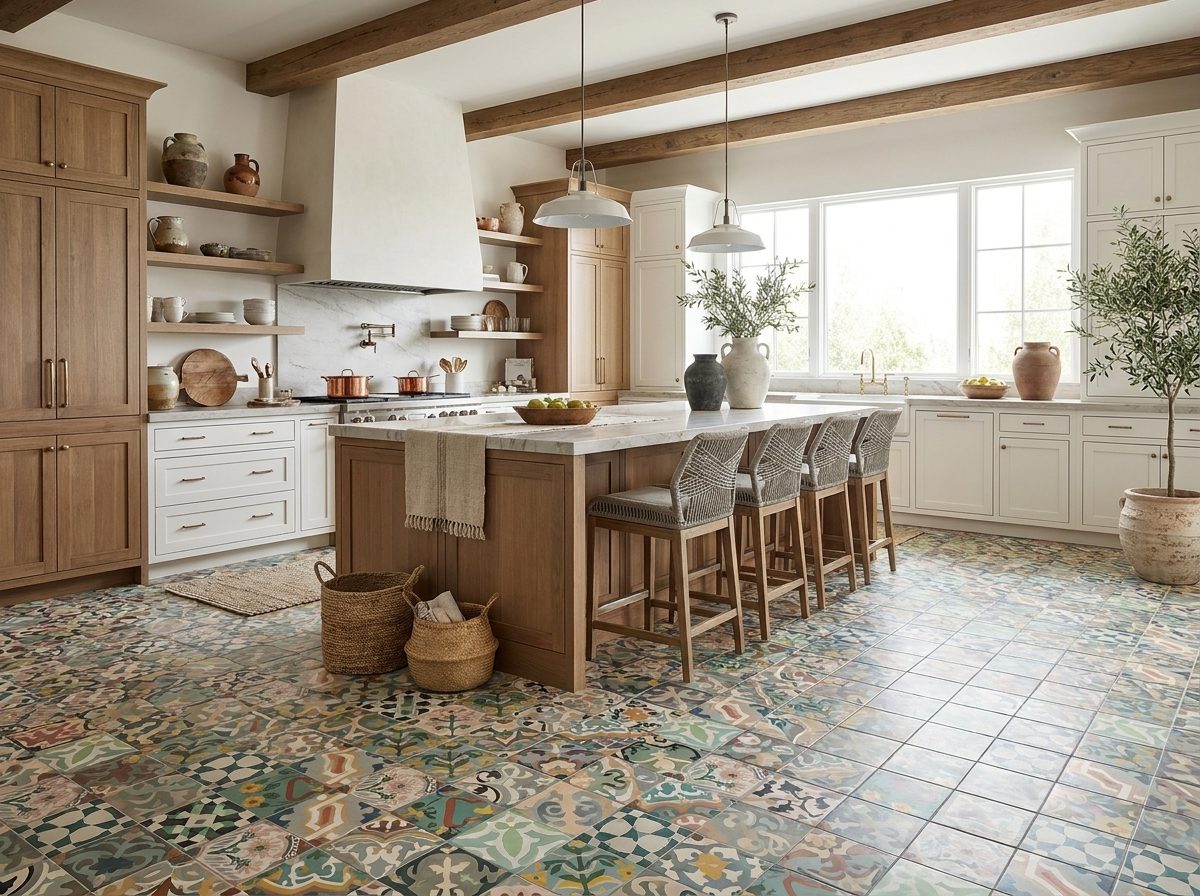
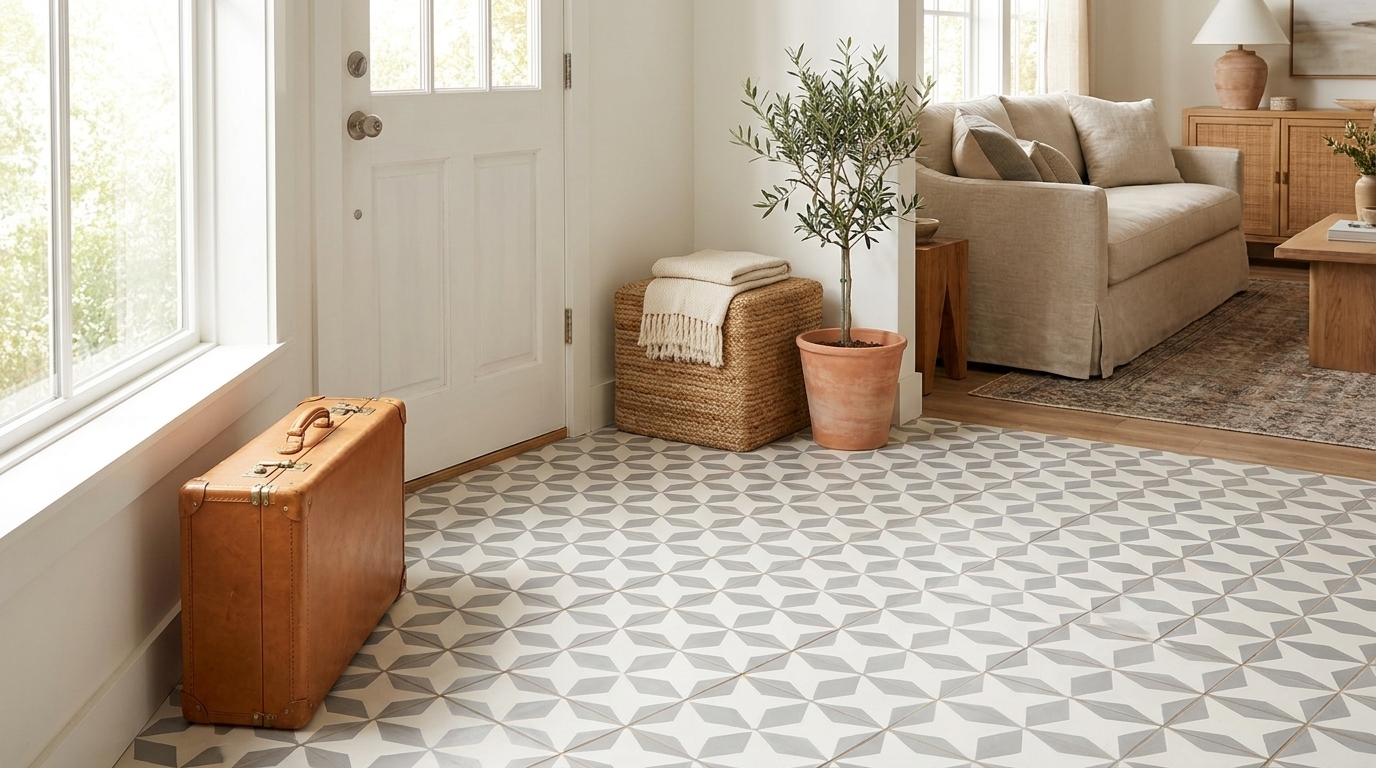
This is the perfect scenario to let your flooring make a statement. Consider installing handmade cement tile in the entryway, kitchen, or powder room. The unique patterns and rich, matte finish create an immediate “wow” factor that separates your unit from a sea of generic condos. Because the color goes all the way through the tile, scratches are far less visible than on a printed surface, making it surprisingly durable for a luxury finish.
For luxury units, the goal isn’t just to provide a floor; it’s to create an experience. A unique floor like cement tile can be the single design element that justifies a higher rent and reduces your vacancy rate.
This visual guide shows a simple decision path for common rental property types.
As the flowchart suggests, LVP is often the default for multi-family units due to its versatility, while durable tile is a strong contender for single-family homes that see more wear and tear.
The Pet-Friendly Unit
With roughly 72% of renters owning pets, allowing them in your property dramatically expands your pool of potential applicants. But this strategy requires a floor that can handle the “three Ps”: paws (scratches), piddles (accidents), and playtime (scuffs and scrapes).
Both porcelain tile and LVP are excellent choices here. Tile is completely impervious to scratches and moisture—it’s bulletproof. LVP is also waterproof and offers fantastic scratch resistance, especially models with a robust wear layer.
Steer clear of laminate and hardwood. Even a small pet accident that isn’t cleaned up immediately can cause permanent water damage and swelling, and their surfaces tend to scratch much more easily than LVP or tile.
Using Cement Tile for a Competitive Advantage

Let’s be honest: LVP and basic porcelain are the workhorses of the rental world. They’re safe, practical choices. But some properties—and some markets—demand more.
When you’re managing luxury condos, high-end single-family homes, or boutique short-term stays, the goal isn’t just to be durable. It’s to be distinct. This is where handmade cement tile stops being just a floor and becomes a strategic asset.
A bold, graphic cement tile in an entryway or bathroom creates an unforgettable first impression. It’s a “wow” moment that commodity flooring can’t replicate, instantly boosting the perceived value of your unit and justifying a higher rent. In a sea of gray vinyl, character wins.
Moving Beyond Printed Surfaces
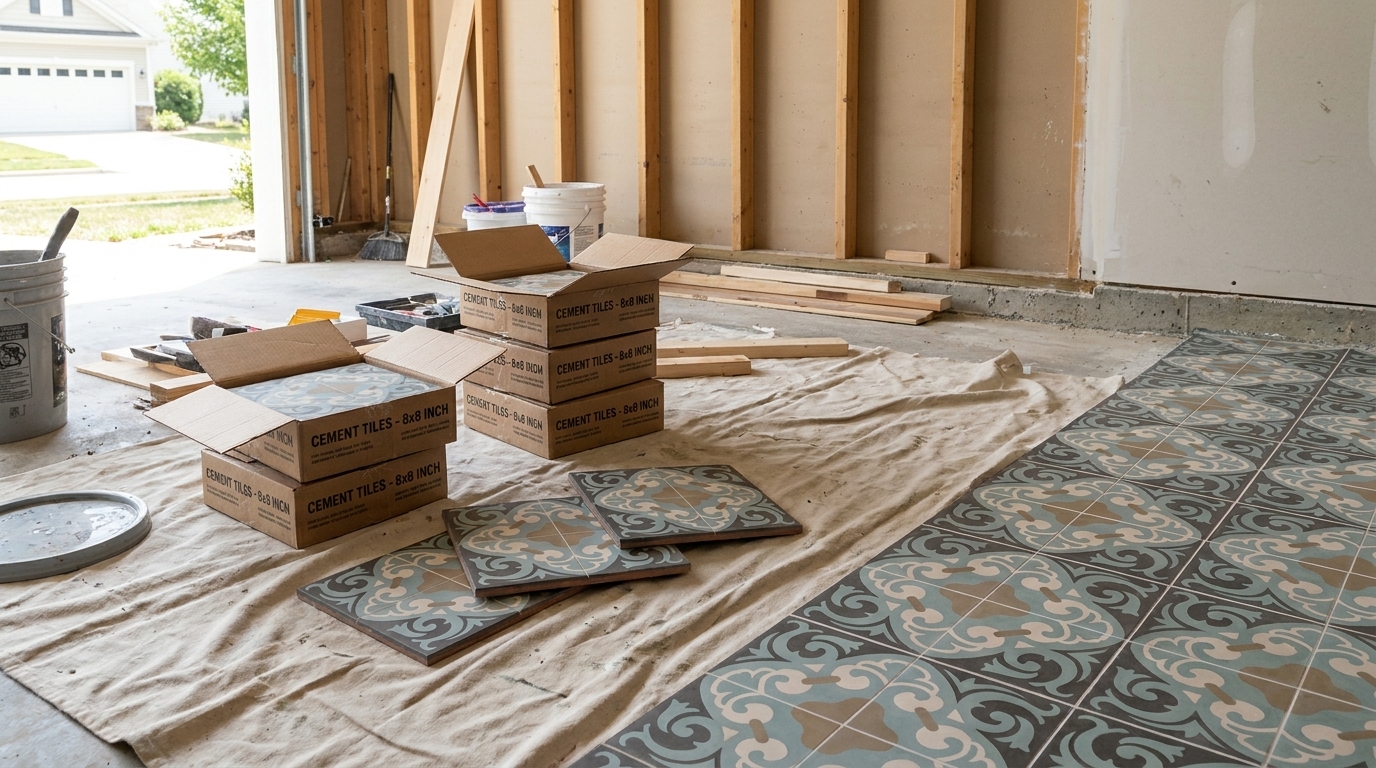
Here’s what sets handmade cement tile apart from LVP or printed ceramic: through-body color. The pattern isn’t a thin layer printed on the surface. It’s an integral part of the tile, made by pouring pigmented cement into a mold, creating a color layer that can be up to 1/8-inch thick.
This gives it a surprising durability advantage. If a heavy suitcase scuffs the floor or a chair leg leaves a scratch, you see more of the same color underneath. You don’t get that jarring reveal of a different-colored core material like you would with a printed plank. This makes it a smart pick for high-traffic areas where you refuse to sacrifice beauty for brawn.
Cement tile isn’t just an expense; it’s an investment in your property’s brand. It tells a story of quality and unique character that helps reduce vacancy days by making your rental memorable.
Calculating the Return on Aesthetic
Yes, the initial investment for handmade cement tile is higher than for mass-produced floors. But the ROI isn’t just measured in years of service life—it’s measured in market performance.
- Higher Rental Premiums: A unique, Instagram-worthy interior can justify a significant rent increase, often letting you recoup the initial cost much faster than you’d think.
- Lower Vacancy Rates: A property that stands out gets leased faster. Tenants connect with character, and a striking floor is a powerful hook.
- Attracting Better Tenants: When you invest in high-end finishes, it signals you’re a quality landlord. This attracts tenants who value and respect the property, leading to fewer headaches down the road.
Choosing cement tile is about positioning your property at the top of the food chain. It’s for the landlord who understands that in certain rental brackets, aesthetics and durability aren’t competing goals—they are two sides of the same profitable coin.
Your Landlord Checklist for Flooring Success
Making the right choice on flooring is just the beginning. The real test is how that choice holds up over time, tenant after tenant. This final checklist is your on-the-ground guide to making sure your investment pays off for years to come.
Think of it as a final gut check before you spend a dime. With the global flooring market expected to see a 2.2% annual price jump from 2023-2027, every dollar counts. As you’ll see in ConsumerAffairs’ flooring industry report, landlords in today’s softer rental markets are doubling down on low-maintenance, high-value floors that protect their bottom line.
Flooring Selection Checklist
Before you commit, run through these questions. Your honest answers will point you directly to the right material for your specific property.
- Who is your tenant? A family with a golden retriever and two toddlers has a much different impact on floors than a single professional who travels for work. Choose a floor that matches their life, not just your budget.
- What’s the real moisture risk? Be brutally honest about kitchens, bathrooms, and basements. This is where waterproof heroes like LVP, concrete, and tile earn their keep.
- What’s the true lifetime cost? Don’t just look at the price per square foot. Factor in installation, likely repairs, and eventual replacement over a decade. The cheapest floor today is rarely the cheapest in the long run.
- How fast do you need to turn the unit? If a quick turnover is everything, a click-lock LVP that goes down in a day beats a multi-day tile project every time. But if you’re doing it right, remember that a solid foundation prevents future headaches—and that includes knowing the right underlayment for tile floors.
You’re not just buying a floor; you’re solving a business problem. The right flooring cuts your expenses, supports your rent price, and lowers your stress.
Turnover and Maintenance Guide
Keeping your floors looking fresh between tenants is simple if you know the material. Here’s a quick-reference guide for the most common options.
- LVP Floors: To bring back the shine, deep clean with a pH-neutral cleaner on a microfiber mop. Steer clear of “mop and shine” products—they leave a dull, waxy buildup that’s a pain to remove.
- Tile Floors: Do an annual grout check. Scan for any dark spots, stains, or cracks, and reseal the grout in high-traffic zones like entryways and in front of the sink. This is your best defense against water damage and discoloration.
- Laminate Floors: Never, ever use a steam mop or a soaking wet mop. Moisture is the enemy of its fiberboard core. Stick to a lightly damp cloth and a cleaner made specifically for laminate to keep it from swelling.
Frequently Asked Questions About Rental Flooring
As a landlord, every decision you make needs to be a smart investment. Flooring is no exception. Here are the straight-up answers to the most common questions we get from property owners, designed to help you land on a choice that’s both durable and profitable.
What Is the Most Scratch-Resistant Flooring for a Pet-Friendly Rental?
For pure, unbeatable scratch resistance against pet claws, nothing beats porcelain or ceramic tile. Its tough, glazed surface is built to handle serious wear and tear.
Your next-best option is a high-quality Luxury Vinyl Plank (LVP). The key here is the wear layer—don’t settle for less than 20 mil. A thick wear layer gives LVP excellent scratch protection that easily outperforms laminate or engineered hardwood, making it a solid choice for the 72% of renters who have pets.
Is Carpet Ever a Good Idea for a Rental Property?
Carpet can sometimes make sense, but only in very specific situations. Think low-traffic areas like bedrooms, where tenants often like the warmth underfoot and the way it dampens sound. That’s about where the benefits end for a landlord.
Carpet is a magnet for stains and odors from pets, shoes, and cooking. You’ll almost certainly have to replace it after just one or two tenant cycles. What feels like a small upfront saving quickly turns into a much larger long-term cost.
How Do I Calculate the True Lifetime Cost of a Floor?
Smart landlords look past the sticker price. To understand the real cost of your flooring, you have to calculate its total cost of ownership over its expected life in your rental.
Here’s a simple way to break it down:
- Start with the upfront cost. This includes the price of the materials plus professional installation.
- Add your estimated maintenance costs over a 10-year span. This could be professional deep cleaning, grout sealing, or minor repairs.
- Factor in the cost of replacement. A cheap floor you have to tear out and replace every five years is far more expensive over a decade than a durable one that lasts the entire time.
Running these numbers almost always shows that a slightly more expensive but tougher floor delivers a far better return on your investment.
Ready to install a floor that not only lasts but also helps your rental command a premium? The unique, handcrafted designs from Original Mission Tile give you the ironclad durability of tile with an unforgettable aesthetic that high-quality tenants notice.
Explore our in-stock collections and custom design options at originalmissiontile.com.