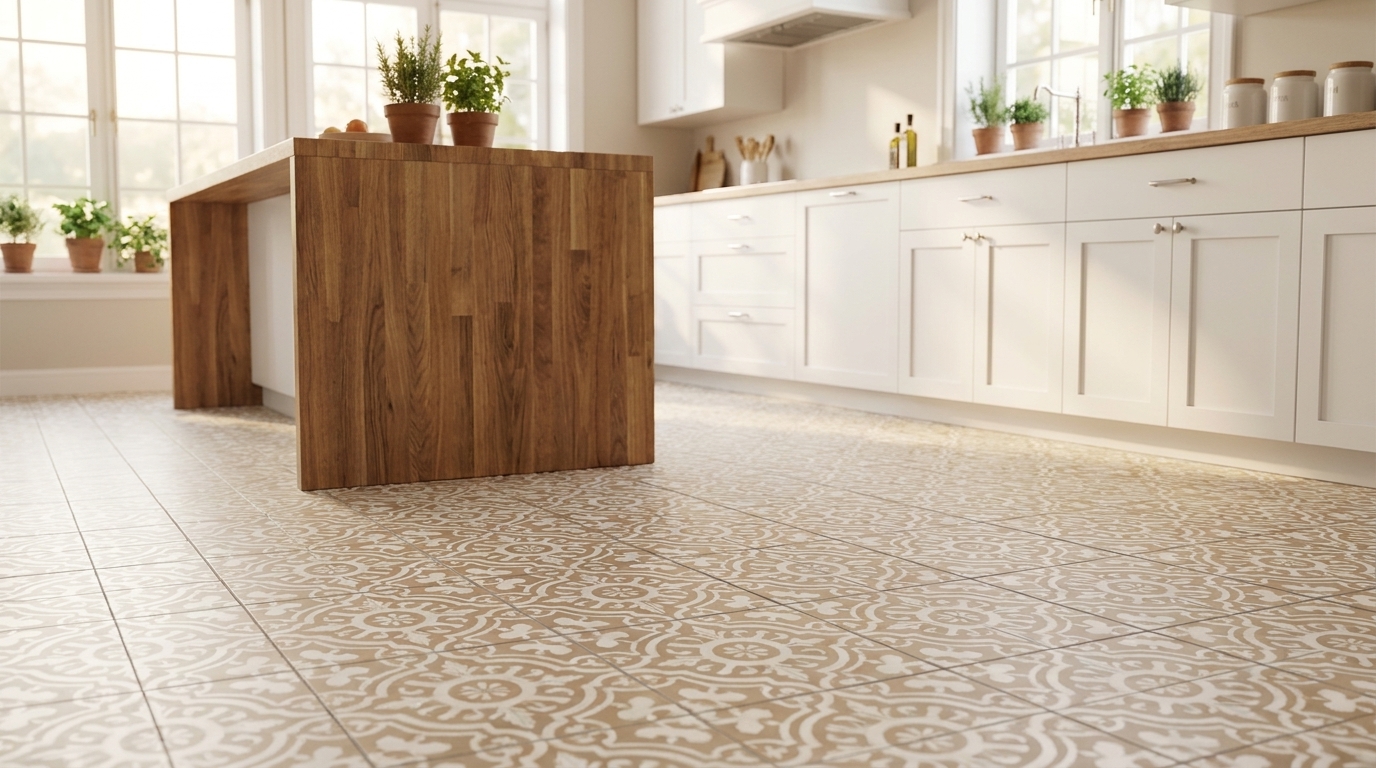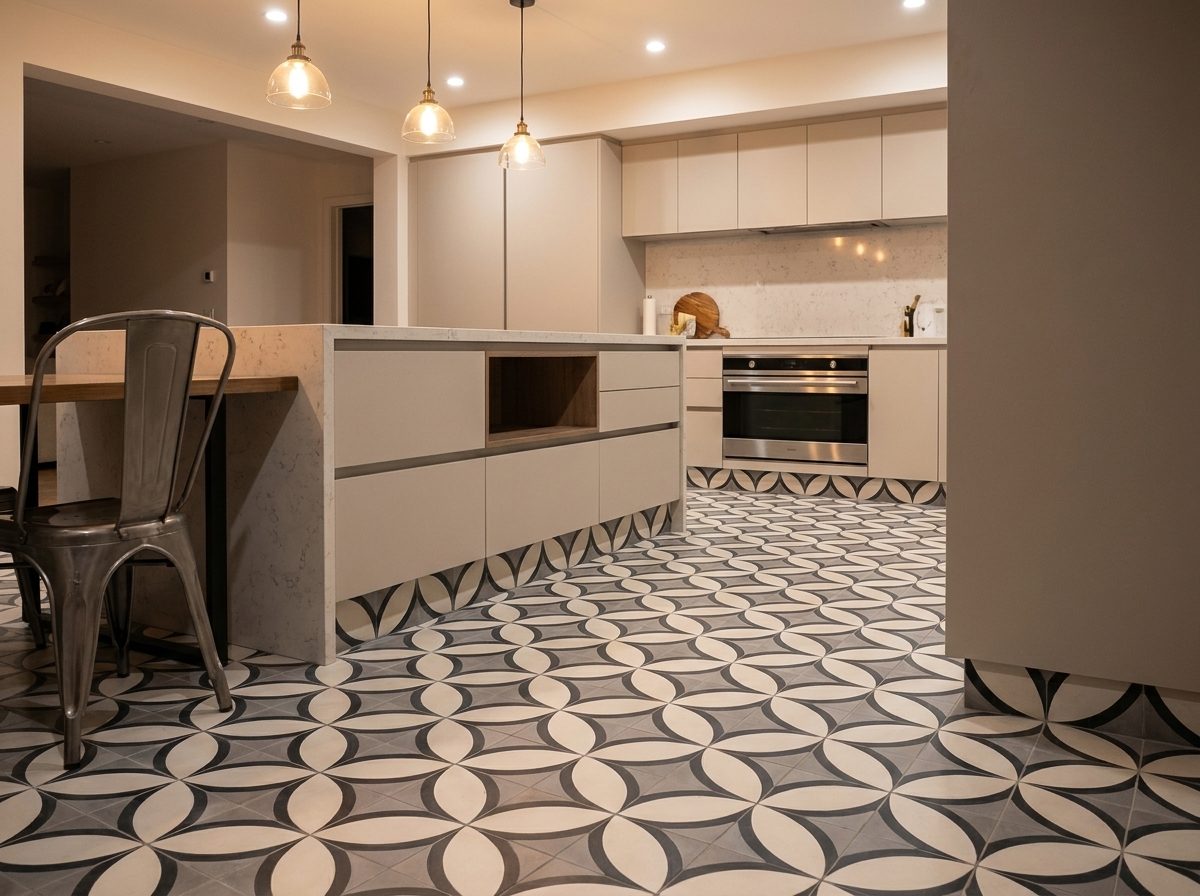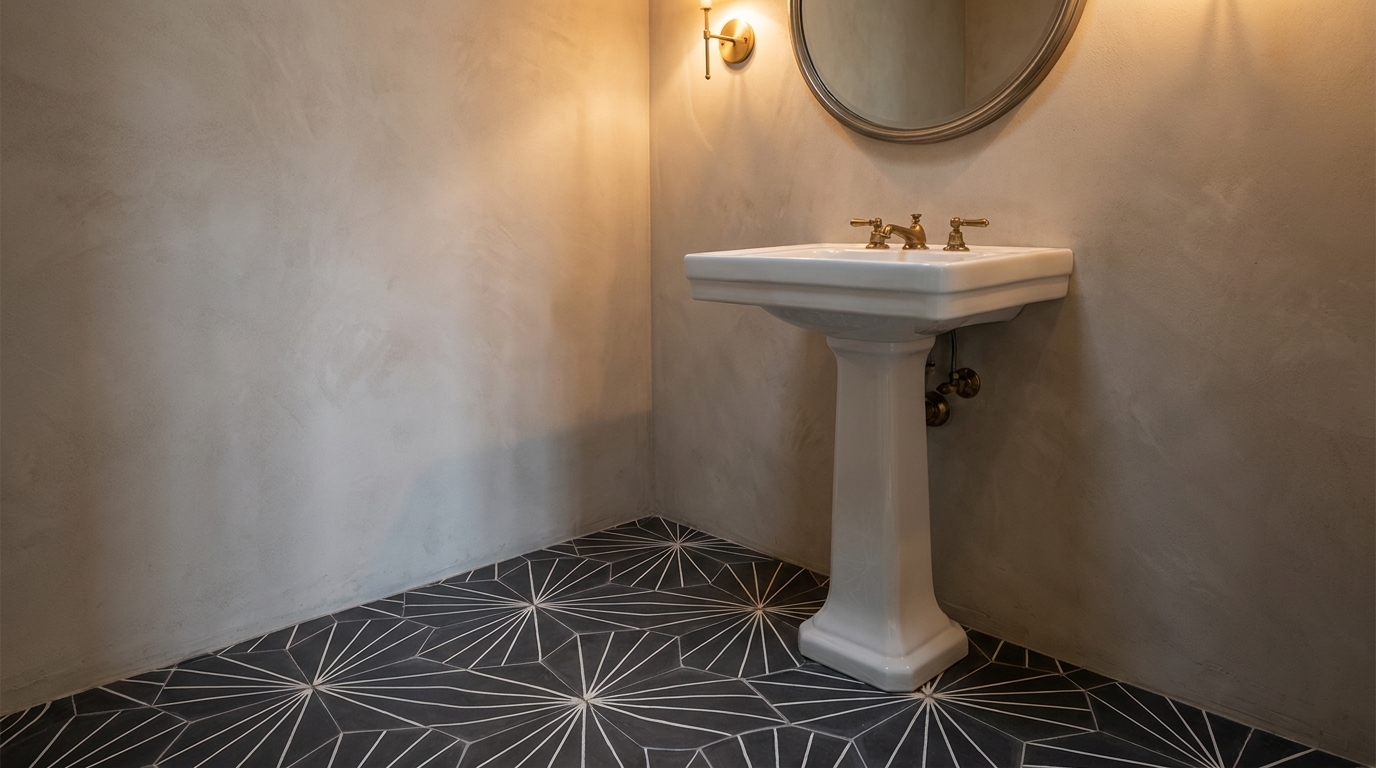
When it comes to outdoor patios, porcelain tile is the hands-down winner for most projects. It’s tough, absorbs almost no water, and shrugs off stains and scratches. Of course, natural stone like travertine offers a timeless, organic beauty, and cement tiles can bring in that unique, artistic flair. But for pure, reliable performance across most climates and lifestyles, porcelain consistently comes out on top.
How to Choose Your Perfect Outdoor Patio Tile

Choosing the right tile for your patio isn’t just about picking a color you like—it’s about creating an extension of your home that’s durable, safe, and beautiful. Patios have evolved from simple concrete slabs into sophisticated outdoor rooms meant for dining, relaxing, and entertaining. This shift means your flooring choice is more critical than ever, blending indoor style with outdoor resilience.
This trend is a big deal. The global outdoor flooring market was valued at USD 19.07 billion in 2024 and is expected to keep growing as homeowners invest more in their outdoor living spaces.
Understanding Your Main Options
To find the best tile for your patio, you have to compare the top contenders. Each material brings something different to the table, and the right choice depends entirely on your specific needs. Digging into specialized guides like the best patio stone for coastal California homes can give you tailored advice based on your climate.
Here’s a quick look at the most popular choices you’ll come across:
| Tile Material | Its Key Strength | Best For | What to Keep in Mind |
|---|---|---|---|
| Porcelain | All-Around Performance | High-traffic patios & harsh climates | Can be heavier and denser than ceramic |
| Natural Stone | Unmatched Aesthetics | Creating a luxurious, organic look | Requires regular sealing to stay pristine |
| Cement Tile | Artistic & Unique Patterns | Statement patios in moderate climates | Porous by nature; needs proper sealing |
This guide will give you a clear framework for navigating these options. By understanding the core differences in durability, maintenance, and climate suitability, you can pick a tile that not only looks great but is perfectly matched to your home’s environment and your family’s lifestyle.
Key Criteria for Evaluating Outdoor Patio Tiles

Before we jump into a head-to-head comparison of materials, it’s critical to speak the language of outdoor tile. Professionals don’t just pick tiles based on looks; they rely on specific ratings and technical specs to know if a tile can actually survive the elements.
Getting familiar with these criteria will empower you to choose the right tile with total confidence. These aren’t just technical terms—they translate directly into how safe your patio will be, how long it will last, and whether it will still look good in a few years. A gorgeous tile that cracks in the first frost or turns into a slip-n-slide after a rainstorm is a mistake you don’t want to make.
Let’s break down exactly what to look for.
Durability and Foot Traffic Resistance
Not all tiles can handle the same amount of abuse. From dragging patio furniture to constant foot traffic, your outdoor floor needs to be tough. The industry standard for this is the PEI (Porcelain Enamel Institute) rating, which measures a tile’s surface hardness and resistance to wear. It’s a simple scale that tells you exactly where a tile is meant to be used.
For an outdoor patio, you need something that can hold its own.
- PEI 3: Good for moderate traffic. This is a solid baseline for most residential patios that see regular family use.
- PEI 4: Designed to handle heavy traffic. This is an excellent choice for any home patio and can even work in light commercial settings.
- PEI 5: Built for extra-heavy traffic. This is the toughest stuff out there, typically reserved for commercial spaces like airports. It offers maximum durability for any high-use home patio.
As a rule of thumb, a PEI rating of at least 3 is essential, but bumping up to a PEI 4 gives you an extra layer of protection against chips and scuffs down the line.
Slip Resistance and Safety
For any outdoor surface, safety is non-negotiable. This is especially true in areas that get wet from rain, morning dew, or poolside splashes. To measure this, we use the Coefficient of Friction (COF) rating. In simple terms, a higher COF means more grip.
The Americans with Disabilities Act (ADA) sets the standard here, recommending a minimum static COF of 0.60 for flat surfaces. For your patio, you should always look for a tile that meets or beats this 0.60 mark when wet. Many outdoor-rated porcelain tiles are made with textured surfaces specifically to boost their COF. You can explore different safe flooring solutions and get a deeper understanding of what makes tile anti-slip to make sure your space is secure for everyone.
Climate Suitability and Weather Resistance
Where you live is one of the biggest factors in choosing the right tile. A material that performs beautifully in a hot, dry climate might completely fail in a region with brutal freeze-thaw cycles.
Frost Resistance
In colder climates, water is the ultimate enemy. Porous tiles will soak up moisture, and when that water freezes, it expands with enough force to crack the tile from the inside out. This is why a tile’s water absorption rate is so important.
For a tile to be considered “frost-proof,” it must have a water absorption rate of 0.5% or less. This is the key reason porcelain, with its incredibly dense body, is a top performer in four-season climates.
Heat Absorption
On the flip side, in hot and sunny climates, the wrong tile can become painfully hot to walk on. Dark-colored tiles absorb and hold heat, making them a poor choice for barefoot areas. Lighter-colored tiles—think travertine, pale porcelain, or soft-toned cement—are much better because they reflect sunlight and stay cooler to the touch. This is a game-changer for poolside patios, where comfort is key.
Now that you know what to look for, let’s get into a real head-to-head comparison of the top contenders for your outdoor patio. We’re moving beyond simple pro/con lists here. This is about how each material actually performs in specific, real-world scenarios.
We’ll dig into which tile laughs off harsh weather, which one delivers that timeless, elegant vibe, and which offers you total design freedom. My goal is to give you a nuanced perspective so you can match a material’s strengths to your climate, lifestyle, and vision. This is where you find the small details that make a huge difference.
Porcelain: The Unbeatable All-Rounder
When performance is your number one priority, porcelain tile is hands-down the most reliable and versatile choice for outdoor patios. The magic is in how it’s made—using super-refined clay fired at blistering high temperatures. This creates a tile that’s incredibly dense and tough, ready to handle pretty much anything you can throw at it.
That density is the secret sauce. With a water absorption rate of less than 0.5%, porcelain is practically waterproof. This is huge because it makes the tile immune to the freeze-thaw cycles that can crack and destroy more porous materials. If you live somewhere with cold winters, this is your set-it-and-forget-it solution.
On top of its brute strength, porcelain offers amazing design flexibility. Modern printing tech can replicate the look of natural stone, wood, or even concrete with shocking realism. You get the aesthetic of a high-maintenance material without any of the headaches.
Best For: Unforgiving Climates
Porcelain is the undisputed champ for patios in places with wild weather swings, from icy winters to scorching summers.
- Freeze-Thaw Resistance: Because water can’t get in, it can’t freeze, expand, and crack the tile. It’s a simple but critical feature for cold climates.
- Fade Resistance: The color is baked right into the tile body, so it holds up against intense UV rays without fading—a common killer of other materials.
- Stain Resistance: The non-porous surface shrugs off spills like wine, oil, or grill grease, making cleanup a breeze.
Natural Stone: The Choice for Timeless Elegance
For those who want authentic, one-of-a-kind beauty, nothing beats natural stone. Materials like travertine, slate, and granite bring an organic texture and a connection to the earth that manufactured products just can’t fake. Each tile is unique, with its own veining and mineral deposits formed over millions of years.
But that natural beauty comes with a trade-off: porosity. Unlike porcelain, most natural stones can absorb water and are prone to staining if you don’t stay on top of maintenance. Regular sealing is an absolute must to protect the stone and keep it looking great.
Travertine: Warmth and Classic Appeal
A type of limestone, travertine is known for its warm, earthy tones and classic look. It’s been used for centuries (the Roman Colosseum, anyone?), which says a lot about its staying power. A huge plus for outdoor use is that it stays surprisingly cool underfoot, even in direct sun, making it a top-tier choice for poolside patios.
Slate: Rustic Charm and Rich Texture
Slate delivers a more rustic and rugged feel with its naturally layered, or “cleft,” surface. It comes in a deep range of colors—from dark charcoal and green to rich purples—and its textured finish provides excellent natural slip resistance. It’s a tough option, but just like its stony cousins, it needs sealing to prevent flaking and stains.
Granite: The Durability Powerhouse
If you love the look of natural stone but need maximum durability, granite is your answer. It’s one of the hardest, densest natural stones out there, offering fantastic resistance to scratches, heat, and general wear and tear. It’s definitely more of an investment, but its rugged nature means it can handle heavy foot traffic and patio furniture without breaking a sweat.
The Patina Factor: One of the best things about natural stone is how it ages. Instead of wearing out, it develops a beautiful patina over time, deepening in character and blending right into its surroundings. It’s a graceful weathering process that manufactured materials can only try to imitate.
Concrete and Cement Tiles: The Artistic and Customizable Option
If you’re looking to make a bold, artistic statement, concrete and handmade cement tiles open up a world of creative possibilities. These materials are all about design versatility, giving you custom colors, intricate patterns, and unique finishes that can turn a patio into a true piece of art. Brands like Original Mission Tile have perfected this craft, making tiles that are both beautiful and built to last.
Unlike fired porcelain or quarried stone, cement tiles are hydraulically pressed and cured. This process creates their signature matte finish and velvety feel. The color isn’t just on the surface; it’s a thick layer of pigmented cement, so the pattern is inlaid and won’t wear off. It also means you can get an almost endless spectrum of custom designs. You can find tons of great ideas by exploring outdoor patio cement tile designs.
The most important thing to know about cement tiles is their porosity. Just like natural stone, they will soak up moisture and can stain if they aren’t sealed. A proper installation and a diligent sealing schedule are non-negotiable for protecting them outdoors. When you take care of them, they develop a gorgeous, lived-in patina that just adds to their character.
Best For: Statement Patios in Moderate Climates
Concrete and cement tiles really shine as a focal point in mild to moderate climates, where you don’t have to worry about harsh freeze-thaw cycles.
- Design Freedom: From classic encaustic patterns to bold geometric motifs, the design options are truly limitless.
- Vibrant Color: Mineral pigments create deeply saturated, vibrant colors that are hard to find in other materials.
- Unique Patina: Over time, they develop a soft, chalky patina that adds a sense of history and charm—a quality designers absolutely love.
Outdoor Tile Performance at a Glance
Choosing the right tile often comes down to balancing these key factors. This table gives you a quick snapshot of how our top contenders stack up against each other, helping you see the trade-offs at a glance.
| Tile Material | Durability (PEI) | Slip Resistance | Frost Resistance | Maintenance Level | Typical Cost ($/sq ft) |
|---|---|---|---|---|---|
| Porcelain | Excellent (PEI 4-5) | High (Textured) | Excellent | Low | $5 – $35 |
| Travertine | Good | Moderate to High | Fair (Depends on grade) | High (Requires sealing) | $8 – $40 |
| Slate | Very Good | Excellent (Natural Cleft) | Good (If dense) | High (Requires sealing) | $7 – $30 |
| Granite | Excellent | Good (Flamed/Brushed) | Excellent | Moderate (Requires sealing) | $15 – $50 |
| Cement Tile | Good (PEI 3-4) | Good (Matte Finish) | Poor (Not for freeze-thaw) | Very High (Requires sealing) | $15 – $45 |
Ultimately, the “best” tile depends entirely on your project’s specific needs—your climate, your budget, and the look you’re going for. Use this as a starting point to narrow down your choices and focus on the materials that are truly the right fit for your space.
Finding the Best Tile for Your Specific Patio Scenario
You’ve got the technical specs down, but making that final call is where the rubber meets the road—or, in this case, where the tile meets the patio. Choosing the best tile isn’t about finding a single “best” material; it’s about matching the right tile’s strengths to your climate, your family, and how you actually live outside. This is where we connect the dots from ratings to reality.
Let’s move from comparing specs to making smart recommendations. I’ll walk you through a few common patio scenarios, each with its own set of challenges, from poolside safety to the demands of a busy restaurant.
This visual guide gives you a quick summary of the top contenders for your outdoor space.

As you can see, porcelain is a fantastic all-rounder, natural stone delivers on unique beauty, and concrete brings the design flexibility. It’s a great starting point for seeing the core strengths at a glance.
The Best Tile for a Poolside Patio
Around a pool, safety and comfort are everything. The surface is always getting splashed, baked by the sun, and walked on with bare feet. This is a tough job for any tile.
- Slip Resistance is Non-Negotiable: Look for tiles with a coefficient of friction (COF) rating of 0.60 or higher. Anything less is a slipping hazard waiting to happen. A textured or matte finish is your best friend here.
- Heat is a Big Deal: Dark tiles in direct sun can get hot enough to burn feet. You need light-colored tiles that reflect, rather than absorb, the sun’s heat.
Top Recommendations: Light-colored travertine is a classic winner for poolside patios because it stays remarkably cool underfoot. Textured, light-gray porcelain is another stellar choice, giving you world-class slip resistance with practically zero maintenance.
The Ideal Tile for a High-Traffic Commercial Patio
Restaurant patios, hotel courtyards, and public plazas take a beating. They have to stand up to constant foot traffic, scraping chairs, frequent cleanings, and all kinds of spills without batting an eye. Durability isn’t just a nice-to-have; it’s a must.
For any commercial job, a tile with a PEI rating of 4 or 5 is the only way to go. This ensures the surface can handle heavy, relentless use without chipping, scratching, or fading.
Top Recommendations: Through-body porcelain pavers are the undisputed champs here. Since the color and pattern run all the way through the tile, any chips that might happen are almost invisible. For a more premium, natural look, a dense granite with a flamed finish is another bulletproof option that can handle the pressure.
Creating a Seamless Indoor-Outdoor Flow
One of the most popular design moves right now is blurring the line between indoor living and the outdoor patio. It makes your entire living space feel bigger, brighter, and more connected. The secret is finding a tile collection that offers both interior and exterior finishes.
The goal is to use the same tile inside and out. Many manufacturers offer a line with a smooth, polished finish for the living room and a matching textured, anti-slip version for the patio. This gives you that perfect visual continuity while keeping the outdoor area safe. Of course, the tile is just one piece of the puzzle. Finishing touches like balustrades for patios can complete the cohesive design.
Top Recommendations: Porcelain is the easiest way to achieve this look, thanks to the sheer number of matching indoor/outdoor collections available. Certain natural stones like slate or travertine also work beautifully if you can find them in different finishes. For a warmer, more artisanal feel, classic terracotta tiles in stock can create a stunning transition, just make sure the outdoor tiles are properly installed and sealed for durability.
Proper Installation and Maintenance for Outdoor Tile

You can pick the perfect outdoor tile, but if the installation is flawed, it’s all for nothing. A great installation isn’t just about straight lines; it’s the technical groundwork that protects your investment from weather, water, and time. Getting these foundational steps right is what keeps a beautiful patio stable and looking good for years to come.
The real work starts long before the first tile goes down. The success of any outdoor tile project depends entirely on what’s underneath. Honestly, this prep phase is the most critical part of the whole job.
Preparing a Stable Foundation
First rule of outdoor tile: the substrate has to be perfect. For most projects, a solid, fully cured concrete slab is the gold standard. It needs to be completely clean, level, and free of any cracks that could eventually telegraph through to your finished tile.
Even more important is drainage. Every single outdoor patio needs to shed water effectively. You achieve this by building a slight slope into the concrete—typically a minimum of a ¼ inch drop for every 12 feet—directing water away from your house. This subtle grade is your best defense against pooling water, which is the number one cause of efflorescence, freeze-thaw damage, and crumbling grout.
Choosing the Right Setting Materials
Outdoor spaces demand specialized materials that can handle big temperature swings and constant moisture. Using indoor-rated products out here is just asking for a complete failure down the road.
Here’s what you absolutely have to get right:
- Outdoor-Rated Mortar: You need a high-quality, polymer-modified thin-set mortar made specifically for exterior use. A product like Laticrete 254 Platinum is designed to stay flexible and strong through brutal freeze-thaw cycles, creating a bond that won’t give up.
- Performance Grout: Your grout has to be just as tough. A high-performance, cement-based grout will resist staining, cracking, and mildew growth. It’s also key to preventing efflorescence—that chalky white film that appears as moisture evaporates.
A common mistake is skipping the expansion joints. These small gaps, filled with a flexible sealant, are non-negotiable. They give the tile field room to expand and contract with temperature changes, which prevents ugly cracks and tiles “tenting” or popping up.
The Non-Negotiable Step: Sealing Porous Tiles
When you’re working with naturally porous materials like travertine, slate, or beautiful handmade cement tiles from artisans like Original Mission Tile, sealing isn’t just a finishing touch. It’s a mandatory part of the installation. These materials will soak up water, oils, and dirt, leading to stains, discoloration, and serious freeze-thaw damage.
Sealing creates an invisible shield that repels moisture and grime. Your best bet is a high-quality penetrating sealer, which soaks into the tile’s pores instead of forming a slippery film on top. The process should happen more than once: apply a coat before grouting to stop the grout from staining the face of the tile, and then again after the grout is fully cured to protect the entire installation.
This protective layer doesn’t last forever. Depending on your climate and how much you use your patio, plan on giving it a thorough cleaning and reapplying a sealer every 1-3 years. This simple maintenance routine is the secret to preserving the beauty of natural stone and cement tiles, ensuring they develop a rich, stunning patina instead of looking weathered and damaged.
Common Questions About Outdoor Patio Tiles
Even with all the details, you probably have a few specific questions. That’s normal. Choosing the right tile is a big decision, and it’s smart to get every last doubt cleared up. Here are the direct answers to the questions we hear most often from homeowners and designers.
Can I Use Indoor Tile on an Outdoor Patio?
This is one of the most common—and costly—mistakes we see. The short answer is no. Outdoor-rated tiles are engineered for a completely different world of abuse, from harsh UV rays to brutal freeze-thaw cycles that would destroy an indoor product.
It really comes down to two numbers. First, an outdoor tile like porcelain has a water absorption rate of under 0.5%. This prevents it from soaking up water that will freeze, expand, and crack the tile from the inside out. Second, outdoor tiles have a higher coefficient of friction (COF), which is just a technical way of saying they provide better grip when wet. Putting indoor tile outside isn’t just a bad investment; it’s a serious safety hazard.
What Is the Best Tile for a Hot Sunny Climate?
For patios that get baked in the sun all day, your number one goal is keeping the surface cool enough for bare feet. This is all about heat absorption. Lighter-colored materials are your friend here because they reflect sunlight instead of soaking it up.
Think pale travertine, light gray porcelain, or soft, sandy-toned cement tiles. They all perform beautifully.
Travertine is a real standout in hot climates. It has a natural ability to stay cooler to the touch than almost any other material, which is why you see it so often around pools. With porcelain or cement, just sticking to the lighter end of the color spectrum will make a huge difference in surface temperature.
How Do I Protect Outdoor Grout From Stains and Cracks?
Keeping your grout lines looking sharp is key to the longevity and look of your patio. It all starts with the installation. Make sure your installer uses a high-performance, polymer-modified grout made specifically for exterior use.
Once the grout has fully cured (don’t rush this part!), the most important step is to apply a quality penetrating grout sealer. This creates an invisible shield that repels moisture and stops stains in their tracks. To prevent cracking, your tile must be laid on a solid, properly prepared base with expansion joints placed correctly to handle movement from temperature swings. A quick clean and reseal every 1-2 years is all it takes to keep it looking great.
Are Handmade Cement Tiles a Good Choice for Outdoor Patios?
Absolutely. Handmade cement tiles can bring a stunning, one-of-a-kind character to an outdoor space, particularly in moderate climates that don’t see harsh freeze-thaw cycles. But there’s a catch: their natural porosity means that professional installation and thorough sealing are completely non-negotiable.
For a successful outdoor installation, the tiles need to be sealed multiple times with a top-tier penetrating sealer—before and after grouting. This is what protects them from absorbing moisture and getting stained. While they might not be the go-to for a Minnesota winter, they offer incredible design flexibility and develop a gorgeous, lived-in patina over time when installed correctly in the right environment.
For a truly one-of-a-kind statement, explore the handcrafted artistry of Original Mission Tile. Discover our collection of handmade cement tiles and bring timeless design to your outdoor living space.