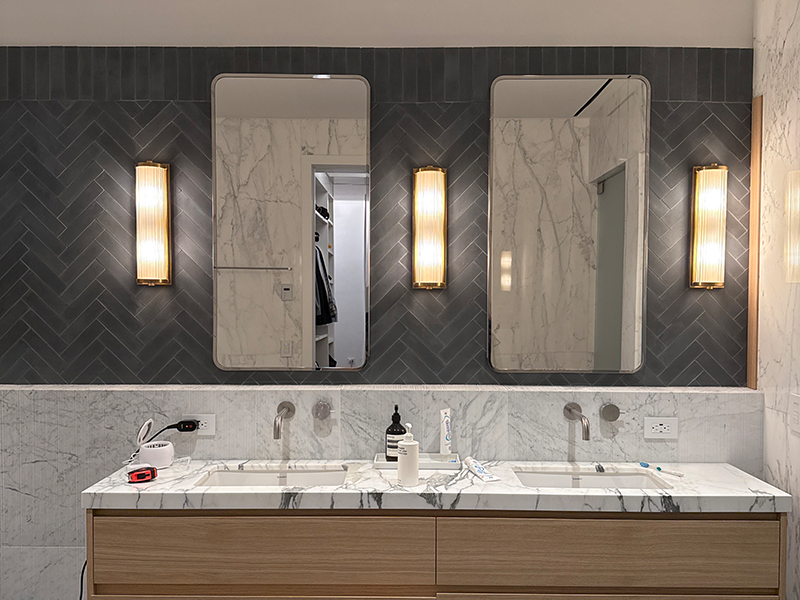
Boutique hotels live and die by first impressions.
Before guests notice the scent in the air, the playlist, or the concierge smile, they feel the space underfoot. In a split second, they read the lobby: Is this place special? Is it intentional? Is it worth remembering (and photographing)?
That’s why the best hospitality interiors aren’t just “pretty.” They’re designed like a brand experience—layered, durable, and instantly recognizable. And few finishes deliver that mix like encaustic cement tiles.
Here’s the open loop most hotel projects miss: the lobby is not one space—it’s a sequence. Entry, threshold, reception, lounge, bar, circulation, elevator bank… each moment must guide, calm, and delight. The right hotel lobby tiles quietly do all of that at once: define zones, control traffic, signal quality, and create a signature look that becomes your hotel’s visual identity.
In this guide, you’ll learn how to design boutique hotels using handmade cement tiles—from style trends and room-by-room applications to installation, maintenance, and common mistakes to avoid—plus how to use custom cement tiles (including custom logo tiles) to build a hospitality brand guests never forget.
See Trend Tiles • Order Samples • Talk to a Tile Specialist

Why Hotel Lobby Tiles Matter More Than Almost Any Other Finish
The lobby is where:
- guests arrive with luggage (rolling impact + grit)
- staff moves carts, deliveries, and furniture
- wet shoes, sunscreen, pool water, and street debris show up daily
- photos get taken constantly (your free marketing engine)
So lobby finishes must be:
- visually memorable
- high-traffic ready
- maintainable with real housekeeping routines
- consistent with the property’s story
This is where patterned cement tiles shine. They deliver boutique-level personality with commercial-level performance—when specified correctly.
If you’re designing a hotel, you’re not just choosing a floor. You’re choosing:
- the first photograph a guest takes
- the wayfinding system that reduces confusion
- the “signature motif” that repeats across the experience
- the surface that must hold up on day 1, day 100, and year 10
Browse In-Stock Hotel-Ready Patterns • Contact Us
Cement Tiles 101: What Makes Encaustic Cement Tiles Different?
Cement tiles (often called encaustic cement tiles) are not ceramic or porcelain. They’re made with a pigmented cement layer pressed into a mold and backed with a cement base—creating color that lives inside the tile (not a printed surface or glaze).
That difference matters in hospitality because it creates depth and a handcrafted character many designers describe as “lived-in luxury.” It’s not sterile. It’s not overly glossy. It’s authentic—which is exactly what boutique hotels sell.
Cement tiles are also frequently compared to:
- Moroccan tiles
- Mediterranean tiles
- Spanish-style tiles
- terrazzo tile
- terracotta tiles
Each has its place, but cement tile offers a rare intersection: graphic pattern + handmade warmth + room-to-room versatility for boutique hospitality.
Want to explore customization early? Start here:
Start a Custom Tile Brief • Use the Design Studio
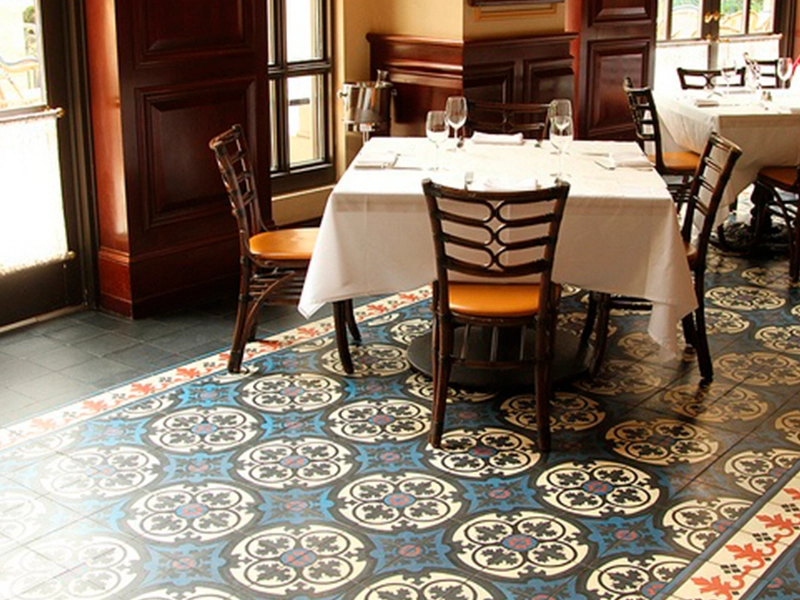
Benefits of Cement Tiles for Boutique Hotels
Durability (High-Traffic Hospitality Performance)
For commercial floor tiles in hotels, lobbies, restaurants, and retail-like spaces, durability is non-negotiable. Properly installed and sealed, cement tiles can handle:
- heavy foot traffic
- rolling luggage and carts
- frequent cleaning cycles
- daily grit and moisture at entry thresholds
If you’re building a performance spec, this is a helpful reference:
Handmade Quality That Looks Intentional (Not Generic)
Boutique guests can spot “catalog design” from a mile away. Handmade cement tiles bring subtle variation and texture that reads premium and curated—especially under warm lobby lighting.
Style Versatility: Moroccan to Modern
Cement tiles can support:
- bold, statement pattern moments
- calm Mediterranean palettes
- crisp black-and-white geometry
- vintage encaustic character
- modern and contemporary minimal motifs
Sustainability + Longevity Mindset
Many hospitality brands are shifting toward “buy fewer, buy better.” Cement tile supports long-life material thinking—especially when paired with a clear maintenance plan and appropriate sealing.
For more on sustainability positioning:
Customization and Branding Power
With custom cement tiles, you can reproduce patterns, match brand colors, and build a signature layout across the guest journey. That’s where custom logo tiles become a branding asset—not signage.
If your project includes hospitality (restaurants/bars/hotels), this is a great starting point:
See Trend Tiles • Contact Us for Custom Tile Designs

Boutique Hotel Design Strategy: Use Tile Like a Wayfinding System
Before we go room-by-room, here’s a commercial design move that separates good lobbies from iconic lobbies:
Treat tile as quiet wayfinding.
The right tile layout can:
- direct traffic flow without signs
- define zones without walls (reception vs lounge vs bar)
- create thresholds (entry moment → reception moment → elevator moment)
- frame brand moments (the “photo spot” floor or wall)
In boutique hotels, tile is more than decoration. It becomes a map, a mood, and a memory.
Style Ideas & Trends for Boutique Hospitality Interiors
Moroccan Style: Pattern as a Signature
Moroccan tiles (and Moroccan-inspired cement patterns) are a boutique-hotel favorite because they feel global, artistic, and instantly recognizable.
Best places to use Moroccan-inspired encaustic patterns:
- lobby center field “tile rug”
- reception moment (behind desk or under chandelier)
- bar front cladding
- corridor thresholds and elevator lobbies
Designer tip: Use Moroccan pattern at the hero moment, then echo its colors in quieter solids nearby to prevent pattern overload.
Mediterranean Calm: Sun-Washed, Natural, Timeless
Mediterranean tiles lean into warm neutrals, dusty blues, olive greens, and relaxed luxury. Pair cement patterns with plaster, oak, linen textures, and matte metals.
If you’re building a 2026 trend moodboard, you’ll want this:
Spanish-Style Warmth: Heritage Without Feeling Dated
Spanish-style tiles often feature classic motifs and warm palettes, ideal for:
- historic buildings
- adaptive reuse projects
- romantic boutique concepts (courtyards, arches, ironwork)
Where Spanish-style patterns work best:
- entryways and corridors
- courtyard patios
- stair risers and landings
- boutique hotel restaurant floors
Modern & Contemporary: Minimal Pattern, Maximum Intent
Cement tiles don’t have to be ornate. Modern hotels often choose:
- tonal geometry
- micro-checks or oversized checks
- linework patterns with subtle contrast
- monochrome palettes with texture
This is where cement tiles can compete visually with terrazzo tile and modern large-format looks—while still feeling handcrafted.
Vintage Revival: “Looks Like It’s Always Been Here”
Vintage encaustic motifs are trending because guests love spaces that feel storied. The key is balance:
- vintage tile + modern lighting
- classic pattern + clean-lined furniture
- warm palette + restrained materials
See Trend Tiles • Order Samples
Applications by Room: Where Cement Tiles Make the Biggest Impact
1) Lobby Floors: The Signature Moment for Hotel Lobby Tiles
If your goal is boutique impact, the lobby floor is your strongest move for patterned floor tiles.
Proven lobby layouts:
- Tile “rug” layout: border frame + center pattern field
- Checkerboard: classic boutique drama, pairs with modern furniture
- Directional geometry: patterns that pull guests from entry to desk
- Zone mapping: patterned lounge zone + solid circulation paths
Commercially strategic tip: Design the lobby floor like your brand cover photo. If guests post only one image, make it the floor + lounge composition.
Start browsing lobby-appropriate patterns here:
Talk to a Tile Specialist (for pattern scale + lobby traffic recommendations)
2) Reception Desk Backdrop: A Brand Wall Without Signage
A wall behind reception is a branding opportunity. Use decorative cement tiles to create depth and identity.
Best uses:
- behind the desk (hero wall)
- concierge zone
- elevator lobby feature wall
- niches and display walls
If you’re planning a custom look, start here:
Contact Us for Custom Tile Designs
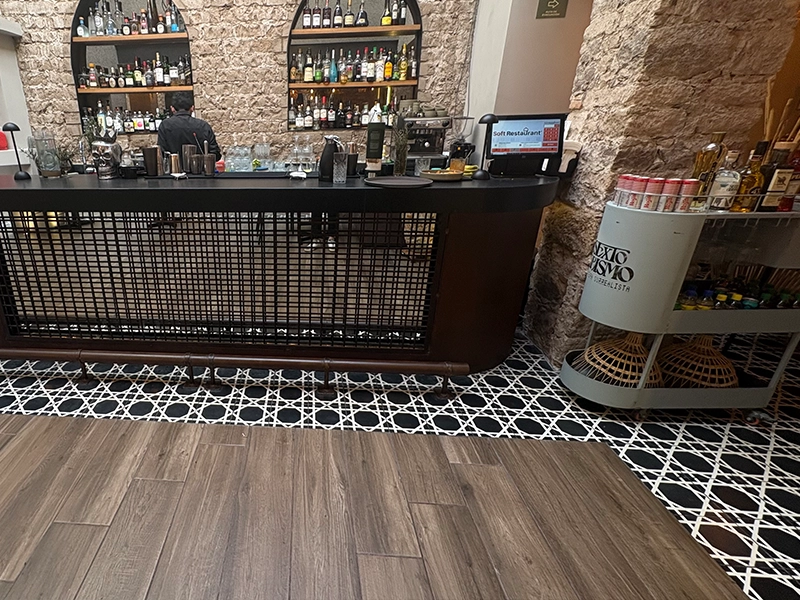
3) Hotel Restaurant + Bar: The Toughest Space That Needs the Best Story
For restaurant tile design, cement tiles work because pattern builds atmosphere without constant décor updates.
Great applications:
- bar front cladding
- entry threshold into restaurant
- patterned zones under banquettes
- feature walls in waiting areas
Hospitality-specific inspiration:
Commercial tip: Choose a pattern that looks good in dim evening lighting and morning daylight.
4) Guest Bathrooms: Boutique Luxury That Photographs Well
Guest bathrooms should feel elevated, but still cleanable.
Best cement tile moves:
- patterned bathroom tiles on floors
- vanity backsplash as a branded accent
- partial-height wainscot in wet-adjacent zones
Pair with:
- simple wall paint/plaster
- warm mirrors and lighting
- hardware finishes that repeat the palette
Want color guidance for cohesive suites?
5) Showers & Wet Areas: Yes—If You Specify Correctly
Cement can work in wet areas, especially for shower wall tiles, but success depends on:
- waterproofing system
- correct sealer selection
- proper slope and drainage
- written maintenance plan for housekeeping
If your team wants clear specs:
Practical note: Many hospitality teams prefer cement on shower walls and porcelain/ceramic on shower floors for simplified operations. A hybrid spec can keep the boutique look while protecting long-term maintenance.
6) Kitchens, Coffee Bars, and Backsplashes: Small Area, Big Brand Payoff
In boutique hotels, the coffee bar is a guest magnet. Use kitchen backsplash tiles (cement) to create a signature moment:
- behind espresso machines
- café counter fronts
- grab-and-go zones
This is a “small square footage, high impact” play.
7) Entryways & Thresholds: Dirt Control Meets Drama
Entry zones take the most abuse. Cement can perform beautifully when you plan:
- commercial walk-off matting
- sealing strategy
- pattern selection that hides grit (mid-tone blends)
- consistent cleaning routine
For a maintenance-ready approach:
8) Courtyards, Patios, and Outdoor Hospitality Moments
Outdoor areas are often the most photographed spaces in boutique hotels. Cement can be stunning as outdoor patio tiles—especially in covered patios and courtyards.
Outdoor inspiration:
Talk to a Tile Specialist (outdoor suitability + sealing strategy)

Commercial Design Section: Why Cement Tiles Win in Hotels and Hospitality
Hospitality design is commercial design with emotional stakes. Guests must feel:
- comfort
- excitement
- trust (cleanliness and quality)
- uniqueness (not cookie-cutter)
Cement tiles support that emotional outcome while meeting commercial needs.
High-Traffic Performance Without the “Generic Commercial” Look
Most high-traffic materials are visually bland. Cement tiles are one of the few that are both:
- high-traffic appropriate (when specified correctly)
- artistically expressive
This is why you see cement tiles in:
- hotel lobbies and corridors
- boutique hotel restaurants
- cafés and retail hospitality hybrids
Branding With Custom Logo Tiles
Boutique hotels don’t just sell rooms—they sell identity. Custom logo tiles can elevate branding without looking like signage.
Tasteful ways to use logo tiles:
- subtle medallion at entry
- repeating monogram in a border
- a single “seal” tile in the lobby photo moment
- custom pattern inspired by local culture
Start custom planning here:
The ROI of Photogenic Floors
A statement lobby floor can generate:
- guest posts and tags
- influencer content
- brand recognition
- repeatable visual identity across marketing
In hospitality, that’s not decoration. That’s strategy.
Contact Us for Custom Tile Designs
Cement Tile vs Ceramic Tile: What Boutique Hotels Should Know
When owners ask, “Why not use ceramic?” they’re usually thinking budget-first. The better question is: what experience are you trying to create?
Ceramic/Porcelain Pros
- typically lower absorption (especially porcelain)
- often simpler day-to-day maintenance
- wide range of looks
Cement Tile Pros
- authentic pigment depth and handmade character
- stronger pattern presence for brand moments
- customization potential (colors, patterns, custom logo tiles)
- boutique warmth that printed looks often can’t replicate
The Strategic Spec (Best of Both)
Many successful hotel specs use:
- cement tiles for signature guest-facing spaces (lobby, bar, feature walls)
- ceramic/porcelain for BOH or extreme wet zones if preferred
- unified palette so everything still feels “one brand”
If you want operational clarity, reference:
Installation & Maintenance: How to Make Cement Tiles Perform Like a Pro
Cement tiles aren’t “hard”—they’re different. Most problems happen when teams treat cement like ceramic.
Sealing: The Step You Don’t Skip
Sealing protects against:
- staining
- water absorption
- cleaning chemistry damage
- uneven patina
A simple rule for hospitality:
- seal before grouting
- seal after installation and cure
- plan resealing cadence based on traffic and housekeeping chemistry
Helpful resources:
Cleaning: Housekeeping-Friendly Wins
Best daily routine:
- dust mop/sweep frequently (grit is the enemy)
- pH-neutral cleaner
- soft pads and microfiber
- quick cleanup for spills (wine, coffee, oils)
Avoid:
- acidic cleaners
- harsh degreasers not approved for sealed surfaces
- “DIY vinegar solutions” that can harm sealers over time
Grout Choice Matters (Design + Maintenance)
- matching grout = calm, seamless look
- contrasting grout = bold, graphic look (more pattern definition)
- mid-tone grout often hides traffic wear best in lobbies and restaurant zones
Slip Resistance and Entry Strategy
For lobbies and entries:
- matting systems capture grit and moisture
- select patterns/colors that camouflage water spotting
- use sealers appropriate for commercial use (test first)

Mistakes to Avoid with Cement Tiles in Hotels
Mistake #1: Expecting Zero Variation
Cement tiles are handmade—variation is normal and desirable. Plan for it:
- blend from multiple boxes during install
- approve realistic sample range
- use mid-tone patterns where variation looks intentional
Mistake #2: Skipping Pre-Seal Before Grout
This can cause grout haze and surface staining. In commercial projects, this is one of the most expensive avoidable mistakes.
Mistake #3: Using the Wrong Cleaner
Harsh cleaners can damage the sealer, dull the finish, or create uneven appearance. Give housekeeping a written care plan from day one:
Mistake #4: Poor Subfloor Prep
Uneven substrates can cause lippage, cracking, and long-term failure—especially with rolling loads in lobbies.
Mistake #5: Choosing the Wrong Pattern Scale
Small patterns can look busy in large lobbies; oversized patterns can overwhelm small entries.
Rule of thumb:
- mock up pattern scale
- view it from 10–20 feet away (how guests experience it)
Mistake #6: Not Planning Transitions
Hospitality spaces have thresholds (lobby → elevator, lobby → restaurant, lobby → corridors). Plan borders, breaks, and trims so transitions look intentional and wear doesn’t concentrate at edges.
Talk to a Tile Specialist (avoid costly mistakes before installation starts)
How to Choose the Right Pattern for Boutique Hotel Lobbies
Step 1: Define Your Brand Words
Pick 3–5 adjectives:
- coastal, calm, Mediterranean
- bold, eclectic, Moroccan
- minimal, modern, gallery-like
- romantic, Spanish-style, heritage
Step 2: Decide Where the “Hero Moment” Lives
Choose one:
- lobby floor
- reception wall
- bar zone
- courtyard entrance
Then support it with quieter companion tiles.
Step 3: Build a Repeatable Palette
A strong hospitality palette often includes:
- 1–2 neutrals
- 1 signature brand color
- 1 accent tone
Use the palette to repeat the “brand” from lobby to bathrooms to patios:
Step 4: Sample Under Real Lighting
Order samples and test:
- daytime vs nighttime lighting
- sealer appearance (natural vs enhancer)
- grout color options
To browse in-stock options and choose a tile to sample, start here:
- Cement Tiles In Stock
(Then open any tile design and click “Order a Sample” on that product page.)
Order Samples • See Trend Tiles

FAQs: About Hotel Lobby Tiles and Cement Tile in Hospitality
1) What are the best hotel lobby tiles for high-traffic boutique hotels?
The best hotel lobby tiles balance durability, maintainability, and strong design identity. Encaustic cement tiles are a top boutique choice because they deliver handcrafted character and long-term performance when installed and sealed correctly.
2) Are cement tiles durable enough for commercial hotel floors?
Yes. Cement tiles can perform very well in lobbies, restaurants, and hospitality zones with proper substrate prep, sealing, and a housekeeping-friendly cleaning plan. For commercial planning, use: Commercial Floor Tile Guide.
3) Cement tile vs ceramic tile—what should hotels choose?
Cement tile vs ceramic tile is often a design + operations decision. Cement brings handmade depth and customization for brand moments; ceramic/porcelain is often chosen for simplified maintenance in extreme wet or BOH zones. Many boutique hotels combine both strategically.
4) Can encaustic cement tiles be used in showers and wet areas?
They can—especially as shower wall tiles—when waterproofing, sealing, and cleaning routines are correct. Review: Installation Guidelines and Cement Tile Maintenance.
5) How do you maintain cement tiles in hotels with daily housekeeping?
Use pH-neutral cleaners, soft pads, frequent dust mopping (grit control), and periodic resealing based on traffic. Avoid harsh acids and unapproved chemicals. Start with: Cement Tile Maintenance.
6) Do cement tiles stain easily in hotel lobbies?
Unsealed cement can stain. Proper pre-seal + final seal greatly reduces staining risk. Mid-tone patterned floor tiles also help hide daily grit and water spotting in entry zones.
7) What tile styles are trending for boutique hotels right now?
Top trends include Moroccan tiles, Mediterranean tiles, Spanish-style tiles, modern geometry, vintage encaustic looks, and creative pairings with terrazzo tile and terracotta tiles accents—often unified by a consistent palette.
8) Can we create custom tiles for hotel branding?
Absolutely. Custom cement tiles can match brand colors, patterns, and include custom logo tiles for medallions, borders, or subtle monograms. Start here: Custom Tiles or Contact Us.
Final Thoughts: Make the Lobby a Brand Asset, Not Just a Room
Boutique hotels compete on experience. And experience is built from surfaces—especially the ones guests walk on, photograph, and remember.
Choosing hotel lobby tiles isn’t just a material decision. It’s a branding decision. With handmade cement tiles, you can create a lobby that:
- performs under daily traffic
- feels curated and premium
- supports Moroccan, Mediterranean, Spanish-style, modern, or vintage concepts
- flows into bathrooms, restaurants, patios, and feature walls
- becomes a signature visual asset for your hotel marketing
(quick links):
- See Trend Tiles
- Order Samples
- Talk to a Tile Specialist
- Contact Us for Custom Tile Designs
- Use the Design Studio