

Breeze blocks are back—and not as a retro gimmick.
Architects and designers are using Breeze Blocks to solve a very modern problem: how do you create privacy, shade, airflow, and visual identity without closing a space off? In warm climates, they’re a functional necessity. In contemporary architecture, they’re also a signature design element—turning simple walls into sculptural “screens” that play with light and shadow all day long.
But here’s the open loop most projects miss: breeze blocks look best when they’re part of a complete material story. The screen wall sets the architecture, but the surfaces around it—floors, patios, thresholds, bathrooms, and kitchens—finish the experience. That’s where cement tiles and encaustic cement tiles become the perfect partner: handmade, durable, and visually rich enough to match the bold geometry of breeze block design.
In this guide, you’ll learn how to specify Breeze Blocks alongside patterned cement tiles, how to design room-by-room transitions (patios, entryways, bathrooms, showers, kitchens), and how to avoid the common installation and maintenance mistakes that can undermine a high-end architectural concept. You’ll also see trending style directions—Moroccan, Mediterranean, Spanish-style, modern, vintage, and contemporary—and how to use these looks strategically in residential and commercial hospitality projects.
Breeze Blocks from Original Mission Tile
What Are Breeze Blocks?
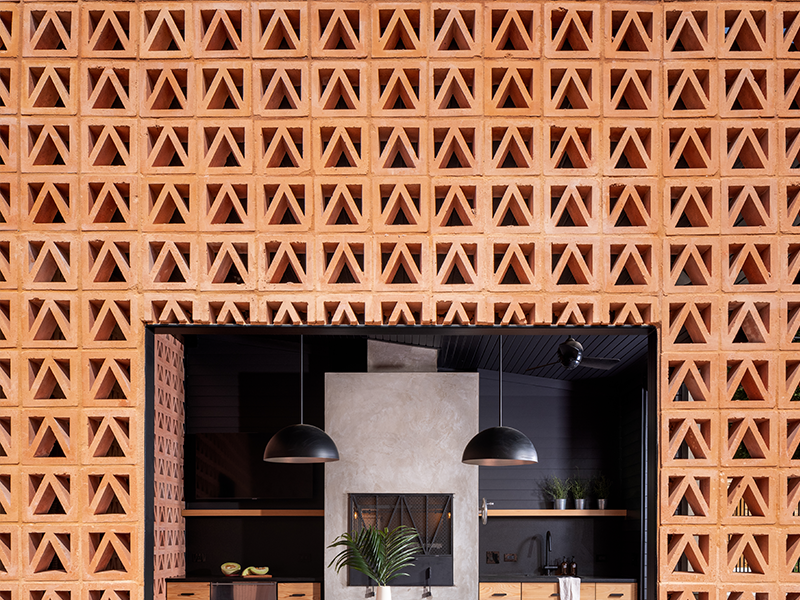
Breeze blocks (also called screen blocks or decorative concrete blocks) are architectural masonry units with cutout patterns that allow air and light to pass through. Traditionally used in mid-century modern architecture—especially in hot climates—they’re now re-emerging in:
- modern courtyard homes
- indoor-outdoor hospitality designs
- restaurant patios and facades
- boutique hotel corridors and privacy screens
- entry walls and stair enclosures
- poolside cabanas and outdoor showers
They’re a rare material that is both functional and sculptural. And because they create pattern, they pair naturally with patterned surfaces—especially decorative cement tiles and patterned floor tiles.
Why Breeze Blocks + Cement Tiles Are a Perfect Architectural Pairing
Breeze blocks create pattern in vertical planes. Cement tiles create pattern in horizontal planes. Together, they produce the kind of immersive material experience that defines high-end architecture.
Benefits of Cement Tiles (and why they matter with breeze block architecture)
Durability for indoor-outdoor transitions
When you design around breeze blocks, you’re usually working with breezeways, patios, courtyards, pool zones, and indoor-outdoor thresholds. Cement tiles can perform beautifully in these areas when installed and sealed correctly—especially in covered patios and protected outdoor zones.
To browse patio-ready patterns and neutrals, start with Cement Tiles In Stock.
Handmade quality that feels architectural
Breeze blocks have a tactile, shadow-rich presence. Printed or overly glossy floors can feel “off” next to that. Handmade cement tiles bring depth and subtle variation that feels consistent with crafted architecture.
Sustainability and long-life value
Both breeze blocks and cement tile designs often appeal to clients who value durability and longevity. A well-designed cement tile installation can age beautifully—especially when maintenance is planned from day one using the Cement Tile Maintenance guide.
Style versatility (from Moroccan to modern)
Whether your breeze blocks are crisp and modern or romantic and Spanish-style, cement tile can match the mood with:
- Moroccan geometry
- Mediterranean softness
- Spanish-style warmth
- vintage encaustic motifs
- contemporary tonal patterns
Custom capabilities (pattern, color, branding)
For architects designing signature screens and hospitality brands creating memorable environments, custom cement tiles and custom logo tiles can turn floors into branding assets. Start the process on the Custom Tiles page and visualize concepts in the Design Studio.
Where Breeze Blocks Work Best: Architectural Applications (Residential + Commercial)
Breeze blocks can be used in many ways, but they work best when they solve a clear design problem.
1) Courtyard privacy screens
Create private outdoor rooms while maintaining airflow and light. Pair with outdoor patio tiles that complement the screen geometry.
2) Entry walls and vestibules
A breeze block entry wall becomes a signature moment. Add a “tile rug” entry floor in patterned cement tile for an instant architectural identity.
3) Patio and terrace partitions
Separate dining and lounge zones without closing the space off—ideal for residential patios and restaurant outdoor dining.
4) Stair enclosures and indoor screens
Breeze blocks add safety and privacy while creating dramatic shadow play in interior corridors and stair landings.
5) Poolside cabanas and outdoor showers
Use breeze blocks as wind screens and privacy walls. Pair with shower wall tiles and outdoor-safe flooring strategies for a cohesive pool experience.
Room-by-Room Design: Pairing Breeze Blocks with Cement Tiles
Even when the breeze blocks are the “hero,” the surrounding tile surfaces determine how premium the space feels.
Patios and Courtyards (The Natural Home of Breeze Blocks)
If you use breeze blocks outdoors, your floor must match the architectural statement.
Outdoor patio design moves that work:
- framed patio “tile rug” under dining table
- tonal patterned floor tiles that echo the breeze block geometry
- warm Spanish-style palette with terracotta accents
- Moroccan-inspired courtyard patterns for boutique atmosphere
Start by selecting patterns and testing color in natural light with Cement Tiles In Stock and a coordinated palette from the Cement Tile Color Palette.
Entryways (Make the First Impression Architectural)
Breeze block entry walls feel modern and iconic. To match, use patterned cement tile floors as a defined entry “zone.”
Best practices:
- border-framed floor layout
- mid-tone pattern for daily dirt camouflage
- intentional transitions to wood or stone flooring
If you want a custom motif that echoes your screen block pattern, start with Custom Tiles.
Kitchens (Indoor/Outdoor Continuity + Backsplash Moments)
Breeze blocks often appear near kitchens—outdoor kitchen walls, pass-throughs, patio bars.
Where cement tiles shine:
- kitchen backsplash tiles behind a range or coffee bar
- outdoor kitchen backsplash in a covered patio
- bar front cladding to mirror breeze block pattern geometry
Browse ready-to-ship options in Cement Tiles In Stock.
Bathrooms (Boutique Texture + Privacy Screens)
Breeze blocks are increasingly used as:
- privacy screens for bathroom windows
- light-filtering walls in spa-like baths
- partitions between vanity and shower zones
Pair with bathroom tiles that feel intentional:
- patterned cement tile floors
- warm Mediterranean tones
- black-and-white modern geometry
Showers (Shower Walls with Architectural Depth)
Breeze blocks can create privacy for outdoor showers or light-filtering walls near wet zones. Pair with shower wall tiles that maintain visual continuity.
Important: cement tile in wet areas requires correct installation and sealing. Always align installers with the brand’s Installation Guidelines and set care expectations using Cement Tile Maintenance.
Commercial Spaces (Restaurants, Hotels, Hospitality)
Breeze blocks are trending in commercial design because they deliver:
- brand identity (instantly recognizable facades)
- passive airflow and shading
- indoor-outdoor dining separation
- photo-ready architectural texture
Pair them with commercial floor tiles that can keep up with traffic:
- restaurant dining floors
- bar zones
- outdoor dining patios
- hotel courtyards and corridors
For restaurant tile design, breezeblock + patterned cement tile is a power pairing: strong architecture + strong floor identity.
For hotels, breeze blocks can extend the “lobby story” outward—especially when your hotel lobby tiles transition into outdoor lounge patios.
When branding is important, consider custom logo tiles via Custom Tiles and concept visualization in the Design Studio.
Style Ideas & Trends for Breeze Block + Cement Tile Projects
Moroccan Style
Moroccan geometry pairs naturally with breeze blocks because both rely on pattern repetition and shadow play.
Use Moroccan patterns for:
- courtyards
- restaurant patios
- boutique hotel corridors
- statement entry floors
Mediterranean Style
Mediterranean palettes make breeze block architecture feel softer and more relaxed.
Best pairings:
- warm whites and sand tones
- dusty blues and olive greens
- natural woods and plaster textures
Spanish-Style
Spanish-style architecture loves breeze blocks for courtyards and privacy walls, and cement tiles complete the heritage story.
Add terracotta tiles accents (or terracotta-adjacent color palettes) for warmth.
Modern + Contemporary
Modern breezeblock architecture looks best with:
- tonal patterns
- clean borders
- minimal contrast
- oversized geometry
This is where cement tile can also complement terrazzo tile in adjacent zones for a refined, contemporary material mix.
Vintage
Vintage-inspired cement tiles make breeze block projects feel established and timeless—especially in renovations and adaptive reuse.
Installation & Maintenance: What Architects and Builders Need to Plan
Breeze blocks and cement tiles are both durable materials—but performance depends on proper specification.
Cement Tile Installation Essentials
Before installation begins, share the Installation Guidelines with your installer to align on:
- substrate preparation
- correct setting materials
- tile blending (avoid patchiness)
- sealing steps (before and after grout)
- edge detailing for transitions
Sealing and Cleaning (How to Keep Cement Tiles Looking High-End)
Cement tiles are porous and should be sealed to protect against stains—especially in kitchens, entries, outdoor dining patios, and commercial zones.
For long-term care planning, use:
A good routine typically includes:
- frequent grit removal (sweep/vacuum)
- pH-neutral cleaners
- avoid harsh acids that can degrade sealers
- spill response protocol in restaurants and kitchens
Mistakes to Avoid (Breeze Block + Cement Tile Projects)
Mistake 1: Ignoring drainage and slope outdoors
Outdoor patios need proper drainage. Standing water undermines both safety and long-term finish.
Mistake 2: Using a pattern that fights the breeze block geometry
If both the breeze block and floor pattern are “loud,” the space can feel chaotic.
Solution: choose one hero (screen or floor) and make the other more tonal.
Mistake 3: Skipping samples in natural light
Outdoor lighting changes color dramatically. Always sample outdoors.
Mistake 4: Sealing errors
Most performance problems come from sealing mistakes:
- skipping pre-seal before grout
- inconsistent sealer application
- wrong cleaning chemistry
Prevent this by following the Installation Guidelines and using the Maintenance Guide.
Mistake 5: Treating cement like ceramic
Cement tile installation and care differ from ceramic. If the crew treats cement like porcelain, you risk haze, staining, and inconsistent appearance.
Mistake 6: Not planning transitions
The premium look comes from intentional borders and thresholds—especially patio-to-interior transitions.

FAQs: Breeze Blocks + Cement Tile Design
1) What are Breeze Blocks used for?
Breeze Blocks are decorative masonry blocks used as screen walls to provide privacy, airflow, shading, and architectural pattern—often in patios, courtyards, entries, and commercial facades.
2) Are breeze blocks a good choice for outdoor patios?
Yes. They’re especially popular for courtyards and outdoor dining because they create semi-private rooms while allowing light and breeze to pass through.
3) What flooring pairs best with breeze block walls?
Patterned cement tiles and encaustic cement tiles pair beautifully because they share the same design language: geometry, repetition, and crafted texture.
4) Can cement tiles be used outdoors as outdoor patio tiles?
They can, especially in covered patios and well-designed outdoor zones with proper installation, drainage, sealing, and maintenance planning.
5) Do cement tiles need sealing in patios and outdoor dining areas?
Yes. Sealing improves stain resistance and maintenance. Align installation steps with the Installation Guidelines and long-term care with Cement Tile Maintenance.
6) Cement tile vs ceramic tile—what’s better for outdoor spaces?
In the cement tile vs ceramic tile comparison, cement often wins on artisanal character and customization, while ceramic/porcelain often wins on very low absorption and simplified maintenance. Many projects use both strategically.
For deeper context:
7) Can breeze blocks and cement tiles be used in commercial projects like restaurants?
Absolutely. Breeze blocks create atmosphere and zoning, while cement tile floors create brand identity and durability—especially for restaurant tile design and outdoor dining patios.
8) Can I create custom cement tiles that match my breeze block pattern?
Yes. You can build a coordinated motif or color system using Custom Tiles and visualize options in the Design Studio.