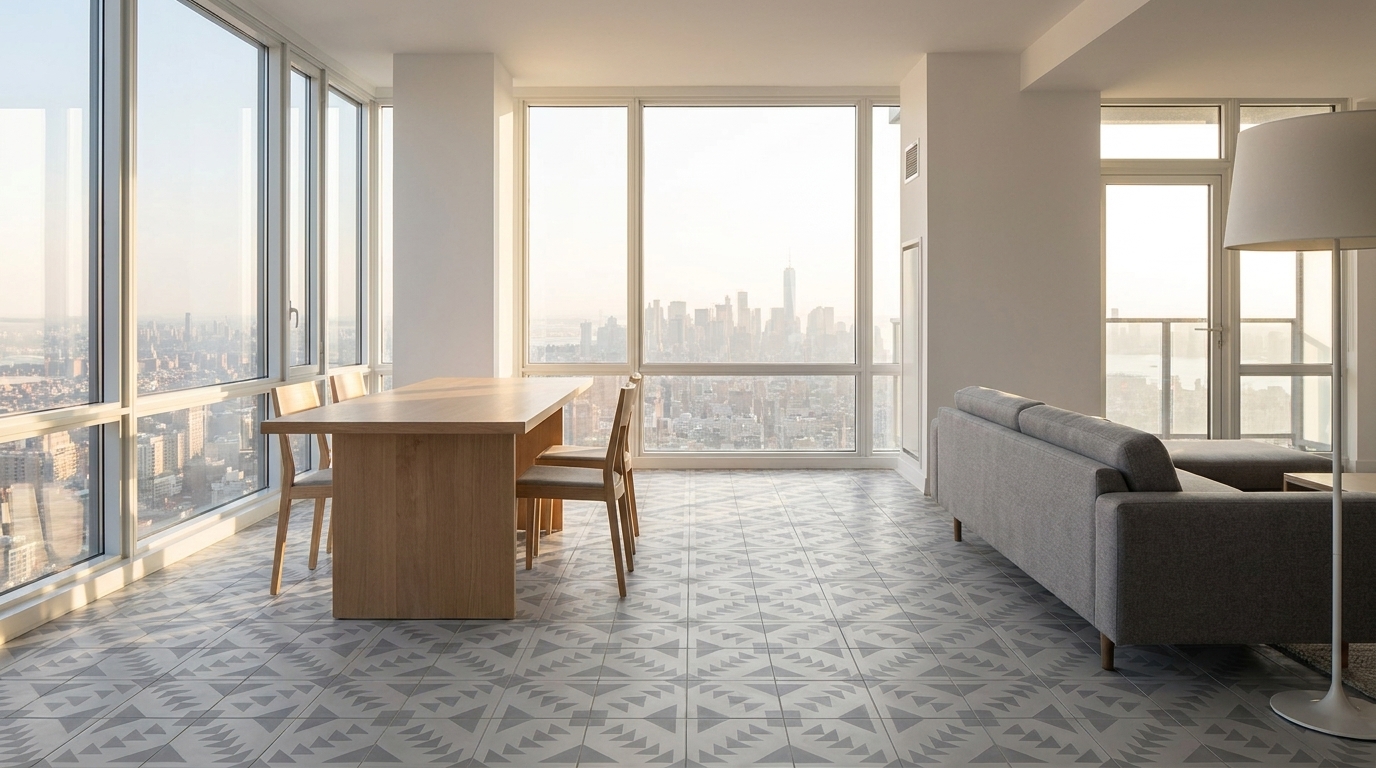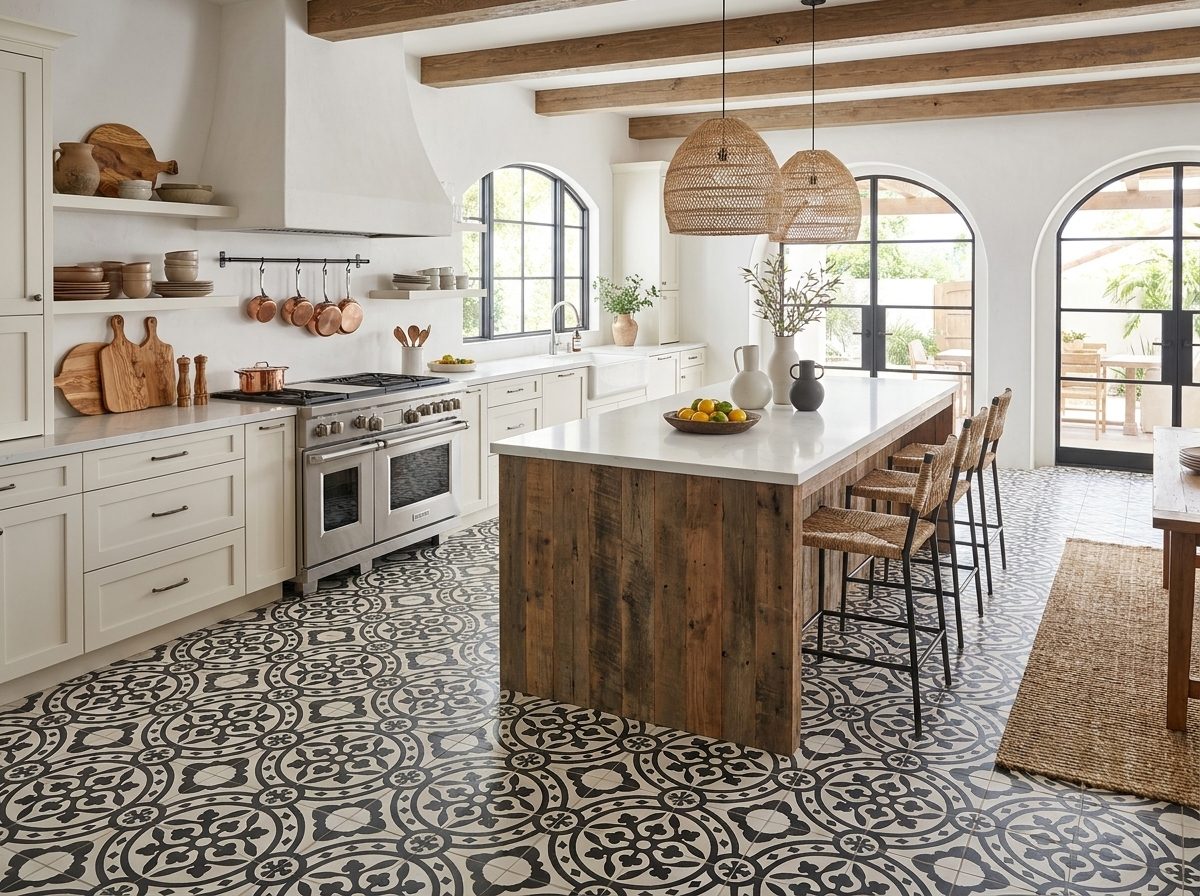
Buying cement tiles for the first time is an exciting decision — and, if you’re not prepared, a surprisingly complicated one. The market for handmade cement tiles in the United States has grown significantly over the past decade, and with that growth has come a wide range of suppliers, quality levels, and purchasing experiences.
Some suppliers ship tiles made to a genuine handmade standard, with mineral pigments pressed under hydraulic pressure and consistent thickness that makes installation straightforward. Others sell lower-quality alternatives that look similar in photographs but perform very differently once installed. The difference isn’t always visible from a product listing — which is exactly why understanding what to look for before you buy matters so much.
This guide walks through every dimension of the cement tile purchasing decision: what quality indicators to check, what questions to ask a supplier, how to think about quantity and timing, and what separates a specification that will look beautiful for decades from one that becomes a problem within years. Whether you’re a homeowner planning a kitchen renovation, a designer specifying for a client, or a contractor advising on material selection, this is the information you need before placing an order.
Start With the Material: What Genuine Quality Looks Like

Before evaluating any specific supplier, it helps to understand what genuine quality looks like in a cement tile. Knowing this makes it much easier to compare options and ask the right questions.
Pigment Depth and Color Consistency
In a genuine handmade cement tile, mineral pigments are poured directly into the mold and pressed into the tile body. As a result, the color runs through the full wear layer — typically 4–5mm deep. This means that surface scratches and minor chips reveal the same color beneath, rather than exposing a foreign gray substrate.
Additionally, mineral pigments produce a color depth and warmth that synthetic or printed alternatives cannot replicate. When you hold a high-quality cement tile in natural light, the color has a subtle, almost luminous richness. By contrast, lower-quality tiles often look flat or slightly artificial in the same lighting conditions.
Dimensional Consistency
Because cement tiles are hydraulically pressed rather than hand-formed, every tile in a properly made batch should be consistent in thickness — typically around 15–17mm for standard tiles. Significant thickness variation between tiles in the same order is a sign of quality control problems, and it makes installation far more difficult.
Therefore, when evaluating a supplier, ask specifically about their thickness tolerance. Furthermore, request tiles from different production batches if possible — consistency across batches is a sign of mature manufacturing standards.
Pattern Sharpness
In a well-made cement tile, pattern edges are clean and precise. Colors within the pattern meet cleanly rather than bleeding into one another. This sharpness is a product of careful mold preparation and controlled pigment pouring — skills that separate experienced cement tile manufacturers from lower-quality alternatives.
Blurry pattern edges or significant color bleeding within a tile are visual signs of compromised manufacturing process. Consequently, always request a physical sample before ordering — photographs rarely reveal this level of detail.
Questions to Ask Any Cement Tile Supplier
Whether you’re contacting a well-known brand or a newer supplier, these questions will help you evaluate quality and reliability before committing to an order.
How long have you been manufacturing cement tiles? Experience matters in cement tile production. The hydraulic press technique requires refined calibration, and experienced manufacturers have resolved the production variables that cause quality inconsistency in newer operations. Suppliers with decades of manufacturing history offer meaningful assurance of consistent quality.
Where are your tiles manufactured? Cement tiles made in established production regions — particularly Mexico, Morocco, and Western Europe — often benefit from generations of accumulated craft knowledge. Moreover, knowing the manufacturing location helps you understand lead times, import logistics, and any relevant quality certifications.
Can I order physical samples before placing a full order? Any reputable cement tile supplier should be able to provide physical samples. Furthermore, they should be willing to provide samples from the same production batch you’ll be ordering from, not display models that may differ from current production. If a supplier resists sample requests, that’s a significant warning sign.
What is your thickness tolerance? Ask for the specific thickness tolerance across a production batch. A tight tolerance — within 1mm — indicates good quality control. Wider variation means installation will require more adjustment and increases lippage risk.
Do you carry inventory, or is everything made to order? This affects your project timeline significantly. Some suppliers maintain in-stock inventory for fast dispatch; others produce to order with lead times of several weeks. Understanding this upfront allows you to plan your project schedule accurately.
What is your return or replacement policy for quality issues? Quality disputes occasionally arise even with reliable suppliers. Understanding the resolution process before you order — not after — protects your project and your client relationship.
In-Stock vs. Custom: Understanding Your Options

Most cement tile suppliers offer two purchasing pathways: in-stock patterns available for immediate or near-immediate order, and custom-made tiles developed specifically for a project. Understanding the difference helps you choose the right pathway for your timeline and design brief.
In-Stock Cement Tiles
In-stock tiles are patterns and colorways the supplier has already produced and holds in warehouse inventory. They offer several advantages. First, lead times are significantly shorter — often a matter of days or weeks rather than months. Second, you can typically order a sample of the exact tile you’ll receive, from the same production batch.
For projects with standard timelines and clients who are happy to choose from a curated selection, in-stock tiles are usually the right choice. Moreover, established in-stock patterns often represent the supplier’s most proven, most frequently specified designs — which is itself a form of quality assurance.
Explore ready-to-order patterns at Original Mission Tile’s In-Stock Collection.
Custom-Made Cement Tiles
Custom tiles are developed specifically for a project — in a pattern, colorway, or size not available in the standard range. They offer complete creative freedom, and for projects where the tile is the core design concept, that freedom is worth the additional planning it requires.
However, custom tiles require longer lead times — typically 10–16 weeks from design approval to delivery. Additionally, minimum order quantities typically apply. For designers and architects working on significant residential or commercial projects, engaging a supplier’s custom team early in the design process — ideally at the concept stage — is essential.
Original Mission Tile’s Custom Made Collection is specifically designed for this kind of collaborative, project-specific development.
How to Calculate How Much to Order
Calculating cement tile quantities accurately is one of the most practically important steps in the purchasing process. Ordering too little creates dye lot matching problems later; ordering too much wastes budget.
The Basic Calculation
Measure the total area to be tiled in square feet. Then add 10–15% to that figure for cuts, waste, installation errors, and future repairs.
For standard rectangular rooms, the calculation is straightforward: length × width + 10–15% overage. For rooms with irregular shapes, multiple zones, or complex pattern layouts, work with your installer to calculate the required area before ordering.
Why the Overage Matters
The overage allowance isn’t optional — it’s a specification essential. First, every installation generates waste from cuts at walls, doorways, and obstacles. Second, even careful installers occasionally crack or chip a tile during installation. Third, and most importantly, maintaining reserve tiles from the same dye lot gives you a perfect match for any future repairs.
Cement tiles from different production batches can vary slightly in tone, even within the same colorway. Therefore, having tiles from the original batch on hand means future repairs remain invisible rather than obviously patched.
Large Commercial Projects
For commercial projects with large floor areas, work directly with the supplier’s team to confirm inventory availability before finalizing the specification. Furthermore, for in-stock patterns, request confirmation that sufficient stock from a single dye lot is available to cover the full project area. If not, discuss whether the supplier can produce a supplementary batch to match.
Understanding Lead Times and Delivery
Timing is one of the most common sources of project delays in cement tile projects. Understanding lead times clearly, before placing an order, prevents schedule problems on the contractor’s side and manages client expectations effectively.
In-Stock Lead Times
For in-stock tiles, most reputable suppliers can dispatch within one to three weeks of order confirmation. Delivery time then depends on shipping distance and method. For large orders, freight shipping is typically more economical than parcel shipping, but it adds coordination requirements around delivery scheduling and offloading.
Custom Lead Times
Custom tile lead times typically range from 10 to 16 weeks from design approval, depending on the complexity of the pattern, the order volume, and the supplier’s current production schedule. Consequently, custom tile orders for time-sensitive commercial projects should be initiated well before they’re needed — not in parallel with the construction schedule.
Planning for Delays
Even with reliable suppliers, occasional delays happen. As a result, build a buffer of two to four weeks into any project schedule that depends on a specific tile delivery date. This is particularly important for commercial projects where tile installation follows other trades and a late delivery creates a cascade of schedule impacts.
What Makes a Cement Tile Supplier Worth Trusting

Beyond product quality, a few supplier characteristics separate reliable long-term partners from transactional vendors.
Transparency about the manufacturing process. Trustworthy suppliers are open about where and how their tiles are made. They can answer specific technical questions about pigments, pressing pressure, thickness tolerances, and quality control processes.
Genuine design support. The best suppliers don’t just sell tiles — they help you make better decisions. This includes providing honest guidance on pattern and colorway choices, pointing out potential installation challenges for specific designs, and flagging when a design concept may not translate as expected from screen to physical tile.
A visible project portfolio. Completed installations, documented with photography and available for review, provide the most reliable evidence of real-world performance. Suppliers who can show their tiles in completed residential and commercial projects — across a range of applications — demonstrate confidence in their product’s long-term performance.
Use the Design Studio to visualize patterns and colorways before ordering samples, and explore completed installations in the Projects Gallery to see how Original Mission Tile products perform in real projects.
FAQ: Buying Cement Tiles
How do I know if a cement tile is genuinely handmade? Request a physical sample and examine it in natural light. Genuine handmade cement tiles show subtle color variation between individual tiles within the same batch, clean but slightly imperfect pattern edges, and a matte surface with micro-texture from the pressing process. Additionally, ask the supplier directly about their production process — experienced manufacturers are always willing to explain how their tiles are made.
Can I buy cement tiles at a big-box store like Home Depot or Tile Shop? Large home improvement retailers typically don’t carry genuine handmade cement tiles. Instead, they stock ceramic or porcelain tiles with printed cement tile-style patterns. These alternatives look similar in product photography but lack the pigment depth, material authenticity, and long-term performance of genuine handmade cement tile. Specialist suppliers are the right source for the real product.
How do I handle damaged tiles when they arrive? Inspect your delivery carefully before the carrier leaves, and document any visible damage with photographs. Most reputable suppliers have clear replacement policies for shipping damage. Furthermore, report any quality discrepancies — tiles that differ visually from the ordered colorway, or significant thickness variation — promptly after unpacking, rather than after installation has begun.
What’s the minimum order quantity for cement tiles? Minimum order quantities vary by supplier and by product type. For in-stock tiles, many suppliers can fulfill smaller orders without a minimum. For custom tiles, minimums typically apply and are specified in the supplier’s custom production terms. Contact the Original Mission Tile team directly to discuss quantity requirements for your specific project.
Conclusion: The Right Purchase Decision Starts Before You Order
The most successful cement tile projects share one quality: the buying decision was made carefully, with full information about material quality, supplier reliability, quantity requirements, and timing. Problems in cement tile projects almost always trace back to a purchasing decision made under time pressure, without adequate sample evaluation, or without a clear understanding of what quality looks like.
Take the time to request samples. Ask the right questions. Understand your quantity needs before placing an order. And choose a supplier whose manufacturing history, design support, and project portfolio give you genuine confidence in the quality of what you’re buying.
When the floor goes in, you’ll know the difference.
Ready to start your cement tile project?
Request samples from the In-Stock Collection, explore custom options through the Custom Made Collection, visualize your project in the Design Studio, and browse completed projects in the Projects Gallery.