A great restaurant design is about so much more than just looking good. It’s a strategic tool, a way to shape how guests feel, drive traffic, and tell a story that sticks with people long after they’ve paid the bill. The best designs aren’t just pretty—they blend a compelling narrative with seriously smart space planning, using color, texture, and light to build an experience you can’t forget.
Defining Your Restaurant’s Core Design Concept

Before you even think about a single chair or paint swatch, you have to nail down your restaurant’s core design concept. Think of this as the soul of your space. It’s the foundational story that will guide every single decision from here on out, making sure the final result feels cohesive and authentic, not just like a collection of nice things.
This is where the food and the physical space really start talking to each other. A farm-to-table spot that’s all about fresh, local ingredients might tell its story through earthy textures, reclaimed wood, and tons of natural light. On the other hand, a high-end sushi bar could express precision and artistry with minimalist lines, moody lighting, and a dark, refined palette.
From Vague Idea to Tangible Vision
Turning a feeling into a physical design is a process. The real trick is moving from abstract words like “cozy” or “modern” to a concrete visual language your team can actually build. Before jumping into aesthetics, it’s absolutely vital that your interior choices line up with a solid branding design that reflects who you are.
Start by asking the big questions:
- Who are you serving? A place designed for millennial foodies will have a totally different vibe from one catering to families or business lunches.
- What’s the mood? Do you want the space buzzing with energy and conversation, or should it feel intimate and relaxed?
- What’s the brand’s personality? Is it playful and quirky, sophisticated and buttoned-up, or rustic and down-to-earth?
A great restaurant concept is a promise you make to every guest. The interior design is the fastest, most powerful way to communicate that promise, setting the stage from the second they walk in the door.
Building Your Visual Toolkit
Once you’ve got a clear story in mind, it’s time to build a visual reference library. This is where those abstract ideas finally start to look and feel real. Mood boards are your best friend here—they’re a visual collage of your entire concept.
Start gathering images that capture the essence of your brand. Don’t just look at other restaurants. Pull inspiration from everywhere: art, fashion, nature, architecture. This collection of textures, colors, and lighting styles becomes your design blueprint.
Next, lock in a foundational color palette, usually three to five core colors that will anchor the whole design. These colors need to do more than just reflect the mood; they should complement the food you’re serving. Think warm, spicy tones for a taqueria, or cool blues and whites for a coastal seafood joint. A great place to start is by seeing how different cement tile designs by style can inform your palette.
This core concept acts as a filter for every choice you make—from flooring to forks—ensuring your final space feels intentional, cohesive, and deeply connected to your brand.
Mastering Space Planning for a Seamless Flow
Great space planning is the invisible engine that powers a successful restaurant. It’s the art of directing a play before the actors even arrive, guiding the customer journey from the moment they walk in while empowering your staff to deliver flawless service. Get it right, and the whole operation feels effortless. Get it wrong, and you’re left with frustrating bottlenecks, awkward table arrangements, and a chaotic atmosphere that can sink even the best food.
Think of your floor plan as a strategic map where every inch has a purpose, from the hostess stand to the farthest table. The goal is to design a layout that nails both the guest experience and staff efficiency. It’s about carefully considering how people move, interact, and feel in the environment.
Creating Distinct Functional Zones
One of the biggest mistakes I see is treating an entire restaurant as one big, undefined box. Instead, the best restaurant interior design ideas rely on creating distinct zones, each with its own purpose and energy. This psychological separation helps manage the vibe and cater to different guest needs.
These zones don’t need physical walls. You can define them with subtle shifts in design:
- The Arrival Zone: This is your first impression—the entrance and host stand. It needs to be welcoming and spacious enough to prevent crowding, while offering a clear glimpse of the restaurant’s atmosphere.
- The Bar and Lounge: Often the energetic heart of the space, this zone is built for social interaction. Seating should encourage mingling, and the layout must give bartenders plenty of room to work their magic.
- Main Dining Area: This is where the core dining experience unfolds. Offer a mix of seating—intimate two-tops, larger tables for groups—to strike a balance between privacy and a communal feel.
- Private or Semi-Private Spaces: Areas for events or large parties should feel special but still connected to the main design. You can create this separation with partitions, curtains, or even a slight change in elevation.
A well-zoned restaurant guides guests intuitively. They should naturally understand where to wait, where to drink, and where to dine without needing a roadmap. It’s a silent conversation between the space and the visitor.
Optimizing Seating and Circulation
Maximizing your seating is obviously key for the bottom line, but never at the expense of comfort. A good rule of thumb is to allocate 15 to 20 square feet per diner. This accounts for their table, chair, and the circulation space around them. Cramming tables together is a recipe for a bad Yelp review; guests feel claustrophobic, and staff can’t navigate the floor.
To get the balance right, you have to think about “desire lines”—the natural paths people take. Your layout must have clear, unobstructed pathways for both guests and staff.
Key Pathway Considerations:
- Server Highways: These are the main arteries connecting the kitchen, server stations, and dining areas. Make them wide enough for two people to pass comfortably to prevent collisions during a busy service.
- Guest Pathways: The routes from the entrance to tables and restrooms should be obvious and easy to follow. Avoid putting tables in high-traffic zones where diners will constantly get bumped or disturbed.
- ADA Compliance: This isn’t just a legal box to check; it’s fundamental to good hospitality. Pathways must be at least 36 inches wide, and you must provide accessible seating options and clear routes to all essential areas.
By thoughtfully designing these pathways, you prevent operational chaos and ensure every guest has a pleasant, uninterrupted meal. The best layouts feel spacious even when the restaurant is packed. For more ideas on how to showcase your interior elements effectively, check out our guide on creating compelling tile showroom display ideas. It offers great insights into visual merchandising that can easily be adapted to restaurant zoning.
Choosing Materials That Blend Beauty with Durability
In a restaurant, your materials are the unsung heroes. They have to survive the daily chaos of foot traffic, spills, and constant cleaning, all while looking fantastic and telling your brand’s story. Picking the right finishes is a serious balancing act between jaw-dropping beauty and workhorse durability.
Think of your material palette as the restaurant’s wardrobe. Just like fabric choice dictates the feel of an outfit—from rugged denim to luxurious silk—your selection of wood, metal, and tile sets the entire tone for the dining experience. The goal is to choose materials that not only look incredible on opening night but also age with grace.
The Rise of Authentic and Artisanal Finishes
There’s been a major shift in restaurant design lately. We’re seeing a huge move toward natural materials and artisanal finishes. Operators are ditching the mass-produced, utilitarian furniture for design-driven pieces that forge a real brand experience. It all comes back to a growing hunger for authenticity and craftsmanship. You can read more about how premium design features are entering commercial dining rooms on modernrestaurantmanagement.com.
This trend is all about using materials that have a story, a texture, and a sense of place. It’s about creating a space that feels curated and personal, not just pulled from a catalog.
As this chart shows, the dining areas—which see the most wear and tear—take up the lion’s share of a restaurant’s footprint.

This breakdown makes it crystal clear: investing in durable materials for your dining zones isn’t just an aesthetic choice, it’s a critical operational one.
The Timeless Appeal of Handmade Cement Tiles
When it comes to artisanal materials, handmade cement tiles are in a class of their own, blending incredible durability with endless design flexibility. Unlike ceramic tiles where the pattern is just a surface glaze, the color in a cement tile runs all the way through. This means the design won’t wear off, even in the busiest entryways or bar areas. Their naturally matte, silky finish also offers a sophisticated, non-reflective surface that feels warm and inviting underfoot.
This built-in toughness makes them a perfect fit for high-impact zones:
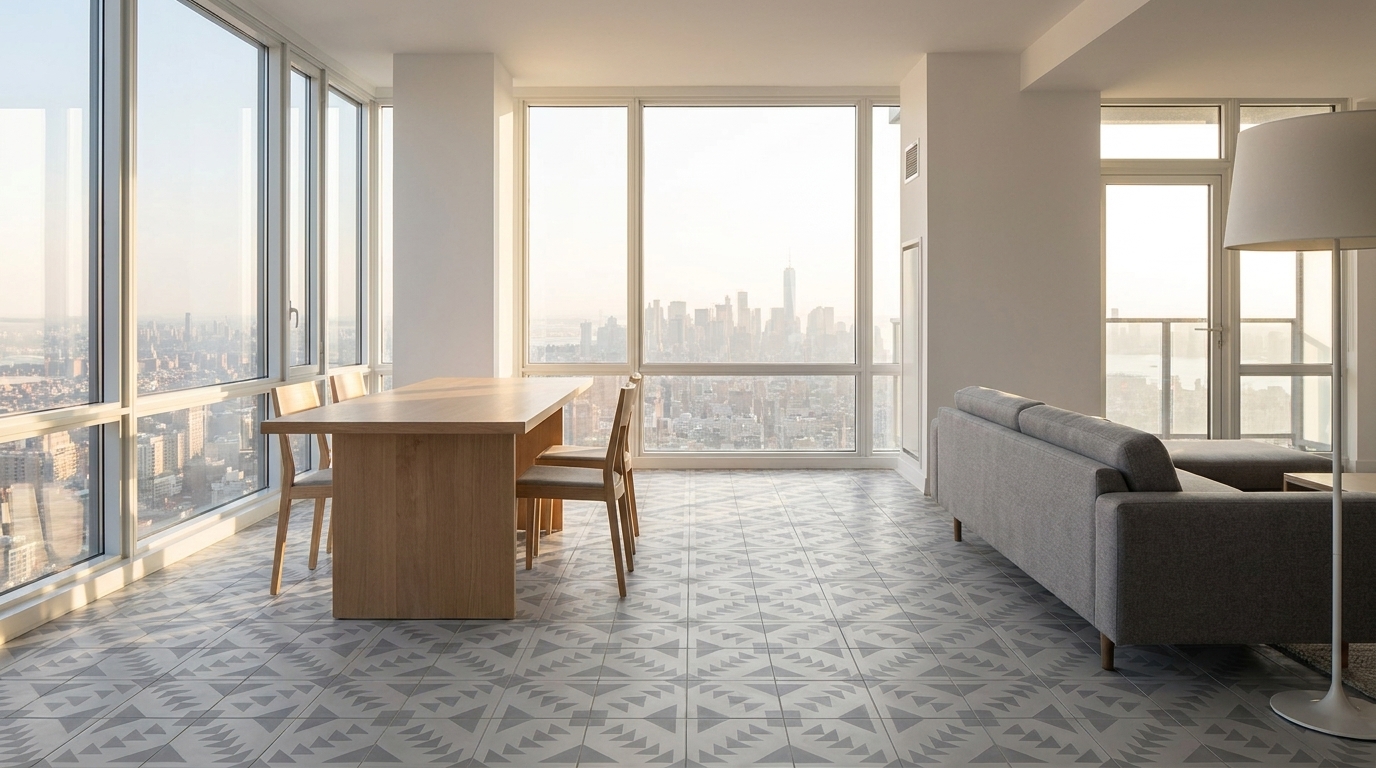
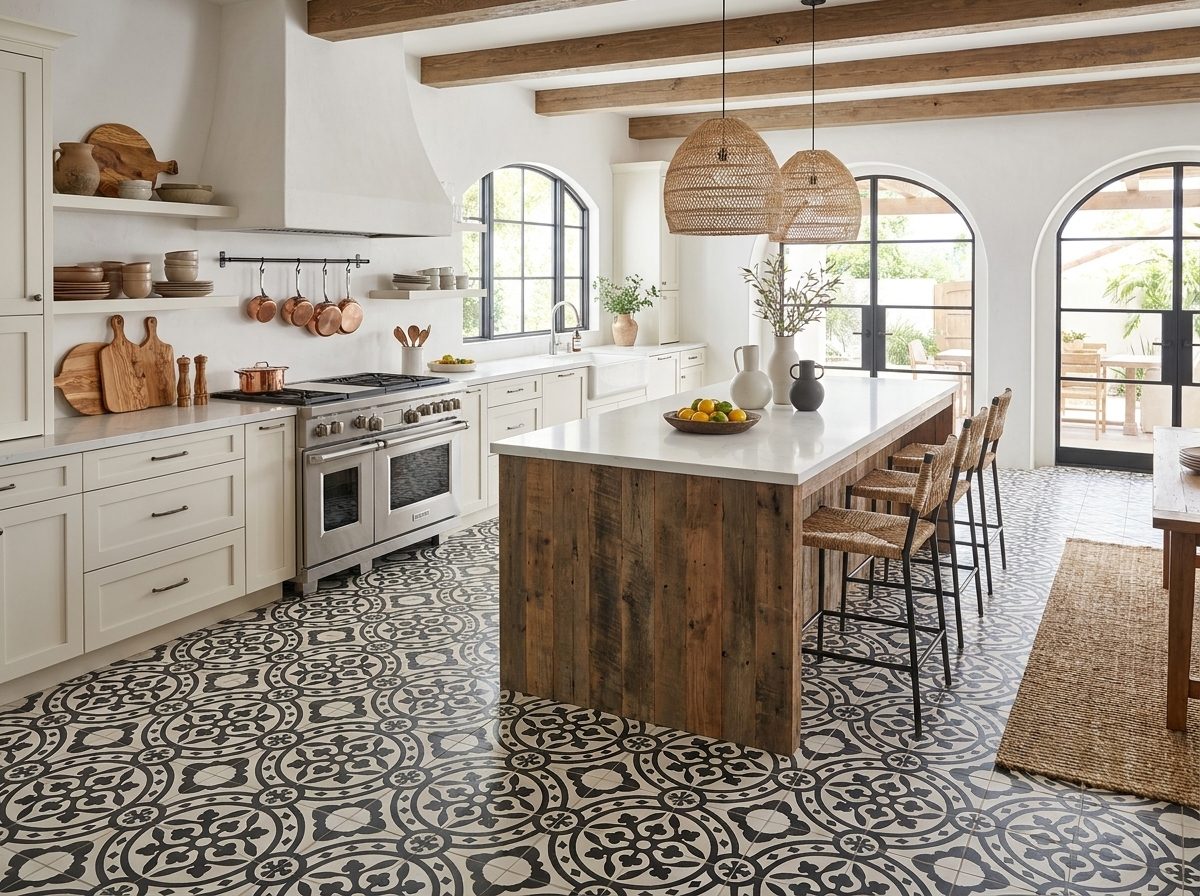
- Statement Floors: A bold, patterned cement tile floor in the entryway or main dining room can become the centerpiece of your design, creating an unforgettable first impression.
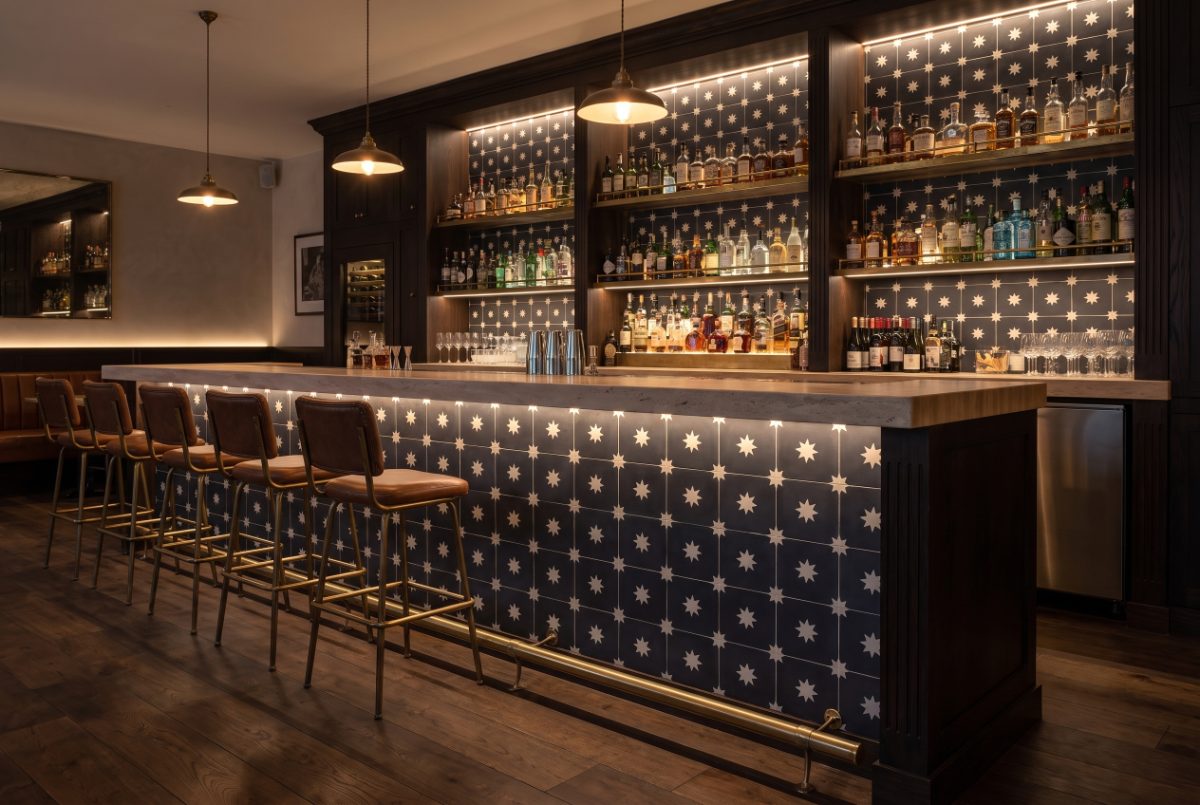
- Bar Fronts and Backsplashes: Covering a bar front with custom-patterned tiles transforms a purely functional element into a piece of art that tells your brand’s story.
- Feature Walls: A wall of geometric or floral tiles can define a specific zone, like a lounge or private dining room, giving it a unique character.
Cement tiles aren’t just a floor covering; they are a narrative tool. Their rich colors and custom patterns let you weave your brand’s identity directly into the architecture of the space, creating a design that is truly one-of-a-kind.
Of course, when you’re choosing flooring, safety is just as important as style. It’s crucial to understand the slip resistance of any material you’re considering, especially in areas prone to spills. For a deeper dive, check out our guide on selecting the right anti-slip tile for commercial spaces.
Balancing Your Material Palette
Beyond tile, a great restaurant design weaves together a thoughtful mix of other hardworking materials. Each one plays a part in building a rich, layered sensory experience for your guests.
To help visualize how different materials stack up, here’s a quick comparison of common choices for high-traffic restaurant spaces.
Material Suitability for High-Traffic Restaurant Areas
| Material | Best For | Durability | Maintenance | Aesthetic Impact |
|---|---|---|---|---|
| Cement Tile | Floors, bars, feature walls | Excellent | Requires sealing, pH-neutral cleaners | High; artisanal, custom patterns |
| Reclaimed Wood | Tables, wall paneling, beams | Good to Excellent | Needs sealing/finishing; can scratch | High; adds warmth, history, texture |
| Performance Fabric | Banquettes, chairs, booths | Very Good | Stain-resistant, high rub counts | Versatile; wide range of colors/textures |
| Quartz/Solid Surface | Bar tops, host stands | Excellent | Non-porous, easy to sanitize | Moderate to High; clean, modern, consistent |
| Sealed Concrete | Floors, bar tops, counters | Very Good | Must be properly sealed/maintained | High; industrial, modern, minimalist |
| Commercial Vinyl | High-traffic seating | Excellent | Very easy to clean and sanitize | Varies; can mimic leather, fabric |
By carefully selecting and layering these finishes, you build a space that isn’t just visually stunning but is truly built to last.
A Closer Look at Complementary Materials
Reclaimed Woods
Reclaimed wood brings instant warmth, character, and a sense of history to a space. It’s perfect for tabletops, wall paneling, or dramatic ceiling beams. Its natural imperfections and aged patina add a rustic authenticity that brand-new materials just can’t replicate.
Durable Upholstery
For banquettes and chairs, performance fabrics are non-negotiable. Always look for commercial-grade textiles with high rub counts (a measure of how well they resist abrasion) and stain-resistant finishes. Materials like high-quality vinyl, treated leathers, and solution-dyed acrylics deliver both style and serious longevity.
Resilient Countertops
Bar tops and host stands face an absolute onslaught. Materials like quartz, sealed concrete, and non-porous solid surfaces are fantastic choices. They resist stains from wine and coffee, are a breeze to sanitize, and can withstand the constant impact of glasses and plates, ensuring they look great for years to come.
Using Layered Lighting to Shape the Atmosphere
Lighting is the silent partner in every great restaurant design. Get it right, and you can single-handedly turn a nice space into a magical one. The trick is to stop thinking of lighting as a single switch and start thinking of it as painting with light. A thoughtful plan uses multiple layers to sculpt the room, guide the eye, and make everything—from the architecture to the food—look incredible.
The best approach is to orchestrate three distinct layers of light. Each has a specific job, but when they work together, they create a rich, dynamic atmosphere that feels both functional and full of emotion.
The Three Foundational Layers of Light
Great lighting isn’t just about making a room bright; it’s about the interplay of light and shadow. When you master the balance between ambient, task, and accent lighting, you gain precise control over your restaurant’s personality.
- Ambient Light: This is your foundation, the room’s overall glow. It sets the base level of brightness and makes sure people can move around safely. Think of it as the broad, first brushstroke that decides if a room feels bright and bustling for lunch or dim and intimate for dinner.
- Task Light: This is the workhorse layer. It’s focused, functional light aimed right where things happen—like over tables so guests can read the menu, or at the bar so staff can work their magic. It’s practical, but it absolutely contributes to the design.
- Accent Light: This is where the drama comes in. Accent lighting spotlights the details you want people to notice: a piece of art, a beautifully textured wall, a striking floral arrangement, or a cool architectural feature. It creates depth, visual interest, and a real sense of occasion.
Effective lighting design is a silent storyteller. It can make a small space feel larger, a large space feel more intimate, and subtly guide your guests on an emotional journey from the moment they arrive.
Setting the Mood with Color and Intensity
Beyond the three layers, two other elements are critical: color temperature and intensity. Nail these, and you’ve unlocked the secret to creating atmosphere on demand.
Color temperature, measured in Kelvins (K), is all about the perceived warmth or coolness of the light. Lower Kelvins give off a warm, golden glow, while higher Kelvins produce a cool, bluish-white light.
- Warm Light (2200K-2700K): This is the sweet spot for creating a cozy, intimate, and relaxing vibe. It’s perfect for fine dining, romantic bistros, and lounges where you want guests to settle in and stay awhile.
- Neutral Light (3000K-3500K): This range feels clean, natural, and welcoming. It’s a great choice for fast-casual spots or cafes that want a friendly, alert atmosphere.
- Cool Light (4000K+): This bright, crisp light can feel sterile and is almost never used in dining areas. You’ll find it where it belongs: in kitchens and back-of-house spaces where visibility and safety are the top priorities.
Intensity, or brightness, is the final piece of the puzzle. The ability to dim your lights is completely non-negotiable in restaurant design. A good dimmer system allows your restaurant to transition seamlessly from a bright, energetic lunch service to a low-lit, dramatic dinner scene. That flexibility is everything.
Embracing Outdoor and Sustainable Design Trends

The best restaurant designs are blurring the lines between inside and out. Diners today aren’t just buying a meal; they’re looking for an experience—one that connects them with nature and reflects their values. This has given rise to two of the most powerful forces in hospitality design: seamless outdoor spaces and genuine sustainability.
These aren’t just passing fads. They’re a fundamental shift in what it means to be a modern restaurant. An all-weather patio isn’t just “extra seating” anymore; it’s a core part of the atmosphere. And an eco-conscious design isn’t just a bullet point on a press release; it’s a business essential that builds loyalty with today’s guests.
Extending the Experience Outdoors
The real magic happens when your outdoor space feels like a natural continuation of the interior, not an afterthought. You want to avoid that jarring moment where the carefully curated indoor vibe just… stops at the door. Cohesion is everything.
The trick is to create a unified sensory journey by echoing the materials, colors, and textures from your indoor palette.
Here are a few ways to pull it off:
- Consistent Flooring: Using similar or complementary floor tiles creates an incredible visual flow. Durable patterned cement tiles are perfect for this, as many collections work beautifully both indoors and out.
- Living Walls: A vertical garden instantly brings lush texture and life to an outdoor area. It’s a stunning natural backdrop that also happens to improve air quality.
- Thoughtful Furnishings: Don’t just grab any weather-proof chair. Select outdoor furniture that mirrors the style and comfort of your interior pieces to keep the brand experience consistent.
To make patios comfortable and usable even on warmer days, exploring options like the best outdoor ceiling fans can be a game-changer, extending your service hours and enhancing the overall ambiance.
Weaving Sustainability into Your Design
Sustainable design has grown up. It’s no longer just about having a recycling bin in the back. It’s about making smart, conscious choices at every single stage of the design process to create a space that’s as responsible as it is beautiful. This is how you build brand trust and shrink your environmental footprint at the same time.
In fact, the entire industry is shifting toward zero-waste kitchens and eco-first design as a non-negotiable part of doing business. It’s about more than just where you source your ingredients; it’s about building with reclaimed materials and choosing low-impact decor that tells a story of environmental respect. Diners notice, and they often measure a restaurant by its commitment to the climate.
Sustainable design isn’t about sacrifice; it’s about smart, intentional choices. A material’s longevity is a core tenet of sustainability—the less you have to replace, the smaller your environmental footprint.
Actionable Ideas for Eco-Conscious Interiors
Here’s the good news: integrating sustainability doesn’t mean you have to compromise on aesthetics. Often, the most eco-friendly choices are the ones that add the most character and soul to a design.
Here are a few practical ways to build a greener restaurant:
- Specify Reclaimed Materials: Think reclaimed wood for tabletops, salvaged brick for a feature wall, or repurposed metal for custom light fixtures. These materials bring a sense of history and texture you can’t get from brand-new items.
- Install Energy-Efficient Systems: This goes way beyond the kitchen. Specify 100% LED lighting on dimmer systems. It’s a simple switch that can slash your lighting energy use by up to 80%.
- Choose Low-Impact Finishes: Always opt for paints with low or zero volatile organic compounds (VOCs). It’s a critical choice for ensuring better indoor air quality for your guests and your staff.
- Select Durable, Long-Lasting Surfaces: This is where materials like handmade cement tiles truly shine. They are inherently sustainable because their durable construction means they last for decades, drastically reducing the waste and resources tied to frequent renovations.
By embracing both the outdoors and a commitment to sustainability, you’re not just building a place to eat. You’re creating a destination that feels connected, responsible, and perfectly in tune with what matters to people today.
Answering Your Toughest Restaurant Design Questions
Designing a restaurant is a massive undertaking, and it’s completely normal to have a million questions swirling around. From making sure your design has staying power to avoiding rookie budget mistakes, a little expert insight goes a long way. Here are straightforward answers to the questions we hear most often.
How Do I Create a Design That Won’t Look Dated in a Few Years?
The secret is to stop chasing trends and start telling an authentic story. A timeless design is built on a strong concept, not the latest fad you saw in a magazine. Invest your money in the foundational, high-touch elements of your space—your flooring, your bar top, your architectural features. This is where quality pays off for years to come.
Take handmade cement tiles, for instance. Their patterns often pull from historical motifs, giving them a classic feel right out of the box, and they’re tough enough to handle decades of foot traffic. Build your design around a solid, sophisticated base palette, then bring in the trendy stuff through elements that are cheap and easy to swap out.
Think about using current colors in:
- Throw pillows for your banquettes
- Vases or candle holders on the tables
- Artwork that can be rotated seasonally
- Menu designs and other printed materials
At the end of the day, a functional layout, great lighting, and genuine comfort for your guests will never go out of style. An authentic design that reflects your brand’s story will always outlast one that just copies a passing trend.
What Are the Most Common Budget Mistakes in Restaurant Design?
The biggest and most painful mistake is underestimating the “unseen” costs. Everyone gets excited about the finishes, but the budget gets blown by things like mechanical, electrical, and plumbing (MEP) upgrades, permitting fees, and professional consultants. These aren’t the sexy parts of the project, but they are absolutely non-negotiable.
Another classic error is pouring too much cash into purely decorative items while skimping on the hardworking surfaces your customers touch every single day.
Investing in durable materials for your floors, bar tops, and seating isn’t just an expense—it’s an insurance policy against future shutdowns and replacement costs. Cheap materials might look good on day one, but they’ll cost you far more in repairs and lost revenue down the road.
Finally, never, ever forget the contingency fund. Plan for 10-15% of your total project cost to be set aside for the unexpected. Surprises always pop up during construction—a hidden plumbing issue, a delayed shipment—and that fund is the safety net that keeps your project moving without forcing you to compromise on your vision.
How Much Do Acoustics Matter in Restaurant Interior Design?
They matter immensely. Acoustics are one of the most critical—and most frequently ignored—parts of creating a great guest experience. The sound of your restaurant directly shapes how people feel in it. If it’s too loud and chaotic, conversations become impossible, stress levels rise, and guests rush out the door, often leaving a bad review on their way.
But a restaurant that’s dead silent can feel just as awkward, lacking the energy and buzz that makes dining out fun. The goal is to hit that sweet spot: a comfortable, lively ambiance where conversations are easy and the room feels vibrant, not jarring.
You get there by layering in soft, sound-absorbing materials that stop sound waves from bouncing off hard surfaces.
Smart Acoustic Solutions:
- Upholstered banquettes and chairs
- Heavy drapery over windows
- Acoustic wall and ceiling panels (they come in surprisingly stylish options now)
- Textured wall coverings like fabric or cork
- Even materials like wood and matte-finish tiles help diffuse sound much better than polished concrete, glass, or metal.
Don’t underestimate the power of physical barriers, either. Strategically placed partitions, big leafy plants, or even well-stocked bookshelves can do wonders to break up sound and create a more intimate, comfortable atmosphere.
What Is the Best Way to Use Statement Tiles in a Restaurant?
Statement tiles, like a bold cement tile pattern, are your secret weapon for creating unforgettable focal points and carving out distinct zones in your space. To get the most bang for your buck, use them in high-impact areas where they can become a signature part of your brand’s visual identity.
Imagine a vibrant, geometric pattern welcoming guests on the entryway floor—it makes an instant impression and sets the tone for everything to come. Another winning move is to wrap the bar front or create a backsplash with an intricate tile design. This transforms a purely functional area into a showstopping centerpiece that people will absolutely want to photograph and share.
Statement tiles are also brilliant for visually separating a cozy lounge, a private dining room, or the path to the restrooms, giving each zone its own unique personality. The key, however, is balance.
If you go with a busy, colorful pattern on the floor, keep the surrounding walls and furniture relatively simple. Let the tile be the hero. Conversely, if you use a stunning tile on a feature wall, treat it like a piece of art and let the other elements in the room play a supporting role. This ensures your design feels intentional and sophisticated, not just loud.
At Original Mission Tile, we know that the right materials are the soul of an unforgettable restaurant. Our handmade cement tiles deliver that perfect mix of timeless beauty and commercial-grade toughness, giving you the tools to create a space that tells your story. Explore our collections and start designing a surface that will captivate your guests for years.