Think of a tile where the pattern isn’t just a thin layer of ink printed on top. Instead, imagine that vibrant, intricate design is a thick, inseparable part of the tile itself. That’s the secret behind cement tiles: handcrafted works of art where the color runs all the way through, ensuring the pattern never fades.
So, What Makes a Cement Tile Different?
Unlike ceramic or porcelain tiles, which get their designs from a glaze that’s fired in a kiln, cement tiles are born from a completely different, hands-on process. It’s less about mass production and more about artistry.
The process is a beautiful blend of skill and patience. Artisans mix a custom batch of cement, fine sand, marble dust, and natural mineral pigments for each color in a design. This rich, colorful slurry is then meticulously hand-poured into a metal pattern mold, known as a moule. This creates the top wear layer—the gorgeous, pigmented face of the tile that you see and walk on.
The Hydraulic Press: Where the Magic Happens
Once the pattern is poured, it’s backed with layers of dry cement and sand to give the tile its strength and body. But here’s the key difference: there’s no kiln. No fire. Instead, the entire assembly is placed under a powerful hydraulic press.
This immense pressure—often over 2,000 PSI—is what fuses all the layers into a single, incredibly dense and durable tile.
The result is what we call “through-body” color. This means the pattern isn’t a thin veneer; it’s a substantial layer that makes up the top portion of the tile. As the tile wears down over decades of foot traffic, the design remains just as crisp, developing a soft, lived-in patina that only adds to its character.
This unique, heat-free method is not only more energy-efficient but is also responsible for the tile’s signature silky, matte finish and its legendary longevity. It’s easy to see why they’re a go-to for architects and designers looking for both beauty and resilience.
Cement Tile vs Ceramic Tile At a Glance
To put it in perspective, let’s quickly compare cement tiles to the more common ceramic tiles you might be familiar with. While both are excellent materials, their core differences affect where and how you use them.
| Attribute | Cement Tile | Ceramic Tile |
|---|---|---|
| Color & Pattern | Color is integral (through-body) | Design is on a surface glaze |
| Manufacturing | Cured under pressure, no heat | Fired in a kiln |
| Finish | Naturally matte, silky feel | Can be matte, satin, or glossy |
| Durability | Extremely durable; wears like stone | Varies by rating (PEI) |
| Porosity | Porous; requires sealing | Low porosity (glaze is a barrier) |
| Customization | Highly customizable colors/patterns | Limited to stock designs |
Ultimately, choosing cement tile is about embracing a material with a story—one that patinas gracefully instead of wearing out.
The demand for these durable, artistic materials is soaring. The global market is projected to surge from USD 3.8 billion in 2025 to USD 6.5 billion by 2035, a testament to their timeless appeal. You can read more about the research behind cement tile market growth on MakData Insights.
Whether you’re after a classic black-and-white checkerboard or a vibrant custom pattern, exploring our cement tile collections is the perfect place to start gathering ideas for your project.
How Our Cement Tiles Are Made: A Handmade Story
Far from a sterile factory assembly line, crafting cement tiles is an art form rooted in patience and skill. There are no kilns, no firing, and no high heat. Instead, each tile is born from a blend of natural materials, steady hands, and immense pressure.
It’s a process that hasn’t changed much in over a century, and that tradition is exactly what gives these tiles their soul. Let’s walk through how each piece of functional art is made.
Step 1: Mixing the Color Layer
It all starts with the part you see and live with every day: the color. The artisan begins by creating a pigmented wear layer. This isn’t a glaze or a paint; it’s a thick, liquid slurry made of Portland cement, fine sand, powdered marble dust, and natural mineral pigments.
For a pattern with five different colors, the artisan has to mix five separate batches of this slurry. Each batch is mixed to a precise consistency—think thick pancake batter—to ensure the final colors are vibrant and perfectly uniform.

This diagram shows how those simple, raw ingredients come together: pigments provide the hue, cement acts as the binder, and marble dust gives the tile its signature smooth, durable finish.
Step 2: Hand-Pouring the Pattern
With the colors ready, the true artistry begins. The artisan sets a heavy steel and brass mold, called a moule, inside a square frame. This mold is essentially an intricate, handmade stencil that forms the tile’s final design.
With incredible precision, the artisan carefully pours each colored slurry into its designated compartment within the mold. This is a job that requires a rock-steady hand and years of experience, as the colors must fill their spaces perfectly without bleeding into one another.
This critical step is what creates the tile’s “through-body” color. That vibrant, pigmented layer is typically 3-5 millimeters thick, making the pattern an integral part of the tile itself, not just a surface decoration. It’s why the design won’t fade or wear away over time.
Once the pattern is filled, the metal mold is lifted away, revealing the liquid design in stunning detail.
Step 3: Pressing and Curing for Strength
The delicate, liquid pattern now needs its body. The artisan sprinkles a dry mixture of cement and sand onto the back, which absorbs excess moisture from the colored layer. A second, coarser layer of cement and sand is added to form the base.
Now for the magic. The three-layer tile is placed under a hydraulic press, where it’s subjected to an immense force—often over 2,000 pounds per square inch (PSI). This powerful compression fuses the layers into a single, incredibly dense and solid tile.
After being pressed, the tiles are moved to a curing area. This isn’t a quick process; it’s a slow, deliberate one that gives the tiles their legendary strength.
- Water Bath: First, the tiles are submerged in water for up to 24 hours. This ensures the cement hydrates slowly and consistently, which is the key to maximizing its hardness.
- Air Drying: Next, the tiles are stacked on racks and left to air dry for several weeks. This gradual curing process allows the cement to reach its full potential for strength and durability.
This low-energy, heat-free method is not only better for the environment, but it’s also the secret behind the remarkable resilience you’ll find in every single one of our cement tiles.
Exploring Your Cement Tile Design Options

This is where the fun really begins. While the classic 8×8 inch square is a design workhorse for good reason, cement tile’s true potential lies in its incredible versatility. Think of it as your personal design playground, where you can move beyond standard grids to create a surface that is truly your own.
From geometric forms to elegant curves, the shape, color, and pattern you choose can completely transform the energy of a room.
Beyond the Classic Square
The standard square is timeless, but exploring different formats is what unlocks a whole new level of architectural interest. Each shape brings its own rhythm and feel to a space, fundamentally changing the atmosphere.
Here are some of the most popular alternative shapes we see designers use:
- Hexagons: These six-sided wonders create a modern, honeycomb effect that feels both structured and dynamic. They’re perfect for floors and walls where you want a pattern that draws the eye without being overwhelming.
- Arabesque & Fan: Sometimes called “fish scales,” these elegant, curved shapes bring an Old-World charm and sophistication. You can lay them in different directions to create wave-like patterns or intricate Art Deco-inspired designs.
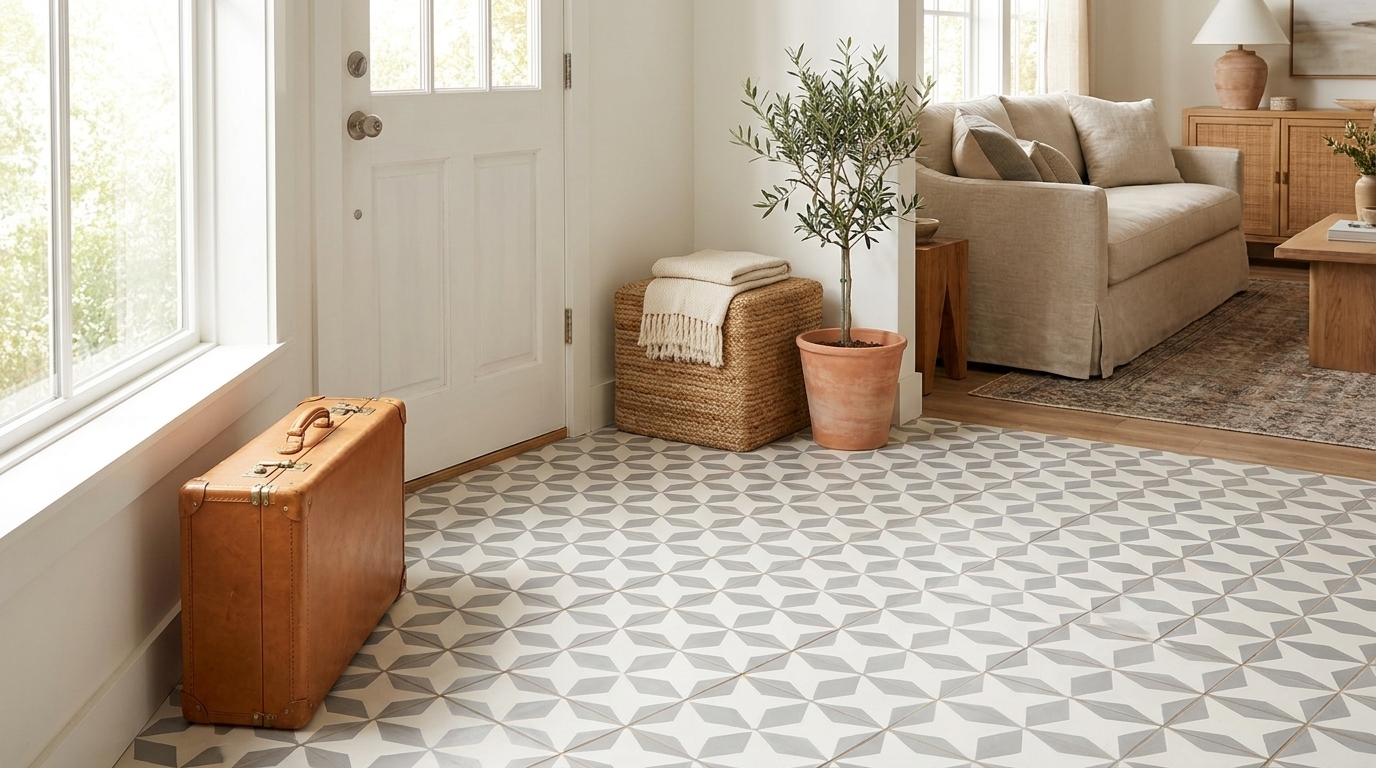
- Star and Cross: This is a classic combination that creates a beautiful interlocking pattern. The two distinct shapes are a perfect canvas for color interplay, making it a statement choice for entryways, backsplashes, and feature walls.
- 3D Tiles: For anyone looking to add texture and depth, 3D cement tiles have sculpted surfaces that create a beautiful play of light and shadow. These dimensional pieces can turn a simple wall into a tactile work of art.
Moving beyond the standard grid is how you create a truly bespoke environment. Each shape offers a different canvas for color and pattern, letting you dial in the exact character you want for the room.
The Power of Pattern and Color
The design flexibility of cement tiles doesn’t stop at the shape. How you use pattern and color is where you can really express your style, whether that’s bold and maximalist or subtle and serene.
The beauty of cement tile is its adaptability. It can be a quiet, supporting element or the undeniable star of the show. The choice between a solid color field and a vibrant pattern is purely a matter of design intent.
For a modern, minimalist look, consider using solid-colored tiles. A floor of solid gray hexagons or a wall of plain white fan tiles creates a sophisticated backdrop that emphasizes texture and form over pattern. It’s a perfect approach for creating a calm, cohesive space that still feels special.
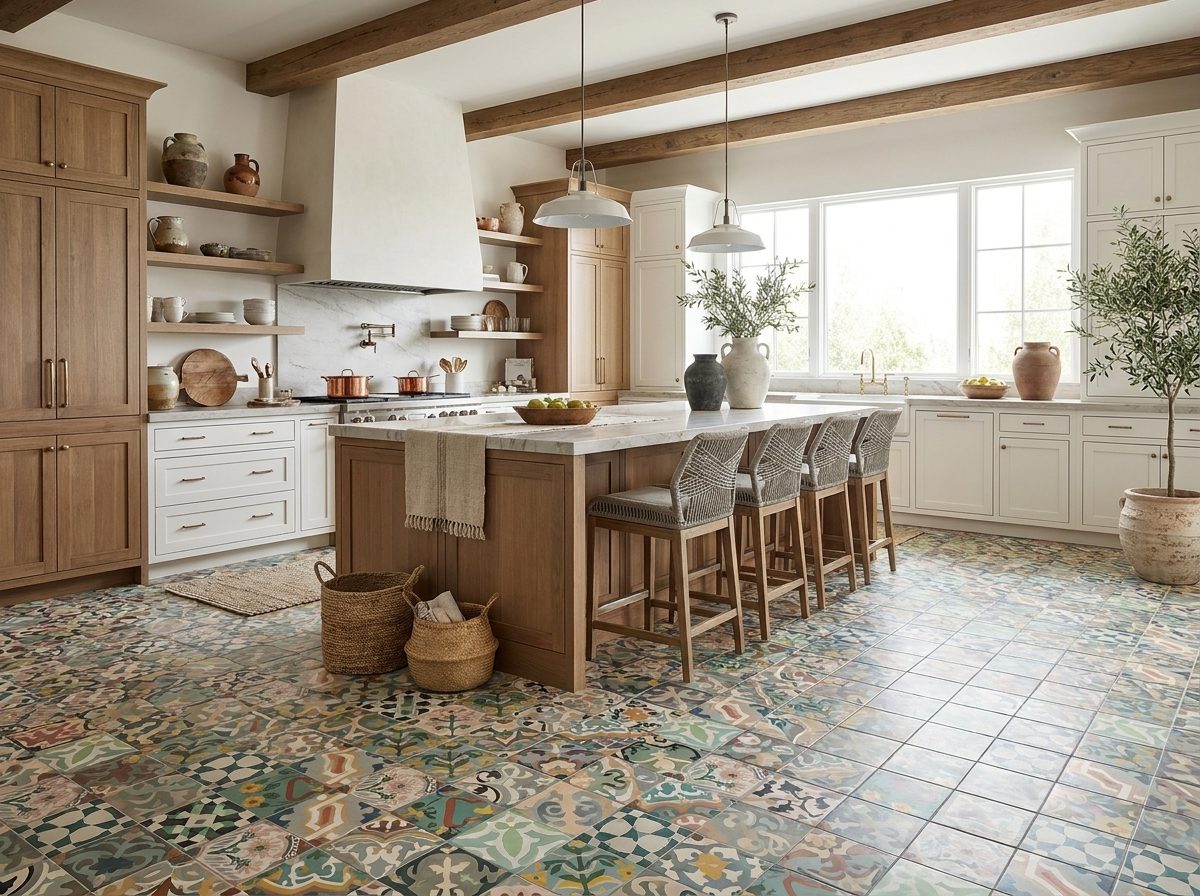
On the other hand, you can lean into the vibrant, artistic heritage of cement tiles with a patchwork design. This involves mixing and matching various patterns and colors to create a lively, one-of-a-kind surface. A patchwork floor or backsplash tells a unique story, giving a space an energetic and personalized feel that can’t be replicated.
Creating Your Own Custom Tiles
Maybe the most exciting part of working with cement tile is the ability to become the designer. If you can’t find the perfect pattern in an existing collection, you can create your own from scratch. With online tools like our Design Studio, you have the power to bring a completely original vision to life.
The process is surprisingly straightforward:
- Select a Pattern: Start with a base template from our library of hundreds of designs.
- Choose Your Colors: Apply your own custom palette to the different elements within the pattern.
- Visualize the Result: See a real-time rendering of your unique tile and how it repeats.
Specialty options, like tiles with brass inlays, add another layer of luxury, blending the raw, matte finish of cement with the warm gleam of metal. From subtle adjustments to a completely new idea, the design options are virtually limitless.
Where to Use Cement Tiles in Your Project

Now for the fun part: where do these handcrafted beauties truly shine? The versatility of cement tiles means they can make a statement in almost any room, but they really sing in certain spots.
Knowing where to place them ensures you get the most out of their signature blend of durability and artistry, from bustling commercial lobbies to serene private bathrooms.
Their legendary toughness makes them a natural choice for high-traffic floors. Think of the areas that take a daily beating: entryways, mudrooms, laundry rooms, and especially kitchen floors.
Unlike glazed tiles that can show wear paths over time, the color in a cement tile runs all the way through. The pattern doesn’t fade; it just develops a beautiful, lived-in patina that tells a story.
This resilience is why you see them in so many commercial spaces. Restaurants, cafes, and retail shops get a floor that can handle constant foot traffic while delivering a powerful design statement that defines the brand’s entire vibe.
Transforming Walls into Focal Points
While they’re flooring workhorses, don’t overlook what cement tiles can do for your walls. A single vertical surface can become a stunning feature that anchors the whole room.
Here are a few go-to wall applications:
- Kitchen Backsplashes: A patterned cement tile backsplash introduces color and personality right into the heart of the home. It creates a vibrant focal point that’s also a breeze to clean once it’s properly sealed.
- Bathroom Accent Walls: Use them to frame a vanity mirror or create a dramatic, full-height feature inside a walk-in shower. Their naturally matte finish offers great slip resistance—a huge plus in wet areas.
- Fireplace Surrounds: As a non-combustible material, cement tile is a perfect choice for updating a fireplace. You can add a touch of modern craft or an old-world, European feel.
The tile world is definitely taking notice. The global cement tile market is projected to grow from USD 3,500 million in 2024 to USD 5,000 million by 2035. It’s a testament to how many designers and homeowners are falling for their unique charm.
Taking Cement Tiles Outdoors
So, can you use cement tiles outside? Yes, but with a bit of planning. They create breathtaking patios, courtyards, and covered walkways, but their outdoor performance depends on two key things: your climate and your sealer.
In climates with harsh freeze-thaw cycles, any moisture that gets into the tile can freeze, expand, and potentially cause cracks. Using them in cold, wet regions demands a meticulous installation and a top-tier sealing strategy to create an impermeable barrier. In milder, drier climates, they perform beautifully with standard care.
As you plan, it’s smart to compare them with other cheap outdoor flooring options for patios. This helps you weigh aesthetics, budget, and long-term upkeep to make the right call for your home.
For any outdoor project, remember this: applying a high-quality penetrating sealer isn’t just a good idea—it’s absolutely essential to protect your tile from the elements for years to come.
How to Install and Care for Your Tiles
A beautiful cement tile installation is one that lasts, and getting it right is about more than just sticking tiles to a wall. While we always suggest hiring a professional installer who truly understands this material, knowing the process yourself is the best way to guarantee a fantastic result.
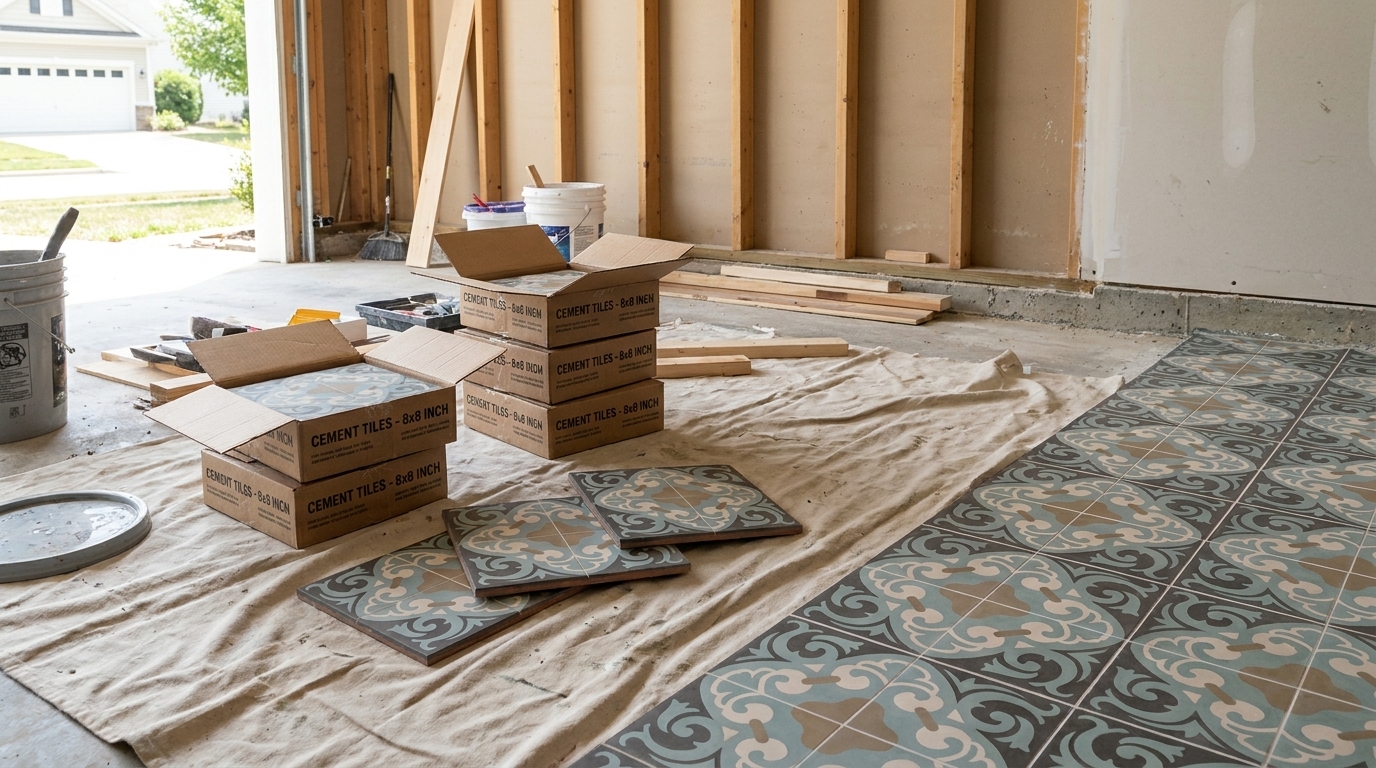
Think of it as protecting your investment. The magic starts with a perfectly level, clean, and stable subfloor. From there, it’s all about patience and precision. Unlike ceramic, cement tiles need to be “back-buttered” with adhesive to ensure 100% coverage. This prevents hidden air pockets that can lead to cracks down the road.
Layout is also a huge part of the craft. Because these are handmade tiles, you’ll see slight variations in color and size. A great installer knows to pull from different boxes, mixing the tiles to create a beautifully blended, cohesive surface that feels alive.
The Non-Negotiable Step: Sealing Before You Grout
If you remember just one thing from this guide, make it this: you must seal them before grouting. This isn’t an optional step—it’s the most critical part of the entire process. Cement tiles are naturally porous, kind of like a sponge. They will absolutely soak up the color from your grout, causing permanent stains.
Think of the sealer as a primer for your tiles. It creates an invisible shield that blocks the grout from sinking into the surface, keeping your tile’s true color pure and vibrant. This pre-grout seal is the single most important action you can take to prevent stains.
After the tiles are set but before any grout is mixed, the surface needs to be cleaned of all leftover adhesive. Then, a high-quality penetrating sealer is applied until the tiles stop absorbing it. This can sometimes take a few coats, so be patient.
Essential Grouting and Curing Tips
Once that initial seal has fully cured, you’re ready for grout. Here are a few pro tips for a flawless finish:
- Choose Grout Wisely: We recommend using unsanded grout with tight grout lines, usually 1/16″ to 1/8″, for that clean, classic look. If you choose a grout color that contrasts sharply with your tile, work in small, manageable sections and clean the excess off immediately to avoid staining, even on a sealed surface.
- Allow Proper Curing: After grouting, the whole installation needs time to breathe and cure. This lets all the moisture from the adhesive and grout fully evaporate. Stay off the floor and keep it completely dry for at least 72 hours.
- Apply the Final Seal: Once everything is cured, clean, and dry, it’s time for the final coats of sealer. This last step protects both the tile and the grout from future water and oil-based stains, making your daily cleanup so much easier.
Long-Term Care and Maintenance
Keeping your cement tiles looking gorgeous is surprisingly simple. The golden rule is to avoid any harsh, acidic, or abrasive cleaners. Anything with vinegar, lemon juice, or ammonia will etch the surface and strip away the sealer, leaving your beautiful tiles vulnerable to damage.
Instead, stick to pH-neutral cleaners made for natural stone or cement. For routine cleaning, a quick sweep or vacuum, followed by a mop with a gentle cleaner and water, is all it takes. For more in-depth advice, check out our guide to cleaning and maintaining cement tiles.
Wipe up spills as soon as you see them, especially acidic stuff like wine, coffee, or juice. A good seal gives you a grace period before anything can penetrate the surface. Finally, plan to reseal your tiles every 2-3 years—or whenever you notice that water no longer beads up on the surface. It’s a simple task that will keep your tiles looking spectacular for decades to come.
How to Specify and Order Your Cement Tiles
So, you’ve landed on the perfect design. Moving from inspiration to installation is exciting, but a few key details will make the process completely seamless, whether you’re a homeowner taking on a project or a seasoned design pro.
First things first: measure your space. Accurately. From there, you can calculate how many tiles you’ll need. We always recommend adding an overage of 10-15% to cover cuts, any potential breakage, and a few extras for future repairs. For a detailed walkthrough on this crucial step, check out our guide on how to measure for tile.
Key Specifications to Consider
Before you hit “order,” you’ll want to lock in a few details. These specs are vital for planning and installation, ensuring the tiles you choose are a perfect fit for your project’s look and structure.
- Standard Sizes and Thickness: The classic 8×8 inch tile is a beloved staple, but we offer many other sizes. Just as important is the tile’s thickness, which is typically around 5/8 inch (16mm). This detail matters for floor transitions and door clearances.
- Tile Weight: Cement tiles are dense and heavy, often weighing several pounds apiece. This isn’t a problem, but it does need to be factored in, especially for second-story installs or wall applications. Your structure needs to be ready to support the load.
- In-Stock vs. Custom Designs: If your timeline is tight, our in-stock collections are ready to ship. For a truly signature look, commissioning a custom tile lets you create your own patterns and colorways—it just requires a bit more time.
Understanding Lead Times and Trade Programs
The magic of cement tile is in its handmade nature, and that artisanal process means custom orders aren’t an overnight affair. Creating a custom mold, hand-pouring each color, and letting the tiles cure properly takes several weeks. Typical lead times for custom cement tiles run from 8 to 12 weeks, so it’s essential to build this into your project schedule.
This handcrafted appeal is precisely why these tiles are so popular. The market is projected to grow to $55,623.70 million by 2030, driven by a strong 6.70% CAGR. That’s a testament to their rise as a design powerhouse. With residential projects leading the way, top producers are creating over 250 million units a year.
For architects, interior designers, and builders, our trade program offers dedicated support to streamline the ordering process. Benefits include specialized pricing, early access to new collections, and personalized service to help manage everything from initial specification to final delivery.
By keeping these logistical details in mind, you can confidently navigate the ordering process and ensure your beautiful tiles arrive right on time, ready for your project.
Your Top Cement Tile Questions, Answered
Thinking about cement tiles for your project? You probably have a few questions. We get it. Here are the straightforward answers to the most common queries we hear, helping you choose with confidence.
Are Cement Tiles Slippery When Wet?
Not really. Cement tiles have a naturally matte finish that’s much less slick than a high-gloss ceramic or porcelain tile. Their slightly porous surface offers a surprising amount of grip underfoot.
Once properly sealed, they provide excellent slip resistance for homes and even light commercial spaces like boutiques or cafes. While you should always be careful with standing water on any floor, cement tiles are a solid choice for bathrooms and kitchens.
Can I Use Cement Tiles with Underfloor Heating?
Yes, and you’ll love it. Cement tiles are a perfect match for radiant underfloor heating.
Because they have high thermal mass, they’re fantastic at absorbing, holding, and then gently radiating warmth. The result is a consistently comfortable floor that feels incredible underfoot on a chilly morning. Just make sure your installer follows the heating system’s guidelines for tile installation.
What’s the Difference Between Cement and Encaustic Tiles?
People often use these terms interchangeably, but there’s a key difference. Historically, true encaustic tiles are ceramic, made by inlaying different colors of clay and then firing the tile in a kiln.Today, most of the vibrant, patterned tiles you see are technically cement tiles. We create that same rich, patterned look by hand-pouring pigmented cement into a mold and hydraulically pressing it—no kiln involved. This method is prized for creating bold, saturated colors and a durable, long-lasting surface.
Do Cement Tiles Stain Easily?
They can if they aren’t sealed. By nature, cement is porous, which means an unsealed tile will drink up spills like red wine, oil, or coffee.
However, sealing is a total game-changer. When your tiles are correctly sealed during installation, they become highly resistant to stains. A quick wipe-down with a pH-neutral cleaner is all you need. Just plan on resealing every few years, depending on foot traffic, to keep them looking perfect.
Ready to explore the timeless beauty and design flexibility of handmade cement tiles? Original Mission Tile has been crafting authentic, high-quality tiles since 1900. Browse our in-stock collections or create your own custom design today.