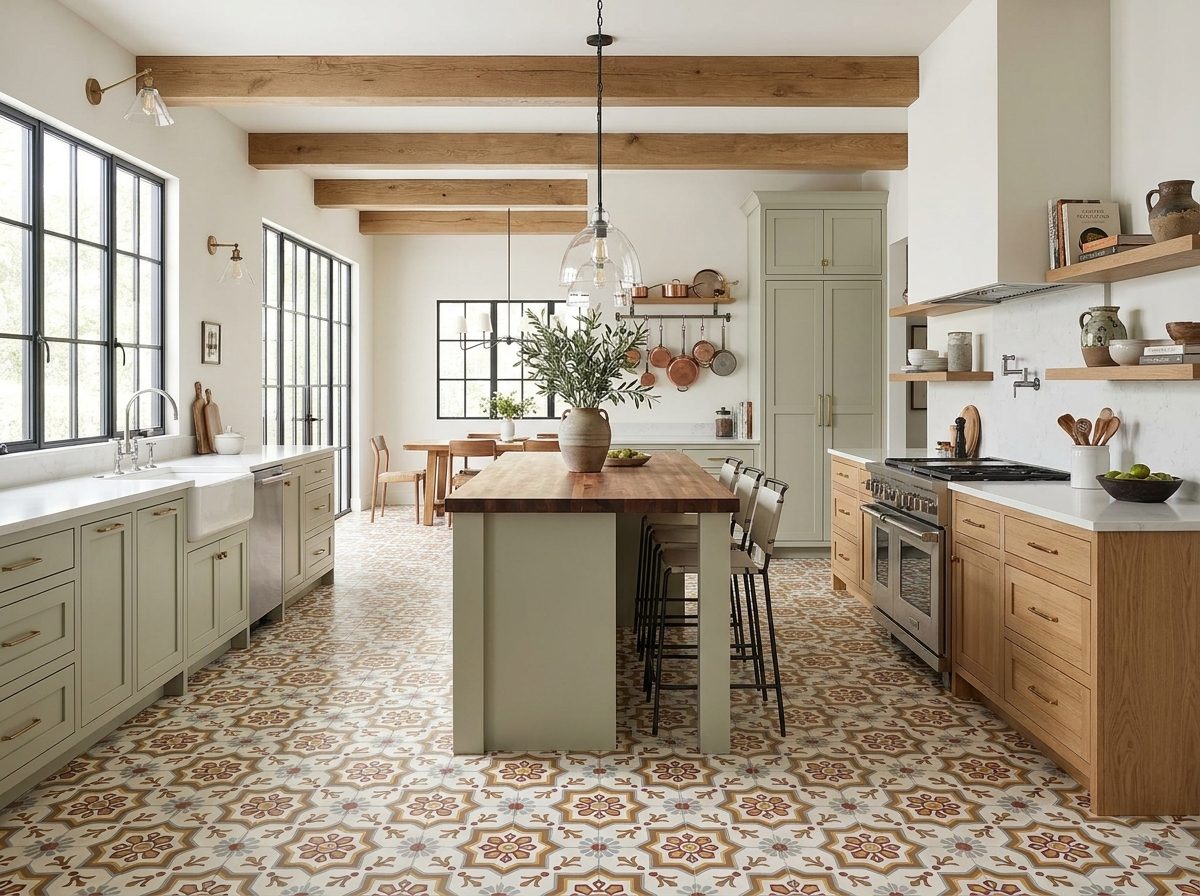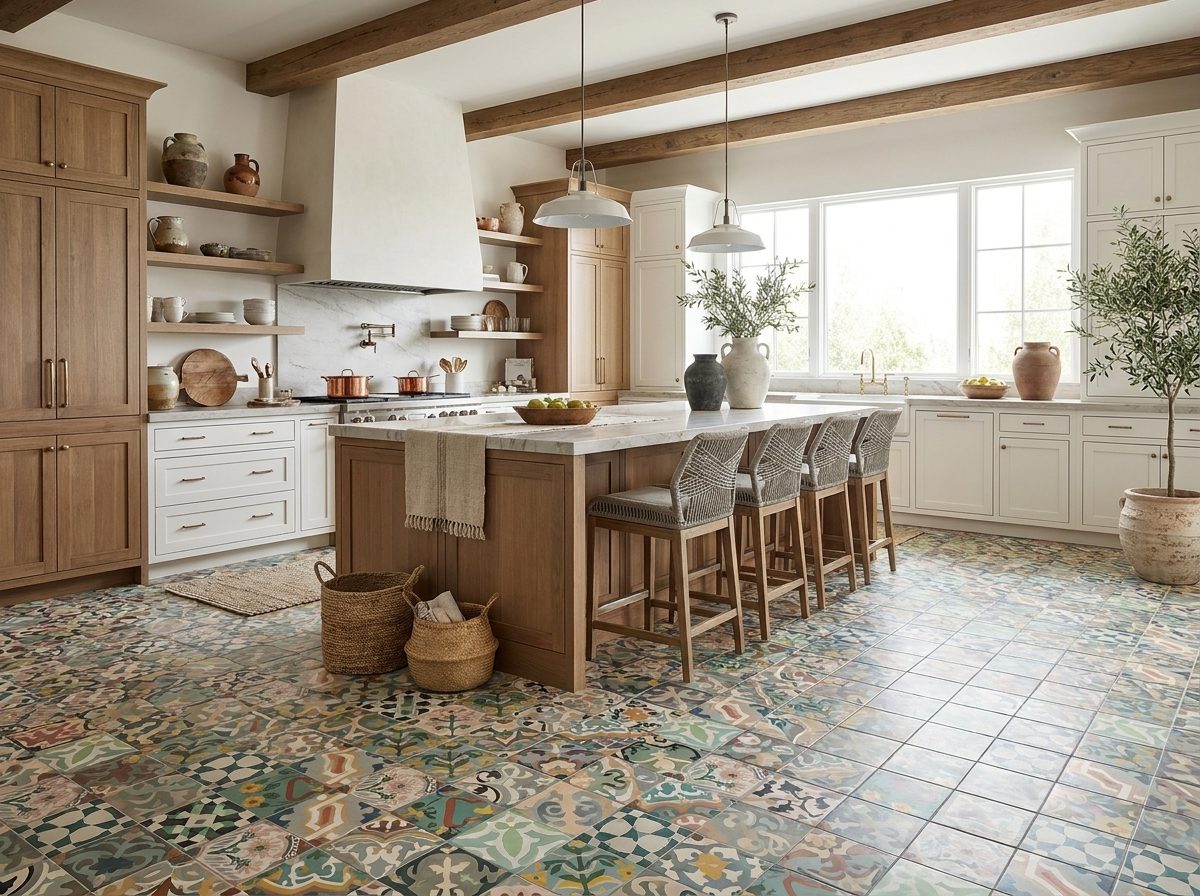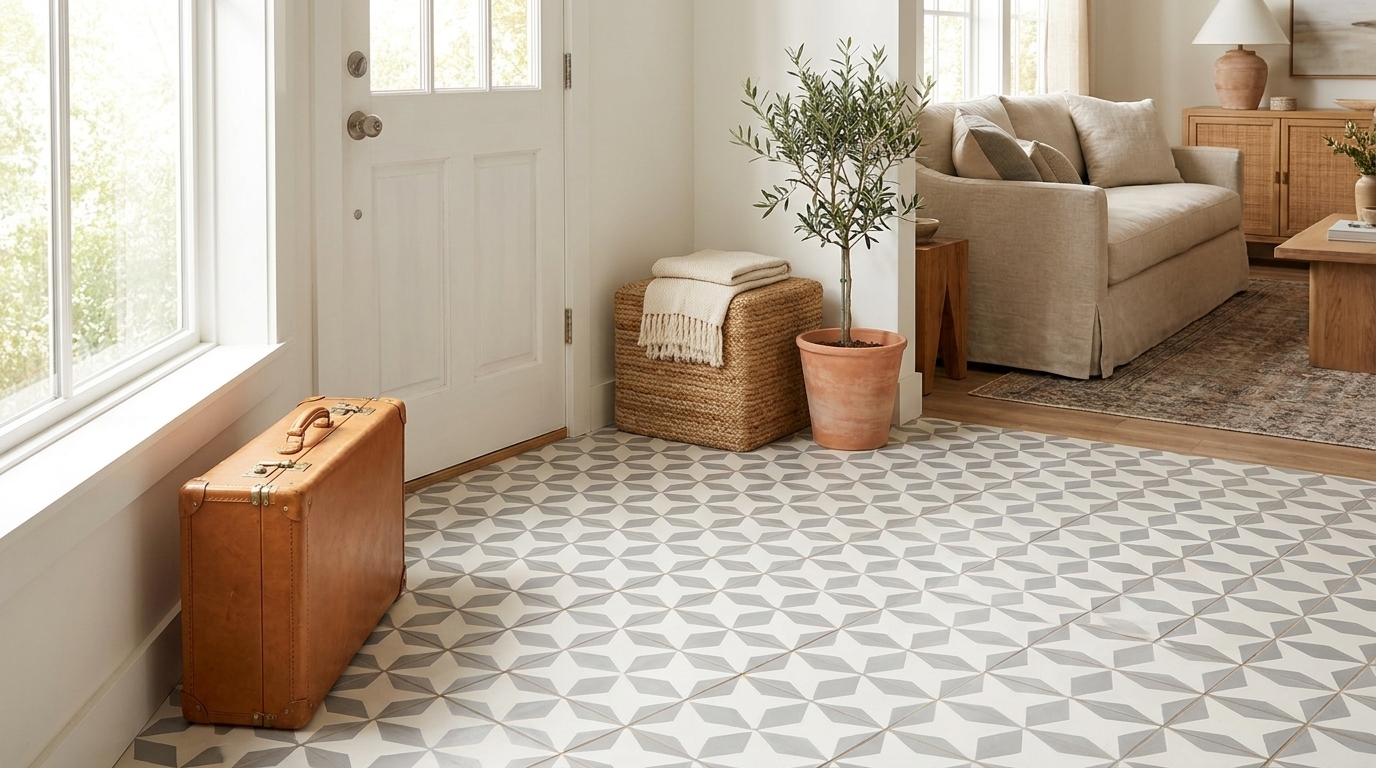
At its core, the diamond tile pattern is stunningly simple: just take a square tile and rotate it exactly 45 degrees. But that one small turn changes everything. This on-point layout instantly transforms a basic grid into a dynamic design that makes any room feel more sophisticated and spacious.
It’s one of the oldest tricks in the design book for a reason.
The Timeless Appeal of the Diamond Tile Pattern
Think of the diamond pattern as more than just a layout—it’s a design statement. It’s a classic that manages to feel both traditional and completely modern, turning ordinary floors and walls into focal points. The secret is how it creates a sense of movement, drawing your eye across the room and making it feel bigger and more interesting.

A Journey Through Design History
This pattern’s roots run deep, showing up everywhere from ancient Roman forums around 100 BCE to the glamorous lobbies of the Art Deco era. Roman engineers used diagonal lines to create optical illusions of space, a technique that was rediscovered with a flourish in the 1920s and 1930s. Iconic interiors, like the Chrysler Building’s lobby, used it to blend pure luxury with clean geometry. You can see more about the evolution of popular tile patterns on BelkTile.com.
The diagonal lines of the diamond tile pattern are a designer’s secret weapon. They guide the eye along the longest possible path in a room, creating a subtle illusion of depth and spaciousness that a standard grid layout simply cannot achieve.
Why It Remains a Favorite
Designers today still lean on the diamond pattern because it just works. Whether you go for a classic black-and-white checkerboard or a single, solid color, the layout adds instant class. Its powerful effect comes down to a few key benefits.
To help you decide if it’s the right choice for your project, here’s a quick summary of what makes the diamond pattern so effective.
Diamond Pattern Characteristics
| Characteristic | Design Impact |
|---|---|
| Visual Expansion | Makes narrow hallways, small bathrooms, and galley kitchens feel wider. |
| Elegant Movement | Breaks up the static feel of a standard grid, adding energy and flow. |
| Timeless Versatility | Works with nearly any style, from historic to ultra-modern. |
| Focal Point | Draws attention and can turn a simple surface into a design feature. |
Ultimately, this pattern offers a simple way to add architectural interest without relying on complex motifs.
By pairing this classic layout with the rich, saturated color of handmade cement tiles from Original Mission Tile, you get the best of both worlds. You’re using a proven, timeless design while creating a space that feels completely fresh and unique to you.
Exploring Diamond Layouts and Variations
Think of the classic, single-color diamond pattern as the perfect starting point. It’s elegant on its own, but its real power is as a canvas for creativity. That simple 45-degree turn of a square tile opens up a world of possibilities for color, accent tiles, and borders that can make a timeless layout feel completely custom to your space.
Once you move beyond the basics, you start to inject real personality. Let’s dig into some of the most effective and popular ways to take the diamond layout to the next level.

The Timeless Checkerboard Diamond
This is the most iconic variation, and for good reason. By alternating two different colored tiles, you get a bold, graphic look that feels both retro and totally modern. A black-and-white combo is the quintessential choice if you’re after high-contrast drama.
But a checkerboard doesn’t have to be so stark. Using softer, complementary tones—like a warm beige and a creamy off-white—creates a much more subtle and inviting effect. The magic is in the rhythmic alternation of color, which gives the floor visual energy and structure.
Diamond with Insets
For a touch of intricate detail, the “diamond with insets” layout is a fantastic choice. The idea is to replace some of the full-sized diamond tiles with smaller, decorative accent tiles right at the corners where four larger tiles meet.
This variation is perfect for creating a focal point. Using a small, patterned cement tile as the inset adds a jewel-like quality to the floor, ideal for grand entryways or powder rooms where you want to make a strong first impression.
This approach breaks up the main field of tile, drawing your eye to those delicate details. You can use a simple contrasting color for the inset or even a completely different shape, like a small square or star tile, to add another layer of interest.
The Banded Diamond Pattern
A banded diamond layout uses borders to frame the main field of tile, creating a “rug” effect. This is an incredibly elegant way to define a specific zone, like a dining area within an open-concept room or the center of a large living area.
The border can be as simple as a single row of contrasting tiles or a more intricate combination of colors and shapes. For instance, framing a field of solid color diamond tiles with a border of our intricately patterned cement tiles creates a stately, polished look that anchors the entire room.
Getting Scale and Proportion Right
The size of your tiles will dramatically change the final look. There’s no single “right” size; it all comes down to the room you’re working with and the effect you want to achieve.
- Small Rooms (e.g., Powder Rooms, Galley Kitchens): Larger format tiles, like 12×12 or even bigger, are surprisingly effective here. Fewer grout lines create a less “busy” surface, and the diagonal lines of the diamond tile pattern make the space feel wider and more expansive.
- Large Rooms (e.g., Living Rooms, Master Bedrooms): You have a lot more flexibility in larger spaces. You can use standard 8×8 tiles for a classic feel or go with a smaller tile and add decorative insets for rich detail that won’t overwhelm the room.
If you’re looking to bring in other design elements, knowing how to effectively mix and match patterns is key to getting the balance right. And if you’re considering a more complex tile installation, exploring different wall tile patterns can give you some great ideas for creating a cohesive look throughout the space.
Creative Applications in Modern Interior Design
Sure, floors and backsplashes are the obvious spots for tile. But the real magic of the diamond pattern happens when you use it in unexpected ways. Think of it as a designer’s secret weapon for adding architectural character where you’d least expect it.
A fireplace surround, for example, can be so much more than a simple frame. Dressed in a diamond pattern—especially with the rich, matte finish of handmade cement tiles—it becomes a captivating focal point. The sharp, angular lines draw the eye, giving the hearth a sense of grandeur that brick or stone just can’t match.
Elevating Vertical Spaces
Feature walls and stair risers are another perfect playground for this layout. On a large accent wall, a diamond pattern can set the entire mood of a room. Go for a subtle, serene feel with tone-on-tone colors, or dial up the energy with a bold, high-contrast combination.
And don’t forget stair risers. Each step becomes its own mini canvas, creating a rhythmic, ascending visual that guides you upward. It’s an expert touch that injects bespoke personality into an often-overlooked part of the home.
The versatility of the diamond tile pattern is its greatest strength. It’s one of the few layouts that feels equally at home in a minimalist space as a textural element and in a maximalist interior as a bold graphic statement.
Mixing materials is another pro-level move. Try pairing the silky, matte finish of our cement diamond tiles with the gloss of a zellige or the organic warmth of rich wood. This creates a compelling dialogue between sheens and surfaces, adding a layer of depth that feels both curated and effortlessly stylish. You can even tie these textures together with a complementary piece, like a Modern Flatweave Diamond Design Green Rug, to connect the room’s elements.
The Impact on High-End Design
The design industry has definitely caught on. In the booming U.S. tile market, the diamond tile pattern consistently ranks among the top five layouts chosen by designers. In fact, it’s specified in 22% of high-end residential and hospitality projects.
Drilling down further, data shows that a significant 65% of architects specify diamond patterns for key features like bathroom vanities, noting the increase in perceived luxury—especially when using artisanal materials like handmade cement tiles. You can see more on how popular tile patterns are shaping trends on TileClearanceOutlet.net.au.
From clean minimalism to vibrant maximalism, the diamond tile pattern has proven its worth. Whether you’re creating a subtle textural backdrop or a daring feature, this layout offers a reliable foundation for incredible design. The only limit is how far you’re willing to push your creative vision.
Looking for a diamond pattern? Browse our geometric cement tiles in stock, ready to ship from Texas, and order a sample of your favorite.
Installation Best Practices for Cement Tile
Getting a flawless diamond tile pattern isn’t just about the tile—it’s about the prep work. Especially with handmade cement tiles, where every piece has character, a perfect finish comes down to precision and process. A diamond layout, with its 45-degree rotation, demands more careful planning than a simple grid. Success here is all about getting your layout lines right from the start and knowing how to handle the unique nature of cement tile.
Your entire layout hinges on finding the absolute center of the room. This is the crucial first step that will anchor the whole grid. Once you’ve found it, you’ll snap two chalk lines that cross at the center, dividing the space into four equal quadrants. Then comes the most important line: a third one snapped at a perfect 45-degree angle to the first two. This diagonal is the guide for your very first row of tiles.
This is a layout that can turn any surface—from a fireplace to a staircase—into a dynamic design feature, which is why a precise installation is so important.

As you can see, tile transforms basic structural elements into a home’s highlights. That transformation begins with a solid foundation.
Preparing the Surface and Tile
Before a single tile is set, your surface preparation has to be perfect. This is non-negotiable. The subfloor must be completely level, clean, and structurally solid to prevent any cracking later on. To make sure your installation is built to last, you can dive deeper into the best practices for preparing the underlayment for tile floors in our detailed guide.
Because our handmade cement tiles are naturally porous, they absolutely must be sealed before you grout. This pre-sealing step is critical—it stops the grout’s pigments from bleeding into the tile and causing stains. Applying a high-quality penetrating sealer at this stage protects the tile and makes the final grout cleanup a whole lot easier.
Pro Tip: Don’t skip the dry lay. Before you mix any thin-set, lay out a few rows of tiles along your chalk lines. This lets you check your alignment, see where your cuts will fall, and make sure the pattern flows exactly the way you want it. It’s the best way to catch a mistake before it’s set in stone.
Grout and Sealing The Final Look
The grout you choose is just as important as the tile for the final look of your diamond pattern. Your decision here can either make the pattern pop or create a soft, seamless surface.
- Contrasting Grout: Using a grout color that stands out from your tile (like a dark gray grout with a white tile) will make each diamond shape jump out. This creates a bold, graphic statement.
- Matching Grout: Choosing a grout that blends in with the tile color will give you a more subtle, monolithic look. The focus shifts to the overall texture and flow rather than the individual tiles.
Once the grout has fully cured, it’s time for the final seal. This second coat of sealer is what protects both the tile and the fresh grout lines from moisture, dirt, and stains for years to come. It’s what keeps the rich, mineral-based pigments in your cement tiles looking vibrant and ensures your installation stays beautiful for decades. From here on out, maintenance is simple, but it’s these initial steps that guarantee a professional, lasting finish.
Styling and Coordinating Your Diamond Tile
Once your diamond tile is in, the real fun begins—styling the rest of the room. This is where a beautiful surface becomes part of a cohesive, thoughtfully designed space. The trick is to choose finishes and furniture that support your tile’s dynamic energy without trying to steal the spotlight.
Think of your diamond tile as the star of the show; every other element is a supporting character. For a classic black-and-white diamond floor, that means pairing it with warm woods, soft leather, and aged brass fixtures. This combination creates a sophisticated, modern classic look where the floor’s sharp geometry is beautifully balanced by organic textures.
Creating Balance with Color and Texture
When you’re working with a more colorful diamond tile, like a kitchen backsplash, balance is everything. If the tile is a vibrant, multi-hued pattern, pair it with sleek, minimalist cabinetry in a neutral—think soft white, charcoal gray, or a light wood tone. This lets the tile be the undeniable focal point.
The goal is harmony, not competition. If your tile is bold and graphic, keep your surrounding elements simple. If your tile pattern is subtle and tonal, you have more freedom to introduce patterns in textiles like rugs or curtains.
A soft gray-and-white checkerboard diamond floor in a bathroom, for example, provides a calm, serene foundation. From there, you can easily introduce pops of color through towels, art, and accessories. On the other hand, a bold, colorful diamond pattern demands quieter partners. Solid-colored upholstery and simple, clean-lined furniture are its best friends.
Professional Pairings for Popular Styles
Choosing the right partners for your diamond tile can define the entire mood of a space. Whether you’re aiming for timeless elegance, modern edge, or cozy charm, the combination is what makes it all work.
This approach has even reshaped commercial design. Hospitality designers are using diamond tile patterns more and more in restaurants and hotels. The dynamic lines are credited with creating a sense of movement that subtly encourages patrons to linger. You can learn more about flooring trends worth considering at CountryFloors.com.
To help guide your own choices, we’ve put together some proven pairings for popular diamond tile styles. This table gives you a starting point for creating a specific look and feel in your room.
Styling Pairings for Diamond Tile Patterns
| Diamond Tile Style | Best Paired With | Design Aesthetic |
|---|---|---|
| Black & White Checkerboard | Warm woods, leather, brass accents, jewel-toned velvets. | Modern Classic, Art Deco |
| Monochromatic (e.g., all gray) | Natural stone, light woods, minimalist black fixtures, linen textiles. | Scandinavian, Minimalist |
| Colorful Patterned Diamond | Sleek white or gray cabinetry, simple quartz countertops, solid color upholstery. | Eclectic, Bohemian, Modern |
| Soft Tonal (e.g., cream & beige) | Weathered wood, oil-rubbed bronze, plush rugs, antique furniture. | Farmhouse, Transitional |
By thoughtfully coordinating these elements, your diamond tile pattern moves from just being a surface to becoming the true anchor of a beautifully designed interior.
Essential Care for Handmade Cement Tile
Handmade cement tiles are special. They’re an investment in authentic, handcrafted beauty, and a little specific care goes a long way in protecting that investment. Unlike mass-produced ceramic tile, our cement tiles aren’t fired in a kiln. This gives them their signature velvety matte finish, but it also means they’re naturally porous.
Think of the surface like a beautiful marble countertop—it’s sensitive. Harsh, acidic, or abrasive cleaners like vinegar, citrus-based sprays, or gritty scrubs can permanently etch the surface and dull the rich mineral pigments that give your tile its color. When it comes to cleaning, a gentle touch is always the right move.
Routine Cleaning and Spill Management
For daily upkeep, keep it simple. A quick sweep with a soft-bristled broom or a run with the vacuum (using a hard floor attachment) is all you need to handle loose dirt and dust.
When it’s time for a mop and a deeper clean:
- Use pH-Neutral Cleaners: This is the golden rule. Always choose a cleaner specifically made for natural stone or cement tile. These gentle formulas lift dirt without stripping the protective sealer or harming the tile’s surface.
- Act on Spills Immediately: Treat spills like wine, oil, or coffee right away by blotting them with a soft, absorbent cloth. Because the tile is porous, quick action is your best defense against a potential stain setting in.
Since cement tiles are non-fired and porous, periodic re-sealing is the single most important step for long-term beauty. This easy task, typically done every 3-5 years in a home, refreshes the protective layer and keeps your diamond tile pattern looking as crisp and vibrant as the day it was installed.
Following these simple guidelines will ensure your stunning tile floor or wall remains a durable and well-loved feature for decades. For more in-depth instructions, check out our complete guide on cleaning cement tiles to keep your installation looking perfect.
Shop the look: geometric cement tiles in stock
Handmade cement tiles, made in Mexico and ready to ship from our Texas warehouse. Each tile is pressed, never fired, and the pattern is a thick layer of pigmented cement, not a surface print. Order a sample to see the colors in your own space before you decide.


Your Questions About Diamond Tile, Answered
The diamond pattern is a classic for a reason, but it does come with its own set of questions. We get these all the time from designers, homeowners, and installers who are using this layout for the first time.
Let’s clear them up so you can move forward with confidence.
Will a Diamond Layout Make My Room Feel Bigger?
Yes, without a doubt. It’s one of the oldest tricks in the design book for a reason. By setting the tiles at a 45-degree angle, the grout lines run from corner to corner, drawing your eye along the longest possible path in the room.
This creates a powerful optical illusion that makes any space feel wider and longer. It’s an especially smart move for smaller areas like powder rooms, hallways, and galley kitchens, where a diamond layout can make the room feel much more expansive and open.
Is It Harder or More Expensive to Install a Diamond Pattern?
A diamond layout is more involved than a simple grid, so yes, you can expect a modest increase in labor and materials. The real work is in the cuts—every tile that meets a wall needs to be cut at an angle, which takes more time and precision.
This complexity means you’ll need more tile to account for the extra cuts. We recommend adding 15-20% for overage, instead of the typical 10% for a standard grid. For a seasoned installer, this is a routine job, and the stunning visual impact is almost always worth the slight bump in time and cost.
Can I Use Patterned Cement Tiles in a Diamond Layout?
Absolutely. Setting patterned cement tiles on a diagonal is one of the best ways to get a show-stopping, quilt-like floor that feels completely custom. The trick is to think about how the pattern on a single tile will look when it’s rotated and repeated.
Simpler geometric designs are a safe bet, as they tend to rotate beautifully without looking jumbled. If you’re drawn to a more intricate or pictorial pattern, it’s a good idea to lay out a small mockup first. This helps you see exactly how the design connects on the diagonal, ensuring the final result feels cohesive, not chaotic.
At Original Mission Tile, we provide the authentic, handmade cement tiles that bring your most creative design visions to life. Explore our expansive collection of in-stock and custom options to find the perfect tile for your project at https://originalmissiontile.com.