How Handmade Cement Tiles Are Made: Inside the Artisan Process
There’s a certain kind of magic behind cement tiles—a rich story of craftsmanship, color, and cultural heritage. In a world of mass-produced materials, handmade cement tiles stand out as timeless works of art that elevate floors, walls, and interiors with unmistakable character.
But what exactly goes into making these beautiful tiles? In this post, we take you inside the artisan process of handmade cement tiles, sharing how they’re crafted, why they matter, and how to use them to create unforgettable residential and commercial spaces.

What Are Cement Tiles?
Cement tiles, sometimes called encaustic cement tiles, are decorative floor and wall tiles made by hand using natural materials like cement, sand, marble dust, and mineral-based pigments. Unlike ceramic tiles, cement tiles are not fired in a kiln. Instead, they are hydraulically pressed and cured to achieve strength and depth of color.
Their appeal lies not only in their durability but also in their striking patterns, rich matte finishes, and artistic soul.
Why Choose Handmade Cement Tiles?
If you’re designing a space that tells a story, cement tiles are a powerful way to add warmth, personality, and heritage.
Key Benefits:
- Design Versatility: Hundreds of patterns, styles, and color combinations.
- Customizable: Personalize any tile with custom colors, shapes, or even logos.
- Timeless Appeal: Looks great in modern homes, farmhouses, ranch houses, and rustic interiors alike.
- Durable: When sealed properly, cement tiles can last a lifetime.
- Sustainable: Made without firing, saving energy and reducing emissions.
How Handmade Cement Tiles Are Made
The traditional manufacturing process is both artistic and precise. Every tile tells a story—from the first pigment poured to the last detail sealed.
Step 1: Creating the Mold
Each design begins with a brass mold, carefully constructed to reflect the pattern. This mold is placed inside a metal frame that will shape the tile.
Step 2: Pouring the Pigmented Layer
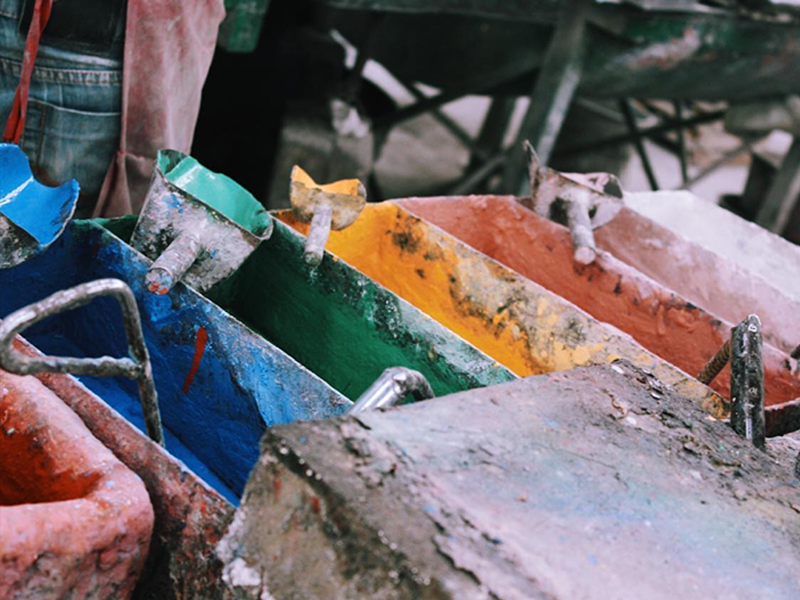
A liquid mixture of white cement, marble dust, and mineral pigments is hand-poured into the mold. Each color in the pattern is poured into its designated section.
This is what gives encaustic cement tiles their deep, long-lasting color—unlike printed ceramic tiles.
Step 3: Adding the Base Layers
Once the design layer is in place, artisans add two more layers:
- A dry mix layer of sand and cement for support
- A moist cement layer to bind everything together
Step 4: Hydraulic Pressing
The tile is then placed under a hydraulic press, applying around 2,000 pounds of pressure. This compacts the materials and sets the design permanently.
Step 5: Curing
Instead of baking, tiles are air-cured for 3–4 weeks. During this time, they gain strength and durability.
Step 6: Hand Finishing
Each tile is checked for quality. Minor imperfections are part of the handmade charm, but any necessary smoothing or trimming is done before sealing.
Cement Tile Applications: Where Art Meets Function
Floors
- Living rooms, dining rooms, entryways
- Restaurant and hotel lobbies
- Tile “rugs” under tables or bathtubs
Walls
- Bathroom shower walls
- Kitchen backsplashes
- Accent walls in foyers, fireplaces, or bedrooms
Outdoor
- Covered patios
- Walkways and verandas
- Courtyard or pool accents (when sealed)
Trending Styles by Home Type
Modern House
- Monochromatic cement tile floors with clean-lined furniture
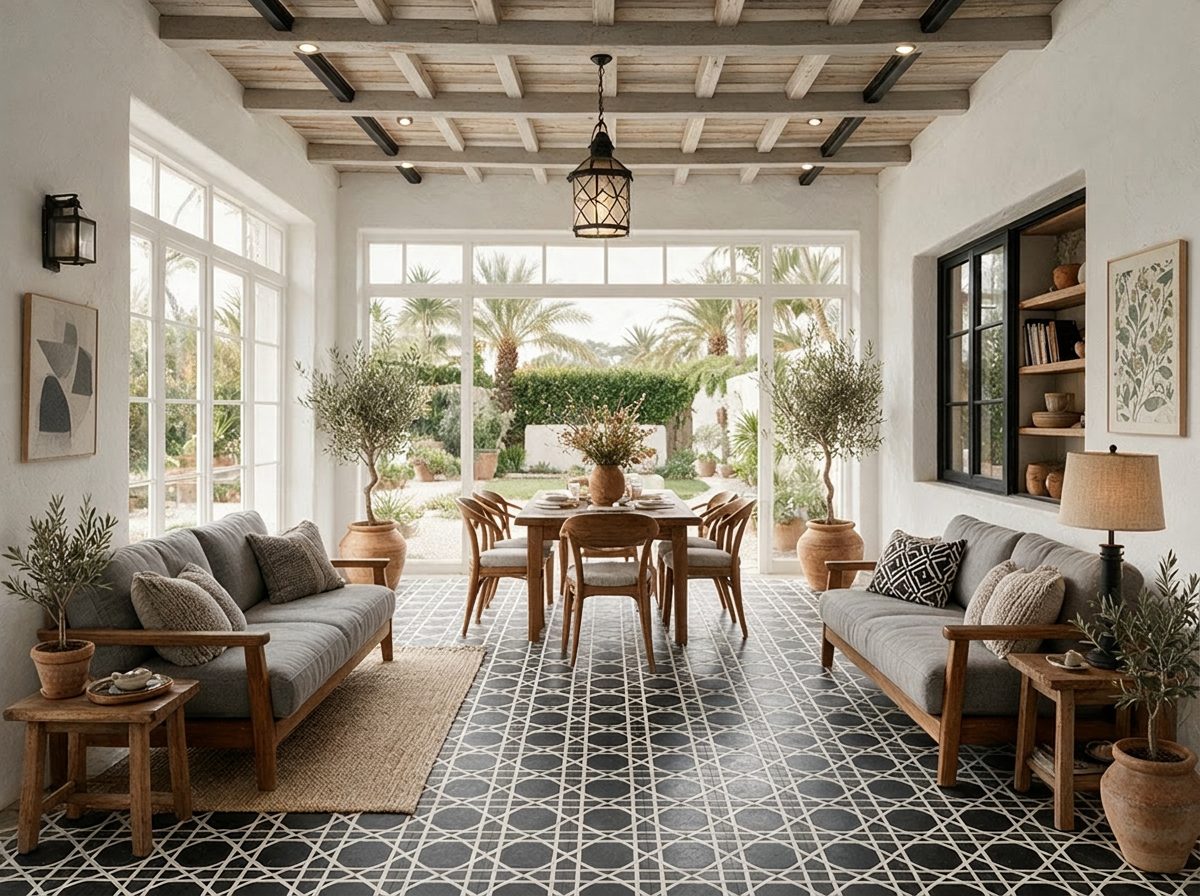
- Geometric patterned tiles in black, white, or soft gray
Farm House
- Classic checkerboard floor tiles
- Muted vintage tile patterns in earth tones
Ranch House
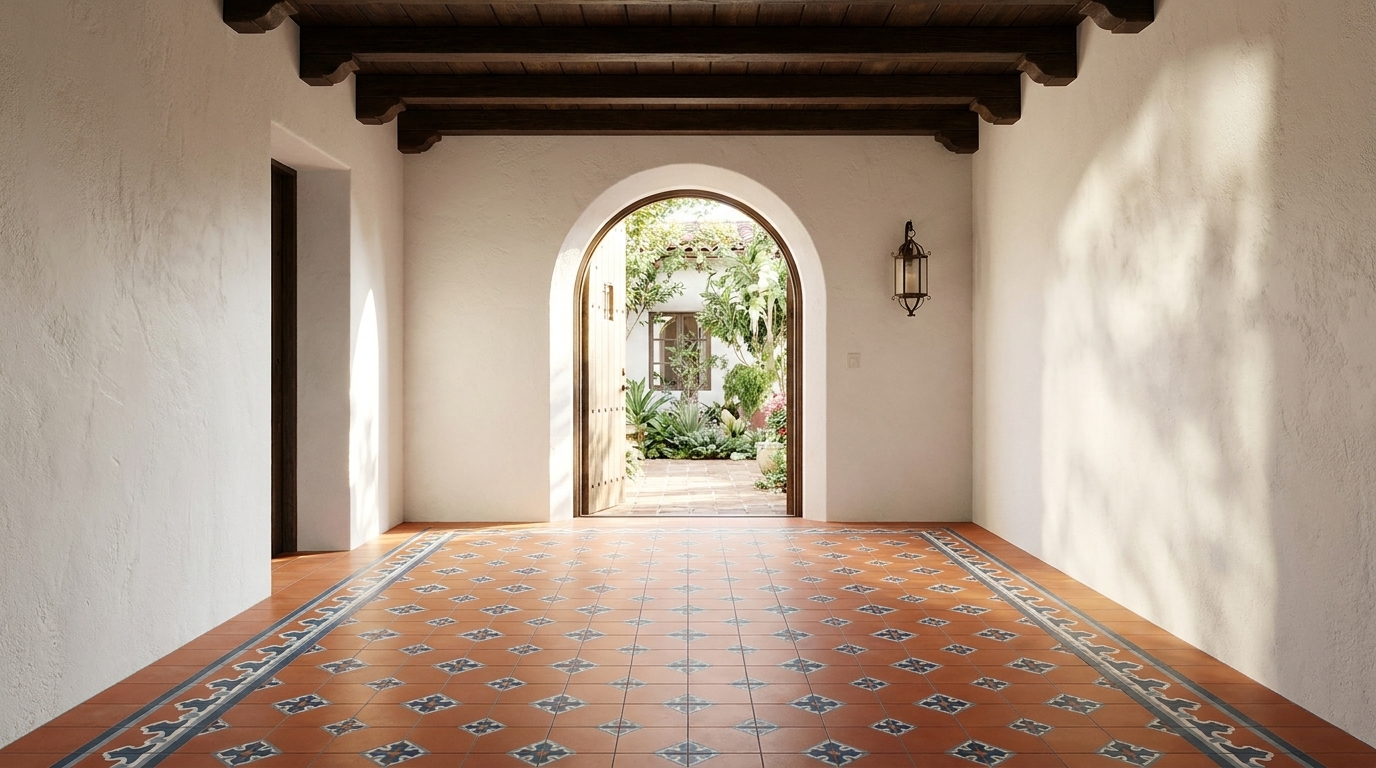
- Southwest-style motifs with terracotta tiles or Moroccan tiles
- Warm tones with wood and iron accents
Rustic House
- Weathered textures with floral or antique tile details
- Complemented with reclaimed wood and stone finishes
Custom Tile Options at Original Mission Tile
Want to bring your own idea to life? Our custom design studio allows homeowners and professionals to create one-of-a-kind cement tiles.
Customize:
- Patterns (choose existing or submit your own)
- Colors (match brand palettes or interiors)
- Shapes (hex, square, diamond, custom cuts)
- Inlays (logos, initials, brass tiles, etc.)
🎨 Start your custom tile project here
Cement Tiles vs. Other Tile Types
| Tile Type | Cement Tile | Ceramic Tile | Porcelain Tile | Zellige Tile |
|---|---|---|---|---|
| Finish | Matte | Glossy/matte | Glossy/matte | Glossy |
| Handmade | ✅ Yes | ❌ No | ❌ No | ✅ Yes |
| Custom Options | ✅ Full | ❌ Limited | ❌ Limited | ⚠️ Limited |
| Slip Resistance | ✅ High | ⚠️ Moderate | ✅ High | ⚠️ Moderate |
| Indoor/Outdoor | ✅ Yes | ⚠️ Mostly Indoor | ✅ Yes | ⚠️ Indoor |
Expert Tips for Choosing Cement Tile Colors & Patterns
- Go bold in small spaces: Tiny powder rooms can handle dramatic patterns.
- Use grout creatively: Choose a contrasting grout color to highlight design.
- Test samples: Colors look different in natural vs. artificial light.
- Mix and match: Combine contemporary tiles with vintage elements.
Real Room Ideas Using Cement Tiles
Bathroom Design
- Moroccan blue and white cement tiles in the shower
- Vintage scroll pattern floor paired with modern brass fixtures
Kitchen Design
- Black-and-white backsplash behind a farmhouse sink
- Patterned tile “rugs” beneath an island
Patio Design
- Spanish-inspired layout with terracotta tiles
- Cement tile medallion centerpiece for outdoor dining areas
FAQs About Handmade Cement Tiles
Are all cement tiles handmade? Yes, authentic cement tiles are handmade. Each one is poured, pressed, and cured individually.
Is cement tile expensive? Cement tiles are an investment, but their longevity and beauty make them cost-effective over time.
Do cement tiles need sealing? Yes. Sealing before and after installation protects from stains and water.
Can cement tiles be used in bathrooms? Absolutely! Just ensure proper sealing for wet areas.
Are cement tiles suitable for outdoors? Yes, when properly sealed. They’re popular for patios and porches.
What’s the difference between cement and concrete tiles? They are often used interchangeably, but true cement tiles are handmade using specific techniques.
How long do cement tiles last? With care, they can last several decades—even in high-traffic areas.
Can I order custom cement tiles? Yes! Original Mission Tile offers full customization.
How to Order from Original Mission Tile
Ready to bring your space to life? Here’s how:
- Browse our in-stock collections on originalmissiontile.com
- Order samples to see colors and texture in person
- Work with our design team to develop a custom order
- Place your order and enjoy fast shipping to the US
Final Thoughts: Tiles with Heart and Heritage
Handmade cement tiles are more than a finish—they’re a conversation starter, a design anchor, and a celebration of tradition. Every tile from Original Mission Tile carries the mark of the artisan who crafted it.
Whether you’re designing a contemporary entryway, a rustic farmhouse bathroom, or a bold restaurant interior, cement tiles offer unmatched beauty, depth, and integrity.
Let your next project reflect timeless craftsmanship. Start with a tile made by hand.