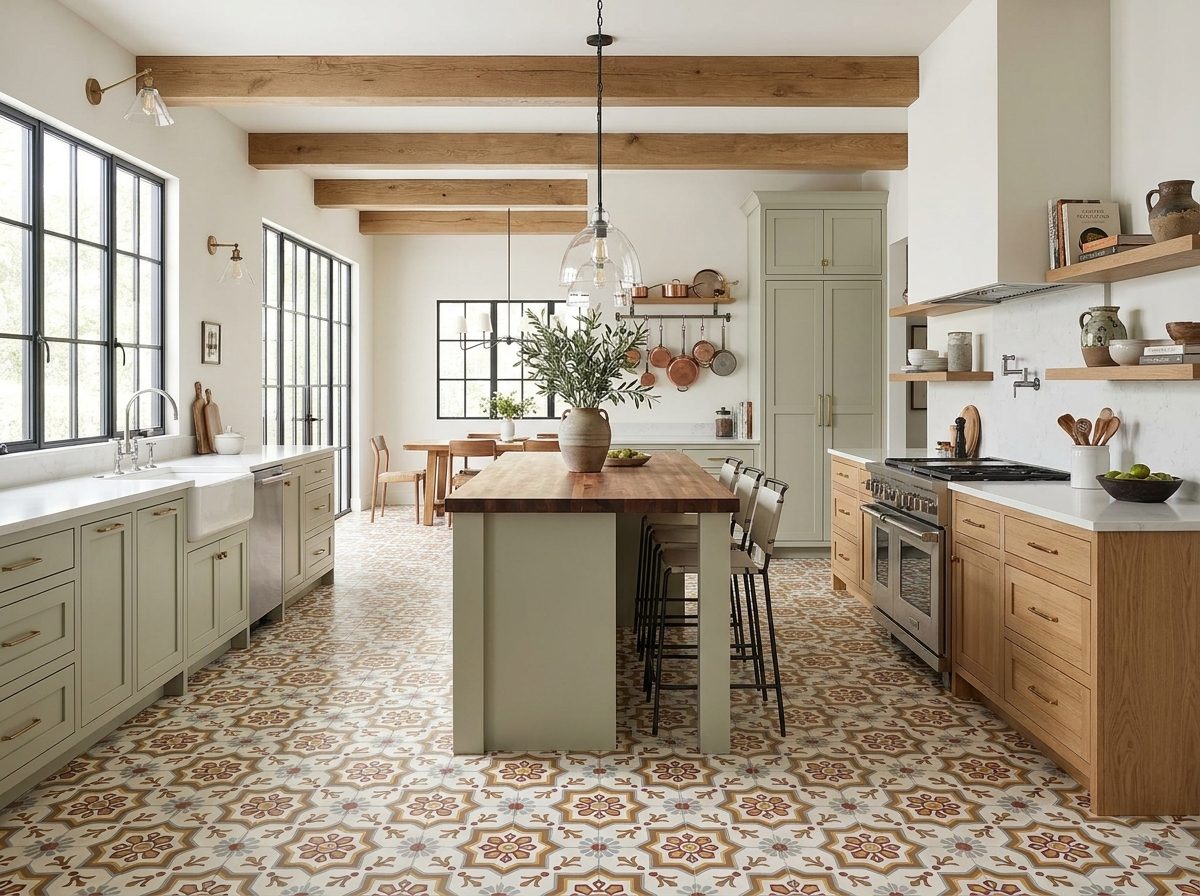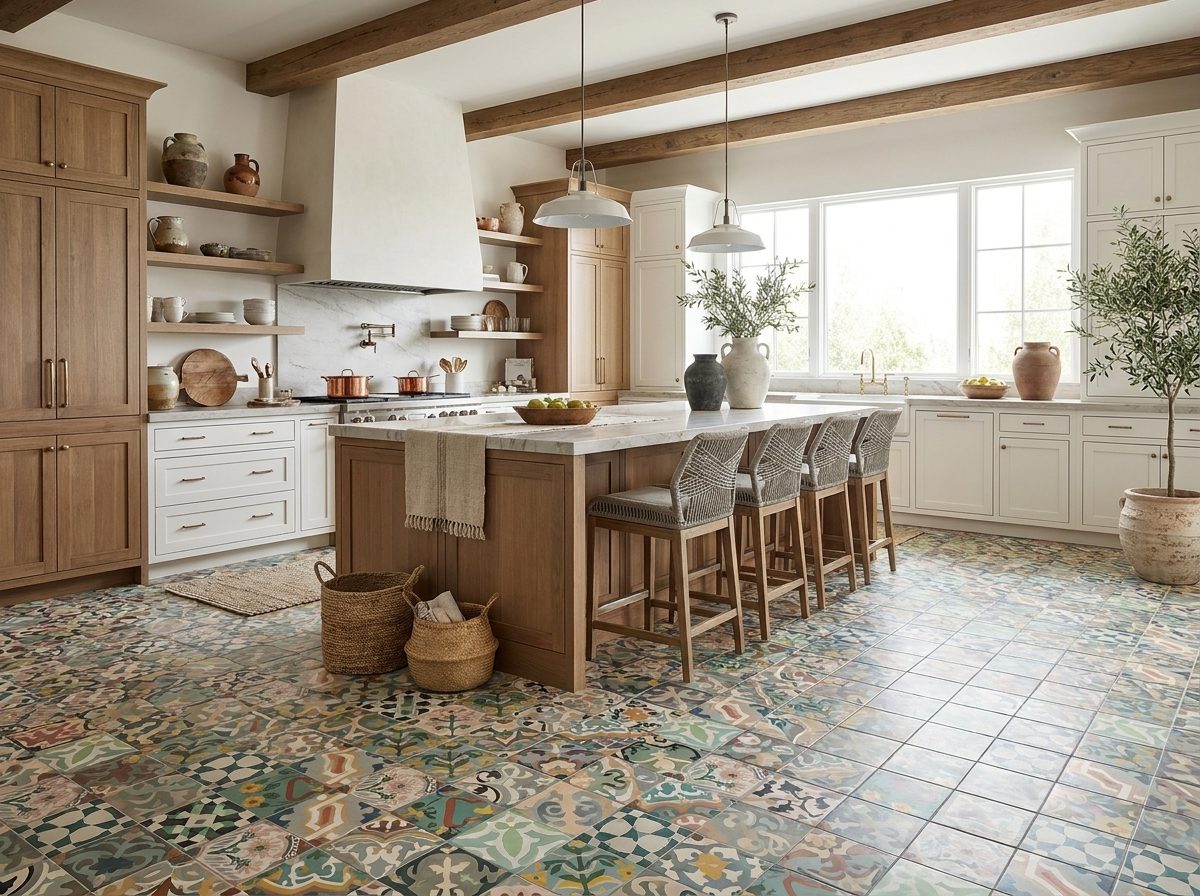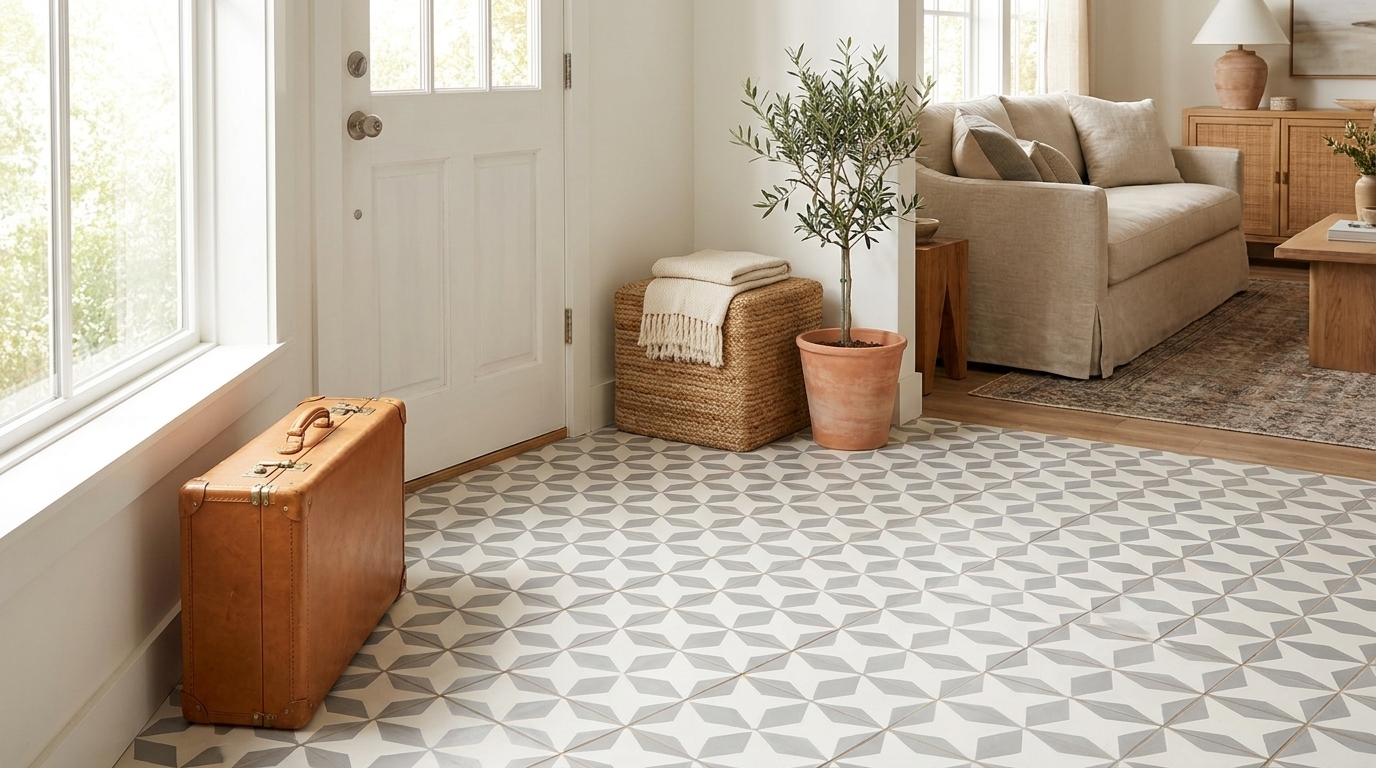
When you hear accent tile bathroom, what comes to mind? It’s not just about adding a splash of color. It’s about using a specific tile—one that’s different in pattern, color, or feel—to create a true focal point and inject the room with personality.
Think of it as the signature piece of jewelry that pulls an entire outfit together. A thoughtfully chosen accent tile can elevate a purely functional bathroom into something extraordinary.
The Art Of The Accent Tile In Bathroom Design
At its heart, an accent tile is a storytelling tool. It’s the visual exclamation point that breaks up the uniformity of a space, guiding your eye and setting the entire mood of the room. While the surrounding “field” tiles act as a neutral canvas, the accent tile introduces a layer of curated style. This strategic contrast does more than just look good; it can solve real design problems.
For instance, a vertical stripe of patterned tile running up a shower wall can create the illusion of a higher ceiling, drawing the eye upward. In a tiny powder room, a bold, graphic tile on the floor makes the space feel intentional and more expansive, rather than just small. This is the real magic of an accent tile bathroom—it’s about using detail to shape how a room feels.
What Defines An Accent Tile
An accent tile is all about contrast and purpose. It stands out from the main tiles through a few key differences:
- Pattern and Color: It often brings in a vibrant color or an intricate pattern, like a striking geometric motif or a classic floral design, that pops against the simpler tiles around it.
- Texture and Finish: An accent might have a distinct feel—like the silky, matte finish of handmade cement tiles—or a different sheen, such as high gloss or even a metallic glow.
- Material: Sometimes, the material itself is the accent. Pairing a simple porcelain field tile with handcrafted zellige or a rich, brass-inlaid tile creates a sophisticated, layered look.
The recent boom in home renovations has cemented the accent tile’s role as a design game-changer. Residential construction and renovation projects have jumped by 15% since 2020, sparking demand for durable, stylish materials. In major markets, bathroom accent tile installations have seen a 7% CAGR, proving these tiles aren’t just a fleeting trend—they’re timeless investments.
An accent tile doesn’t just fill a space; it activates it. It’s the difference between a room that is merely tiled and a room that is thoughtfully designed. By creating a point of interest, you give the eye a place to rest and the mind a story to follow.
Ultimately, the goal is to create a captivating focal point. Whether it’s a stunning feature wall behind a freestanding tub, an artful inlay inside a shower niche, or a colorful backsplash above the vanity, the accent tile is your chance to make a personal statement. It’s a design choice that delivers maximum impact, turning a simple bathroom into a bespoke retreat. For more inspiration, explore our guide on stunning bathroom tile ideas.
Choosing The Perfect Material For Your Accent Tile
The material you choose is the very soul of your accent tile. It defines the look, feel, and how it holds up over the years. Think of it like picking the fabric for a custom suit—the material dictates not just the style but its performance over time. This is where your bathroom’s personality really starts to take shape.
An accent tile bathroom design lives or dies by its material. While classic options like ceramic and porcelain are always reliable, the world of accent tiles is full of character-rich choices that can take a space from standard to stunning. The material impacts everything from how light bounces around the room to the feeling under your feet.
Your choice is critical for both durability and visual impact. To get a sense of the broader landscape, it’s helpful to understand the core materials of interior design. Knowing the properties of each option helps you match your aesthetic vision with the practical demands of a bathroom.
The Unique Character Of Handmade Cement Tiles
Handmade cement tiles are in a class of their own, offering a soulful alternative to mass-produced options. Unlike ceramic tiles that are fired in a kiln, our cement tiles are crafted through a hydraulic pressing process. This method creates a tile with through-body color, meaning the pigment runs all the way through the tile’s top layer.
This artisan process has a huge practical benefit: if a cement tile ever chips, the color underneath is the same, making minor damage almost invisible. This inherent durability makes them a fantastic choice for both high-traffic floors and statement walls that need to last.
Their signature silky, matte finish is another key differentiator. This surface absorbs light rather than reflecting it, creating a soft, organic ambiance that feels more subtle and sophisticated than glossy alternatives. It’s a texture that invites you to touch it and adds a real layer of depth to your design.
Handmade cement tiles offer a perfect marriage of durability and artistry. The through-body color ensures longevity, while the matte finish provides a soft, chalky appearance that feels both timeless and deeply personal.
This is exactly how accent tiles work—they inject personality, create a focal point, and add texture that transforms the entire feel of a room.

As the map shows, an accent tile isn’t just a decorative afterthought; it’s a strategic tool for shaping the mood and function of your space.
Exploring Other Distinctive Materials
While cement tiles are a powerful choice, several other materials can create an unforgettable accent tile bathroom. Each brings its own unique story and aesthetic to the table.
Here’s a quick look at how some of the most popular materials stack up for bathroom use.
Accent Tile Material Comparison For Bathrooms
| Material Type | Key Characteristics | Best For | Maintenance Level |
|---|---|---|---|
| Handmade Cement | Silky matte finish, through-body color, artisanal feel. | Feature floors, vanity walls, shower accents where you want authentic pattern. | Moderate (Requires sealing) |
| Zellige-Inspired | Irregular surface, high-gloss glaze, beautiful color variation. | Shower walls and backsplashes where you want to bounce light. | Low |
| Terrazzo | Playful speckled look, extremely durable composite. | Floors, shower benches, and full feature walls for a retro-modern vibe. | Low to Moderate |
| Natural Stone | Organic veining, timeless elegance (marble, travertine). | Creating a luxurious, spa-like atmosphere on floors or walls. | High (Requires sealing, prone to staining) |
| Brass-Inlaid | Adds a warm metallic detail for a touch of glamour. | Borders, backsplashes, and floor details to elevate the design. | Low (tile itself dictates care) |
Each of these materials tells a different story.
- Zellige-Inspired Tiles: Known for their irregular surfaces and vibrant, glossy glazes, these tiles capture the beauty of imperfection. They reflect light beautifully, making them ideal for adding shimmer to a shower wall or backsplash.
- Terrazzo: A composite of marble, quartz, or granite chips set in cement, terrazzo offers a playful, speckled pattern. It’s incredibly durable and works well for floors or even a full feature wall, bringing a touch of retro-modern charm.
- Brass-Inlaid Tiles: For a dose of luxury, tiles inlaid with brass strips or shapes add a warm, metallic element. These are perfect for creating an elegant border, a sophisticated backsplash, or a glamorous floor detail.
- Natural Stone: Materials like marble, slate, and travertine bring organic beauty and timeless elegance. Marble is a classic for a reason, but just remember it requires more maintenance and sealing to protect it from moisture and stains.
Choosing the right material is a balancing act. For a deeper dive, it helps to understand how to choose bathroom tiles based on both style and function. Your final decision should feel right for your daily routine, maintenance tolerance, and overall design goals, ensuring your accent tile is a feature you’ll love for years to come.
Mastering Placement To Create A Bathroom Focal Point
Choosing the perfect accent tile is only half the battle. Where you put it is where the real magic happens. The location of your accent tile bathroom feature is everything—it can turn a simple decorative choice into a powerful tool that reshapes the entire feel of your space.
Think of placement as the stage direction for your tile. It tells you where to look and what to feel.

The right strategy can make a small bathroom feel taller, anchor a freestanding tub in a massive room, or create a cozy, jewel-box effect in an otherwise plain shower. Every zone in the bathroom is a unique opportunity. Let’s walk through the most effective placements and the design thinking behind them.
The Full Feature Wall
This is the most dramatic way to go. Creating a full feature wall is a bold, confident move that instantly establishes the room’s style. The best spot is usually the wall you see first when you walk in—typically behind the vanity or a beautiful freestanding tub.
- Behind the Vanity: Tiling the entire wall here frames the mirrors and lighting, turning a functional area into a stunning design statement. This works especially well with large-scale geometric or floral patterns.
- Behind the Tub: A feature wall behind a freestanding bathtub creates a luxurious, spa-like backdrop. It draws the eye and makes the tub the undisputed hero of the room.
For more on creating a powerful focal point, it helps to understand how to design a feature wall in any room. The core principles of balance, scale, and color are universal, whether you’re using paint or tile.
The Shower Niche And Vertical Bands
If a full wall feels like too much, the shower offers some fantastic, targeted opportunities for high-impact accents. These smaller applications are perfect for injecting personality without dominating the entire bathroom.
The shower niche is a classic for a reason. It’s like a small, curated art installation right inside your shower. Using a contrasting pattern or a pop of vibrant color here adds visual depth and creates a beautiful little display for your toiletries.
Another powerful technique is the vertical stripe. A band of accent tile running from floor to ceiling draws the eye upward, creating an illusion of height—a brilliant trick for bathrooms with lower ceilings. In the same way, a horizontal stripe can make a narrow bathroom feel wider.
The Floor Inlay Or Tiled Rug
Don’t forget to look down! The bathroom floor is a prime canvas for an accent tile. A “tiled rug” created with a beautiful pattern is a sophisticated way to define a space, particularly in larger bathrooms.
A floor inlay acts as an anchor, grounding key elements like a freestanding tub or a vanity. It adds the warmth and decorative appeal of a rug with the durability and water-resistance of tile—a perfect blend of form and function.
This approach is especially effective with intricate handmade cement tile patterns that can mimic the look of a traditional woven rug. It’s a statement that feels both timeless and unexpected, adding a layer of bespoke luxury to your design.
This trend is definitely catching on. Globally, 40% of new bathroom remodels now include accent tiles for visual interest, a major jump from just 28% a decade ago. It’s all driven by a desire for personalized, versatile patterns, with wall tile applications alone rising by 12%. You can read more about the decorative tiles market and its trends to see how these choices are shaping modern luxury.
The Classic Backsplash
The vanity backsplash is probably the most traditional placement for accent tile, but it’s a classic for good reason. It’s a practical and stylish way to protect the wall from splashes while adding a dose of color and pattern where you’ll see it every day.
A backsplash can be as simple as a few rows of tile or extend all the way to the ceiling for a more dramatic effect. Because it’s a smaller area, it’s also a budget-friendly way to incorporate a more expensive, artisanal tile without the cost of a full wall. Pairing a dynamic backsplash with a simple countertop and cabinetry creates a look that is perfectly balanced and polished.
How To Pair Patterns And Colors Like A Professional
Pairing patterns and colors for your accent tile bathroom can feel like a high-stakes puzzle. When you get it right, the space feels curated, intentional, and completely you. But get it wrong, and the result is just visual noise. The secret isn’t just picking tiles you love—it’s about understanding how they talk to each other.

Think of your main field tile as the foundational rhythm of a song and the accent tile as the melody. For the song to work, they have to be in the same key, even if one is quiet and the other is loud. This is the kind of harmony professional designers create every day using a few core principles.
Creating Cohesion With Color Theory
First things first: decide on the color relationship. Do you want your accent tile to blend into a seamless, spa-like vibe, or do you want it to make a bold, contrasting statement? Both approaches work beautifully—it’s all about intention.
- Harmonious Pairing: For a serene feel, choose an accent tile that works within an analogous color scheme. This just means picking colors that sit next to each other on the color wheel. A soft blue field tile, for example, pairs naturally with an accent tile featuring shades of blue, green, and teal.
- Contrasting Pairing: To create energy and draw the eye, go for a complementary color scheme. These are colors that live opposite each other on the wheel. Think of how a navy blue patterned tile pops against a warm, off-white field tile. The look is confident and dynamic.
A can’t-miss trick is to pull a single color from your patterned accent tile and use that exact shade for your main field tile. This guarantees cohesion because the tiles are inherently linked, creating a polished design that feels completely intentional.
Balancing Scale And Proportion
The size of the pattern on your tile versus the size of your room is a make-or-break detail. This is where a lot of well-intentioned designs can go off the rails. A pattern that looks incredible online might overwhelm a tiny powder room or, conversely, get lost in a sprawling primary bath.
The rule for hard finishes in any room is you get one dominant pattern, and that’s it. After that, all other surfaces must be as close to solid as you can find. This single guideline prevents a bathroom from becoming a visual hot mess.
Interestingly, a large-format pattern can make a small room feel grander. By covering a floor or wall with a bold, sweeping design, you create an illusion of unbroken space with fewer distracting grout lines. On the other hand, a small, intricate pattern like a classic star-and-cross is perfect for adding rich detail to a shower niche or backsplash where it can be appreciated up close without making the whole room feel busy.
Mixing And Matching With Confidence
If you’re aiming for a more bohemian or eclectic style, a patchwork of different patterned tiles can be absolutely stunning. The key to keeping it chic, not chaotic, is to maintain a consistent thread that ties all the different pieces together.
Here are a few ways to create a unified patchwork effect:
- Consistent Color Palette: Go wild with different patterns, but keep them all within a strict two or three-color palette (like only black and white, or just shades of blue and cream). This creates tons of visual interest without overwhelming the eye.
- Similar Pattern Style: Mix and match different geometric patterns, or combine various floral motifs. As long as the style of the pattern is consistent, the collection feels curated rather than random.
- One Unifying Tile: Intersperse your patterned tiles with a solid-colored tile used throughout the patchwork. This neutral tile acts as a visual resting place, breaking up the patterns and giving the whole design room to breathe.
Finally, remember that your grout color is the ultimate unifying element. It can either make your patterns pop or help them blend together seamlessly. To nail this final touch, you need to know how to choose the right grout color for your tile and lock in that professional-looking finish.
Installation And Care To Ensure Lasting Beauty
A stunning accent tile bathroom is more than a pretty picture—it’s an investment that has to stand up to daily life. The real secret to making sure your accent tiles look amazing for years, especially handmade materials like cement, is what you can’t see: the installation and the care routine. This isn’t about just sticking tiles to a wall; it’s about building a durable, water-tight system from the ground up.
The work starts long before the first tile goes up. Proper substrate prep is non-negotiable, especially in wet zones like showers. The surface has to be perfectly clean, level, and waterproofed to stop moisture from getting into your walls, which can lead to huge problems down the road.
Think of the substrate as the tile’s bedrock. Any bumps or dips will show through in the final result, so getting this step right is everything.

Sealing The Deal With Cement Tiles
When you’re working with a porous material like our unglazed cement tiles, sealing is hands-down the most important step to protect your investment. Unlike ceramic tiles with their glassy, non-porous top layer, cement tiles have microscopic pores that can drink up water and stains. A high-quality penetrating sealer is the key to blocking that absorption.
The sealer needs to go on before grouting. This keeps the grout’s pigments from bleeding into the tile and staining the surface. A second coat after the grout is set and cured protects the entire installation, grout lines and all.
This simple step makes your tiles incredibly resistant to water, soap scum, and everyday spills, locking in their deep, through-body color and signature matte finish.
Installation Details That Matter
How your tiles are set and grouted also makes a huge difference in the final look. Handmade cement tiles are traditionally installed with super-tight grout lines—often as narrow as 1/16th of an inch. This classic technique minimizes the visual interruption of grout, letting the pattern flow almost seamlessly across the wall or floor.
This is why your choice of installer is so critical. A pro who knows the ins and outs of working with artisanal materials will nail these details, turning a good design into a truly great one.
Proper installation is where design intent becomes reality. A well-laid accent tile not only looks beautiful but is built to withstand the unique demands of a bathroom environment, from moisture and humidity to daily foot traffic.
This durability is what cement tile is known for. Since the 1900s, cement-based accent tiles, layered with marble dust and pigments for superior water resistance, have proven they can endure. They even outlast glazed alternatives by 25% in wear tests. For architects, this means slashing maintenance costs by 15% over vinyl, while homeowners report 90% satisfaction with their tactile, matte feel. You can learn more about decorative tile market and its trends.
Long-Term Maintenance Made Simple
Once your accent tile is installed and sealed, keeping it beautiful is actually pretty easy. The golden rule? Avoid harsh, acidic, or abrasive cleaners at all costs.
Just follow these simple care guidelines:
- Use pH-Neutral Cleaners: Things like vinegar or typical acidic bathroom sprays can strip the sealer and etch the surface of cement tiles over time. Stick to gentle, pH-neutral cleaners mixed with water.
- Avoid Abrasive Tools: Never use steel wool or scratchy scrubbing pads. A soft cloth, sponge, or mop is all you need to clean the surface without dulling the finish.
- Wipe Up Spills Promptly: While sealing gives you great protection, it’s always smart to quickly wipe up spills from things like hair dye or colorful bath bombs.
With this straightforward routine, your beautiful accent tile bathroom will stay a source of pride for decades to come.
Your Accent Tile Bathroom Questions, Answered
Starting an accent tile bathroom project is thrilling, but it’s totally normal for a few questions to pop up. You might be wondering about the right material for a wet space, how to handle a bold pattern in a tiny room, or what the budget really looks like. It can feel like a lot to juggle.
Let’s clear things up. Think of this as your personal Q&A session, where we tackle the common hurdles that can slow a project down. With some straightforward advice, you’ll have the confidence to get your project moving and create a bathroom you’ll love for years to come.
How Do I Choose The Right Size Accent Tile?
Getting the tile size right is all about proportion—it has to fit the scale of your bathroom and the look you’re going for. What feels grand and impressive in a big primary suite could easily swallow a small powder room. There’s no single “correct” size, but a few key principles will help you find that perfect balance.
In a smaller bathroom, a large-format patterned tile on one wall can actually make the room feel bigger. It’s a neat design trick. With fewer grout lines breaking things up, the wall becomes a single, seamless statement that tricks the eye into seeing more space. You trade busy details for a bold, expansive feel.
On the flip side, a smaller, more intricate pattern—like a delicate fish scale or a classic star-and-cross—is perfect for adding texture in a focused area. These are brilliant for a shower niche or the wall behind your vanity, where you can see the detail up close without it overwhelming the entire room.
As a rule of thumb, always consider the viewing distance. Classic 8×8 cement tiles are a fantastic all-rounder for floors or big feature walls. They strike a perfect balance between showcasing a pattern and suiting the scale of the room. For smaller spots, look at hexagons or arabesques that deliver pattern without taking up too much visual space.
The absolute best way to know for sure? Get a few samples and test them in your actual bathroom. See how they look in your light, next to your fixtures. This simple step can save you from a major headache and guarantee the result is exactly what you had in mind.
Can I Use A Bold Pattern In A Small Bathroom?
Yes, you absolutely can! In fact, a bold pattern might just be a small bathroom’s secret weapon. People worry that a dynamic design will make a room feel claustrophobic, but often the exact opposite happens. A strong focal point grabs all the attention, distracting you from the room’s actual square footage.
One of the smartest ways to do this is by putting a vibrant, patterned tile on the floor while keeping the walls light and simple. This grounds the space and injects a huge dose of personality without closing things in. The floor becomes the star, making the entire room feel more intentional and thoughtfully designed.
Another great strategy is to create a single feature wall with a show-stopping geometric or floral tile, usually right behind the vanity. This creates a sense of depth, making that wall feel like it’s receding while the simpler walls around it fade into the background.
The key is always balance. Let your bold accent tile bathroom be the hero of the space by pairing it with quieter, more understated elements around it. When you give the pattern room to breathe, it will energize the bathroom instead of overwhelming it.
Are Cement Accent Tiles Suitable For A Shower Floor?
They are an excellent choice for a shower floor, offering both durability and beauty—but only if they are installed and sealed correctly. This part is critical. Because of their unglazed, matte finish, handmade cement tiles have a natural slip resistance that’s often better than glossy porcelain or ceramic, making them a much safer bet underfoot in wet conditions.
The whole secret to their success in a shower is proper sealing. A good sealer acts like an invisible shield. The tiles need to be sealed with a high-quality penetrating sealer before you grout, and then again after the grout has cured. This process fills the tiny pores in the cement, making the tile highly resistant to water and stains.
Once that protective layer is on, you’ll see water bead up on the surface instead of soaking in. As long as you stick to routine cleaning with a pH-neutral cleaner (anything else can strip the sealer), a cement tile shower floor will give you incredible durability and a unique, tactile beauty you just can’t get from mass-produced materials. It feels soft and organic underfoot, turning a daily shower into a little luxury.
How Should I Budget For An Accent Tile Project?
When you’re budgeting for accent tile, you have to look beyond the price per square foot. To get a real number, you need to factor in the tile itself, all the installation materials, and the cost of professional labor. While handmade tiles are a premium material, the total cost is often very manageable because you’re typically using them in smaller, high-impact areas.
Here’s a simple way to break it down:
- Measure and Order: Start by calculating the exact square footage you need to cover. Then, add an extra 10-15% to that number. This overage covers cuts, waste, and any little mistakes—it’s absolutely essential for avoiding delays and extra shipping costs later.
- Factor in Materials: Next, make a list of your setting materials. This will include thin-set mortar, grout, and—especially for cement tile—a high-quality penetrating sealer. Don’t cut corners here; these materials are vital for an installation that lasts.
- Get Labor Quotes: Finally, get a few quotes from professional installers. Try to find a tiler who has experience with handmade tiles. They require a bit more finesse to set with tight grout lines and handle correctly.
If you need to manage costs, think strategically. Use a beautiful, high-impact artisanal tile in a small, visible area like a vanity backsplash, a shower niche, or a clean vertical stripe. This gives you that “wow” factor without the cost of a full feature wall. You can then pair it with a more affordable field tile for the rest of the space to create a stunning design that’s still budget-friendly.
Ready to bring your vision to life with timeless, artisanal tile? Explore the possibilities with Original Mission Tile and discover our collection of in-stock and custom handmade cement tiles at https://originalmissiontile.com.