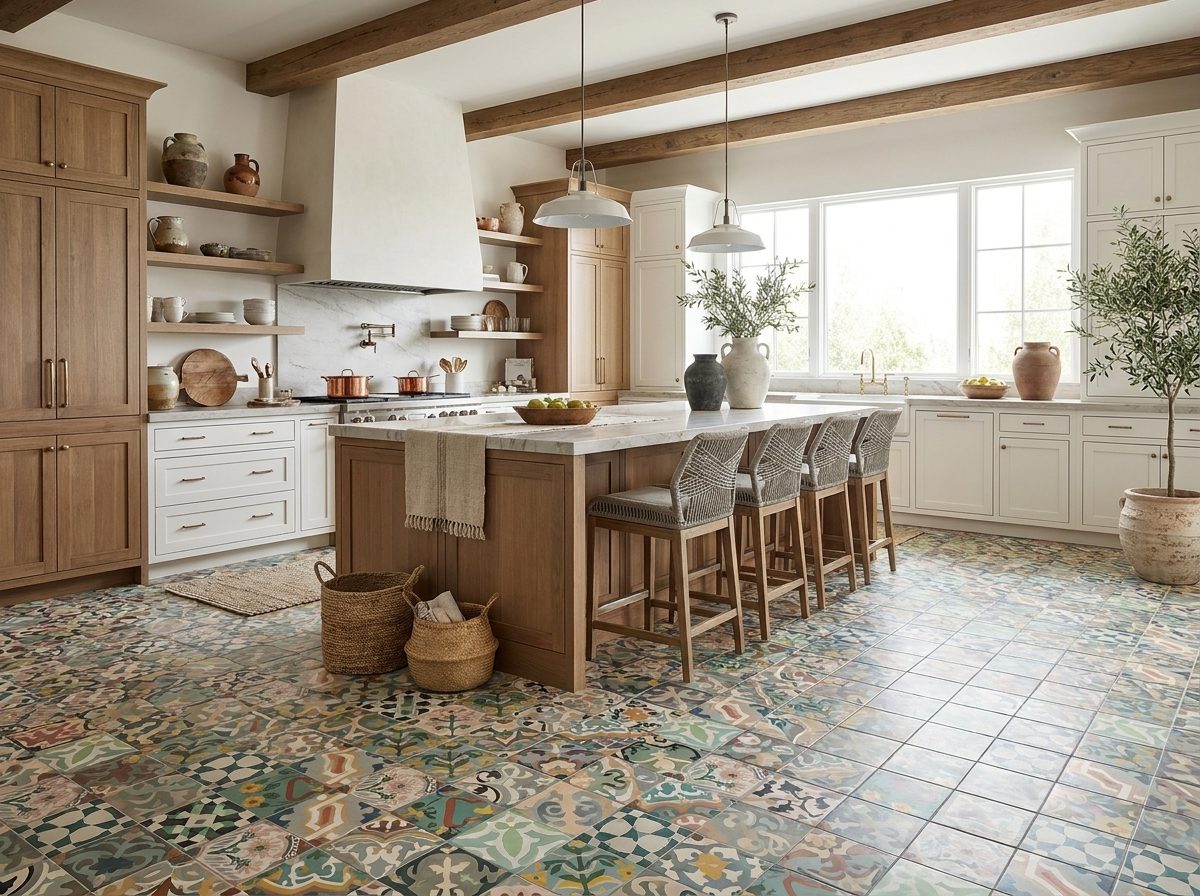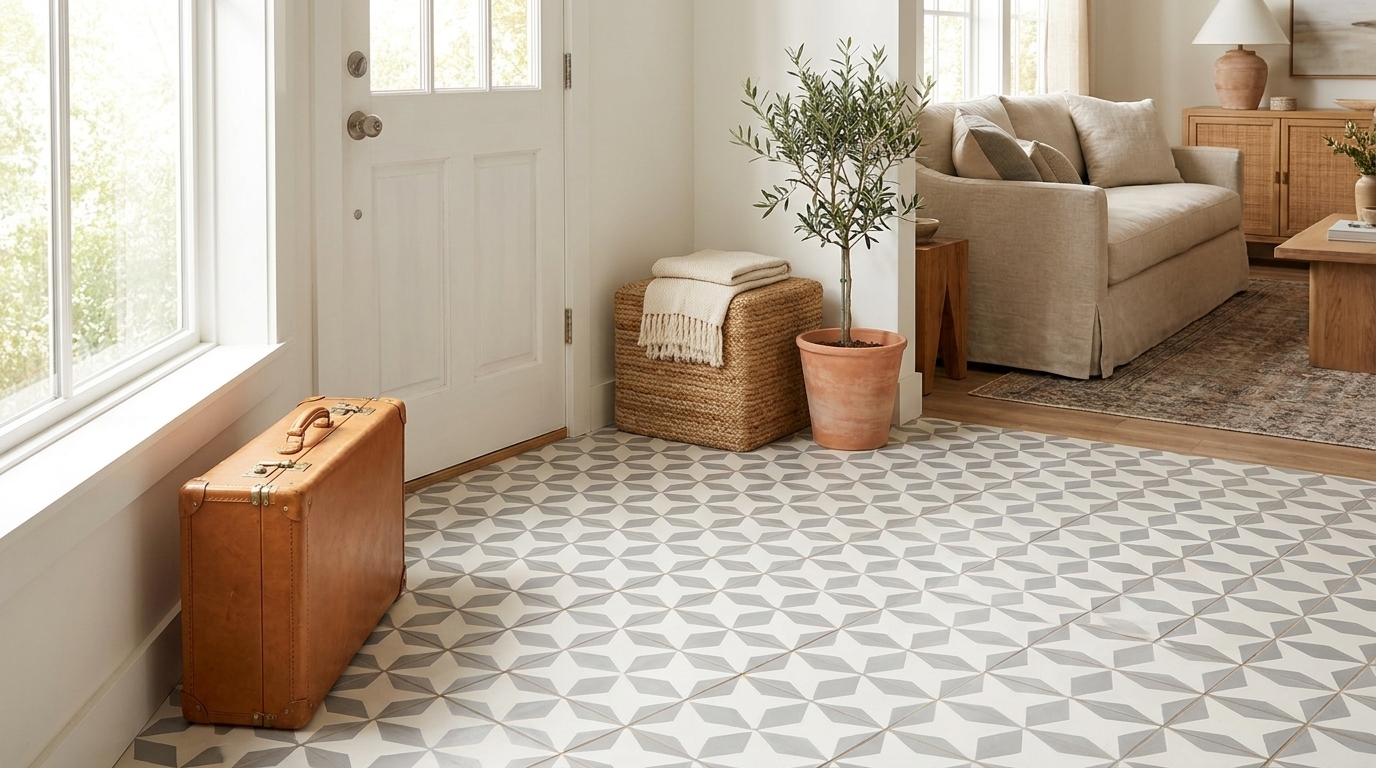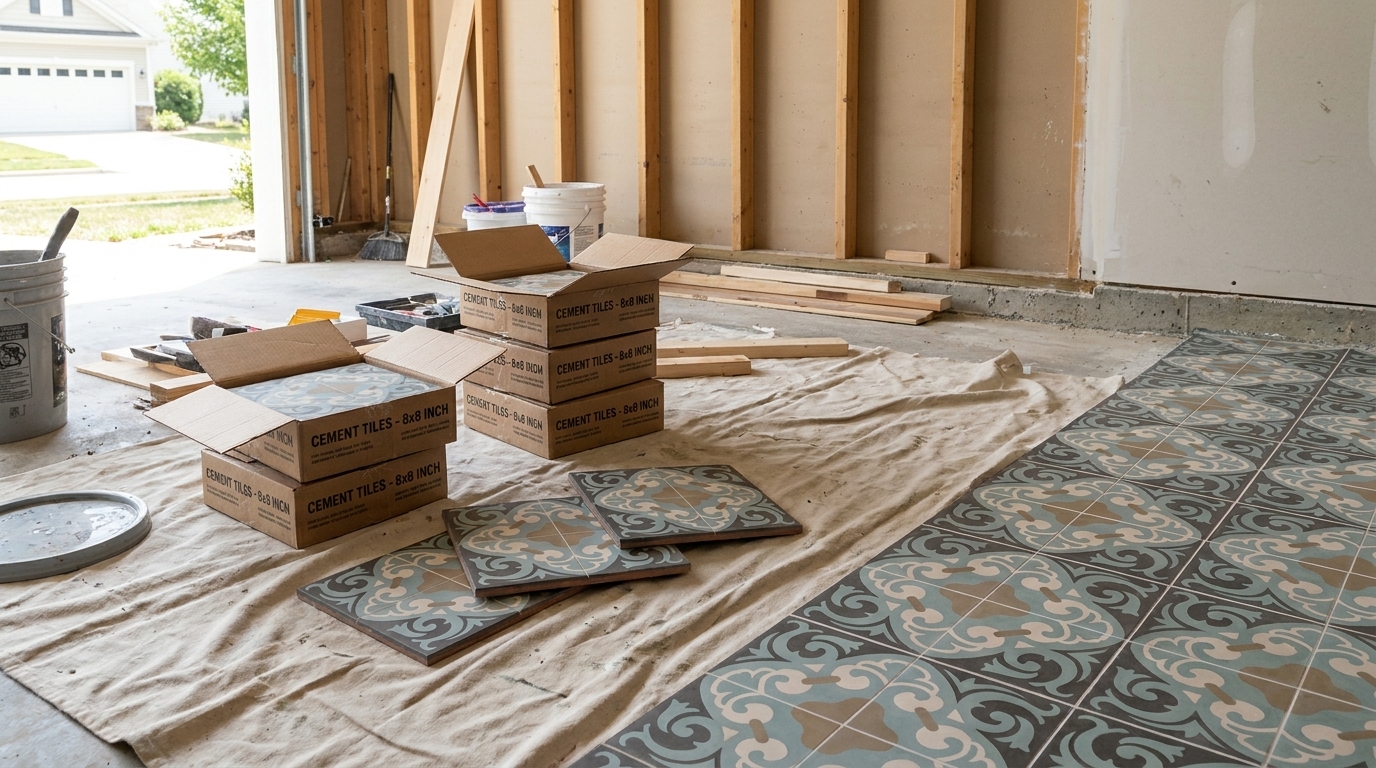
The right kitchen floor needs to be a workhorse—it has to be durable, water-resistant, and stylish. While practical choices like luxury vinyl tile (LVT) and porcelain are popular for their sheer resilience, the best choice for your home is always the one that balances function with your personal aesthetic. This is where artisan materials, like handmade cement tile, come in, offering unique design possibilities and serious performance when sealed correctly.
A Guide to Choosing Your Kitchen Floor

Your kitchen floor takes a beating. It deals with constant foot traffic, dropped utensils, spills, and the weight of heavy appliances every single day. That’s why picking the right material is one of the most critical decisions you’ll make, impacting everything from your home’s value to your daily cleaning routine. There’s no single “best” floor—only the one that’s right for your life, your budget, and your vision.
To get started, it helps to see what the pros recommend. This overview of the 6 Best Flooring Options For Your Kitchen Renovation is a great starting point for seeing the top contenders in one place.
What to Consider Before You Buy
We’re going to look at the key factors that matter most in a real-world kitchen, helping you weigh your options like a designer.
- Durability and Lifespan: How well will it stand up to scratches, dents, and daily wear and tear?
- Water and Stain Resistance: Is the material porous? Can it handle spills and common kitchen messes without staining?
- Maintenance and Cleaning: What does it really take to keep the floor looking great year after year?
- Cost and Installation: What’s the budget for both the material and the professional labor to install it?
Here’s a key design principle to live by: Your floor has to work with the other permanent fixtures in the room, especially your countertops and cabinets. A good rule of thumb is to stick to one dominant pattern for your hard finishes to create a cohesive, timeless look.
Quick Comparison of Kitchen Flooring Options
This table gives you a snapshot of how the most popular materials measure up against each other based on the criteria that matter most.
| Flooring Material | Durability | Water Resistance | Typical Style |
|---|---|---|---|
| Cement Tile | Very High | High (when sealed) | Artisanal, Custom |
| Porcelain Tile | Extremely High | Excellent | Modern, Versatile |
| Hardwood | Moderate | Poor (can warp) | Classic, Warm |
| Luxury Vinyl (LVT/LVP) | High | Excellent | Mimics Wood/Stone |
| Natural Stone | High | Varies (porous) | Luxurious, Natural |
An Overview of Modern Kitchen Flooring Materials
Choosing a kitchen floor is one of the biggest decisions you’ll make in a remodel. It’s the workhorse surface of your home, and it sets the entire design foundation. Getting it right means finding the perfect balance between style, durability, and daily life.
The flooring market is booming—projected to grow from $463.13 billion in 2026 to $646.7 billion by 2034—and home renovations are a huge part of that. It just goes to show how many people are looking for that perfect material. You can read more about these market trends here.
Let’s break down the nine most popular contenders, so you can see how they really stack up before we dive into a side-by-side comparison.
Traditional and Natural Materials
This group is all about classic character and organic warmth. These materials have a timeless feel, but often come with specific care routines to keep them looking their best.
- Solid Hardwood: The original gold standard for beauty and warmth. It adds serious resale value but is vulnerable to water, dings, and scratches. It demands real commitment to maintenance.
- Engineered Wood: A smart alternative to solid wood. It has a real wood top layer over a super-stable core, making it much better at handling humidity swings. The tradeoff? You can only refinish it once or twice.
- Natural Stone (Marble, Travertine, Slate): Pure luxury. Every slab of natural stone is one-of-a-kind, delivering unmatched organic beauty. But most stone is porous, so it needs to be sealed regularly to fend off stains and water spots.
- Linoleum: Not to be confused with vinyl, true linoleum is an eco-friendly champ made from natural materials like linseed oil. It’s surprisingly durable and even antibacterial, but harsh, high-pH cleaners can damage its surface.
Modern Tile and Resilient Options
Engineered for performance, these materials are built for the spills and traffic of a real-life kitchen. They offer incredible design flexibility and are the go-to choices for anyone prioritizing durability and low maintenance. You can get a closer look at the different tile compositions by exploring the types of tile available for your projects.
Key Takeaway: The “best” floor isn’t about what looks good in a photo. It’s about matching a material’s real-world traits—like its hardness, porosity, and upkeep needs—to the chaos and charm of your own kitchen.
- Ceramic & Porcelain Tile: The tough-as-nails champions of flooring. These tiles are incredibly durable and almost completely waterproof, making them a fortress against stains and spills. Plus, they can mimic nearly any look, from wood planks to concrete.
- Handmade Cement Tile: Loved for its rich, “through-body” color that hides wear and a beautiful matte finish that feels soft underfoot. It offers unparalleled opportunities for custom patterns and colors but must be sealed to protect its porous surface.
- Luxury Vinyl Tile (LVT/LVP): The undisputed king of practicality. LVT is 100% waterproof, comfortable to stand on, and incredibly convincing at mimicking real wood and stone textures—all at a friendlier price point.
- Laminate: A budget-friendly workhorse with a photographic top layer that can look just like expensive wood or tile. The surface is quite scratch-resistant, but the particleboard core is its weak spot—moisture that gets into the seams can cause irreversible swelling.
- Terrazzo: A timeless composite of marble, quartz, or glass chips set in a cement base. It’s exceptionally durable, long-lasting, and offers a unique speckled look that’s both retro and modern. It can be poured in place or installed as tiles.
How Kitchen Flooring Materials Compare On Key Metrics
Picking the right kitchen flooring goes way beyond just looks. You need to know how each material will hold up when life actually happens. The kitchen is easily the most demanding room in the house, so your floor has to be ready for anything. This breakdown compares the top nine materials across the metrics that really matter, helping you find the perfect fit.
This decision is more important than ever. Homeowners are investing heavily in quality flooring, a trend reflected in the industry’s significant growth.

The market is projected to jump from $463 billion to $646 billion by 2034, which tells you one thing: a good floor is a smart investment. Let’s make sure you make the right one.
To help you see the big picture quickly, here’s a snapshot of how the most popular kitchen flooring materials stack up against each other.
Kitchen Flooring Performance at a Glance
This table gives you a high-level summary of each material’s strengths. Use it to narrow down your options before diving into the finer details.
| Material | Durability Rating (1-5) | Water Resistance | Average Cost ($/sq ft) | Best For |
|---|---|---|---|---|
| Cement Tile | 4 | Good (with sealer) | $12 – $30+ | Creating a unique, custom focal point |
| Ceramic/Porcelain | 5 | Excellent | $4 – $15 | High-traffic, spill-prone areas needing max durability |
| Hardwood | 2 | Poor | $8 – $20 | Homes where style continuity trumps kitchen-specific function |
| Engineered Wood | 3 | Fair | $5 – $12 | Achieving a wood look with better moisture stability |
| Luxury Vinyl (LVT/LVP) | 4 | Excellent (Waterproof) | $3 – $8 | Budget-friendly, waterproof performance in busy households |
| Natural Stone | 4 | Good (with sealer) | $10 – $40+ | Creating a luxurious, one-of-a-kind organic look |
| Terrazzo | 5 | Good (with sealer) | $10 – $40+ | High-end, durable floors with a speckled, modern feel |
| Linoleum | 3 | Good | $3 – $7 | Eco-conscious homes looking for a resilient, natural material |
| Laminate | 2 | Poor | $2 – $5 | The most budget-conscious projects where moisture isn’t a primary concern |
While this table is a great starting point, the best choice often comes down to the nuances of how these materials perform in real-world kitchen scenarios.
Durability And Lifespan
Kitchen durability isn’t just about foot traffic. It’s about surviving dragged chairs, dropped pans, and the daily grind of a busy home.
Porcelain and ceramic tile are the clear winners here. Their hard, fired surfaces are exceptionally tough, resisting scratches and dents like nothing else. A well-installed porcelain floor can easily last 50 years or more with almost no signs of wear. It’s the definition of a “set it and forget it” surface.
Handmade cement tile, on the other hand, offers a different kind of durability—one rooted in how it ages. Its surface is softer than porcelain, but its “through-body” color is a major advantage. If a chip happens, the color underneath is the same as the surface, which beautifully camouflages any minor damage. This means that instead of showing wear and tear, a cement tile floor develops a rich, lived-in patina that adds character for decades.
The real difference is in how each floor ages. Porcelain aims to look new forever. Handmade cement tile embraces the story of your home, with minor imperfections adding to a unique, cherished aesthetic that designers and homeowners love.
Meanwhile, materials like solid hardwood and laminate are far more vulnerable. Hardwood scratches and dents easily, though you can sand and refinish it. Laminate’s photographic top layer resists scratches fairly well, but once it’s deeply gouged or chipped, it’s impossible to repair.
Water And Stain Resistance
Water is public enemy number one for many kitchen floors. Spills, splashes from the sink, and melting ice cubes are just part of life.
Luxury vinyl tile (LVT) and porcelain tile are the undisputed champs of water resistance. Both are virtually 100% waterproof. Water can puddle on their surfaces for hours without causing any harm, which gives you incredible peace of mind.
Ceramic tile is right behind them, with a protective glazed layer that makes it impervious to water and most stains. It’s no surprise that a recent survey found 22% of homeowners chose ceramic or porcelain for their kitchen renovation, tying with hardwood for the most popular choice.
Porous materials are a different story. Unsealed natural stone and handmade cement tile will soak up liquids, which can lead to stains. But this is completely preventable. A high-quality penetrating sealer makes both materials highly resistant to water and stains. For cement tile, sealing it every 2-3 years in a kitchen is the key to getting that stunning look without the worry.
Hardwood and laminate are the most at-risk. Spills can cause hardwood to warp and buckle, while any moisture that seeps into laminate’s fiberboard core will cause irreversible swelling and peeling.
Maintenance And Cleaning
In a room that gets messy every single day, easy cleaning is non-negotiable.
The lowest-maintenance floors you can buy are porcelain, ceramic, and LVT. A quick sweep and an occasional mop with a pH-neutral cleaner are all you need. Their non-porous surfaces don’t let dirt get ground in, so they clean up fast.
Linoleum and terrazzo are also fairly easy to care for, though they do have specific needs. You’ll want to stick to pH-neutral cleaners for linoleum to protect its natural composition. Terrazzo, much like cement tile, needs to be sealed periodically to keep it stain-proof, but daily cleaning is simple.
Handmade cement tiles just ask for a little mindfulness, not a complicated routine. You’ll sweep and mop with a neutral cleaner. The only extra step is maintaining the sealer. Re-sealing every few years is a small job that keeps the floor protected and looking beautiful.
Hardwood is the most demanding. It needs special wood cleaners, you have to wipe up spills immediately, and it requires refinishing every so often to restore its finish. It’s a high-commitment choice for a kitchen.
Installation And Cost
Your total floor cost is a combination of the material itself and the installation labor, which can vary wildly. Looking at a general guide of flooring types pros and cons can give you a good sense of where each material lands from a budget perspective.
Budget-Friendly Options:
- Laminate ($2-$5/sq. ft.): Almost always the most affordable material.
- Linoleum ($3-$7/sq. ft.): A cost-effective and eco-friendly choice.
- Luxury Vinyl ($3-$8/sq. ft.): Great value, especially since it’s waterproof.
These are also popular for DIY installation, which can bring the total cost down even more.
Mid-Range Choices:
- Ceramic & Porcelain Tile ($4-$15/sq. ft.): A huge price range depending on the style and quality.
- Engineered Wood ($5-$12/sq. ft.): A solid compromise between real wood’s beauty and vinyl’s stability.
Just remember, tile installation is labor-intensive and almost always needs a pro, which adds a significant amount to the project total.
Premium Investments:
- Solid Hardwood ($8-$20/sq. ft.): A classic look that often adds resale value.
- Handmade Cement Tile ($12-$30+/sq. ft.): A true artisanal product where the cost reflects the craftsmanship and custom design potential.
- Natural Stone & Terrazzo ($10-$40+/sq. ft.): Prices can be all over the map depending on the rarity of the stone or aggregates used.
Installation for these high-end floors is complex and should only be done by specialized installers who know how to handle, seal, and grout them correctly.
Investment Insight: While budget floors save you money today, premium materials like handmade cement tile or natural stone deliver incredible long-term value. They last for decades and become a unique, central feature of your home’s design.
Style And Customization
Your kitchen floor is a huge visual canvas. Some materials give you limited options, while others offer near-total creative freedom.
Porcelain and LVT are style chameleons. They can be printed to look like almost anything, from rustic wood to sleek concrete. The downside? The patterns are repetitive, which can sometimes look a little artificial up close.
Hardwood, engineered wood, and natural stone offer organic, one-of-a-kind beauty. No two planks or slabs will ever be identical. Your choices are limited to the species of wood or type of stone available, but that natural variation is a huge part of their appeal.
This is where handmade cement tile truly sets itself apart. Because every single tile is made by hand, the customization possibilities are practically endless. You can choose from hundreds of our existing patterns or create a completely bespoke design from scratch, picking your own colors and shapes. This transforms your floor from a simple surface into a unique piece of art—a level of personalization no other material can really match.
Matching Your Floor to Your Kitchen’s Demands
Charts and ratings are a good start, but the real test of a kitchen floor is how it holds up to your actual life. Let’s move from specs on a page to practical, real-world scenarios.
By walking through four common kitchen types, you can see exactly how different materials handle specific demands. This isn’t just about looks; it’s about matching a floor’s strengths to the way you cook, live, and entertain.
The Busy Family Kitchen
Think of the kitchen that’s also the family command center. It’s where homework gets done, juice gets spilled, and a constant stream of foot traffic—and dropped toys—is the norm. Here, the top priorities are durability and effortless maintenance.
The clear winners are porcelain tile and luxury vinyl tile (LVT). Both are champions at resisting scratches, stains, and water. A dropped glass might bounce off a resilient LVT floor, while porcelain’s incredible hardness shrugs off scratches from pet claws or dragged chairs. Best of all, their non-porous surfaces make cleanups quick and stress-free, a massive win for any busy parent.
The Gourmet Chef’s Kitchen
A serious home chef needs a floor that’s all about function and comfort. When you’re spending hours on your feet prepping and cooking, you need a surface that’s easy on your joints. It also has to stand up to inevitable splashes of oil, wine, and acidic ingredients.
Linoleum and cork are fantastic choices here because their natural cushioning helps reduce leg fatigue. But for the ultimate blend of comfort and superior stain resistance, a properly sealed handmade cement tile or terrazzo floor is an outstanding option. The natural matte finish of cement tile offers great grip, and a quality sealer creates a tough barrier that stops culinary messes from becoming permanent stains.
For the avid cook, the choice boils down to balancing comfort against premium resilience. While vinyl offers cushion, a sealed cement or terrazzo floor provides a more durable, professional-grade surface that can handle the heat and traffic of a true chef’s workspace.
The Designer Showpiece Kitchen
When your kitchen is the aesthetic heart of your home, the floor needs to do more than just exist—it needs to make a statement. This is the scenario for a material that delivers maximum visual impact, becoming a core element of the design itself. The goal is a one-of-a-kind look that’s pure personal style.
This is where handmade cement tile truly shines. Nothing else offers its level of personalization. You can create completely unique patterns, bespoke color palettes, and intricate designs that turn the floor into a functional work of art.
Dramatic, veined marble also creates a luxurious focal point, but it demands constant vigilance to prevent etching and stains. For a showpiece kitchen where artistry is the top priority, the bespoke nature of Original Mission Tile is the ideal choice for creating a floor that is both a durable surface and a central design feature.
The High-Traffic Commercial Kitchen
In a commercial space like a restaurant or café, flooring isn’t a design choice—it’s an investment in performance. These environments demand surfaces that can survive constant heavy traffic, frequent cleaning with harsh chemicals, and relentless wear without breaking down.
Durability and low maintenance are non-negotiable in the commercial sector, which accounts for a 55.46% share of the flooring market. Materials like ceramic, cement tile, and rigid-core vinyl are standard in hospitality projects because they reduce long-term replacement costs and are engineered for punishing use.
For these demanding spaces, porcelain tile, quarry tile, and sealed cement tile are the top-tier selections. Their exceptional hardness and resistance to moisture and abrasion make them perfect for the rigors of a professional kitchen. Our guide to commercial kitchen flooring options dives deeper into selecting materials that meet these exacting standards.
Why Handmade Cement Tile Is a Top Contender

While materials like porcelain and LVT deliver on technical specs, handmade cement tile offers something else entirely: authentic artistry. It’s not just a floor covering; it’s a design centerpiece, a tangible link to a rich craft tradition.
For anyone looking to step away from mass-produced surfaces, cement tile is the answer. Each one is made by an artisan, not a machine, so you get subtle variations in color and texture that give a floor a depth and character you can feel. It’s not trying to mimic wood or stone—its beauty is its own.
The Art of Through-Body Color
Here’s what really sets cement tile apart from printed or glazed ceramics: through-body color. The vibrant pigments aren’t just a thin layer on top; they run deep into the tile, sometimes up to ⅛ inch.
This construction is a game-changer for a hardworking kitchen floor. If you drop a heavy pot and chip the tile, you won’t see a jarring white or red clay body underneath. Instead, the chip will reveal more of the same rich color, making small dings blend right into the floor’s story.
This quality of “aging gracefully” is a key differentiator. While other floors aim to resist wear, a cement tile floor absorbs the story of your home, with its character deepening over decades of use. It doesn’t look worn out; it looks lived-in and loved.
An Authentic and Sustainable Process
The way cement tiles are made is an art form that has changed little since the early 1900s. We still use a hydraulic-press method that fuses cement, sand, marble dust, and mineral pigments together. It’s a low-energy process that avoids kiln firing, making it a natural fit for today’s demand for low-emission flooring materials on Fortune Business Insights.
This method produces that signature silky, matte finish that feels softer and more organic underfoot than the cold gloss of glazed ceramic.
- Step 1: An artisan pours a liquid color mixture into a handcrafted metal mold to form the pattern.
- Step 2: A dry mix of cement and sand is layered on top to absorb excess water from the pigment layer.
- Step 3: The tile is compressed under immense hydraulic pressure, which fuses the layers without any heat.
- Step 4: Finally, tiles are cured in water and then air-dried for weeks to gain their final strength and hardness.
This hands-on process is what gives every tile its unique soul. Yes, they need to be sealed to protect against stains and spills, but it’s a simple step to ensure they last a lifetime. If you’re curious about the upkeep, our guide on cleaning cement tiles has all the easy tips you need.
When the goal isn’t just to cover a floor but to install a lasting piece of functional art, the artistic freedom and durable nature of handmade cement tile make it one of the best kitchen flooring options available.
Making Your Final Kitchen Flooring Decision
So, with all the options laid out, how do you finally pull the trigger? It’s easy to get stuck weighing every last detail. Let’s cut through the noise and get straight to the point.
You’re not alone in this decision. Homeowners and designers are all trying to find their perfect match in a market projected to hit $39.25 billion by 2032. Discover more about these flooring market insights. The right floor is a serious investment, but making the choice doesn’t have to be stressful.
Tying It All Together: A Quick-Reference Guide
This simple guide matches the best kitchen flooring to your biggest priority. Find your main goal, and you’ll find your floor.
-
Choose Porcelain Tile if… you need a floor that’s practically indestructible. For a high-traffic kitchen with constant spills, porcelain offers total waterproofing and zero-fuss durability at a great price. It’s the definition of a workhorse floor.
-
Choose Luxury Vinyl Tile (LVT) if… you’re looking for a 100% waterproof floor that’s comfortable underfoot, easy on the budget, and can handle the daily chaos of kids and pets. It gives you a great look without the high-end price tag.
-
Choose Hardwood if… you crave that classic, seamless warmth that flows through a home. Just be ready for the upkeep and be prepared to embrace the occasional scratch or dent as part of its story.
Final Decision Insight: No matter how much research you do, nothing replaces seeing the materials in your own home. Always order samples. Place them on the floor and observe how they look next to your cabinets and how the light hits them at different times of day. This is the single most important step before committing.
- Choose Handmade Cement Tile if… you want a floor that does more than just sit there—you want it to be the artistic soul of your kitchen. Go with cement tile for its authentic, one-of-a-kind character, its rich through-body color that wears in beautifully, and the story that only a handmade surface can tell.
At the end of the day, this choice comes down to your life and your style. Trust your gut, but check it against your practical needs. Your kitchen floor isn’t just a surface; it’s the foundation of your home’s busiest room. Make it a great one.
Frequently Asked Questions About Kitchen Flooring
When you’re choosing a kitchen floor, the same few questions always come up. Here are the clear, simple answers to help you decide with confidence.
1. What Is the Most Durable and Scratch-Resistant Kitchen Flooring?
For pure, brute-force durability, nothing really beats porcelain tile. It’s fired at incredibly high temperatures, making its body so dense that it resists scratches, chips, and heavy traffic better than almost anything else. Because it’s virtually non-porous, it’s also waterproof and stain-proof—perfect for a spill-prone kitchen.
Close runners-up include luxury vinyl tile (LVT) and properly sealed terrazzo, which are both workhorses in busy homes and commercial settings.
2. Which Kitchen Flooring Is Easiest To Maintain?
The easiest floors to keep clean are porcelain, ceramic, and luxury vinyl tile (LVT). Their non-porous surfaces mean dirt, food, and spills sit on top instead of soaking in.
A quick sweep and a mop with a pH-neutral cleaner is usually all it takes to make them look brand new. This makes them a go-to for busy families or anyone who’d rather spend less time cleaning.
3. Can I Install Radiant Heating Under My Kitchen Floor?
Absolutely. In-floor radiant heat works beautifully with many kitchen flooring types. Tile is one of the best choices—including ceramic, porcelain, and our handmade cement tile—because it’s a fantastic conductor of heat.
It warms up quickly, holds that warmth for a long time, and delivers that wonderful, cozy feeling on a cold morning. Just be sure to double-check the installation guidelines for both your specific flooring and the heating system you choose.
Key Distinction: Cement vs. Ceramic Tile
While both are excellent for heated floors, they’re made very differently. A ceramic tile’s color comes from a glaze fired onto its surface. If it chips, you see the plain clay body underneath. With a handmade cement tile, the pigment runs all the way through the tile. This means that over time, it develops a beautiful patina, and any minor wear or chips blend in gracefully instead of standing out.
Ready to create a kitchen floor with authentic, artisanal character? Original Mission Tile offers endless possibilities with handmade cement tiles that transform your space into a work of art. Explore our in-stock collections and design your own custom patterns today.