As we look toward 2026, the world of interior design is shifting away from the stark, cool minimalism that once defined modern spaces. Instead, a new era is emerging, one that prioritizes personality, narrative, and profound connection to our surroundings. Homeowners and designers alike are now seeking authenticity and sustainability, choosing materials and styles that not only look beautiful but also tell a compelling story. This movement places a renewed focus on artisanal craftsmanship, cultural heritage, and the deliberate creation of environments that actively support our well-being.
The most influential interior design trends for 2026 are about making intentional, meaningful choices. From the expressive, art-like patterns of maximalist patterned flooring to the quiet sophistication of earthy, textural minimalism, the direction is clear: create spaces with soul. These trends reflect a collective desire for homes that are more than just shelters; they are sanctuaries for personal expression and comfort. For broader insights into what’s new and upcoming, explore these contemporary furniture design ideas for 2026 to complement these architectural finishes.
In this comprehensive guide, we will unpack the ten most significant design movements for the coming year. We will move beyond surface-level observations to provide in-depth analysis and practical, actionable guidance for each trend. You’ll learn not just what is trending, but why it’s emerging and how to apply these concepts in your own projects. Specifically, we will show you how heritage materials, like handmade cement tile from Original Mission Tile, can be used to bring these forward-thinking concepts to life, giving you a detailed roadmap for your next design venture.
1. Maximalist Patterned Flooring
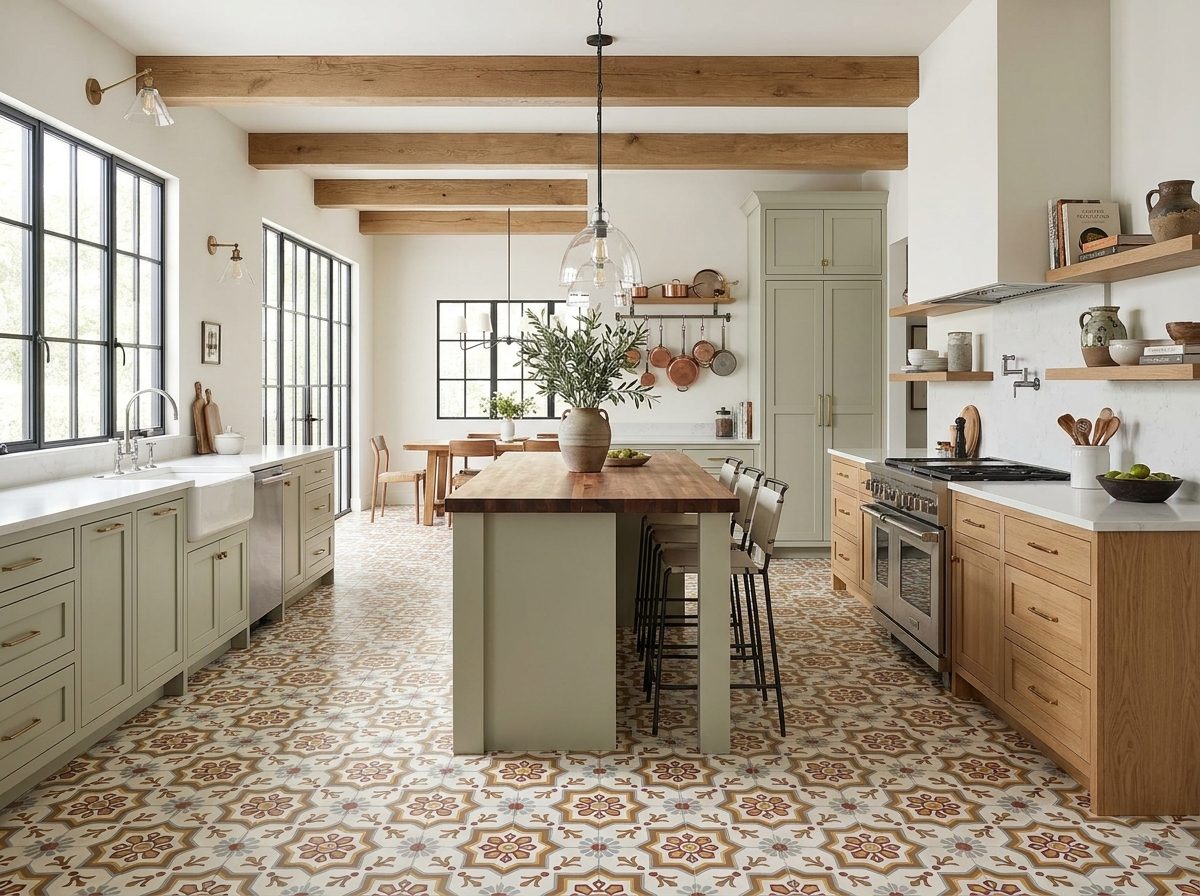
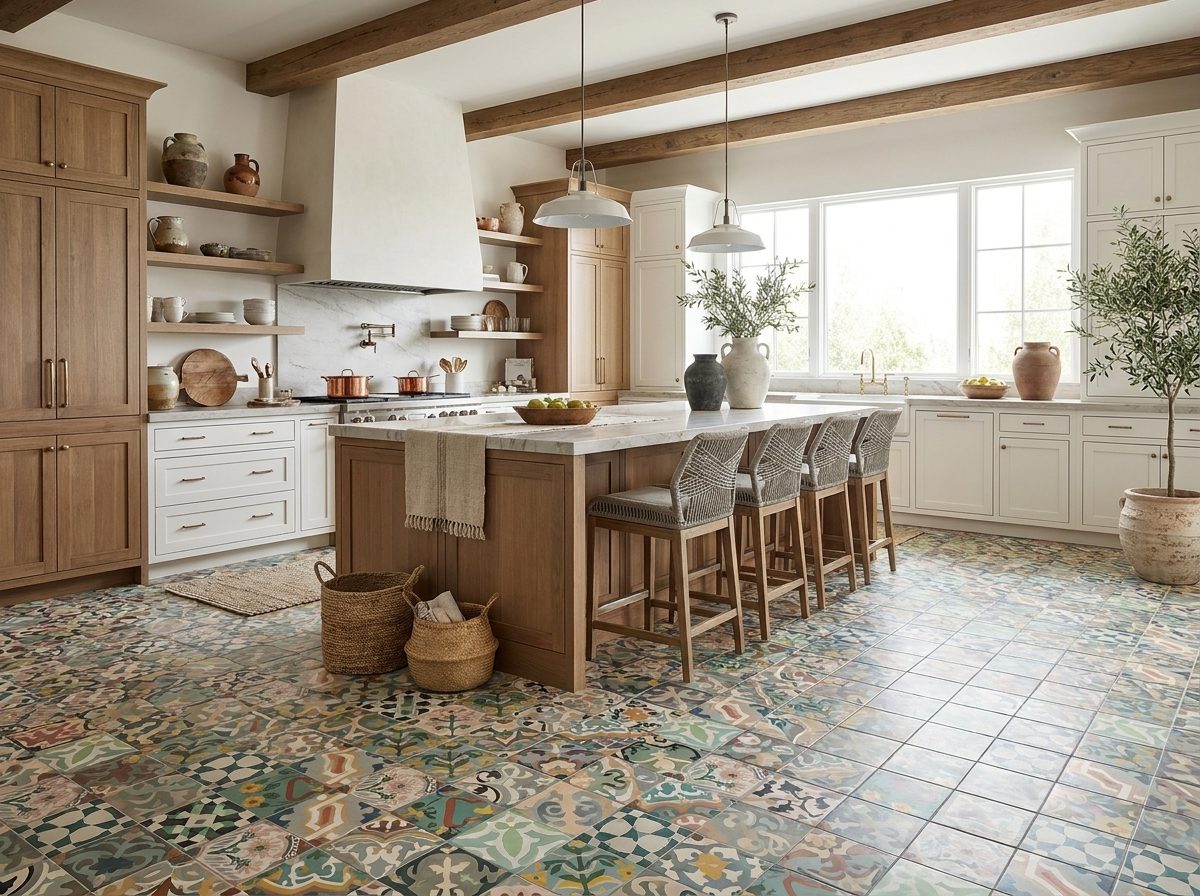
For years, minimalist design has favored neutral, understated flooring as a quiet backdrop. However, one of the most expressive interior design trends for 2026 flips this concept on its head. Maximalist patterned flooring establishes the floor as the primary artistic statement of a room. This trend celebrates intricate, colorful, and bold designs, moving away from simple surfaces and toward visually rich environments that tell a story.
Designers are using handcrafted cement tiles, with their inherent variations and bold color capabilities, to create these focal points. This approach is seen in high-end residential projects that blend Moroccan motifs with contemporary furniture, and in boutique hotels that use custom tile patchworks to define their brand identity.

Putting Maximalist Flooring into Practice
Adopting this trend requires careful balance to avoid overwhelming a space. The key is allowing the floor to be the star.
- Anchor Your Palette: Use a dominant color from your patterned tile to guide the selection of wall paint, textiles, and decor. This creates a cohesive, intentional look rather than a chaotic one.
- Create a “Tile Rug”: In an open-concept space, use a bold patterned tile installation to define a specific area, like a dining nook or seating area. Frame it with a simpler material like wood or microcement for a dramatic effect.
- Balance with Simplicity: Pair an intricate floor with simple, solid-colored walls and furniture with clean lines. This contrast allows the pattern to shine without competing for attention.
- Explore Historical Influences: Patterns with strong geometric lines and symmetrical motifs are central to this look. You can explore how historic movements inspire modern tile by discovering more about Art Deco floor tile.
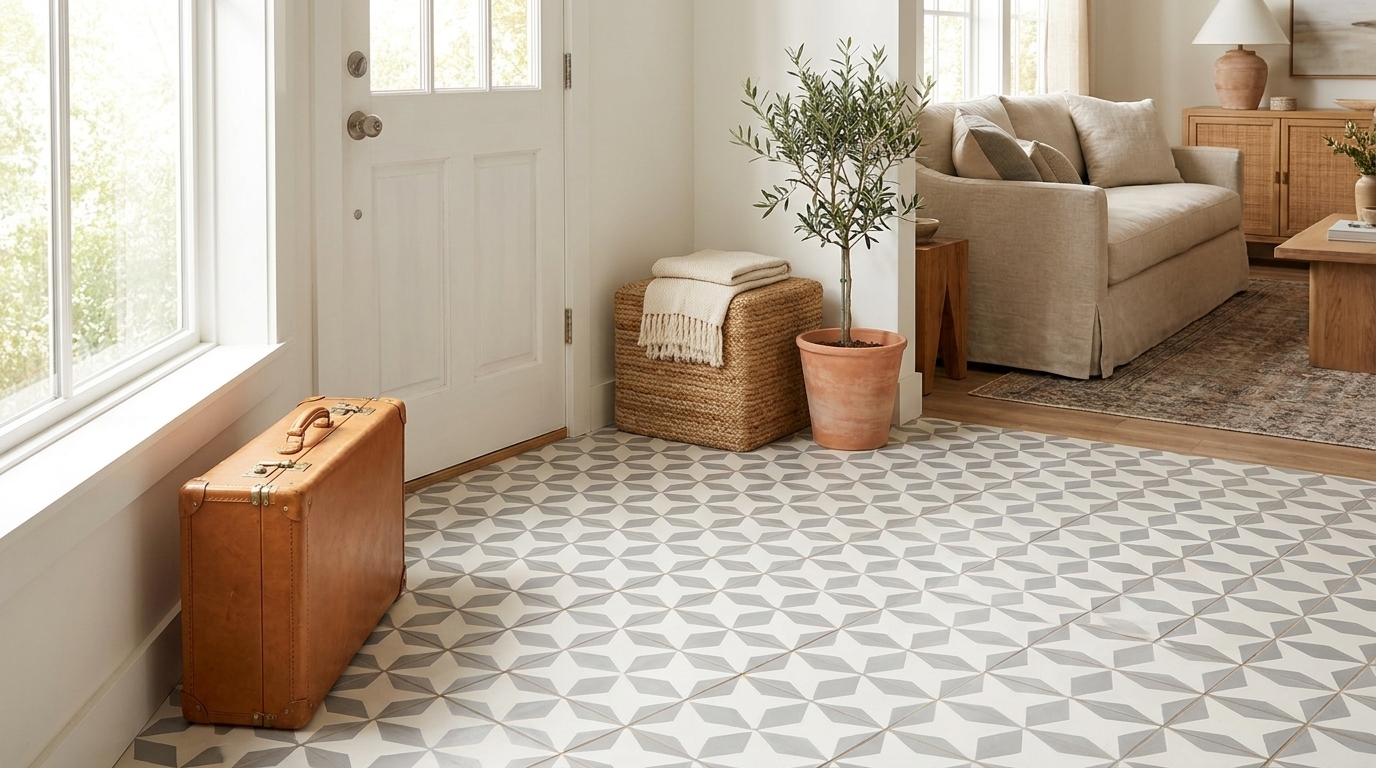
Expert Insight: Start small if you’re hesitant. A powder room, laundry room, or entryway provides a perfect, low-risk canvas to experiment with a bold, maximalist pattern before committing to a larger space like a kitchen or living room.
2. Sustainable Artisanal Craftsmanship
As environmental awareness deepens, one of the most significant interior design trends for 2026 is the growing demand for sustainable, handmade products with transparent origins. Sustainable artisanal craftsmanship moves away from mass-produced, disposable goods toward items that are ethically made, durable, and possess a rich story. This trend favors materials and processes that are kind to the planet, such as handcrafted cement tiles, which avoid energy-intensive firing and synthetic glazes.
This focus on eco-conscious quality is gaining momentum in high-end design. It’s visible in LEED-certified buildings that specify handmade tiles to meet environmental standards and in eco-luxury hotels that use artisanal work to communicate a commitment to sustainability. Homeowners are also prioritizing locally-made, durable materials, recognizing the long-term value of products designed to last for generations rather than just a few years.

Putting Sustainable Craftsmanship into Practice
Integrating this trend is about making conscious choices that prioritize quality, longevity, and environmental impact. The goal is to create spaces that are not only beautiful but also responsible.
- Tell the Sustainability Story: When presenting design concepts, highlight the eco-friendly aspects of your material choices. Document the low-energy manufacturing process or the use of natural pigments to show clients the value beyond aesthetics.
- Prioritize Durability and Longevity: Select materials known for their resilience. Handcrafted cement tiles, for example, can last for over a century and develop a beautiful patina over time, making them a truly sustainable choice compared to less durable alternatives.
- Focus on Lifecycle Value: When budgeting, compare the long-term lifecycle cost of artisanal products against cheaper, mass-produced options. The initial investment is often offset by lower replacement and maintenance costs over the life of the building.
- Partner with Transparent Suppliers: Work with manufacturers who provide clear information about their materials, processes, and ethical practices. You can learn more about the heritage and traditional methods of Original Mission Tile to see this transparency in action.
Expert Insight: Use sustainable craftsmanship as a key differentiator for your project. In commercial spaces, this can be a powerful marketing tool that resonates with conscious consumers. In residential design, it adds a layer of integrity and soul to the home that mass-produced items simply cannot match.
3. Earthy Minimalism with Textural Depth
Minimalism is evolving for 2026, moving beyond flat, sterile surfaces toward a more tactile and warm aesthetic. Earthy minimalism with textural depth retains the core principles of simplicity and restraint but introduces rich sensory variation. Instead of relying on color or pattern, this trend finds its voice in the subtle interplay of matte finishes, dimensional surfaces, and natural materials, creating spaces that feel both serene and deeply engaging.
This refined approach is evident in Scandinavian-inspired homes using textured flooring to add warmth, minimalist boutiques featuring dimensional wall treatments for visual interest, and wellness centers that create calming atmospheres with matte surfaces. The silky, imperfect finish of handcrafted cement tile is a perfect match for this look, bringing subtle character and a connection to natural elements.

Putting Earthy Minimalism into Practice
Achieving this look is about thoughtful layering and material selection, allowing texture to become the focal point.
- Layer with Texture: Combine different matte-finish tiles, like a smooth concrete-inspired floor tile and a more varied Zellige-style wall tile. This creates a subtle yet noticeable textural contrast. You can explore how Zellige-style tile can be used by looking at inspirations for a zellige tile backsplash.
- Embrace Imperfection: The natural variations and subtle color shifts in handcrafted tiles are central to this trend. They prevent the space from feeling cold or one-dimensional.
- Use Dimensional Surfaces: Incorporate 3D tiles or other relief surfaces on an accent wall. When lit correctly, these treatments create a dynamic play of light and shadow that adds depth without adding clutter.
- Balance with Natural Materials: Pair your textured tiles with high-quality natural materials like raw wood, linen textiles, and unpolished stone. This reinforces the connection to the earth and enhances the overall sensory experience.
Expert Insight: Lighting design is your most powerful tool with this trend. Use wall-grazing fixtures or directional spotlights to highlight the unique texture of your chosen surfaces. This technique turns a simple wall or floor into a subtle, living piece of art.
4. Wellness-Centered Residential Design
The focus on health has moved beyond diet and exercise to permeate every aspect of our lives, including our homes. Wellness-centered residential design is a key interior design trend for 2026, prioritizing spaces that support physical and mental well-being. This approach involves selecting materials for their non-toxic properties, hygienic surfaces, and ability to foster a sense of calm and aesthetic harmony.
This trend is visible in health-conscious home renovations where material transparency is paramount and in master bathrooms designed as sanctuaries for health and longevity. Designers are specifying materials like cement tile, which is crafted without synthetic glazes, chemical additives, or high-heat firing processes, making it a natural fit for environments where air quality and material integrity are top priorities.
Putting Wellness-Centered Design into Practice
Creating a healthy home environment is about making intentional choices with materials and maintenance from the ground up. The goal is to build a space that actively contributes to well-being.
- Prioritize Material Transparency: When specifying materials, clearly communicate their non-toxic composition. Highlight the use of natural mineral pigments over synthetic alternatives and document that the materials are free from firing or synthetic glazing.
- Emphasize Hygienic Surfaces: Select smooth, durable surfaces like cement tile that are easy to clean and maintain without harsh chemicals. Provide clients with maintenance guidance that recommends non-toxic, pH-neutral cleaners to preserve both the material and indoor air quality.
- Frame Durability as Wellness: A long-lasting material means fewer replacements, less waste, and reduced exposure to dust and adhesives from renovation. Position durability as a core component of a healthy, sustainable home.
- Design for Mental Calm: Use soothing color palettes and patterns that promote tranquility. Spaces with visual harmony and natural textures can reduce stress and improve mental clarity, directly supporting the home’s wellness goals.
Expert Insight: When marketing to health-conscious buyers or collaborating with wellness-focused builders, lead with the health benefits. Clearly detail the material’s composition, its natural origins, and its contribution to a non-toxic living environment. This proactive communication builds trust and meets the demands of an increasingly informed clientele.
5. Residential Maximalism with Cultural Heritage
The movement toward hyper-personalization in design finds its most meaningful expression in one of the core interior design trends for 2026: residential maximalism rooted in cultural heritage. This approach moves beyond generic aesthetics to create spaces that are rich with personal history and global stories. Homeowners are increasingly curating interiors that reflect their backgrounds, travels, and ancestral traditions through intentional choices in pattern, texture, and handcrafted objects.
This trend is beautifully realized in spaces that use authentic, historically inspired materials to tell a story. We see this in kitchens featuring vibrant, zellige-inspired backsplashes that celebrate Moroccan craft, entryways with custom patchwork tile floors reflecting a family’s blended heritage, and bathrooms adorned with patterns passed down through generations. These are not just decorative choices; they are statements of identity.
Putting Cultural Maximalism into Practice
Incorporating heritage into your home is a deeply personal process that requires thoughtfulness and respect for the source material.
- Research with Intention: Before selecting patterns, take time to understand their cultural significance and origins. This research ensures your design is authentic and respectful, adding deeper meaning to your space.
- Create Custom Heirlooms: Use a tile design tool to reinterpret traditional family patterns or create new motifs that represent your personal story. A custom cement tile floor can become a modern heirloom that chronicles your heritage.
- Balance with Supporting Elements: Let the cultural tiles be the focal point. Pair them with natural materials, meaningful textiles, and personal artifacts that support the narrative without creating visual clutter.
- Embrace Patchwork Storytelling: Combine multiple patterns from different cultural backgrounds to represent a blended family or a life rich with diverse experiences. An artful patchwork installation can serve as a beautiful mosaic of your unique history.
Expert Insight: Document the story behind your design choices. Create a small plaque, a framed note, or a journal entry explaining the meaning of the patterns and materials you’ve chosen. This preserves the narrative for future generations and turns your home into a living museum of your family’s story.
6. Statement Entryways and Feature Walls
The first impression of a space is becoming a critical design opportunity, and among the interior design trends for 2026, the elevation of the entryway is paramount. No longer just a transitional zone, entryways and feature walls are being treated as powerful artistic statements. This trend moves beyond simple paint accents to embrace materials like patterned and dimensional tiles that establish a strong, immediate personality for a home or commercial property.
This approach is gaining traction in high-end hospitality, where hotel lobbies and restaurant entrances use signature tile designs to craft a memorable brand experience. In residential settings, designers are creating custom tile patchworks that greet visitors with a burst of color and pattern, setting the design tone for the rest of the home. These spaces are designed to be conversation pieces from the moment one steps inside.

Putting Statement Walls into Practice
Creating a successful feature wall or entryway requires a focused design strategy that integrates pattern, light, and surrounding elements.
- Set the Tone Immediately: An entryway feature wall offers a prime opportunity to introduce your home’s core aesthetic. Consider the view from the outside looking in to maximize visual impact even before the door is opened.
- Balance with Cohesion: To prevent the statement wall from feeling disconnected, use complementary solid-colored tiles or paint on adjacent surfaces. This creates a cohesive flow while allowing the feature to remain the focal point.
- Highlight with Lighting: Plan your lighting to accentuate the texture, color, or dimensionality of your chosen tiles. Wall sconces, track lighting, or even a well-placed floor lamp can dramatically enhance the design.
- Extend the Grandeur: For homes with a prominent staircase in the entryway, the design statement can be extended upward. For those looking to make a grand statement, evolving aesthetics include innovative modern staircase railing designs for 2026.
Expert Insight: Before committing to an installation, create a mood board with tile samples, paint swatches, and images of furniture. This allows you to test pattern and color combinations and ensure the final result aligns with your vision. It’s an essential step for client approval and personal confidence.
7. Biophilic Color Palettes and Nature-Inspired Finishes
While bold colors make their mark, another powerful interior design trend for 2026 centers on forging a deep, calming connection with the natural world. Biophilic color palettes and nature-inspired finishes move beyond simply adding plants to a room. This trend uses color and texture to evoke the feeling of being in nature, relying on rich earth tones, muted greens, and clay-inspired hues to create a serene and grounded atmosphere.
This approach is gaining traction in wellness-focused spaces, such as spas and yoga studios, that use terracotta and earthy-toned tiles to promote tranquility. It is also a cornerstone of high-end residential projects seeking to blend indoor and outdoor living, particularly in Mediterranean and desert-modern styles where the architecture itself celebrates the surrounding landscape.
Putting Biophilic Palettes into Practice
Successfully applying this trend is about creating a layered, sensory experience that feels authentic and comforting. The goal is to build a palette that feels cohesive and organic.
- Layer Earthen Tones: Avoid a flat, one-note look by combining multiple earth tones. Pair a rich terracotta floor with walls in a softer beige, sand, or mushroom color. Use deep browns and mossy greens as accent colors in textiles and decor.
- Embrace Natural Materials: The colors are only half the story. Combine these palettes with materials like raw wood, rattan, linen, and stone to add textural depth and reinforce the connection to nature.
- Mix Finishes: Use a combination of finishes to mimic natural variations. Pair matte wall tiles with a floor tile that has a subtle, raw texture. Cement tiles are ideal for this, as their natural mineral pigments and handcrafted nature give them an inherent organic quality.
- Consider Regional Landscapes: For a truly authentic design, draw inspiration from your local environment. A coastal project might lean into sandy beiges and soft blues, while a mountain retreat could feature slate grays and deep forest greens.
Expert Insight: Natural light is your best tool for this trend. Position key elements, like a terracotta-tiled feature wall or an earthy-toned seating area, where they will be bathed in sunlight. The light will amplify the warmth and subtle variations in the colors, making the space feel alive and dynamic throughout the day.
8. Luxury Hospitality with Artisanal Tile Features
In the competitive world of high-end hospitality, creating a unique and memorable guest experience is paramount. One of the most impactful interior design trends for 2026 sees artisanal, handcrafted tile features becoming the signature of luxury hotels, restaurants, and resorts. This trend moves beyond generic finishes, using custom and heritage tile work to communicate craftsmanship, exclusivity, and a distinct brand story that justifies a premium experience.
This approach is transforming hospitality spaces into design destinations. Boutique hotels are commissioning one-of-a-kind tile installations for their lobbies to make an unforgettable first impression, while high-end restaurants use intricate custom patchwork floors to create an atmosphere of curated sophistication. The inherent character and non-replicable nature of handmade cement tile become a powerful tool for visual storytelling.
Putting Artisanal Tile into Practice
Integrating artisanal tile into a commercial setting requires a focus on both aesthetics and brand identity. The goal is to create a feature that feels authentic and looks intentional.
- Develop a Signature Design: Work with a tile maker to create a custom pattern or colorway that is exclusive to the property. This could involve modernizing a historical local motif or designing a graphic that reflects the brand’s ethos.
- Create Unforgettable Moments: Use artisanal tile to highlight key guest touchpoints. A stunning feature wall behind the reception desk, a custom floor in the elevator bay, or unique tile work in every guest bathroom ensures the design is noticed.
- Tell the Design Story: Document the craftsmanship behind the tile installation. Share this story through marketing materials, social media, or even small plaques on-site to deepen guest appreciation for the space.
- Invest in Durability: For high-traffic areas like lobbies and restaurants, high-quality, properly sealed cement tile is essential. It not only provides a unique look but also offers the longevity required for commercial use.
Expert Insight: Photography is a critical component of this trend. Distinctive tile features are highly shareable on social media. Design the installation with photogenic angles in mind to encourage guests to capture and share their experience, generating organic marketing for the property.
9. Retro and Vintage Revival with Contemporary Twists
Nostalgia continues to shape our interiors as we look to the past for comfort, character, and timeless design principles. In 2026, this trend evolves beyond simple imitation, focusing on a sophisticated fusion of retro and vintage aesthetics with clean, contemporary elements. This approach creates deeply personal, eclectic spaces that celebrate design history while feeling perfectly current.
This revival is visible in residential kitchens and bathrooms featuring vintage-inspired cement tile patterns, and in commercial spaces like boutiques and restaurants that mix eras to build a unique brand story. The key is the thoughtful blend: a mid-century modern credenza sits under a piece of abstract art, or a classic clawfoot tub is paired with bold, geometric floor tiles in a modern colorway. This trend makes heritage tile patterns more relevant than ever, serving as authentic period pieces within a modern context.
Putting Retro Revival into Practice
Mastering this look is about creating a dialogue between old and new, not a museum-like recreation of a single period.
- Balance with Modern Lines: Pair an ornate, vintage-style tile pattern with minimalist cabinetry, sleek fixtures, and uncluttered surfaces. This contrast prevents the space from feeling dated and allows the historical elements to stand out.
- Reimagine with Color: Take a traditional pattern, like an Art Nouveau floral or a Victorian geometric, and render it in an unexpected, contemporary color palette. Think dusty rose with charcoal, or teal with mustard yellow, to give the classic design a fresh identity.
- Mix Eras with Confidence: Don’t be afraid to combine elements from different decades. A 1970s-inspired color scheme can work beautifully with tile patterns from the 1920s, as long as a common thread, such as color or scale, ties them together.
- Authenticity is Key: When incorporating historical patterns, seek authentic reproductions. Sourcing heritage cement tile ensures the design has the correct proportions, motifs, and material integrity, which adds a layer of genuine craftsmanship to the project.
Expert Insight: Start by choosing one “hero” vintage piece or pattern and build the room around it. Whether it’s a stunning cement tile floor, a treasured antique furniture item, or a retro light fixture, letting one element lead the design ensures the final look is curated and intentional rather than chaotic.
10. Commercial and Retail Branding Through Architectural Tile
In a competitive commercial landscape, brand identity is everything. For 2026, a key interior design trend involves businesses moving beyond logos and color schemes to embed their brand directly into their physical architecture. Custom architectural tile is emerging as a primary tool for this, creating signature flooring and wall treatments that serve as powerful, permanent visual identity markers.
This approach is being adopted by restaurant chains creating instantly recognizable floor patterns and by retailers using branded tile installations to craft memorable customer experiences. These architectural statements communicate brand values, differentiate commercial spaces, and turn a simple visit into an immersive brand moment. The tile itself becomes a core part of the marketing story.
Putting Commercial Tile Branding into Practice
Effectively using tile as a branding element requires strategic planning and a deep understanding of the brand’s visual language.
- Develop a Signature Design: Create a unique tile pattern or colorway that is exclusively yours. This design should be scalable and translatable across different locations and sizes to ensure brand consistency.
- Coordinate with Brand Experts: Work closely with branding consultants and graphic designers when developing the tile concept. The design must align perfectly with the company’s logo, color palette, and overall ethos.
- Plan for Phased Rollouts: For multi-location businesses, plan the installation timelines carefully. Document the entire design, production, and installation process to ensure every new location can replicate the look flawlessly.
- Use as a Marketing Asset: High-quality photography of the finished tile installations should be a key component of your marketing materials, from social media to press kits.
Expert Insight: For maximum impact, focus the custom tile on high-traffic, high-visibility areas. A branded entryway floor, a feature wall behind a reception desk, or the flooring in a main dining area makes a strong, immediate impression that defines the customer’s entire experience.
2026 Interior Design Trends: Top 10 Comparison
| Trend | Implementation Complexity 🔄 | Resource Requirements ⚡ | Expected Outcomes 📊 | Ideal Use Cases 💡 | Key Advantages ⭐ |
|---|---|---|---|---|---|
| Maximalist Patterned Flooring | High — custom design coordination & skilled installation | High — bespoke tiles, higher budget, longer lead times | Dramatic visual focal points; rich storytelling | Boutique hotels, feature rooms, residential accents | Statement-making, hides wear, showcases craftsmanship |
| Sustainable Artisanal Craftsmanship | Medium — supplier vetting and custom production workflows | Medium–High — premium materials, longer lead times | Reduced environmental impact; authentic provenance | LEED projects, eco-luxury hospitality, conscious homes | Low carbon footprint, durable, authentic craft narrative |
| Earthy Minimalism with Textural Depth | Medium — careful material and lighting coordination | Moderate — textured/matte tiles and finish selections | Calm, sophisticated spaces with subtle interest | Minimalist residences, spas, boutiques | Timeless, versatile, highlights furnishings and art |
| Wellness-Centered Residential Design | Low–Medium — specification and documentation for health claims | Moderate — premium non‑toxic materials, possible certifications | Improved indoor air quality and hygienic maintenance | Family homes, bathrooms, wellness-focused renovations | Non‑toxic, easy to clean, supports long‑term health goals |
| Residential Maximalism with Cultural Heritage | High — research, cultural sensitivity, and custom work | High — artisan patchworks, specialized craftsmanship | Deeply personal, meaningful interiors with cultural resonance | Homes celebrating heritage, multicultural residences | Authentic storytelling, unique non‑replicable designs |
| Statement Entryways and Feature Walls | Medium — focused design within limited area | Moderate — custom tiles but smaller material quantities | Memorable first impressions and clear design anchors | Entryways, lobbies, restaurant accent walls | High impact with contained scope; efficient use of materials |
| Biophilic Color Palettes & Nature Finishes | Low–Medium — palette and material harmony required | Moderate — natural pigments, matte/stone-like finishes | Calming, nature-connected environments | Wellness centers, hospitality, residential living spaces | Timeless warmth, connects interiors to landscape and nature |
| Luxury Hospitality with Artisanal Tile Features | High — large-scale custom coordination and specialist installs | Very High — premium materials, skilled labor, long lead times | Differentiation, elevated guest experience, social shareability | Boutique hotels, resorts, high-end restaurants | Exclusive craftsmanship, justifies premium positioning |
| Retro & Vintage Revival with Contemporary Twists | Medium — historical research and balanced curation | Moderate — heritage reproductions and custom colorways | Nostalgic yet updated interiors that feel authentic | Vintage-inspired kitchens, eclectic boutiques, residences | Authentic period appeal, collector value, timeless charm |
| Commercial & Retail Branding Through Architectural Tile | High — scalable design, brand alignment and quality control | High — upfront investment, consistent production across sites | Strong brand identity, memorable customer experiences | Restaurant chains, retail flagships, office lobbies | Durable brand markers, marketing value, repeatable installations |
Crafting Your Timeless Space with 2026’s Trends
As we look ahead, the interior design trends of 2026 point to a collective shift towards spaces that are more personal, sustainable, and rich with narrative. The trends we’ve explored, from Maximalist Patterned Flooring to Wellness-Centered Residential Design, are not merely fleeting styles. They represent a fundamental desire for authenticity, craftsmanship, and a deeper connection to our surroundings.
The overarching theme is a rejection of the generic in favor of the meaningful. We see this in the embrace of Sustainable Artisanal Craftsmanship, where the story behind a material is as important as its appearance. It’s also evident in the move towards Residential Maximalism with Cultural Heritage, which encourages us to fill our homes with objects and patterns that reflect our personal journeys. Even Earthy Minimalism finds its soul in textural depth and natural materials, proving that quiet spaces can speak volumes.
Key Takeaways for 2026 and Beyond
As you begin to plan your projects, keep these core principles at the forefront of your design process. These are the threads that connect the most impactful interior design trends of 2026:
- Storytelling Through Materials: Choose finishes that have a history and a human touch. The imperfections in a handcrafted tile or the grain in reclaimed wood add character that mass-produced items cannot replicate.
- Purposeful Personalization: Design is moving beyond aesthetics alone. It’s about creating environments that support well-being, reflect identity, and serve a specific function, whether it’s a Statement Entryway that welcomes with drama or a retail space that uses tile for branding.
- Longevity over Novelty: The most compelling trend is the move away from trends themselves, at least in the disposable sense. The focus on quality materials, artisanal methods, and timeless patterns like those seen in Retro and Vintage Revival ensures that today’s designs will remain relevant for decades.
Putting Trends into Action
So, how do you translate these broad concepts into tangible design choices? The key is to see these trends not as strict rules but as a flexible framework. Start by identifying which theme resonates most with your project’s goals.
Is your focus on creating a sanctuary? Then explore Biophilic Color Palettes and Wellness-Centered Design, using natural colors and textures to foster a connection to the outdoors. Are you designing a high-traffic commercial space like a hotel or restaurant? Look to Luxury Hospitality with Artisanal Tile Features and Statement Walls to create an unforgettable, durable first impression.
For every trend, the goal is to build layers of interest. A minimalist room becomes inviting with the addition of textural cement tile. A maximalist space feels cohesive when grounded by a repeating pattern that carries cultural significance. Original Mission Tile, with its legacy of handcrafted production and endless customization options, provides a direct link to achieving this depth. By using their tools to create bespoke patterns or selecting from their historic catalogs, you are investing in a piece of design history that perfectly aligns with the future direction of interior design. The future is personal, sustainable, and beautifully crafted.
Ready to bring the authentic craftsmanship of 2026’s design trends into your own space? Explore the timeless patterns and customizable color palettes at Original Mission Tile. Visit the Original Mission Tile website to discover how their handcrafted cement tiles can provide the foundation for a design that is both on-trend and enduring.