You're probably looking at limestone because every porcelain sample that claims to feel “natural” still reads a little too uniform in person. Then you see a limestone tile board, and the whole mood changes. The color is quieter. The surface looks softer. Light doesn't bounce off it in a sharp way. It settles into the room.
That's the appeal. Limestone bathroom tiles can make even a simple bathroom feel grounded, refined, and expensive without looking flashy. But this is also one of those materials that rewards honesty. Limestone is beautiful. It's also porous, softer than harder stones, and far less forgiving than people expect if it's installed casually or maintained inconsistently.
If you're choosing between real limestone, a limestone-look porcelain, or another character-rich surface, the smart question isn't just “Will it work in a bathroom?” It's “Will it work in my bathroom, with my budget, my cleaning habits, and my tolerance for upkeep?”
The Timeless Appeal of Limestone in Bathrooms
Some materials feel current. Limestone feels established.
A limestone bathroom doesn't rely on trend tricks to look refined. The stone brings its own authority. Its muted movement, chalky depth, and natural variation create the kind of room that feels calm the moment you walk in. In bathrooms, that matters more than people think. Hard finishes can easily make the space feel cold. Limestone tends to do the opposite. It softens the room visually.
Its appeal also runs far deeper than fashion. Limestone has been used in architecture for millennia, and one widely repeated historical claim holds that the Great Pyramid was once clad in white limestone. A broader tile history reference places the earliest known estimate for human tile use at about 3550 BCE, which is a reminder that tiled stone surfaces belong to one of the oldest material traditions in building according to this tile history overview.
Limestone doesn't feel timeless by accident. It has a long architectural memory behind it.
Why designers keep returning to it
In bathrooms, limestone works because it balances restraint and richness. It isn't loud like a dramatic marble. It isn't flat like a basic beige ceramic. It sits in the middle, which makes it unusually flexible.
It also pairs well with materials that age gracefully:
- Brushed brass or aged bronze: These finishes bring warmth without competing with the stone.
- Oak and walnut vanities: Wood adds depth and keeps limestone from reading too formal.
- Plaster walls and limewash tones: These combinations create a layered, tonal look rather than a tiled box.
Where the luxury really comes from
The luxury of limestone isn't shine. It's permanence. A honed limestone floor, a thick vanity top, or a shower wall with subtle fossil movement feels substantial because the material has visual weight. It connects a contemporary bathroom to much older ideas of craft, masonry, and enduring stonework.
That's why people are drawn to it. They don't just want a bathroom that photographs well. They want one that feels settled and real.
Exploring Limestone Tile Types and Finishes
Before choosing limestone bathroom tiles, it helps to separate two decisions that often get blurred together. First, you choose the look of the stone. Then you choose the finish on the surface. The second decision changes not only the appearance but also how the tile behaves under daily use.

Understanding the stone itself
You'll see different limestone names in showrooms and spec sheets. Some read creamy and uniform. Others show fossils, clouding, or stronger tonal variation. That visual difference matters because a busy limestone can feel rustic or old-world, while a quieter one can look architectural and modern.
What matters practically is that limestone is softer than harder natural stones like granite, which is one reason designers and fabricators value it. It's workable, elegant, and visually rich. But that same softness is also why limestone is typically better suited to moderate-traffic residential areas rather than high-abrasion commercial settings, as noted in this general tile reference on stone tile characteristics.
A contemporary limestone look also appears in standardized product formats. One example listed in that same reference is a limestone-style collection offered in 2 1/4" x 8" tiles, with 36 tiles per box and 4.68 square feet per box. That tells you something useful: even when the visual language is ancient, the way the material is sold today is highly adapted to modern interiors.
The finish changes the experience
A polished limestone tile gives you a more formal look, but in bathrooms it can also show water marks and day-to-day wear more readily. It's usually the finish people admire on a sample board and regret on a real floor.
A honed finish is usually the most versatile choice. It has a matte or low-sheen face that looks refined without being precious. It also tends to fit better with the relaxed, spa-like mood most clients want from limestone.
A tumbled finish pushes the stone in a more rustic direction. Edges feel softened, the face has more texture, and the overall effect is older and more casual.
Selection rule: If you want limestone to feel modern, choose a quieter stone with a honed surface. If you want it to feel storied, choose more variation and a tumbled finish.
What each finish is best at
| Finish | Best for | Watch out for |
|---|---|---|
| Honed | Floors, walls, cohesive spa-like bathrooms | Needs sealing and gentle care |
| Polished | Vanity walls, lower-contact decorative areas | Can highlight spots and wear |
| Tumbled | Rustic floors, shower accents, textured walls | Reads less formal and collects more visual shadow |
If you want the safest all-around answer, start with honed limestone. It usually gives you the best balance of elegance and livability.
Is Limestone a Practical Choice for Your Bathroom
Limestone can work beautifully in a bathroom. It is not a carefree material.
That distinction matters because many disappointing stone bathrooms fail for predictable reasons. The owner loved the look, approved the sample, and never got a clear explanation of what daily use would ask of the material. The problem usually isn't that limestone was the wrong aesthetic choice. The problem is that nobody matched the material to the household.

Porosity is the starting point
Limestone is a naturally porous sedimentary stone. In bathroom terms, that means the stone can absorb moisture if it's left unsealed. In a wet environment, a high-quality penetrating sealer is not optional if you want to reduce water absorption, staining, and the buildup that comes from soap and minerals, as explained in this guidance on limestone tile care and performance.
That same guidance also notes something many homeowners miss. Limestone's softer composition makes it more sensitive to acidic cleaners. So even if the stone is sealed, the wrong cleaning habits can still dull or damage the surface over time.
Think of limestone like a maintenance contract
The right way to evaluate limestone bathroom tiles is not “Can stone go in a bathroom?” It can. The better question is whether you're willing to keep up with the maintenance cadence that limestone needs in wet use.
If you are, limestone can be a strong choice for:
- Powder rooms
- Guest bathrooms
- Main bath floors with disciplined care
- Walls, vanity cladding, and lower-splash applications
If you aren't, it's wiser to avoid it in:
- Busy family showers
- Bathrooms used by children who splash heavily
- Spaces where strong spray cleaners are part of the routine
- Projects where no one wants to think about resealing
For clients considering stone beyond the bathroom, this overview of outdoor limestone tile considerations is also useful because it reinforces the same core lesson. Limestone performs best when the material, exposure conditions, and maintenance expectations are aligned from the start.
A short visual walkthrough can help if you want to compare looks and applications before deciding.
The shower test
Those asking about limestone aren't really worried about the vanity backsplash. They're worried about the shower.
That's where the decision becomes simple. Limestone in a shower is possible, but it only stays successful when the owner accepts ongoing upkeep as part of owning the material. Sealer doesn't solve the issue forever. It manages it for a period of time.
In wet zones, the deciding factor isn't just porosity. It's whether the household will actually keep up with the sealing schedule and gentle cleaning the stone requires.
A practical decision filter
Use this framework before you commit:
Your design priority
If real stone character matters more to you than convenience, limestone stays in the conversation.Your cleaning habits
If you already use gentle products and wipe down wet surfaces, you're a better match for limestone than someone who wants a spray-and-walk-away routine.Your bathroom traffic
A guest bath is very different from the only shower in a busy household.Your tolerance for patina
Some people love stone that softens and evolves. Others want a surface that looks nearly unchanged for years.
If you want a bathroom that feels luxurious but asks very little from you afterward, limestone probably isn't the most practical answer for the shower itself.
Design Inspiration for Your Limestone Bathroom
Once limestone is chosen thoughtfully, it can produce some of the most convincing bathrooms in residential design. The key is to use it where its softness reads as elegance rather than vulnerability.

The quiet spa floor
One of the best limestone applications is a large-format honed floor that runs wall to wall with minimal visual interruption. This approach makes the room feel broader and calmer. Pair it with a floating oak vanity, warm white walls, and simple fittings, and the result feels collected rather than decorated.
Limestone does its best work. It creates atmosphere without demanding attention.
The monolithic feature wall
A second strong move is using limestone vertically behind a freestanding tub or full-height vanity wall. When the tile has gentle movement and the joints are kept visually restrained, the wall reads almost like cut stone rather than a grid of tile. That gives the bathroom architectural presence.
This works especially well in homes where the rest of the palette is quiet. The wall becomes the texture in the room.
A single limestone focal wall often delivers more impact than tiling every surface with the same stone.
The rustic shower accent
If you like a more old-world or Mediterranean direction, smaller-format limestone with a textured or aged finish can create a shower wall that feels layered and handmade. That style works best when the rest of the room is edited back. Too many competing elements and the bathroom starts to feel busy.
For renovation planning, scope, and sequencing, homeowners often benefit from practical renovation guidance before finalizing finishes. A resource like Voyager Plumbing for Northern Beaches bathroom renos can help frame the broader project decisions that affect tile choices later.
Pairings that make limestone look expensive
A few combinations consistently enhance limestone bathroom tiles:
- Warm metal finishes: Unlacquered brass, bronze, and brushed nickel all sit comfortably with limestone.
- Natural woods: White oak, walnut, and stained timber vanities prevent the room from feeling sterile.
- Soft whites and mineral paint tones: These keep the palette tonal and let the stone lead.
- Simple lighting: Disciplined lighting makes the stone read richer. Overly decorative fixtures can cheapen the effect.
The best limestone bathrooms usually don't try too hard. They let the material carry the room.
Key Steps for Installing Limestone Tile Correctly
A limestone bathroom usually looks expensive on day one. The installation determines whether it still looks that way two years later.
This is also the point where total cost of ownership starts to separate limestone from high-end porcelain. Porcelain can forgive more. Limestone rarely does. If the substrate is out, the stone is inconsistent, or the sealing plan is vague, the maintenance cadence gets harder and the room ages faster than clients expect.
Start with stone that is sized for the job
Ask for gauged limestone from the start. Uniform thickness gives the installer a fair chance of keeping the surface flat, controlling lippage, and maintaining clean edge alignment. Limestone is honest about every mistake. A tile body that varies too much in thickness can turn a calm, monolithic scheme into a patchwork of shadows at every joint.
Joint size matters too. Many limestone bathrooms look best with tight joints, but the right width depends on how consistent the tile is and how true the walls and floor are. For practical background before you meet your contractor, this stone tile installation guide gives a useful overview of the installation sequence and substrate expectations.
Questions worth asking your installer
A good stone installer should answer these clearly:
- How often do you install natural limestone in wet rooms? Bathroom stone work is a different discipline from standard ceramic installs.
- Are these tiles gauged and calibrated? If not, ask how variation will be managed.
- What substrate prep is planned before tile goes down? Limestone shows humps and dips quickly.
- What joint width are you recommending for this batch of tile? The answer should reflect the stone, not a generic rule.
- What is the sealing plan before grouting and after handover? If there is no clear schedule, expect problems later.
- How will you finish niches, curbs, corners, and exposed edges? Cheap transition details can undercut the whole room.
Those answers tell you a lot. An installer who only wants to discuss grout color and layout style has skipped the hard part.
Sealing starts before the room is in use
Limestone needs a penetrating sealer, and the timing matters. In many projects, I want the installer to protect the stone during installation, grout with the stone in mind, and leave the client with a written resealing and cleaning plan. Without that handoff, the maintenance cadence becomes guesswork.
That matters because limestone ownership is not just about cleaning. It is about keeping protection in place on a predictable schedule, especially in showers and family bathrooms. If that cadence already sounds irritating, it is worth reconsidering limestone before you buy it. High-end porcelain often wins on long-term effort even when limestone wins on warmth and depth.
What usually goes wrong
The failures are usually ordinary, not dramatic.
Uneven substrate preparation
Stone telegraphs irregularities that porcelain can hide more easily.Too much variation in the tile batch
If thickness, tone, or finish are not reviewed before installation, the final surface can look unsettled.Treating limestone like a low-maintenance material
Adhesive choice, cutting, cleanup, sealing, and post-install protection all need more care than a standard porcelain job.Weak detailing at drains, niches, and transitions
Bathrooms fail at the edges first. Good stone work is often decided in those small junctions.No owner handover
The client should know which cleaner to use, when to reseal, and what signs show the sealer is wearing off.
A well-installed limestone bathroom is beautiful. A poorly planned one becomes an expensive maintenance lesson.
Budgeting for Limestone Tiles Costs and Value
Limestone often passes the aesthetic test immediately. The cost conversation is where people pause.
That's sensible. Real limestone isn't just a tile purchase. It's a material choice that affects labor, maintenance, and long-term ownership. If you compare only the showroom sample prices, you miss the part of the budget that usually changes the decision.
The upfront numbers
One consumer guide estimates limestone tile at about $80–$130 per square meter, while high-end porcelain is listed at roughly $50–$100 per square meter. The same guide notes tiler labor can range from $45–$150 per hour depending on complexity and installer experience, according to this breakdown of bathroom limestone costs and labor ranges.
Those ranges matter because limestone is not only more expensive as a material. It often increases installation sensitivity, which can push labor toward the higher end when the job demands careful handling and finish quality.
Limestone vs porcelain bathroom tile cost comparison
| Feature | Limestone | High-End Porcelain |
|---|---|---|
| Material cost | $80–$130 per square meter | $50–$100 per square meter |
| Labor exposure | Can be higher with specialized stone installation | Often simpler to install |
| Ongoing sealing | Expected as part of ownership | Typically lower maintenance |
| Surface vulnerability | More sensitive to wear, chipping, and scratching in frequent-use areas | Better fit for clients prioritizing durability |
The ownership question most buyers skip
A client may look at limestone and porcelain samples and decide the price gap doesn't seem dramatic enough to matter. But the true cost difference usually shows up later.
With limestone, you're also buying:
- A sealing routine
- Gentler cleaning products
- A lower margin for neglect
- Potentially higher repair sensitivity if damage occurs
With high-end porcelain, you're usually buying:
- Visual consistency
- Simpler upkeep
- Better tolerance for heavy daily use
That doesn't make porcelain the better material in every project. It makes it the better value for many households.
Where limestone still earns its keep
Limestone justifies its cost when the client values material authenticity and accepts the upkeep as part of the experience. In the right bathroom, the visual depth of real stone can absolutely be worth the premium.
But if the goal is to achieve a similar tonal look with fewer responsibilities, high-end porcelain often wins the value conversation. It's the option I'd suggest for the client who loves limestone in theory but already sounds tired when sealing and cleaner restrictions come up.
Long-Term Care and Smart Tile Alternatives
A bathroom can look flawless at handover and feel high-maintenance six months later. That gap usually comes down to maintenance cadence. Limestone rewards owners who will keep up with sealing, soap film removal, and gentle cleaning. In a shower used hard every day, that routine arrives faster than many people expect.
That is the key decision point. Not whether limestone is beautiful. It is. The question is whether the household will keep pace with what the stone asks over time, and whether that upkeep still makes sense once you compare total cost of ownership with high-end porcelain or cement tile.
A care routine that holds up in real life
Limestone ages well when the routine is specific and repeatable.
- Clean with a pH-neutral product: Acidic bathroom cleaners, limescale removers, and bleach-heavy sprays can mark or weaken the finish.
- Remove residue early: Soap film, hard-water minerals, and shampoo buildup are much easier to clear before they dry hard on the surface.
- Watch the wettest zones first: Shower walls, niches, curbs, and floor areas near the drain usually need the closest attention.
- Use soft tools: Stiff brushes and abrasive pads can dull honed limestone and roughen the face of softer pieces.
- Reseal on a schedule that matches use: A powder room and a family shower do not wear at the same rate.
For a practical refresher on products and habits that are safer for natural stone, this guide to cleaning stone tiles properly is worth keeping on hand.
I tell clients to budget for time, not just materials. If they already know they dislike maintenance chores, limestone in a primary shower is usually the wrong place to be optimistic.
Comparing long-term ownership
Limestone often loses clients after they understand the full picture. The tile itself may feel justified at purchase. The ongoing attention is what changes the math.
Limestone usually means:
- periodic resealing
- stricter cleaner selection
- more visible etching, wear, or dulling in busy wet areas
- a lower tolerance for skipped maintenance
High-end porcelain usually means:
- a simpler cleaning routine
- better resistance to daily water exposure and bath products
- fewer finish changes over time
- easier ownership in kids' baths, guest baths, and rental properties
Cement tile sits in the middle of a different conversation:
- strong visual character
- maintenance needs of its own
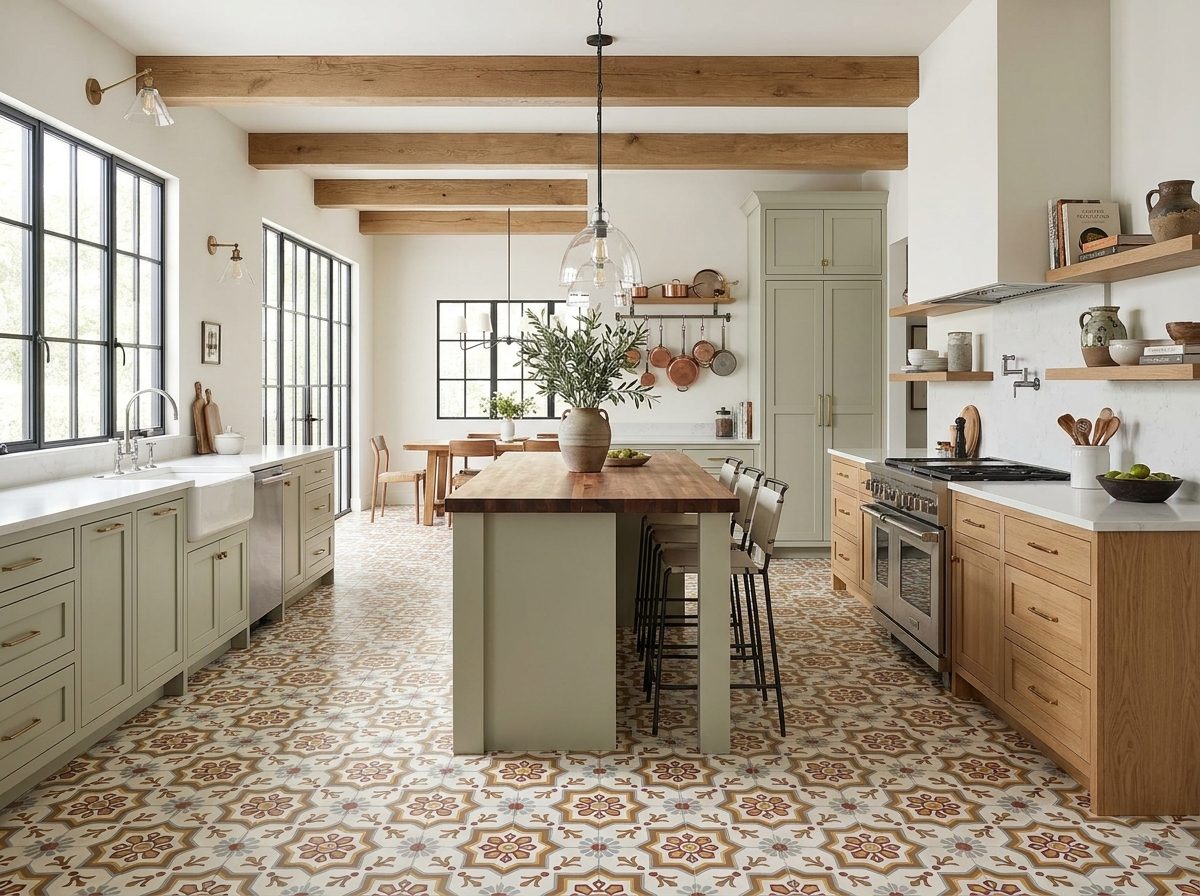
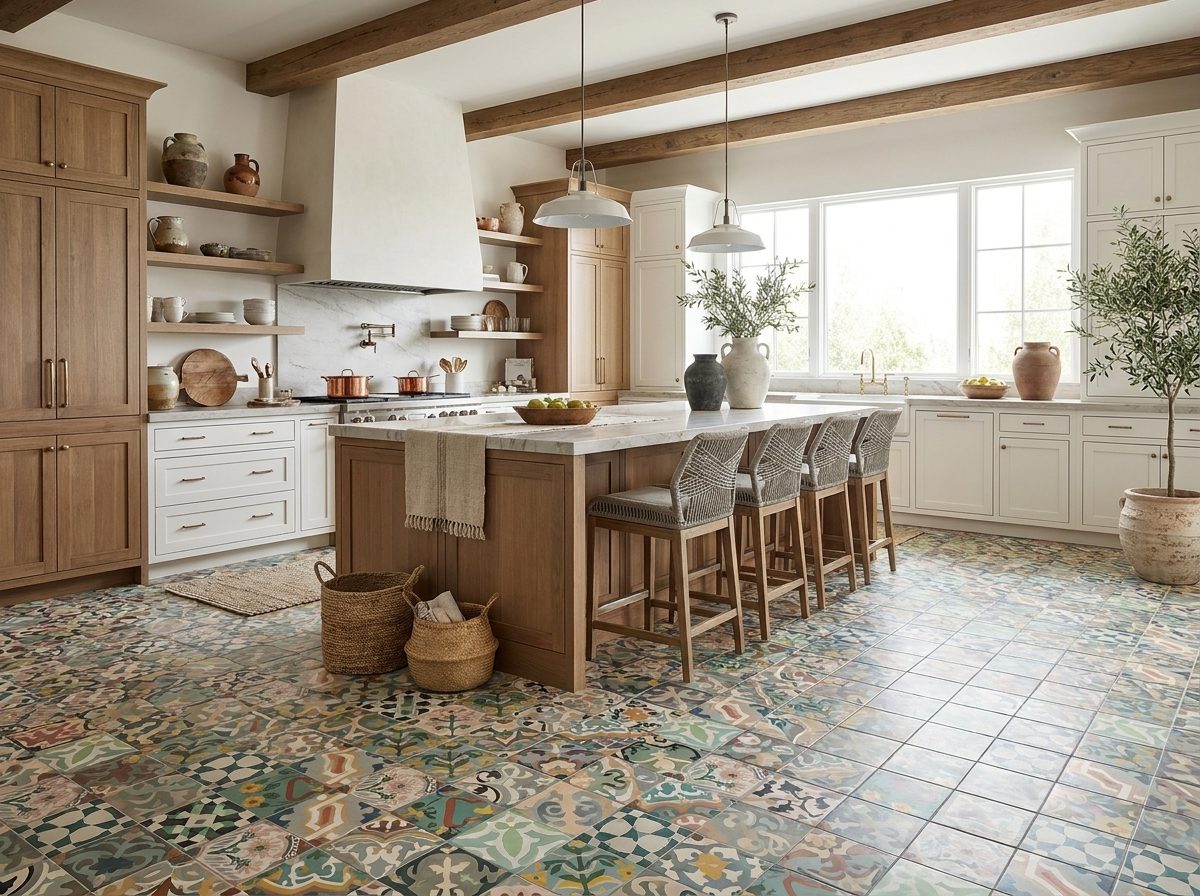
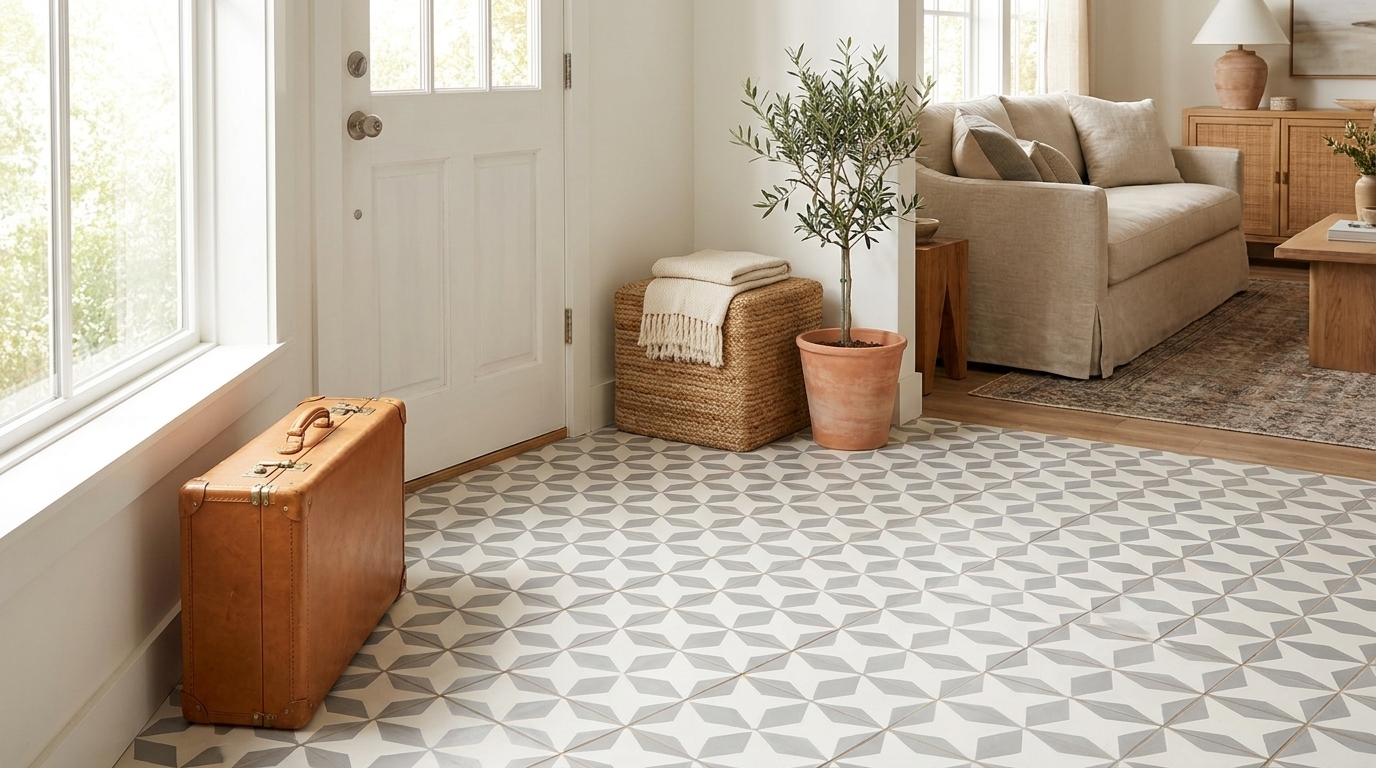
- better chosen for pattern and texture than for copying limestone
Porcelain is often the better value for clients who want the color range and softness of limestone without building a care schedule around it. Cement tile suits clients who want a handmade look and accept that it also asks for informed maintenance, just in a different way.
Choose based on your maintenance cadence
I use a simple filter with clients.
Choose limestone if you want genuine stone variation, accept periodic sealing as part of ownership, and will stay consistent with stone-safe cleaning.
Choose porcelain if the bathroom gets heavy daily use, several people share it, or nobody wants to think about resealing.
Choose cement tile if surface pattern and artisanal character matter more than a stone look, and you are comfortable following the manufacturer's care instructions closely.
That framework prevents regret. It also gives a more honest budget, because labor, maintenance products, and future touch-ups are part of the cost of ownership.
Don't overlook moisture behind the tile
Tile choice does not fix bad waterproofing or poor ventilation. If a bathroom already shows staining, recurring damp patches, or a musty smell, address the assembly behind the finish before blaming the tile surface. This guide on Phoenix mold removal from drywall is a useful reminder of what persistent bathroom moisture can do when water management is ignored.
Limestone can be a beautiful long-term choice. It just needs the right owner, the right setting, and a maintenance rhythm that matches real life.