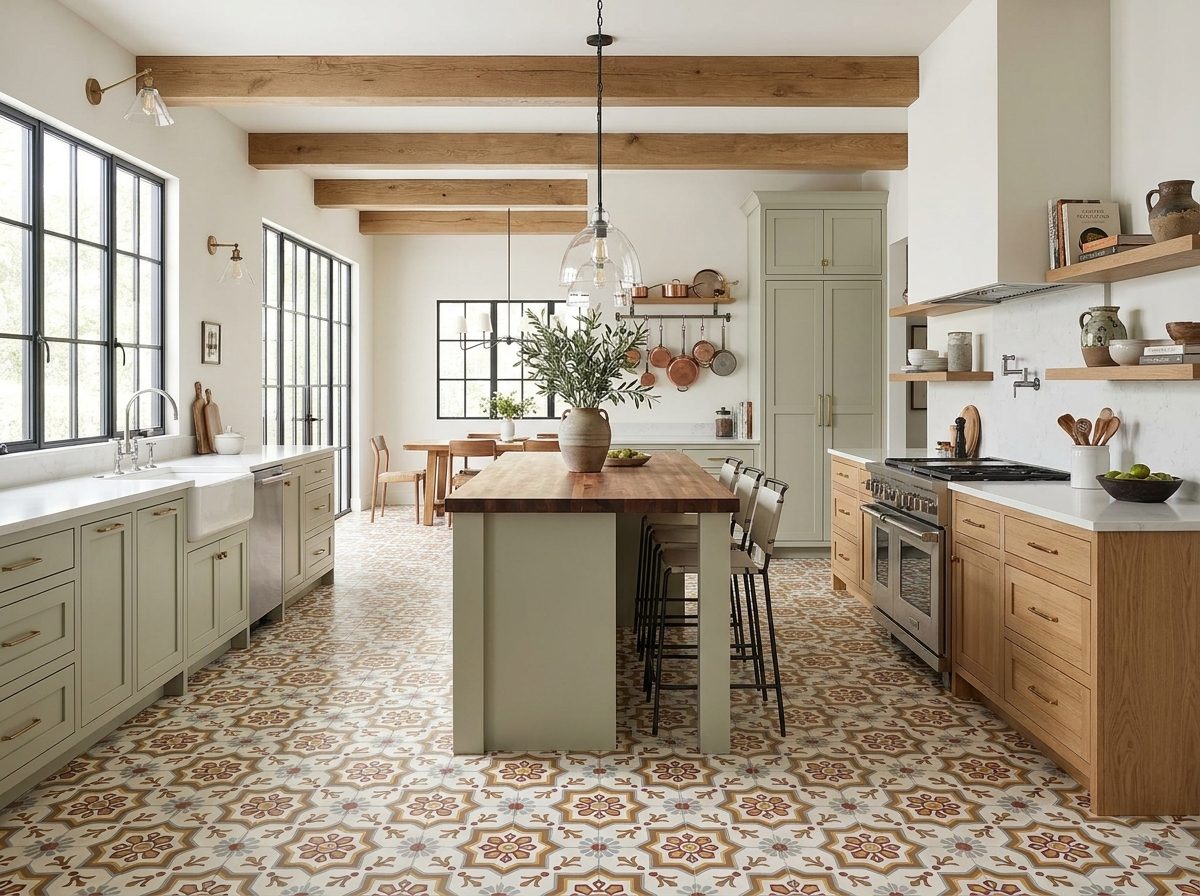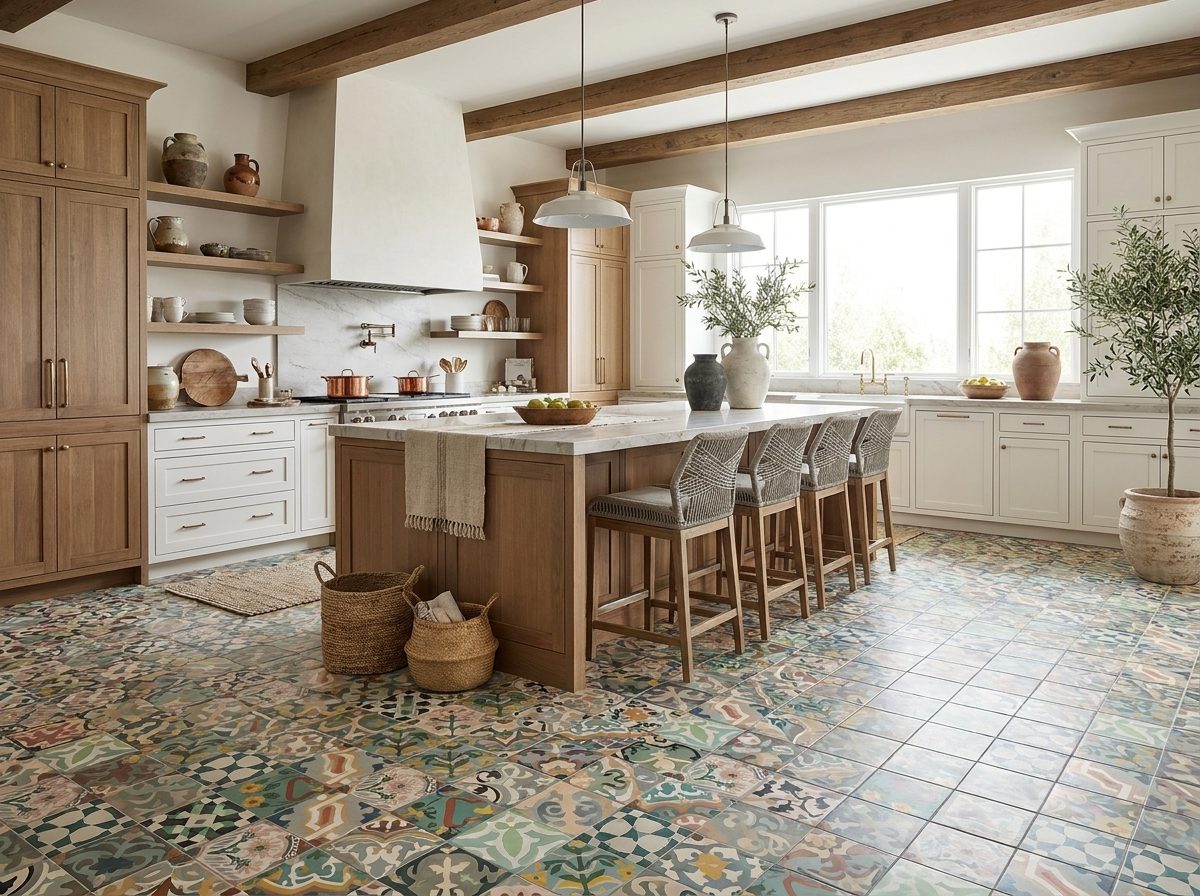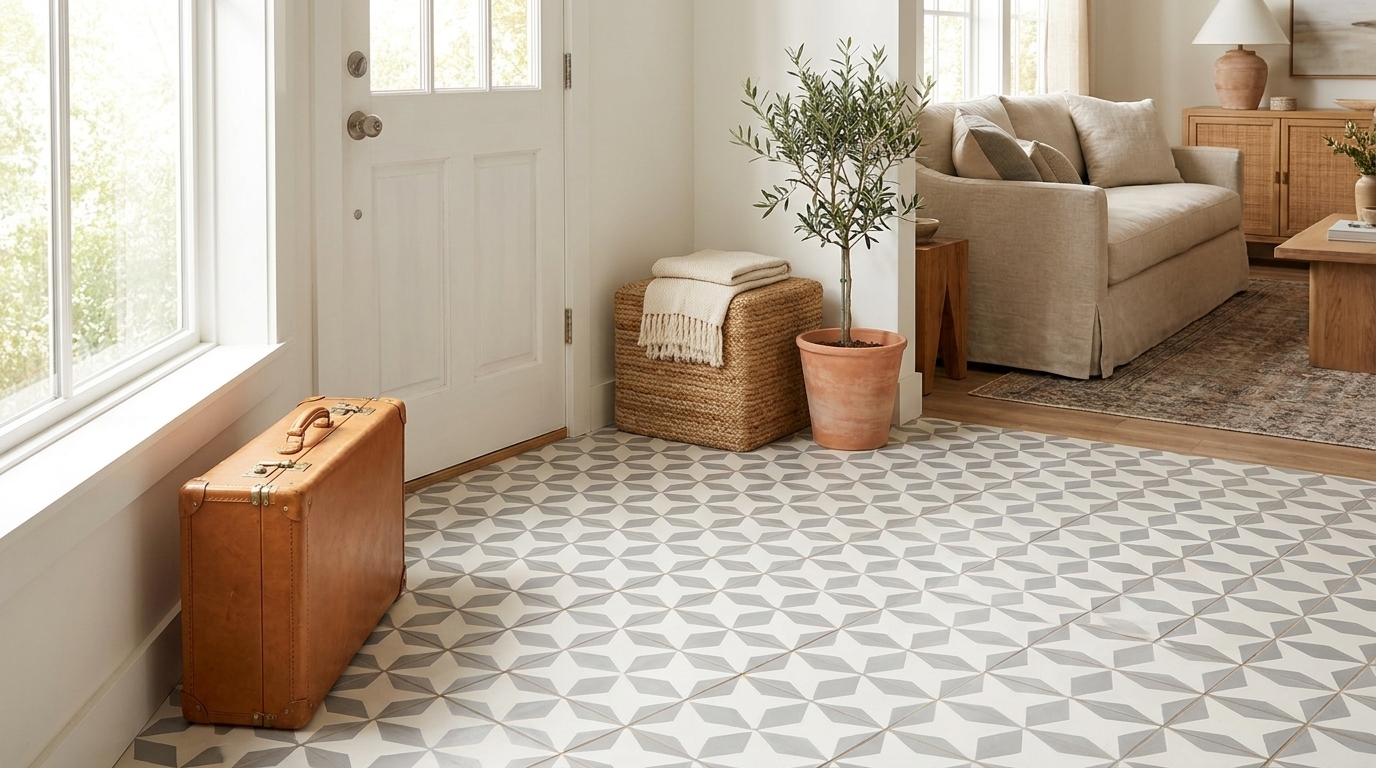
When we look at what’s coming for bathroom tile in 2026, one big idea stands out: people want their bathrooms to feel less like sterile, functional boxes and more like personal sanctuaries. We’re seeing a huge shift toward authentic, sustainable materials that feel good to the touch. Think handcrafted cement tiles, deep earth tones, and tactile surfaces that feel warm and full of character—a welcome departure from the mass-produced looks of the past.
Setting The Stage For 2026 Bathroom Tile Trends
Let’s be honest, the bathroom is no longer just a room for getting ready. For 2026, it’s becoming a true retreat, a personalized space designed for comfort and escape. The core driver behind this evolution is a desire for rooms that feel both calming and completely unique to us. Generic, off-the-shelf styles are making way for materials and designs that tell a story, reflecting a newfound appreciation for genuine craftsmanship and natural beauty.
This isn’t just about looks, either. It’s a collective move toward tranquility and a connection to real, honest materials in our day-to-day lives. As you start planning, it helps to see your tile choice as a cornerstone of the entire project. A full Bathroom Remodeling project involves plumbing, fixtures, and layout, and making sure your tile harmonizes with those elements from the start is key to a cohesive, beautiful result.
The Core Pillars Of 2026 Design
The “Personal Sanctuary” theme for 2026 is really built on three foundational ideas. Each one plays a part in creating a bathroom that feels intentional, curated, and deeply restorative.
- Authenticity: Homeowners and designers are searching for tiles with a bit of soul. This is all about celebrating the subtle, perfect imperfections of handcrafted materials like cement and Zellige-inspired tiles. They have a distinct character that a machine-made product just can’t replicate.
- Sustainability: Thoughtful, eco-conscious choices are more important than ever. This means seeking out tiles made from natural, locally sourced materials using energy-efficient methods. The goal is simple: create stunning spaces with a lighter environmental footprint.
- Tactile Surfaces: It’s not just about what you see anymore; it’s about what you can feel. Finishes are moving beyond basic gloss or matte to embrace fluted, ribbed, and 3D textures that invite touch and play with light in interesting ways.
This concept map shows exactly how these pillars come together to support that central idea of a personal sanctuary.

As you can see, creating that sanctuary feel isn’t about picking just one element. It’s about thoughtfully weaving authentic, sustainable, and tactile choices together to create a space that truly feels like your own.
To help you get a clear picture of what’s ahead, we’ve broken down the key trends into a simple summary table.
2026 Bathroom Tile Trends At a Glance
| Trend Category | Key Characteristics | Why It’s Trending |
|---|---|---|
| Materials | Handcrafted Cement, Zellige-inspired Ceramic, Terracotta | A move towards natural, imperfect materials with soul. |
| Colors | Earth Tones (clay, sand, sage), Warm Neutrals, Deep Blues | Creates a calming, grounded atmosphere that connects to nature. |
| Patterns | Subtle Geometrics, Checkerboard, Patterned Borders & Inlays | Adds personality and defines spaces without overwhelming them. |
| Finishes & Textures | Matte, Fluted, Ribbed, 3D Surfaces | Engages the sense of touch and adds depth through light and shadow. |
| Sustainability | Locally Sourced, Recycled Content, Durable Materials | Growing demand for eco-conscious design that is both beautiful and responsible. |
This table highlights the shift towards bathrooms that are not only stylish but also deeply personal and mindful of their impact.
The Enduring Soul of Handcrafted Cement Tiles
Tired of sterile, mass-produced interiors? So are we. More and more, designers and homeowners are looking for materials with character—and that search is leading them straight back to authentic, handcrafted cement tiles. This isn’t just a tile; it’s a story you can feel, with the touch of the artisan in every single piece.
Unlike glossy, machine-made porcelain, cement tiles have a distinct, velvety matte finish. It’s a surface that absorbs light instead of bouncing it, creating a soft, welcoming glow that’s perfect for turning a bathroom into a sanctuary. It feels incredible underfoot and adds a visual depth that manufactured tiles just can’t replicate.
The magic is in their perfect imperfections. Those subtle shifts in color and texture from one tile to the next aren’t flaws—they’re the hallmarks of a handmade story. It guarantees that no two bathrooms will ever be exactly alike, giving you a space that feels deeply personal and truly one-of-a-kind.
The Art and Soul of Artisanal Production
The way we make cement tiles is an art form, one that hasn’t changed much in over a century. It’s a process that puts patience and skill over speed and volume.
- No Kiln Firing: Unlike ceramics that are baked at high temperatures, cement tiles are pressed with a hydraulic system and then cured in the open air. This method uses far less energy, giving them a much smaller environmental footprint.
- Color That Lasts: The vibrant patterns aren’t just a glaze on the surface. We mix mineral pigments directly into the top layer of cement, so the color runs deep into the tile. That means the design won’t fade or wear off, even on a busy bathroom floor.
- Poured by Hand: Every patterned tile starts with a custom metal mold. Our artisans carefully pour the colored cement slurry into each compartment by hand to build those intricate designs.
This hands-on, human approach is the perfect antidote to the impersonal feel of mass production, connecting modern bathrooms to a rich history of true craftsmanship.
“The growing appeal of handcrafted cement tile is a direct response to a desire for authenticity. We are seeing a collective move toward materials that tell a story, that have depth and a human touch. In 2026, a bathroom is not just a room; it’s a curated space, and every element should contribute to that personal narrative.”
This isn’t just a feeling; the numbers back it up. Handcrafted cement tiles are a major trend for 2026, hitting that sweet spot between timeless artistry and modern sustainability. The global tile market is set to grow from $78.88 billion in 2025 to $83.93 billion in 2026, a healthy 6.4% CAGR pushed by the demand for durable, eco-friendly materials like ours.
Heritage Craftsmanship Meets Modern Design
With over 120 years of history behind us, Original Mission Tile knows a thing or two about this enduring craft. Our artisans use the same time-honored techniques to create richly colored, incredibly durable tiles that become the foundation for stunning, long-lasting design. This legacy isn’t about being stuck in the past—it’s about giving today’s designers the tools to create spaces with real character and soul.
When you choose handcrafted cement tiles, you’re investing in more than just a floor or wall covering. You’re choosing functional art that brings warmth, history, and a unique personality to your bathroom. To learn more about our process, you can read about the history and craftsmanship of Original Mission Tile.
Exploring The 2026 Color And Pattern Playbook
Color and pattern are the heart and soul of bathroom design. They set the emotional temperature of the room long before the water is even turned on. For 2026, the old playbook of stark, clinical whites is being set aside. Instead, we’re seeing palettes that either wrap you in a sense of calm or jolt you with confident energy.
It’s a tale of two directions: one deeply rooted in the natural world, the other bursting with personality.

The strongest current is pulling us toward biophilic design—that powerful idea that bringing nature inside makes us feel better. In tile, this translates directly into a love for warm, grounding earth tones. But forget the muted beiges of the past. 2026 is all about rich, saturated colors pulled straight from the landscape itself.
Think of it as building your own personal oasis. The colors you choose become the backdrop for your daily rituals, quietly influencing your mood from the moment you step inside.
The Rise Of Earthy And Calming Palettes
At its core, the 2026 color story is a return to nature’s most comforting hues. These aren’t just pretty shades; they’re chosen for their ability to create a serene, sanctuary-like atmosphere, turning a purely functional room into a restorative retreat.
The colors you’ll see everywhere include:
- Terracotta and Clay: These warm, reddish-browns have an immediate grounding effect, like sun-baked earth or handcrafted pottery. They bring a tangible warmth and stability that makes a space feel instantly cozy.
- Sage and Olive Green: Soft, dusty greens connect us straight to the quiet of the plant world. These colors are known for their calming psychological effects, helping to lower stress and create a peaceful vibe perfect for unwinding.
- Amber and Caramel: Moving past the heavier burgundies of recent years, these rich, honeyed tones add a layer of sophisticated warmth. They’re incredibly versatile, pairing just as beautifully with dark woods as they do with crisp whites.
And these colors aren’t just for walls. Imagine a floor of deep terracotta that feels warm underfoot, or a shower completely enveloped in calming sage green. It’s about creating a fully immersive, nature-inspired experience.
In 2026, we’re designing for emotion, not just for looks. Earth tones are so popular because they tap into our fundamental need to connect with the natural world, fostering a sense of calm and well-being in our most private spaces.
Intricate Patterns And The Art Of Tile Zoning
While color sets the mood, pattern injects the personality. The once-dominant minimalist subway tile is taking a backseat to more expressive and intentional designs. We’re seeing a huge resurgence of intricate geometrics and flowing, organic motifs inspired by both historical designs and the natural world.
But these patterns aren’t just decorative; they’re also a brilliant functional tool. One of the smartest bathroom tile trends for 2026 is tile zoning—the art of using different tile patterns or colors to define specific areas within the bathroom.
For example, you could use:
- A bold, geometric pattern on the shower floor to visually separate it from the rest of the room.
- An intricate patterned border around the vanity to create a “rug” effect that anchors the space.
- A different tile shape, like a hexagon or fish scale, on the wall behind the tub to create a stunning focal point.
This strategy adds incredible visual depth and makes even a small bathroom feel more dynamic and thoughtfully designed. It’s a clever way to build in custom character without overwhelming the entire room. You can discover endless inspiration for creating these visual effects with our collection of diverse wall tile patterns.
Ultimately, the 2026 playbook is about intentional choices. It’s about mixing soothing earth tones with captivating patterns and using smart strategies like tile zoning to build a bathroom that is not only beautiful but deeply personal. It’s your sanctuary, designed your way.
Embracing Texture And Tactile Finishes
For years, the gold standard for bathroom surfaces was smooth and glossy. Easy to clean? Sure. But it often lacked character. The bathroom tile trends for 2026 are completely rewriting that rule, moving way beyond looks to create spaces that engage the sense of touch.
It’s a shift from just looking at your bathroom to truly feeling it, transforming a functional area into a sensory retreat. Think of it like the difference between a plain cotton sheet and a plush velvet blanket. One gets the job done, but the other offers a far richer experience. In 2026, tiles are doing the same, inviting touch with surfaces that are fluted, ribbed, wavy, or sculpted.

These textures do more than just feel good; they play with light in incredible ways. A smooth, glossy tile gives you a single, uniform reflection. But a textured surface catches the light, creating a beautiful interplay of highlights and shadows that shifts throughout the day. This adds a layer of warmth and visual depth that flat surfaces just can’t replicate.
From Silky Mattes To 3D Patterns
This move toward tactile design is unfolding in a few exciting ways, each offering a unique vibe for your bathroom sanctuary. These finishes aren’t just little accents anymore; they’re becoming the main event on walls and even floors, giving the whole space a bespoke, custom feel.
Popular tactile finishes for 2026 include:
- Velvety Matte Finishes: The inherent silky-smooth, low-sheen surface of handcrafted cement tiles provides a soft, almost chalky feel underfoot. It absorbs light rather than reflecting it, creating a serene atmosphere that feels both modern and timeless.
- Imperfect Zellige-Inspired Glazes: These tiles are all about rustic charm, with their uneven surfaces and subtle pooling in the glaze. Running your hand over a Zellige-style wall tells a story of craftsmanship, with each tile offering a slightly different feel.
- Sculptural 3D Tiles: This is where texture really comes alive. With raised geometric or organic patterns, 3D tiles can turn a simple wall into a piece of art. They create dramatic shadow lines that give the room a sense of movement and architectural depth.
“Texture is the new pattern. In 2026, a bathroom’s luxury is measured not just by its materials, but by its ability to create a rich sensory experience. Tactile finishes make a space feel curated, intentional, and deeply personal.”
More Than Just Good Looks
Beyond their visual and sensory appeal, tactile finishes bring some serious practical benefits to the table—especially in a wet environment like a bathroom. The most important one? Safety.
We all know that uniformly glossy tiles can become incredibly slippery when wet, posing a real hazard. Matte and textured finishes, by their very nature, provide more grip. The subtle roughness of a matte cement tile or the uneven surface of a sculpted ceramic can significantly improve traction, reducing the risk of slips and falls. This makes them an excellent, common-sense choice for bathroom floors, particularly in showers and around the tub.
For anyone prioritizing safety without giving up an ounce of style, exploring a range of anti-slip tile options is a smart first step. This blend of beauty, sensory engagement, and practical safety is exactly why textured tiles are a cornerstone of modern bathroom design. They prove that the most thoughtful spaces are the ones that appeal to all the senses.
How Sustainable Choices Are Shaping Tile Design
Sustainability used to be a niche interest in design. Now, it’s a core principle changing how we think about our homes, and for 2026, the bathroom is front and center. Eco-conscious choices are no longer just a “nice-to-have”—they’re the driving force behind the year’s most exciting tile trends.
This shift is about more than slapping a “recycled” label on something. It’s a bigger, smarter way of thinking that looks at a tile’s entire life. We’re all starting to ask better questions: How much energy did it take to make this? Where did the materials come from? And, most importantly, will I still love this in ten years, so it doesn’t end up in a landfill?

The answers are steering the industry toward materials with a lighter footprint. In 2026, thoughtful consumption isn’t just responsible—it’s become completely synonymous with good style.
The Low-Energy Allure Of Unfired Tiles
One of the simplest ways to make a sustainable choice is to pick materials that don’t need a ton of energy to produce. This is where handcrafted cement tiles, a cornerstone of 2026 bathroom design, really get to shine.
Unlike ceramic or porcelain tiles, which have to be baked in super-hot kilns, our cement tiles are made through a much gentler, energy-saving process. They’re formed using a hydraulic press and then left to cure naturally in the open air. This old-school, unfired method dramatically cuts down on energy use, making them an inherently eco-friendly pick.
The result is a tile that’s not only beautiful and rich with color but also tough enough to last for generations with just a little care.
Preserving Nature With Advanced Technology
Celebrating natural materials is key, but true sustainability also means protecting them. This is where modern tech steps in. Let’s be real: not everyone can or should source tons of marble from a quarry or use old-growth wood for their bathroom floor.
Thankfully, advanced digital printing now gives us hyper-realistic wood and stone looks on incredibly durable porcelain and ceramic bases. The technology is so good it can capture the faintest veining in a slab of Calacatta marble or the warm grain of white oak, giving you the look without the environmental cost of harvesting the real thing.
In 2026, the smartest design is both beautiful and responsible. Choosing a high-quality, digitally printed tile that mimics a natural resource is a powerful way to achieve a luxurious look while actively preserving those resources for the future.
This approach offers the best of both worlds: timeless style and a clear conscience. And it’s not just a small trend—it’s a global movement. The market for sustainable and digitally printed decorative tiles is projected to grow at 4.4% annually through 2026, hitting a massive 22.6 billion square meters worldwide. A huge chunk of that growth—47%—is coming from construction booms in places like India and China, proving this is a major shift toward smarter building. You can dig into more data on the global decorative tile market’s growth.
Meeting Green Building Standards With Style
For architects, developers, and homeowners who care about the planet, hitting green building standards is a huge priority. The right tile can make a big difference in a project’s sustainability goals.
By choosing tiles with clear eco-credentials, you’re creating a space that doesn’t just look good but also aligns with modern environmental ethics.
Here’s what to look for when you’re thinking green:
- Production Method: Does it use a low-energy process, like the air-curing for cement tiles?
- Material Sourcing: Are the materials sourced locally? Is there recycled content? This cuts down on transportation emissions and waste.
- Longevity and Durability: Is this a high-quality, timeless tile that you won’t have to tear out in five years? The most sustainable choice is the one you don’t have to replace.
Ultimately, the sustainable trends of 2026 are all about creating bathrooms that feel like a sanctuary—not just for us, but for the planet, too.
Turning Trends into Your Personal Sanctuary
All these colors, textures, and patterns are really pointing to one big idea: the 2026 bathroom is your personal sanctuary. Now for the fun part—turning that inspiration into a space that’s 100% you. This is where you stop admiring the trends and start creating your own retreat.
The secret to a great design is all in the mix. Think of your bathroom as a canvas where you need to balance a few knockout moments with some quiet, supporting elements. A stunning, intricate patterned tile might be the star of the show, but it needs a cast of simpler field tiles to really shine. It’s this balance that makes a space feel curated and thoughtful, not just busy.
Personalization is the real heart of the bathroom tile trends for 2026. It’s about so much more than just picking a color. It’s about telling a story with materials—your story.
Mastering the Art of the Mix
Creating a space that feels both harmonious and full of personality is easier than you might think. It really comes down to a few core strategies that designers use to layer texture, pattern, and color for a space that feels completely bespoke.
Here are a few ways to mix and match like a pro:
- Pair a “Hero” Pattern with a Neutral Field: Did you fall hard for a vibrant geometric or a bold floral cement tile? Fantastic. Make it the focal point. Use it on the floor or a single feature wall, then surround it with solid-colored tiles that pull a color from the pattern. This lets the pattern breathe and do all the talking.
- Play with Scale and Shape: Don’t be afraid to combine different formats. Picture clean, expansive 8×8 square tiles on the floor paired with smaller, intricate fish scale or hexagon tiles in the shower nook. This contrast in scale adds a subtle architectural punch and helps define different zones within the room.
- Use Grout as a Design Element: Grout isn’t just filler anymore; it’s a design choice. Using a contrasting grout—like a dark charcoal with a light tile—makes the shape of each tile pop, emphasizing the pattern. On the flip side, matching the grout to the tile creates a more seamless, monolithic look that feels calm and modern.
Your bathroom is one of the few rooms where you can be truly adventurous with design. Customization isn’t just about making things look beautiful; it’s about building a space that feels like a true extension of your personality. You’re building your perfect escape, one tile at a time.
Bring Your Vision to Life
The ultimate form of personalization? Creating something that exists nowhere else on earth. This is where custom design tools become your best friend, turning those ideas swirling in your head into something real you can see and touch. And no, you don’t need to be a professional designer to play with color and pattern.
Our online Design Studio lets you be the artist. You can pick from hundreds of patterns and apply your own custom color palette, clicking through endless combinations until you find the perfect one for your sanctuary. It’s the tool that closes the gap between imagination and a rock-solid design plan.
Ultimately, designing a bathroom that feels like a personal, artful escape is the biggest trend of all. And pulling it off just comes down to choosing the right materials and the right partner to help bring your unique vision to life.
Common Questions About 2026 Bathroom Tiles
As you start pulling together ideas for your bathroom, the practical questions always follow. It’s one thing to fall in love with a look, but another to know how to make it work in your space. Here are some of the most common questions we hear about bringing the bathroom tile trends of 2026 to life.
We’ll help you bridge that gap from inspiration to installation, so you can feel confident in your choices.
Is A Bold Pattern Too Much For A Small Bathroom?
Not at all. In fact, it’s often the opposite. A well-chosen bold pattern can give a small bathroom a huge dose of personality and make the space feel more intentional and thoughtfully designed.
Think of a vibrant geometric on the floor or a stunning feature wall. It immediately draws the eye, becoming a focal point that defines the room. The secret is balance. Let the pattern be the star and pair it with simpler, solid-colored tiles on the other surfaces. A cohesive color palette will tie it all together, making the room feel curated, not chaotic.
How Do You Maintain Handmade Tiles In A Shower?
Handmade cement tiles are tough and work beautifully in wet areas like showers, as long as they’re cared for correctly. The most important step is to seal them properly—both before and after grouting. This creates a protective shield that guards against water and stains.
For day-to-day cleaning, stick with a pH-neutral cleaner. You want to avoid anything harsh or acidic, which can strip away the sealant and damage the tile’s signature matte finish. With this simple routine, your handmade tiles will keep their character for years and years.
“The beauty of 2026 bathroom trends lies in their blend of aesthetics and function. Choosing the right tile is about understanding not just the look you want, but also the practicalities of material care and application to ensure a lasting, beautiful result.”
Can I Mix Different Tile Shapes And Sizes?
Absolutely! Mixing shapes and sizes is one of the biggest trends for 2026, and for good reason—it adds incredible architectural interest to a bathroom. It’s a fantastic trick for creating texture and defining different zones in the room.
For instance, you might use large-format square tiles on the floor to create a seamless, expansive feel, then switch to a smaller, more intricate shape like fish scales or hexagons on the shower wall for a pop of texture. The key is to maintain a consistent color story or material finish across the different formats. This little trick ensures the design feels harmonious and intentional, not jumbled.
Beyond the trends, a practical guide on how to choose bathroom tiles can give you more essential advice for your project.
Ready to create a bathroom that is a true reflection of your style? At Original Mission Tile, we combine heritage craftsmanship with modern design possibilities. Explore our collections or use our Design Studio to create a one-of-a-kind tile for your personal sanctuary. Start designing today at originalmissiontile.com.