Every jaw-dropping before and after remodeling photo you’ve ever saved began with a smart plan, not just a dream. A truly successful project isn’t about luck; it’s about moving from a clear vision to a detailed design, and finally, to a reveal that actually lives up to the hype. This is how you get a space that’s not just beautiful, but works for your real life.
Crafting Your Remodeling Blueprint
The path to that amazing “after” shot is a deliberate journey, not just a mad dash of decisions. It all starts long before the first sledgehammer swings, with a solid blueprint that’s all about dreaming, defining, and planning. Ditch the generic checklists—great remodels are built on a framework that helps you sidestep budget blowouts and stressful delays.
This blueprint phase is where you turn those abstract ideas into a concrete action plan. Before you even think about layouts, spend some time gathering home and living inspiration to help shape a remodel that truly reflects your style. This is the fun part: collect images, build mood boards, and get clear on the feeling you want your new space to have.
The Three-Phase Journey: Vision, Design, Reveal
At its core, any remodel breaks down into three simple stages. You start with the Vision, sharpen it into a workable Design, and then bring it all to life for the Reveal. Each phase flows into the next, making sure the end result feels cohesive and intentional.

This simple flow shows that a dramatic transformation is no accident. It’s the result of a methodical, step-by-step approach that keeps you in control from start to finish.
To give you a clearer picture, here’s a high-level look at how these phases typically break down.
The Remodeling Journey at a Glance
| Stage | Primary Goal | Key Activities |
|---|---|---|
| Vision | Define what you want and why. | Gather inspiration, list pain points, set functional goals, create mood boards. |
| Design | Translate ideas into a concrete, buildable plan. | Finalize layouts, select materials (tile, fixtures), get contractor bids. |
| Reveal | Execute the plan and bring the design to life. | Demolition, installation, finishing touches, and final styling. |
Think of this table as your roadmap. It keeps the project organized and ensures you’re focusing on the right tasks at the right time.
Laying the Foundation for a Great Plan
Mapping out your project is about more than just picking pretty finishes. It’s a balancing act between your design dreams and the practical realities of your home and budget. Start by thinking about how you actually use the space. What drives you crazy? What’s a non-negotiable improvement?
A great remodel solves problems. Does your kitchen lack counter space? Is your bathroom layout awkward? Your blueprint should directly address these functional pain points.
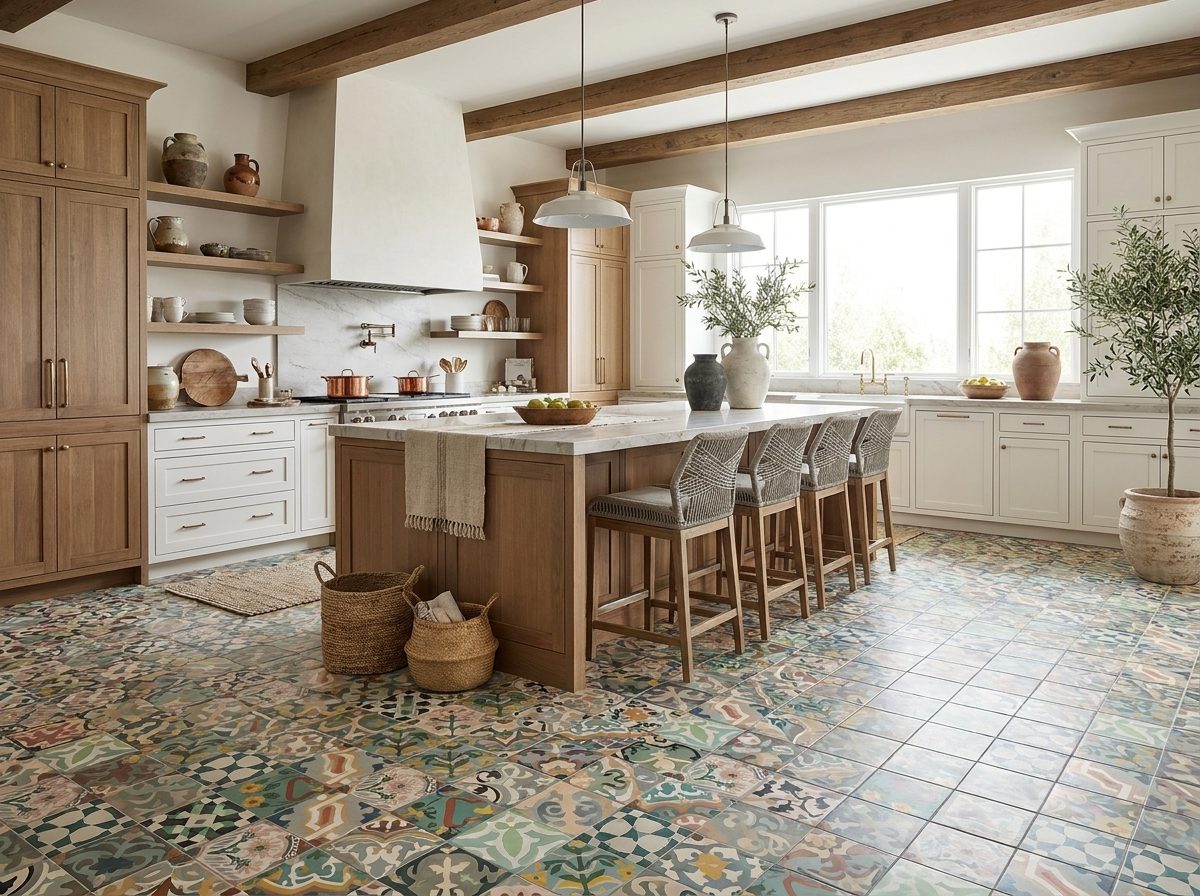
This is also the perfect time to choose your “hero” materials. For example, falling in love with a bold cement tile pattern early on can become the anchor for the entire room’s color palette and style. Once you’ve landed on that key element, other decisions—like paint colors and fixture finishes—suddenly become much easier.
Getting these details right from the start is critical. Even something as simple as knowing how to measure for tile correctly can save you from major headaches and costly errors down the road.
Defining Your ‘Before’ to Envision Your ‘After’
The most dramatic transformations I’ve ever seen didn’t start with a sledgehammer. They started with a notepad and a brutally honest look at the existing space. To get that jaw-dropping “after,” you have to truly understand the story of your “before.”
This means getting past that general feeling of, “Ugh, I just hate this room,” and digging into the specifics of why it isn’t working.
Walk through the space and make two separate lists. The first is for functional frustrations, the second for aesthetic gripes. This is where vague complaints like “this kitchen is awful” become actionable problems like, “there’s zero prep space next to the stove,” or “these dingy floors make the whole room feel like a cave.”
An honest assessment is the bedrock of a great remodel. Every pain point you list becomes a clear goal for the “after,” making sure the result doesn’t just look pretty—it genuinely makes your life better.
Moving from Problems to Possibilities
Once you’ve got that list of “before” issues, the fun part starts. This is where you get to pivot from problems to possibilities and start building a real design direction that solves every frustration you identified.
-
Create a Mood Board: Think of this as your visual North Star. Use a platform like Pinterest or even a physical corkboard to gather images that capture the feeling you’re after. Don’t just pin anything—focus on color palettes, material textures, and the overall mood.
-
Gather Inspiration with a Purpose: Don’t just save pretty pictures. For every image you pin, ask yourself what specifically you love about it. Is it the bold floor tile? The airy, uncluttered feel? The clever storage solution? Write it down.
-
Select an Anchor Piece: I’ve seen so many projects get stalled because homeowners try to decide everything at once. The trick is to find one “hero” element to anchor the entire design. More often than not, this is the flooring or a significant feature wall.
Anchoring Your Vision with Foundational Materials
For so many successful before and after remodeling projects, the flooring is that critical anchor. It sets the tone for everything that follows. Think about the move from tired, old linoleum to handmade cement tiles in a kitchen. The “before” is almost always defined by peeling, stained surfaces that are a pain to clean and offer zero character.
The “after,” however, is a whole different story. A 2021-2026 study on North American kitchen remodels shows just how big of a difference this single change can make. Kitchens with old linoleum had average annual maintenance costs of $450, and the dated look could even drag a home’s value down by an average of 4.2%.
After swapping it out for 1/2-inch thick cement tiles—like the ones from heritage makers such as Original Mission Tile—the numbers flipped. Maintenance costs dropped by a massive 73% to just $120 a year. Even better, slip resistance shot up by 85%, and resale values saw an average jump of 7.8%. That’s a $23,400 boost on a typical home. You can dig into the research yourself by exploring the full study about market trends on marketresearchfuture.com.
This data proves how a single material choice can tackle multiple “before” problems at once—durability, safety, and style. By choosing a foundational element like a distinct 8×8 patterned tile early on, you create a clear path forward. All of a sudden, picking cabinet colors, hardware finishes, and paint is no longer overwhelming. It becomes a simple exercise in complementing your beautiful new floor, turning that vision on your mood board into a breathtaking reality.
Choosing Materials That Make a Statement
What separates a good remodel from a truly stunning one? Almost always, it comes down to the materials. This is where you define the entire personality of your space and create that memorable “after” moment in your before and after remodeling project. It’s not just about picking a color; it’s about choosing the lead character in your design story.

Think of it this way: a bold, geometric tile on a kitchen floor or a deeply saturated zellige on a bathroom wall can anchor the entire design. Once that hero surface is in place, all your other decisions—from paint to fixtures—suddenly become much clearer.
Finding Your Signature Style with Tile
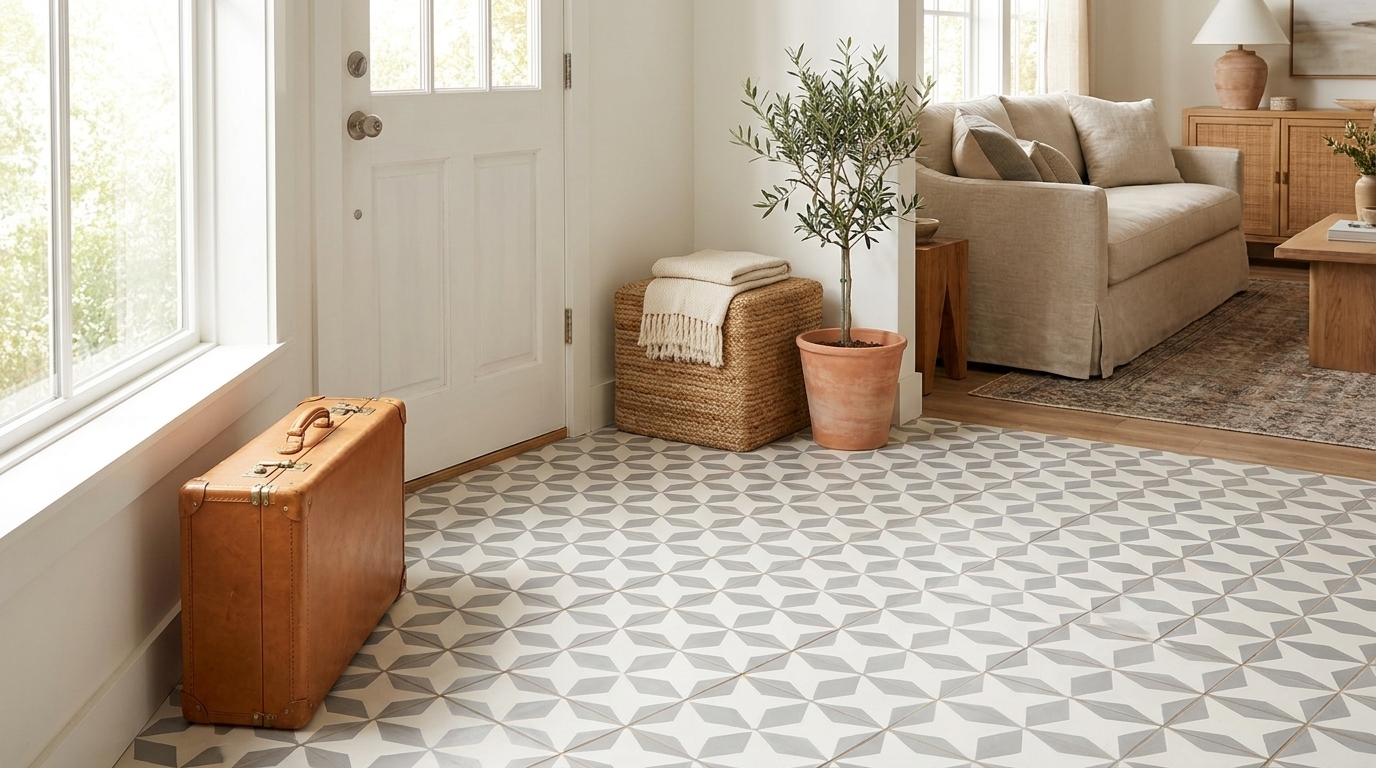
When it comes to making a statement, few materials can match the versatility of tile. The format, pattern, and finish you choose can completely transform the feel of a room. A classic 8×8 cement tile in a repeating pattern, for example, immediately brings a sense of history and rhythm that’s perfect for a Spanish-style entryway.
Contrast that with the clean, expansive look of a large-format porcelain tile, which can make a small bathroom feel much bigger and more modern. The key is to think beyond just covering a surface. How will this material interact with light, with the scale of the room, and with the other elements you’ve chosen?
A statement material should be a deliberate choice that reflects your personal style. Don’t be afraid to go bold with a custom motif or a vibrant color—these are the details that make a remodel uniquely yours.
For anyone looking for both character and serious longevity, handmade cement tiles are a fantastic choice. These tiles aren’t fired or glazed like ceramic. Instead, mineral pigments are hydraulically pressed into the surface, creating a thick, durable color layer that’s inlaid right into the tile. This traditional process gives them a silky, matte finish that develops a beautiful patina over time, adding a warmth and depth that gets better with age. You can learn more about handmade cement tile and see how different patterns work in real-world spaces.
Customizing Your Vision
If you can’t find the perfect pattern, create it. Modern design tools put the power of customization right in your hands, allowing you to experiment with colors and motifs to craft a tile that is genuinely one-of-a-kind.
This level of personalization is what ensures your final space is a true reflection of your original vision. Whether you’re turning a drab kitchen into the vibrant heart of your home or designing a commercial entryway that tells a brand’s story, the right materials are what bring that vision to life. They’re what deliver that jaw-dropping “after” you’ve been dreaming of.
Managing Your Budget and Project Timeline
The most jaw-dropping transformations aren’t just about the ‘after’ photo. Behind every stunning remodel are two things you can’t see: a rock-solid budget and a realistic timeline. Get these right, and the entire process feels smooth. Get them wrong, and even the most beautiful design can turn into a source of stress.
Let’s break down how to manage both like a seasoned pro.

The first step is moving beyond a “ballpark” number. You need a line-item budget that accounts for everything—not just the glamorous finishes like your gorgeous new cement tile, but all the hidden costs that can derail a project.
Getting your numbers straight from the start is the best way to prevent budget blowouts. This guide on How to Estimate Renovation Costs Without Surprises is a fantastic resource for building a financial plan you can trust.
Building Your Realistic Budget
A smart budget is your best defense against surprises. When you’re adding up the costs, don’t forget these often-overlooked expenses:
- Permits and Fees: Depending on where you live and the scope of your project, you’ll likely need building permits. These come with city or county fees that can add up.
- Labor Costs: Your contractor’s quote is a big piece of the puzzle, but make sure you know exactly what’s included. Does it cover plumbing and electrical, or are those separate? Get it in writing.
- Material Delivery: Shipping heavy items like tile and cabinetry isn’t free. Factor in freight costs, especially for large orders.
- Demolition and Debris Removal: Tearing out the old stuff and hauling it away costs money. Make sure this is included in a quote or budgeted separately.
Here’s the most important line item you can add: a contingency fund. Plan to set aside an extra 15-20% of your total estimated cost. This isn’t “just in case” money—it’s when-it-happens money for the inevitable hiccups, like finding unexpected rot behind a wall or needing to upgrade old wiring.
Mapping Your Project Timeline
With your budget locked in, it’s time to map out the schedule. A common mistake is thinking about the timeline from start to finish. Instead, work backward from your ideal completion date.
This is especially critical when using handmade materials. Custom cement tile orders, for instance, can have lead times of several weeks or even a few months. You need to order them long before your installer is ready.
Here’s what a typical remodel sequence looks like:
- Finalize Design and Material Selections: 2-4 weeks
- Order Materials (especially long-lead items): Place these orders immediately after finalizing the design.
- Permitting and Contractor Scheduling: 1-3 weeks
- Demolition: 1-3 days
- Rough-in (Plumbing, Electrical, HVAC): 2-5 days
- Installation and Finishing (Drywall, Tile, Paint, Cabinets): 1-4 weeks
Proactive scheduling is all about making sure the right materials are on-site at the right time. This prevents your crew from standing around waiting, which saves you from costly delays and keeps your before and after remodeling project moving forward smoothly.
Executing the Work and Capturing the Transformation
With your vision defined and plans in hand, it’s time to bring your remodel to life. This is the moment where blueprints become reality, and careful coordination is your most valuable tool. The success of your before and after remodeling project really hinges on two things: clear communication and a deep respect for the craftspeople turning your ideas into a finished space.
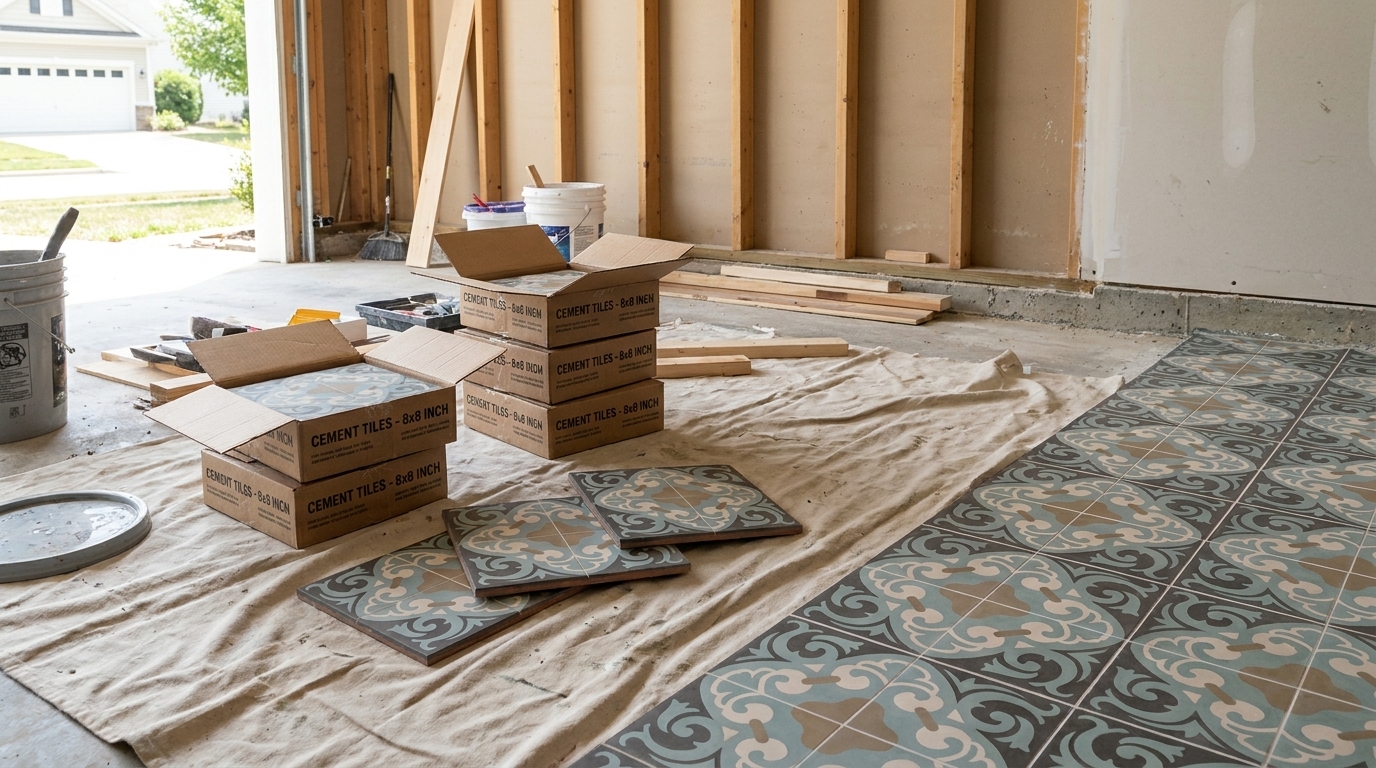
When you’re working with artisanal materials like our handmade cement tiles, professional installation isn’t just a suggestion—it’s a must. These tiles have their own set of rules for cutting, setting, and sealing that are very different from standard ceramic. Make sure your installer has legitimate experience with cement tiles; it’s the only way to guarantee a flawless result that does justice to the material’s unique character.
Coordinating Your Trades and Installation
Think of yourself as the conductor of an orchestra. Your plumber, electrician, and tile setter are all top-notch musicians, but they absolutely must perform in the right sequence. A clear, shared schedule is the single best way to prevent costly downtime and keep the project moving forward.
- Daily Check-ins: A quick morning text or a 5-minute call gets everyone aligned for the day. It’s the easiest way to catch small issues before they snowball.
- Material Readiness: Make sure every single material—from grout and thin-set to light fixtures—is on-site before the trade needs it. Nothing kills momentum faster than a hunt for a missing part.
- Protect the Work: Once that beautiful tile floor is down, it becomes a precious surface. Protect it immediately. Cover it with Ram Board or another heavy-duty protector to stop scratches and stains while other trades finish up.
The most stunning “afters” are built on a foundation of respect for the craft. Giving your installers the time and space to do their job correctly is a direct investment in the final outcome.
Photographing Your Before and After Remodeling Journey
Documenting your project is about so much more than just a final glamour shot. It’s about telling a compelling story of change. And honestly, capturing great “before” photos is every bit as important as the “after.”
For the ‘Before’ Shots:
Get in there and take photos from every angle. Focus on the problem areas you’re trying to solve. Don’t tidy up or stage a thing—you want to remember that awkward layout, those dated finishes, and the bad lighting. That authentic “before” is what makes the final reveal so incredibly powerful.
For the ‘After’ Shots:
Once the dust has settled and the tools are gone, it’s time to style your new space for its debut.
- Lighting is Everything: Always try to shoot during the day with plenty of natural light. Turn off those overhead artificial lights; they almost always cast a yellow, unflattering hue.
- Style with Intention: Bring the space to life with personal touches. A few fresh flowers, a bowl of fruit on the counter, or a stack of neatly folded towels can make all the difference.
- Match Your Angles: Go back to your “before” photos and try to replicate the exact same angles. This creates a direct, side-by-side comparison that truly showcases the incredible change you’ve achieved.
Caring for Your New Space for Lasting Beauty

You’ve done it. You’ve survived the dust and decisions, and your incredible “after” is finally a reality. Now, the goal is simple: keep it looking just as good for years to come.
Think of it less as cleaning and more as protecting your investment. Proper care ensures that beautiful materials, like your new handmade cement tiles, develop a rich patina over time instead of just wearing out. Cement tile isn’t like ceramic—its porous nature and inlaid color require a specific, but simple, routine.
Your Daily and Weekly Tile Care Plan
For day-to-day upkeep, a quick sweep or vacuum is usually all you need to handle dust and crumbs. When it’s time for a proper wash, the most important thing to remember is to avoid harsh, acidic, or abrasive chemicals. These will strip your sealer and can permanently etch the tile’s surface, leaving it dull and blotchy.
Instead, just follow these simple rules:
- Use a pH-neutral cleaner. This is non-negotiable. A gentle, pH-balanced soap mixed with warm water is the only thing you should be using for mopping.
- Wipe up spills right away. Because cement tile is porous, liquids like red wine, oil, or even coffee can seep in and cause stains if left to sit.
- Re-seal high-traffic areas as needed. You’ll likely need to reapply a coat of sealer every couple of years in busy spots like entryways or kitchens to maintain that protective layer.
The Long-Term Payoff of Smart Maintenance
Choosing and maintaining durable materials isn’t just about looks; it’s a smart financial move. Just look at the hospitality industry, where longevity is everything. One boutique hotel that remodeled in 2024 using custom cement tiles found that proper care extended the floor’s life to over 30 years, slashing their long-term replacement costs by an estimated 80%.
Better yet, their weekly cleaning time dropped from 15 hours to just 4, thanks to the tile’s sealed, grime-repelling finish. It’s no wonder the cement tile market is projected to grow into a $2.48 billion industry by 2035, according to a report from makdatainsights.com.
By sticking to a simple maintenance plan, you ensure your ‘after’ photo isn’t just a moment in time—it’s the new standard for decades. It’s the ultimate proof of quality craftsmanship.
For a complete walkthrough with product recommendations, check out our guide on cleaning and maintaining your cement tiles. It has all the details you need to keep your new surfaces looking their absolute best.
Frequently Asked Questions About Remodeling
Even the most buttoned-up remodel plan comes with questions. That’s a good thing. Getting smart answers early builds confidence and keeps your project on track from a tired “before” to that jaw-dropping “after.” Here are a few common questions we hear all the time.
Where Do I Even Start with a Before-and-After Remodel?
Before you dream about finishes, you have to get real about function. The very first step is to take a hard, honest look at what’s not working in your current space.
What drives you crazy every day? Is it the lack of counter space, the awkward traffic flow, or that one dated light fixture? Jot it all down. This list of frustrations becomes your roadmap, ensuring the “after” isn’t just prettier—it actually solves real problems.
How Much Should I Really Budget for a Contingency Fund?
Plan for the unexpected, because in remodeling, it’s almost guaranteed. We always advise setting aside 15-20% of your total project cost for a contingency fund.
This isn’t just padding. It’s the fund that will cover things like hidden water damage behind a wall, old wiring that needs updating, or a surprise material delay. Having it ready prevents a small issue from wrecking your entire budget and schedule.
Can I Actually Use Bold Tile Patterns in a Small Room?
Absolutely! This is one of the biggest myths in design. Far from overwhelming a small space, a dynamic, patterned floor can make it feel bigger and far more interesting.
Think about it: in a tight powder room or a compact entryway, a graphic cement tile floor becomes the star. It adds a huge dose of personality and creates a strong focal point without taking up an inch of precious square footage.
Is Professional Installation for Specialty Tile Really Worth It?
For an artisanal product like handmade cement tile, professional installation isn’t a splurge—it’s a necessity to protect your investment. A seasoned installer who knows specialty materials is worth their weight in gold.
They understand the specific nuances of handling, cutting, and sealing these tiles to get it right the first time. The right pro guarantees the durability and flawless finish your before and after remodeling project deserves, saving you from costly mistakes down the road.
Ready to find the perfect tile to anchor your own transformation? The artisans at Original Mission Tile have been crafting handmade cement tiles since 1900. Explore our in-stock collections or create a one-of-a-kind design at https://originalmissiontile.com.