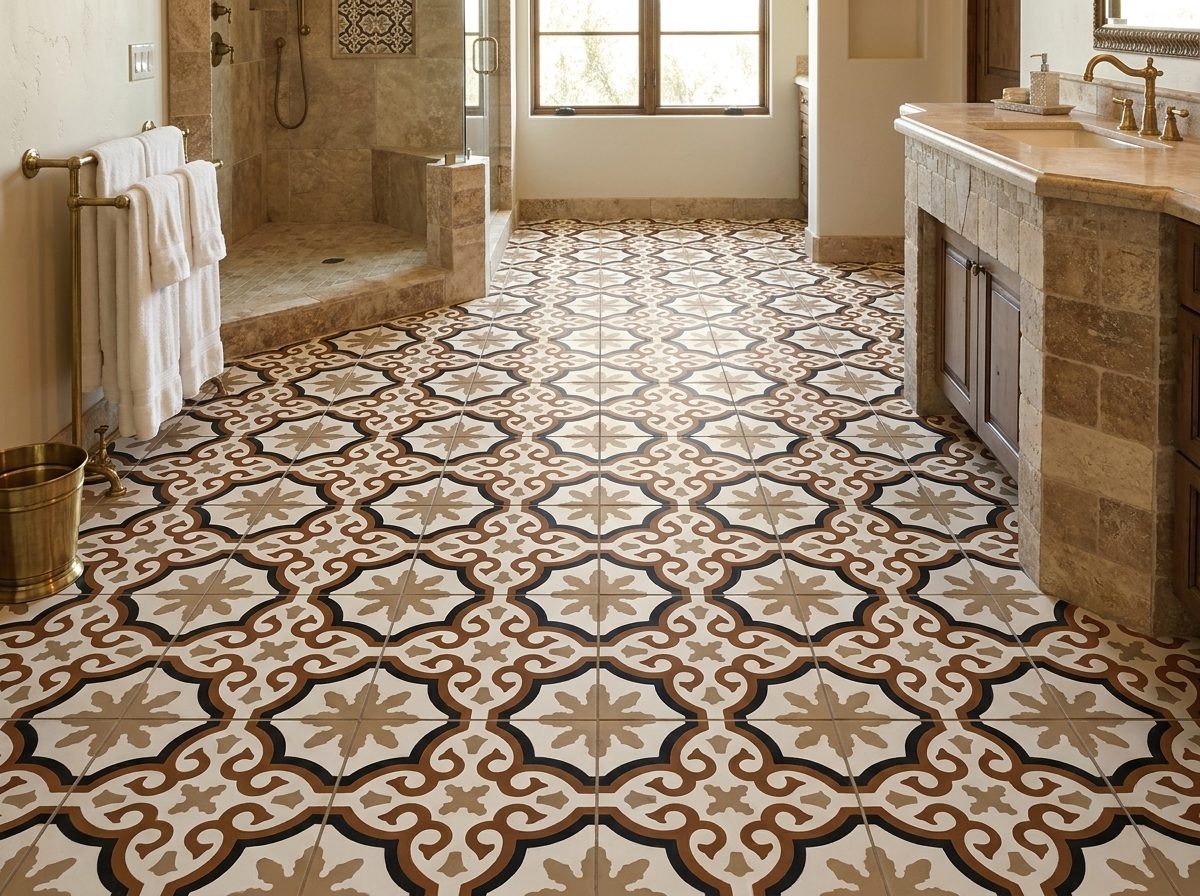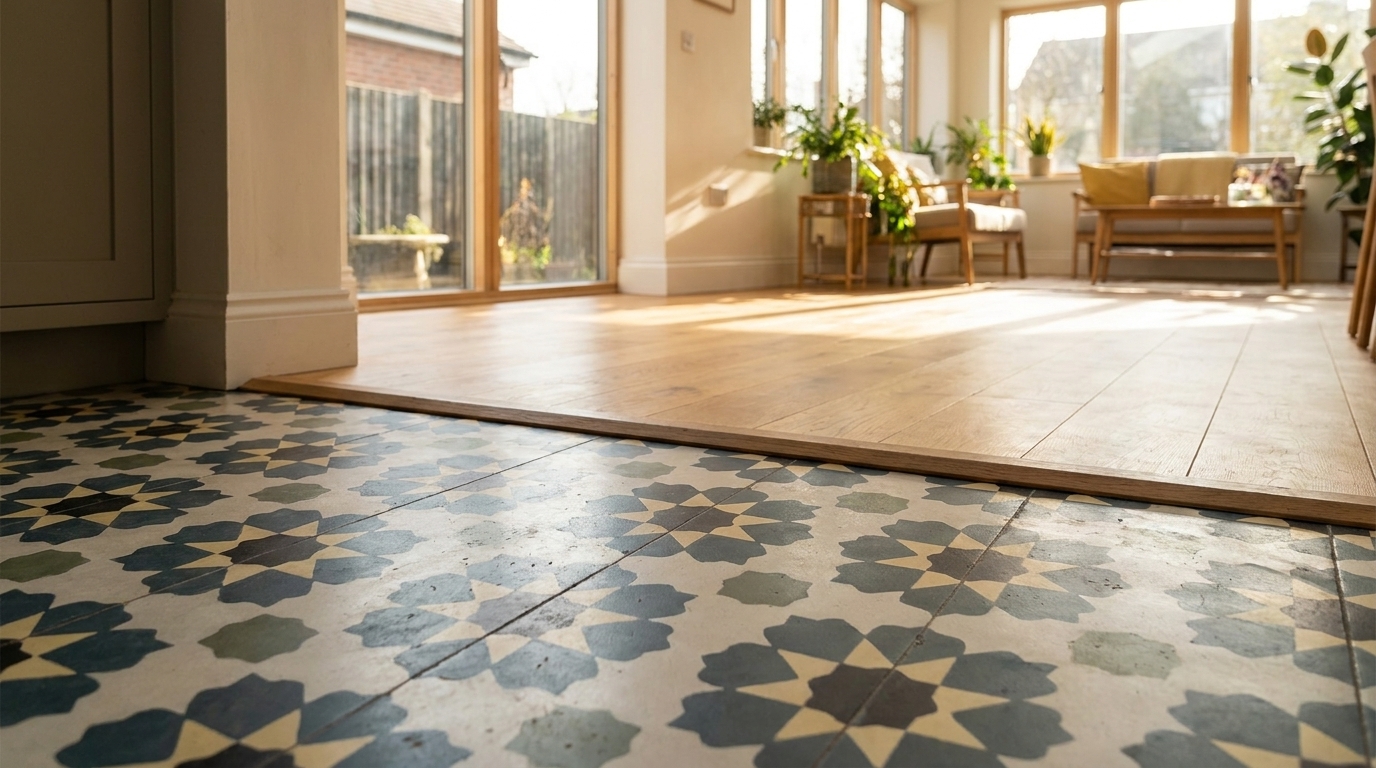
Your handmade cement tiles are already doing the hardest job in the room, they carry the design, the traffic, and the story. The problem is that everyday dust, the wrong mop, or one sloppy spill can take the edge off that finish long before the tiles should show age. If you're responsible for a kitchen floor, a lobby entry, a bathroom wall, or a patterned restaurant installation, the right tile cleaning tips are less about sparkle and more about protecting pigment, grout, and the matte surface that makes cement tile feel special.
The good news is that cement tile care doesn't have to be complicated. It just has to be consistent, gentle, and matched to the surface. A few habits, dry removal before wet cleaning, the right cleaner, prompt stain response, and sensible sealing, can keep artisan tile looking intentional instead of tired. Original Mission Tile's handmade pieces are built for real spaces, but they still need a routine that respects the material, especially because cement tiles are porous and more sensitive than glazed ceramic.

1. Use pH-Neutral Cleaners for Cement Tile Preservation
The safest starting point for handmade cement tile is a pH-neutral cleaner. That matters because cement tile is not glazed like standard ceramic, so the surface and pigment layer are more vulnerable to chemistry that's too aggressive. Original Mission Tile's tile care guidance points readers toward a pH-neutral cleaner and a three parts water to one part cleaning product dilution for porcelain, which reflects the broader rule for delicate tile care, choose a mild solution first and avoid residue-heavy habits that shorten the life of the finish. You can also keep a dedicated product list handy through Original Mission Tile's tile cleaning products page.
A practical routine is simple. Test the cleaner on a small, out-of-sight area first, use distilled water if you want to reduce mineral spotting, and work in small sections so moisture doesn't linger on the tile face. A soft microfiber mop or cloth is the right tool for this job, especially on matte finishes and brass-accented tiles, where harder tools can scratch or leave marks.
What that looks like in real spaces
In a residential kitchen, a light daily wipe with a mild cleaner can prevent food film from becoming a bigger job later. In a restaurant entry, the same logic applies, but the cleaner has to be part of a repeatable housekeeping process so grime doesn't migrate into grout lines.
Practical rule: if the cleaner smells strong enough to feel like a “deep clean,” it's probably too aggressive for regular cement tile care.
The point isn't to over-clean. It's to clean often enough, and gently enough, that the tile never needs rescuing.
2. Dry Buffing, Regular Dust Control, and Correct Tools
Dry removal provides greater benefits for cement tile than commonly understood. Sand, grit, and fine debris act like sanding compound when they're dragged under a mop, and that's how a silky matte surface starts to look tired. The cleanest tile floors usually start with the dullest step, a dry pass that picks up the abrasive stuff before water touches the surface.
For homes, a weekly dry cleaning routine is a strong baseline. In commercial kitchens or hospitality spaces, it needs to happen daily because foot traffic keeps feeding more grit into the room. Use 100% microfiber, not blends that shed lint, and keep those tools dedicated to tile only so dirt from other jobs doesn't come along for the ride.
Tools that help, and tools that don't
- Use a microfiber dust mop: It lifts dust without grinding it into the finish.
- Keep soft-bristle brushes separate: Designate one set for tile so they don't get cross-used on rough surfaces.
- Avoid worn tools: Once bristles harden or cloths fray, they start scratching instead of cleaning.
- Skip pressure washers entirely: Cement tile doesn't need that kind of force, even in outdoor or utility settings.
For patterned floors, a gentle circular buff can help the design read more evenly. For textured formats, a soft brush that reaches grooves is better than anything abrasive. In a hotel hallway, that might mean a housekeeping crew uses the same microfiber system every morning. In a residential mudroom, it may just mean a quick dry pass before shoes start tracking the day inside.
The tool choice matters as much as the schedule. A good routine protects the surface before the mop ever comes out.
3. Avoid Harsh Chemicals and Acidic Cleaners
A lot of tile damage starts with the wrong bottle under the sink. Acidic products, bleach-heavy mixes, and harsh chemical cleaners can attack cement tile surfaces, dull matte finishes, and interfere with the mineral character that gives handmade tile its look. That risk is especially serious with artisanal tiles, because the materials are meant to be seen, not sealed away under a thick glaze.
The safest policy is also the simplest. Keep a do not use list for staff, installers, and homeowners, and make sure it travels with the project documentation. If a restaurant switches housekeeping teams or a commercial property manager changes vendors, that list should still be on-site. It's a small step that prevents a lot of expensive regret.
The chemistry mistake people make most often
Some mainstream cleaning advice still leans on vinegar-based mixes because they seem natural and cheap. That advice is inconsistent across sources, and it's exactly why cement tile needs a more careful standard. For a handmade surface, the best baseline remains water plus a pH-neutral cleaner, not improvised chemistry.
A tile that looks “cleaner” after a harsh product can still be damaged underneath.
That matters in projects with hand-pressed patterns, custom colorways, or brass accents. Acid can etch, bleach can discolor, and repeated misuse can create patchy areas that no routine mopping will fix. If a contractor or cleaning crew causes visible damage, photos taken right away can help support a warranty conversation later.
For a reliable outside comparison on how surfaces can react to harsher care, see South Mountain's stucco cleaning recommendations. The same basic lesson applies here, powerful chemistry and porous finishes rarely make a good pair.
4. Manage Moisture and Prevent Water Damage
Handmade cement tiles can handle everyday life, but they don't love standing water. Because they're porous, spills and humidity can work their way into the surface if you leave them sitting too long. That's why moisture management is a cleaning tip, not just a building-maintenance issue.
Bathrooms and kitchens need the most discipline. Exhaust fans should run during use and for a while afterward, and surfaces should be dried quickly after splashes. Bath mats, rugs, and good drainage are not decorative extras in these rooms, they're part of the care system. If you're maintaining a commercial kitchen or a busy splash-prone area, the same rule applies, but the response has to be faster and more repetitive.
Small habits that prevent bigger problems
- Wipe spills immediately: Don't let water or food liquids sit and spread.
- Use ventilation well: Moving air helps reduce moisture buildup in humid rooms.
- Place absorbent mats where splash happens: Sink fronts, shower thresholds, and entry points all benefit.
- Check grout and transitions regularly: Water often shows up there first.
The goal is not to keep tile bone-dry at all times. That's unrealistic. The goal is to avoid letting moisture settle long enough to stain, soften grout, or create maintenance debt. If you're working on an outdoor installation, drainage matters just as much as cleaning products. Water should move away from the tile, not linger around it.
For broader planning around water exposure, this water protection guide is a useful reminder that surface care and water control are connected. On cement tile, that connection is direct.
5. Implement Appropriate Sealing Based on Application
Sealing gives cement tile a layer of practical protection, but it shouldn't be treated as one-size-fits-all. The right sealer depends on where the tile sits, how often it gets used, and how much of the original matte look you want to preserve. For some walls and decorative surfaces, a penetrating sealer makes sense. For higher-wear floors, the product choice may be different.
Original Mission Tile recommends checking its guidance before sealing, and that's smart because sealing affects both appearance and maintenance. The sealer should help resist staining without trapping moisture or creating a look you didn't plan for. You can review Original Mission Tile's sealing guidance for outdoor tiles if you're working on a space exposed to weather or splash.
Timing matters as much as product choice
A new installation shouldn't be sealed too early. The tile and grout need time to cure first, and sample testing is essential before committing to a full area. That's true in a bathroom backsplash just as much as it is in a restaurant floor or lobby entrance.
Document the sealer, the date, and the exact area covered. Later, that record helps when cleaning changes, refinishing is needed, or a contractor has to troubleshoot a stain.
For brass-accented tiles, check that the sealer won't trap moisture around the metal detail. For commercial kitchens, train cleaning staff on how the sealer changes the surface response, because a sealed floor can clean differently than an unsealed one. Reapplying on schedule matters too, since waiting for visible wear often means the tile has already started absorbing more than it should.
The best sealing plan is the one matched to the space, not the one chosen out of habit.
6. Establish Routine Maintenance Schedules by Space Type
A tile floor that looks fine in a quiet hallway can fail quickly in a busy lobby. Handmade cement tiles from Original Mission Tile hold up well, but the maintenance rhythm has to match the space they serve. Foot traffic, moisture, food residue, tracked-in grit, and cleaning frequency all change how the surface should be cared for.
In a home, a simple routine usually works best. Dry dust or sweep each day, wash the floor weekly with a gentle cleaner, and inspect trouble spots monthly so small issues do not sit unnoticed. In a restaurant, cleaning after service is only the starting point, because spills, grease, and constant traffic create a heavier load on the tile. In a hotel lobby or other public entry, the floor often needs light attention more than once a day because the surface never gets much downtime.
Match the schedule to the space
- Homes: Give priority to entryways, kitchens, mudrooms, and baths, where grit and moisture build up first.
- Restaurants: Fold tile cleaning into closing procedures so residue, grease, and sticky spots do not remain overnight.
- Hotels: Assign responsibility by shift so no one assumes the next crew handled the floor.
- Showrooms: Keep the surface presentable and consistent with the design intent, especially near entrances and display paths.
Training matters as much as the written plan. A new employee may follow the schedule and still use the wrong mop head, too much solution, or a bucket that leaves excess water behind. For teams maintaining several surfaces, post the tile routine where it is easy to see and assign one person to confirm it gets done correctly.
The method should also change with the exterior condition of the space. If you are balancing walkways, patios, or entry surfaces alongside indoor floors, why schedule regular exterior cleaning explains the practical value of keeping outdoor maintenance on a fixed rhythm. For tile-specific care inside the building, Original Mission Tile's cleaning cement tiles guidance is a useful reference before you set the routine in stone.
7. Handle Stains Promptly with Targeted Responses
Stains are easier to control in the first few minutes than after they've had time to settle. Cement tile can absorb liquid quickly, so the response has to be immediate and targeted. A wine spill, a grease splash, and an organic stain do not need the same treatment, and trying to solve them all with one product usually makes the problem worse.
For beverage spills, blot first, then use a pH-neutral cleaner and clean water. For grease, a very small amount of mild dish soap can help, followed by a thorough rinse. For organic stains, gentle brushing and better ventilation matter as much as the cleaner itself.
Keep a spill kit close to the tile
- Soft cloths or white paper towels: These help you see whether residue is still coming up.
- Distilled water: Useful when you want to avoid adding minerals to the surface.
- pH-neutral cleaner: The safest first response for most common spills.
- Soft brush and a small container: Helpful for targeted treatment instead of flooding the area.
For stubborn spots, a baking-soda paste can be used as a poultice, then left to dry fully before removal. The key is restraint. Scrubbing harder rarely solves a stain that has already soaked in, and aggressive chemistry can turn a stain into a surface problem.
The overall market trend also reinforces that this kind of upkeep is not niche. The global tile cleaner market was valued at approximately USD 2.8 billion in 2023 and is projected to reach about USD 4.2 billion by 2032, which suggests sustained demand for specialized maintenance products rather than generic one-bottle solutions DataIntelo's tile cleaner market report. For tile owners, that confirms what the floor already knows, stain care is recurring work.

The cleaner you use after a spill should solve the stain without leaving a new one behind.
8. Know When to Call Professional Restoration
Some problems move past DIY territory fast. Deep stains, widespread efflorescence, chemical damage, grout failure, or moisture-related issues can all require professional restoration. That's especially true on handmade cement tile, where the wrong correction can affect the original pattern, finish, or color continuity.
A restoration specialist should understand cement tile, not just tile in general. Ask about their experience with handmade materials, request photos of comparable work, and make sure they can explain their process clearly. If the area is commercial, schedule work during off-hours so the space doesn't have to shut down longer than necessary.
Signs the job has outgrown routine care
- A stain keeps returning: That usually means the problem is deeper than the surface.
- The tile looks etched or washed out: Aggressive cleaning may have damaged the face.
- Grout is failing or crumbling: Water and cleaning residue may have compromised the joint.
- Mold or water damage keeps recurring: Ventilation or drainage may need correction, not just scrubbing.
Before work begins, take photos and keep notes on when the problem started. After restoration, ask for care instructions specific to the repaired area so the same issue doesn't come back. If you need help finding the right kind of specialist, Original Mission Tile can point you toward restoration professionals familiar with handmade cement surfaces.
In some cases, professional help is not a last resort. It's the cheapest way to preserve the tile you already own.
8-Point Tile Cleaning Comparison
| Item | 🔄 Implementation Complexity | ⚡ Resource Requirements | ⭐ Expected Outcomes | 📊 Ideal Use Cases | 💡 Key Advantages & Quick Tip |
|---|---|---|---|---|---|
| Use pH-Neutral Cleaners for Cement Tile Preservation | Low–Medium, straightforward application but requires correct product selection | Low, pH-neutral cleaner, distilled water, soft mop/microfiber | High ⭐⭐⭐, preserves pigments, prevents matte haze | Routine cleaning of patterned and brass-accented handmade tiles | Preserves color and surface; Tip: test in an inconspicuous area and mix with distilled water |
| Dry Buffing, Regular Dust Control, and Correct Tools | Low, simple routine but needs consistent technique | Low, 100% microfiber cloths, soft-bristle brushes, soft mops | High ⭐⭐⭐, prevents scratches and reduces wet cleaning frequency | Daily/weekly maintenance in entryways, showrooms, high-traffic zones | Preventative and cost‑effective; Tip: use only designated 100% microfiber tools |
| Avoid Harsh Chemicals and Acidic Cleaners | Low, knowledge/discipline required more than labor | Very low, training materials, do‑not‑use lists, signage | High ⭐⭐⭐, prevents irreversible chemical damage and pigment loss | All installations, critical for historic/custom cement tiles | Protects investment and warranty; Tip: distribute a clear "do not use" chemical list to staff |
| Manage Moisture and Prevent Water Damage | Medium, requires system changes and ongoing vigilance | Medium, ventilation, dehumidifiers, sealing, prompt cleanup supplies | High ⭐⭐⭐, reduces efflorescence, mold, and structural issues | Bathrooms, kitchens, outdoor covered areas, pool decks | Prevents costly restoration; Tip: install exhaust fans and wipe spills immediately |
| Implement Appropriate Sealing Based on Application | Medium–High, correct sealer choice and application matter | Medium–High, penetrating/hybrid/film sealers, possible professional application | High ⭐⭐⭐, significantly reduces staining and water absorption (may alter appearance) | High-traffic floors, wet areas, outdoor installations | Strong protection when matched to use; Tip: test sealers on samples and document product/date |
| Establish Routine Maintenance Schedules by Space Type | Low, planning and discipline required | Low, time, checklists, staff training, facility reminders | High ⭐⭐⭐, prevents deep buildup and extends tile lifespan | Commercial facilities, hospitality, residential high-traffic zones | Predictable upkeep and accountability; Tip: post schedules and assign responsibility |
| Handle Stains Promptly with Targeted Responses | Medium, requires stain identification and correct methods | Low, pH-neutral cleaner, soft cloths, poultice materials (baking soda), soft brushes | High ⭐⭐⭐, prevents permanent discoloration if acted on quickly | Dining areas, kitchens, bar spaces, accidental spills | Early action avoids restoration; Tip: blot immediately and keep a stain kit accessible |
| Know When to Call Professional Restoration | High, assessment and specialist coordination needed | High, professional fees, possible tile removal, specialized equipment | Variable ⭐⭐–⭐⭐⭐, can restore severe damage but not always fully reversible | Deep chemical damage, structural cracks, persistent efflorescence, large-scale staining | Avoids worsening damage and preserves value; Tip: document damage, get referrals and written estimates |
Keeping Your Handmade Tiles Pristine
The most reliable tile cleaning tips are also the least dramatic. Dry remove grit before you mop. Use pH-neutral cleaners. Avoid harsh chemistry. Control moisture. Seal with intention. Handle stains quickly. Call a professional before damage turns into a project.
That routine is what keeps handmade cement tile looking like a design choice instead of a maintenance burden. It works in homes, restaurants, hotels, showrooms, and any place where people walk, spill, and clean on repeat. It also respects what makes these tiles different in the first place, the porous surface, the inlaid color, the matte finish, and the craft behind each piece.
If you manage a commercial space, build these habits into staff training and vendor instructions. If you're maintaining a home, keep the tools visible and the routine simple enough that everyone can follow it. If you're specifying tile for a new project, note the care plan early so the finish you choose matches the upkeep you're prepared to do.
Original Mission Tile's handmade cement products are built for real use, but they still perform best when the cleaning plan is specific to the material. Use the right products, write the schedule down, and treat cleaning as part of the design system, not an afterthought.
A CTA for Original Mission Tile.