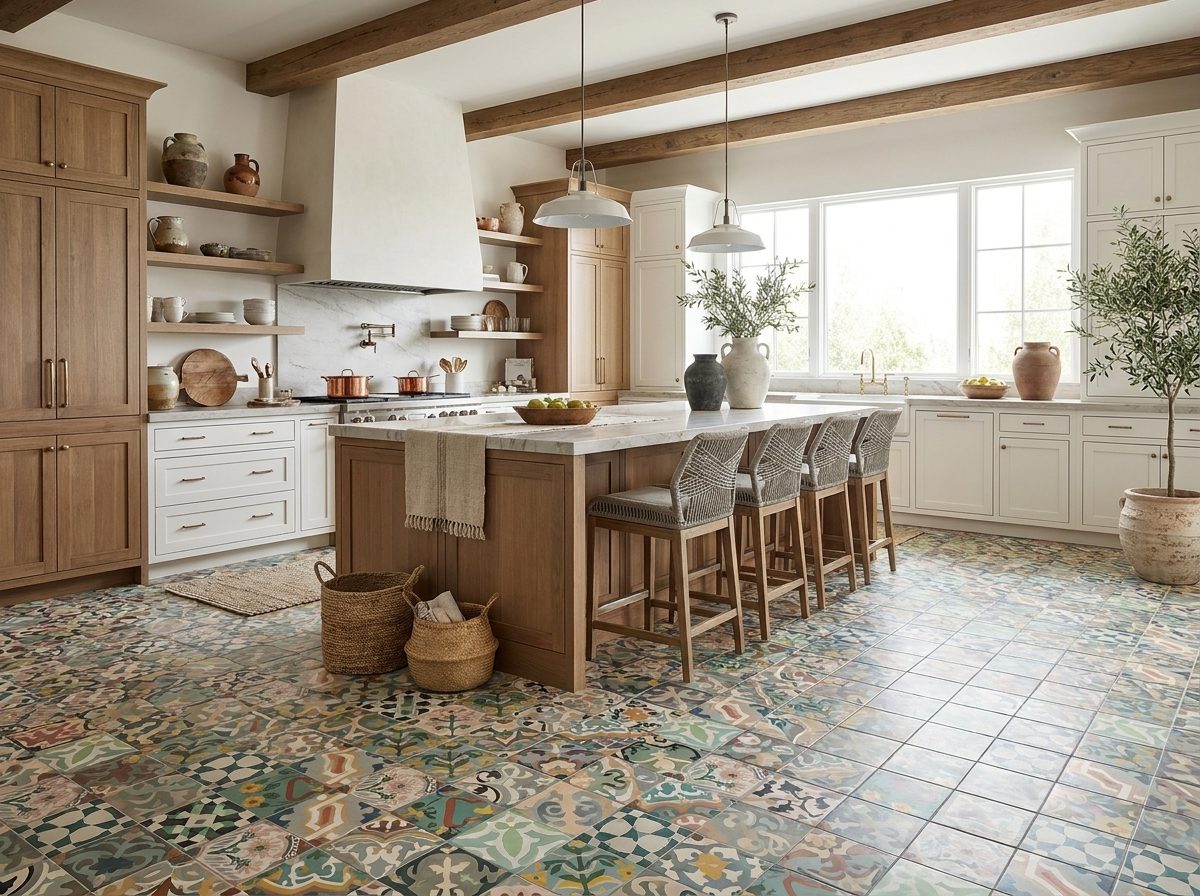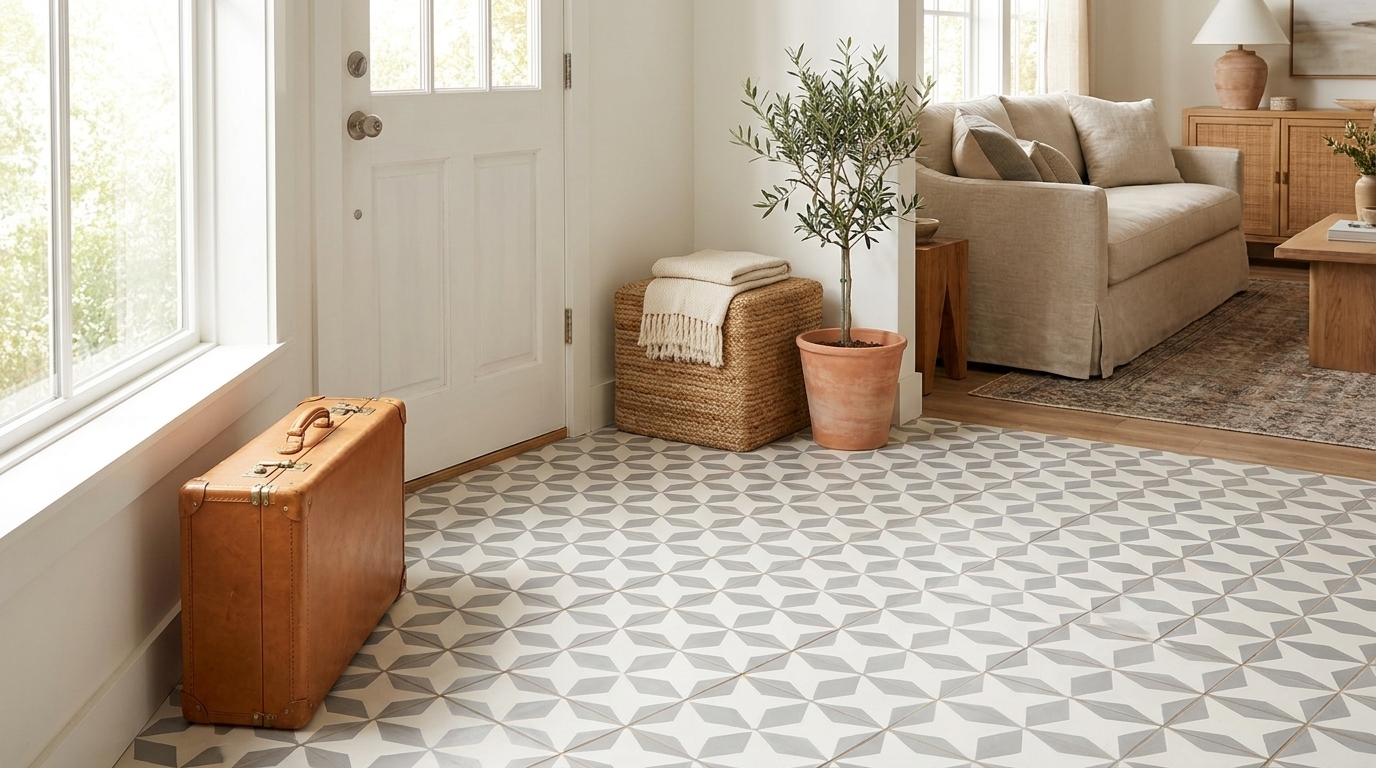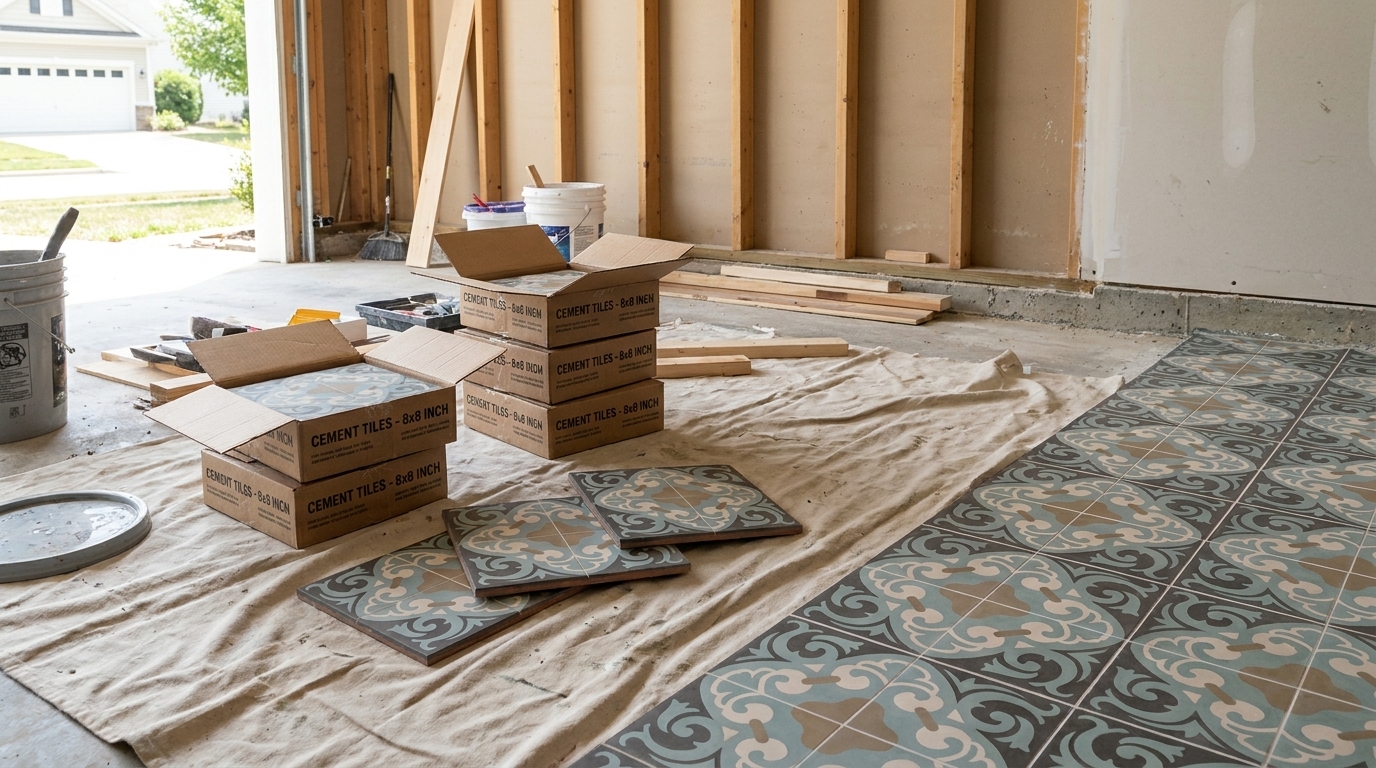
A bathroom accent tile is more than just a decorative choice; it’s a strategic design tool. Think of it as the statement jewelry for your bathroom. It isn’t meant to cover every surface, but to draw the eye and define the room’s entire character with a splash of color, texture, or pattern.
Why Bathroom Accent Tile Is Your Secret Design Weapon

In interior design, the smallest details often make the biggest impact. While your main “field tiles” set a neutral canvas for the walls and floors, the accent tile is where the real story begins. It’s the one element that can single-handedly keep a bathroom from feeling sterile, transforming it from a utility room into a truly intentional space.
This single design choice holds the power to completely shift a room’s atmosphere. A thoughtfully placed accent can make a small powder room feel grand, or a large primary bath feel more intimate and cohesive. It’s your best opportunity to express personal style, whether you prefer a subtle hint of texture or a bold, dramatic pattern.
The Art of the Focal Point
A bathroom without a focal point can feel a bit lost. Accent tile provides that much-needed visual anchor, guiding the eye and creating a clear center of interest. This isn’t just about looking good; it’s about creating a sense of order and purpose within the design.
Here’s what a great accent tile really does:
- Breaks Up Monotony: It introduces beautiful contrast against larger areas of uniform tile.
- Adds Personality: This is the perfect spot to inject color and unique patterns that feel like you.
- Creates Visual Interest: It adds depth and texture, making the whole room feel more engaging.
- Highlights Architecture: You can use it to draw attention to a specific feature, like a shower niche or a vanity wall.
While traditional tile is a fantastic route, you can also explore creative ways to use vinyl wraps and tile stickers for a stunning bathroom makeover for a transformation on any budget.
A Nod to Timeless Craftsmanship
The idea of using decorative tiles as accents is nothing new—it’s a concept deeply rooted in history. Imagine a single row of intricate cement accent tiles turning a plain white subway wall into a work of art. That’s the timeless power of handmade gems from heritage makers like Original Mission Tile, which has been perfecting the craft since 1900.
Historically, accent tiles trace back to the early 20th century when Mission-style cement encaustic tiles exploded in popularity across American homes, particularly in bungalows and Craftsman residences from 1900 to 1930. These durable, inlaid designs became synonymous with elegant bathroom accents, elevating everyday spaces with beautiful borders or shower niches.
By understanding the power of a well-chosen bathroom accent tile, you unlock the potential to create a space that is not only functional but truly extraordinary. It’s the key to making your design vision a reality.
Placing Accent Tiles for Maximum Design Impact
Picking a beautiful accent tile is the fun part, but where you put it is what gives it power. Think of it like hanging a great piece of art—you wouldn’t just stick it on any old wall. Strategic placement is what turns a simple tile into a stunning focal point that guides the eye and tells a design story.
The goal is to enhance the room, not shout it down. When you understand how different placements affect the look and feel of your space, you move from just decorating to actively designing. This is your playbook for using accent tile to create a little drama, add some depth, and even play with the perception of space.
Turn Your Shower into a Jewel Box
As the largest visual element in most bathrooms, the shower is the perfect canvas for a splash of creativity. Instead of a bland, uniform look, a few well-placed accent tiles can turn it into a luxurious little retreat.
Here are three popular strategies designers use all the time:
- The Feature Wall: Tiling the entire back wall of the shower with a bold pattern creates an immersive, powerful focal point. This is a knockout in walk-in showers, as it literally draws you into the space.
- The Vertical Band: A classic designer trick for a reason. A vertical stripe of accent tile running from floor to ceiling draws the eye upward, creating an illusion of height that’s invaluable in bathrooms with lower ceilings.
- The Niche Highlight: Framing a shower niche with a vibrant accent tile is like creating a tiny, built-in display case. It instantly elevates a functional spot for shampoo bottles into an intentional, jewel-box moment.
The best accent tile placements always feel purposeful. They should either highlight an existing architectural feature or create a new one, giving the bathroom a clear sense of direction and style.
Create Drama Behind the Vanity
The vanity is another prime spot for making a statement. It’s where you start and end your day, so adding an accent tile backsplash here gives you a daily dose of beauty and personality. It also perfectly frames the mirror and sink, anchoring this crucial functional zone.
For maximum impact, a full floor-to-ceiling feature wall behind the vanity delivers serious drama. It makes the whole area feel grander and more luxurious, acting as a backdrop that elevates simple mirrors and lighting into a cohesive, high-end look. This is a fantastic strategy for powder rooms, where you can afford to be a bit more daring.
Anchor the Room with a Floor Accent
Don’t forget to look down! The floor offers a unique opportunity to introduce pattern and color without overwhelming the walls. Creating a “tile rug” is a sophisticated way to define a space, especially in a larger bathroom.
A tile rug is just what it sounds like: a bordered, patterned section of tile, usually in the center of the room or in front of the vanity. This design trick does a few things at once:
- It anchors the room, giving it a clear center.
- It adds intricate, beautiful detail underfoot.
- It breaks up a large expanse of plain floor tile, preventing it from feeling monotonous.
This approach works beautifully with handmade cement tiles, where intricate patterns can mimic the look of a fine woven rug. To see how patterns can transform a space, explore different wall tile patterns that can inspire both vertical and horizontal applications.
Guidelines for Strategic Placement
While there are no hard-and-fast rules, a few guiding principles can help ensure your accent tile enhances your design rather than complicates it. It all comes down to scale, balance, and the overall story you want your bathroom to tell.
Do:
- Highlight One Main Feature: Choose one area—the shower, the vanity wall, or the floor—to be the star of the show. Too many focal points will just compete with each other and create visual chaos.
- Consider Sightlines: Think about what you see the moment you walk into the room. Place your accent tile where it will have the most impact from that first vantage point.
- Connect to Other Elements: Let the colors in your accent tile inform your paint, towels, or vanity choices. This is the secret to a cohesive, pulled-together look.
Don’t:
- Overdo It: Remember, it’s an accent. The magic is in the contrast. Let it stand out against a simpler, calmer background. A good rule of thumb: The accent should typically cover no more than 10-20% of the total tiled surface.
- Forget the Grout: The grout color can dramatically change the final look. A contrasting grout will make the tile pattern pop, while a color-matched grout creates a more subtle, seamless effect. Choose wisely
Choosing the Right Material and Pattern for Your Tile
Picking the perfect bathroom accent tile is where the fun really begins, but it’s a decision that balances what you love with what will last. The material you land on sets the tone for the room’s texture, durability, and even how light bounces around. Meanwhile, the pattern is what injects that dose of personality. Get this combination right, and you’ll have a design that not only turns heads but also handles the daily reality of a bathroom.
Before diving in, it helps to understand the bigger picture. Getting familiar with the different bathroom tile types gives you a great foundation, letting you see where certain materials shine when it comes to moisture, maintenance, and style. That knowledge is your best tool for finding a tile that truly fits your home and life.
Comparing Popular Accent Tile Materials
Every tile material has its own unique vibe. Glass tiles are famous for their light-reflecting qualities, making them a brilliant choice for small powder rooms where they can create an illusion of brightness and space. Porcelain is the undisputed workhorse of the tile world—it’s incredibly durable and water-resistant, making it a go-to for busy family bathrooms or shower floors.
But if you’re after a truly unique, artisanal feel, nothing beats handmade tile.
- Cement Tiles: With their signature velvety matte finish, cement tiles from makers like Original Mission Tile offer endless custom options. The magic is that the pigment is inlaid deep into the tile, so the pattern never fades. This makes them a remarkably durable and timeless choice for both floors and walls.
- Terracotta Tiles: These earthy, warm tiles bring a cozy, organic feel to a space. Their natural imperfections add a layer of authenticity that you just can’t get with mass-produced tiles.
- Zellige Tiles: Handcrafted in Morocco, Zellige tiles are loved for their beautiful flaws and subtle shifts in color. No two tiles are exactly alike, creating a surface that shimmers with texture and life.
This diagram shows you exactly how to use these beautiful materials for maximum impact.

As you can see, places like a shower niche, a feature wall, or a tile “rug” on the floor are the perfect spots to turn a functional area into a true design statement.
To help you visualize the options side-by-side, we’ve put together a quick comparison of the most popular materials for bathroom accents.
Comparing Bathroom Accent Tile Materials
This table compares popular accent tile materials based on key characteristics to help you choose the best option for your project’s aesthetic, budget, and functional needs.
| Material Type | Key Characteristics | Best For | Original Mission Tile Offering |
|---|---|---|---|
| Cement (Encaustic) | Velvety matte finish, rich color, endless custom patterns, durable | Feature floors, accent walls, shower walls, backsplashes | In-Stock, Custom, and Solid Color collections |
| Zellige | High gloss, watery sheen, handmade color and texture variations | Shower walls, vanity backsplashes for light-reflecting texture | Authentic Moroccan Zellige tiles |
| Terracotta | Warm, earthy tones, rustic texture, natural and organic feel | Floors and walls in rustic, modern farmhouse, or bohemian designs | Handmade terracotta collections |
| Porcelain | Extremely durable, water-resistant, huge range of styles | High-traffic floors, shower floors, any area needing low maintenance | Not offered; we focus on handmade tile |
| Glass | Luminous, reflects light, creates a sense of space | Small bathrooms, shower niches, decorative borders | Not offered; we focus on handmade tile |
Each material has its own story to tell. Your job is to find the one that speaks to your project’s unique needs.
Selecting Your Perfect Pattern
Once you have a material in mind, it’s time to pick a pattern that pulls your whole vision together. A good rule of thumb is to stick to one “hero” pattern for your hard finishes to keep things from getting too busy. If your countertop already has a lot of movement, a simpler, more solid accent tile is the way to go.
On the other hand, if your main surfaces are calm and neutral, that accent tile is your chance to go bold with a captivating pattern.
Classic Motifs:
Patterns like the fleur-de-lis, star and cross, or other classic geometric designs have been around forever for a reason. They bring a sense of history and elegance that works just as well in traditional bathrooms as it does in more transitional spaces.
Modern Shapes:
For a more contemporary look, think about tiles in unique shapes like fish scales, hexagons, or even three-dimensional forms. These modern patterns add texture and a sense of movement to a wall, creating an engaging feature that feels like a piece of art. If you’re looking for more pattern ideas, our guide on the best tile for a kitchen backsplash is packed with inspiration showing how different shapes can completely change a room.
Your chosen pattern should feel like a reflection of your personal style. Whether you’re drawn to the intricate detail of a historic cement tile or the clean lines of a modern geometric, the right pattern will make your bathroom feel like it was designed just for you.
Ultimately, the best bathroom accent tile is one that creates a perfect harmony between beauty and function. By carefully thinking through both the material’s qualities and the pattern’s visual impact, you can choose a tile that isn’t just a stunning focal point but a key part of a cohesive and timeless design. It’s a thoughtful approach that guarantees a result you’ll love for years to come.
Creating a Cohesive Color Palette for Your Bathroom

The right color palette can take a bathroom design from good to truly great. Your bathroom accent tile is the star player, but it needs a strong supporting cast to really shine. Think of it like dressing for a special occasion—the statement piece needs the right accessories to create a look that feels polished and intentional.
This isn’t about following rigid rules; it’s about understanding a few simple principles of color harmony. When you strategically pair your accent tile with your field tiles, vanity, fixtures, and paint, you create a space that feels both dynamic and perfectly put-together. Let’s walk through three proven strategies for building a cohesive color story in your bathroom.
High-Contrast Drama
One of the most powerful ways to use an accent tile is to create a bold, high-contrast look. This approach pairs a vibrant, saturated tile with a neutral field tile—often white or light gray. The contrast makes the accent tile pop, turning it into an undeniable focal point.
Picture a shower niche lined with a deep navy blue cement tile, surrounded by crisp white subway tiles. That sharp difference in color immediately draws the eye, making the niche a deliberate and dramatic feature. This strategy works exceptionally well in modern, minimalist, or art deco designs where clean lines and strong visual statements are key.
- Best For: Creating a powerful focal point and adding a touch of modern sophistication.
- Example: A vibrant, multi-colored patterned cement tile behind a vanity, paired with simple, large-format white tiles on the remaining walls.
- Pro Tip: To keep the look balanced, pull one of the neutral colors from the surrounding area (like the white from the field tile) and use it for your towels or bathmat.
Sophisticated Tonal Harmony
For a more subtle and serene atmosphere, a tonal or monochromatic palette is a timeless choice. This strategy is all about layering different shades, tints, and tones of a single color. It creates a rich, textured look that feels incredibly sophisticated and calming—perfect for a spa-like retreat.
Imagine a bathroom done in various shades of green. You could choose a soft, sage-colored handmade tile for the main walls, then use a deeper forest green fish scale tile for the accent wall in the shower. The shared color family ensures everything feels connected, while the variation in shade and shape adds depth and visual interest without being overwhelming.
A tonal palette is the secret to creating a space that feels layered and luxurious. By sticking to one color family, you allow texture and pattern to take center stage, resulting in a design that is both cohesive and deeply engaging.
Balanced Complementary Colors
If you want a palette that feels energetic yet balanced, look to complementary colors. These are colors that sit opposite each other on the color wheel, like blue and orange or green and red. When used together, they create a lively, dynamic tension that just feels complete.
You don’t have to use them in their brightest forms, either. A muted terracotta floor tile (a shade of orange) can be beautifully balanced by a soft blue patterned accent tile on the vanity wall. The warm and cool tones play off each other, creating a space that feels both grounded and vibrant. This approach is ideal for eclectic, bohemian, or transitional styles where a bit of playful color is welcome.
By thoughtfully selecting a color strategy—whether it’s bold contrast, serene tonal layers, or energetic complements—you ensure your bathroom accent tile works in perfect harmony with the rest of your space. This intentional approach to color is what elevates a simple renovation into a truly masterful design.
Installation and Care for Lasting Beauty
You’ve found the perfect bathroom accent tile to bring your vision to life. So, how do you make sure that investment looks incredible for years to come? Proper installation and a little bit of thoughtful care are the final, crucial steps. They’re what protect the beauty and integrity of your tile, especially for artisanal materials like handmade cement tiles.
Knowing the essentials helps you have clear, confident conversations with your installer. It’s the best way to ensure the job gets done right the first time, preventing future headaches and locking in that stunning look you fell in love with.
The Non-Negotiables of Proper Installation
A flawless tile installation is like a great painting—the final result is only as good as the canvas underneath. Rushing the prep work is a recipe for failure down the line. A successful, long-lasting installation really comes down to a few critical stages.
Here are the core steps your professional installer should follow:
- Immaculate Surface Preparation: The wall or floor has to be perfectly clean, level, and totally free of debris or moisture. Any little imperfection here can telegraph through, leading to cracked tiles or poor adhesion later on.
- Using the Right Adhesive: Not all thin-set mortars are the same. Your installer should choose a high-quality adhesive made specifically for your tile material and where it’s going (for example, a waterproof formula is a must for showers).
- Correct Tile Setting: Each tile should be set firmly into the adhesive with even pressure. This ensures full contact and prevents hollow spots. Using tile spacers is also key for beautifully consistent grout lines.
Proper sealing is arguably the most important step for porous materials like handmade cement tile. It creates an invisible shield, protecting the tile’s rich color and matte finish from water, stains, and everyday wear and tear.
Before any of that begins, getting your measurements right is vital. To avoid costly mistakes or running short on material, check out our guide on how to measure for tile and make sure you have exactly what you need.
Protecting Your Investment with Proper Sealing
For porous, handmade tiles like cement, sealing isn’t just a good idea—it’s absolutely essential. Unlike glazed ceramic, unsealed cement tile can absorb moisture and even pigments from grout, which can cause stains that are almost impossible to get out.
The sealing process should happen at two key moments.
First, a high-quality penetrating sealer needs to be applied before grouting. This initial coat stops the grout’s color from bleeding into the porous tile. Then, after the grout has fully cured, a final top coat of sealer is applied over both the tile and the grout lines. This creates a complete barrier against moisture and dirt and is the secret to a beautiful, long-lasting finish.
Long-Term Care and Maintenance Tips
Once your beautiful accent tile is installed and sealed, keeping it looking pristine is surprisingly simple. The main thing to remember is that harsh, acidic, or abrasive cleaners are the enemy—they can strip the sealer and etch the surface of handmade tiles, causing damage that can’t be undone.
Just follow these simple rules for everyday care:
- Use pH-Neutral Cleaners: Always grab gentle, pH-neutral cleaning products. Look for ones specifically made for natural stone or cement tile.
- Avoid Harsh Chemicals: Stay away from bleach, ammonia, or anything acid-based (including vinegar). These will eat away at the protective sealer and damage the tile’s surface.
- Clean Spills Promptly: Life happens. Just wipe up spills from soap, cosmetics, or hair dye as soon as you can to prevent them from setting in and staining.
- Re-Seal Periodically: Depending on how much foot traffic and use the area gets, your tile will benefit from being re-sealed every 2-4 years to maintain its protective barrier.
Follow this guidance, and your bathroom accent tile will remain just as breathtaking as the day it was installed.
Bringing Your Custom Tile Vision to Life
You’ve explored the strategies, compared the materials, and pictured the perfect color palette. Now it’s time to move from inspiration to actually making it happen. Choosing a bathroom accent tile is one of the most exciting parts of any remodel—it’s your chance to infuse the space with personality, craft, and a bit of artistry. This is where your vision really starts to take shape.
Never underestimate the power of a single, well-chosen tile. It’s so much more than a decorative detail; it’s a design powerhouse. Bathroom renovations are still a top project for homeowners, and accent tiles are a major force in the U.S. ceramic tile market, which is expected to climb from $5.28 billion in 2026 to $6.76 billion by 2031. With residential projects making up over 70% of that revenue, designers are increasingly layering classic field tiles with custom cement accents to create spaces that truly stand out. You can learn more about the growing demand for decorative tiles in the U.S. market here.
Your Next Steps to a One-of-a-Kind Space
With a heritage rooted in craftsmanship since 1900, Original Mission Tile gives you the tools to make that dream bathroom a reality. And creating a custom look is a lot more accessible than you might think. We believe every homeowner and designer should have the power to create something personal and lasting.
We’ve designed a couple of resources to help you at every stage of your project:
- Explore the Inspiration Gallery: Not sure where to begin? Our gallery is a curated collection of stunning projects. See how other designers and homeowners have used our handmade cement, Zellige, and terracotta tiles to create bathrooms that stop you in your tracks.
- Unleash Your Creativity in the Design Studio: Ready to create something from scratch? Our online Design Studio is your personal workshop. Experiment with patterns, play with color combinations, and design a custom bathroom accent tile that is exclusively yours.
Let Us Help You Build Your Vision
Whether you’re a homeowner tackling your first remodel or a seasoned design pro, our team is here to support you. We offer personalized guidance to help you select the perfect tile that nails both your aesthetic goals and your functional needs.
Creating a timeless, beautiful bathroom is a journey of thoughtful choices. By combining heritage craftsmanship with your unique vision, the result is a space that not only looks stunning but also tells your personal story.
For architects, builders, and interior designers, our dedicated trade program offers exclusive resources and support. From custom samples to project-specific advice, we partner with professionals to make sure every last detail is perfect. Let’s bring your vision to life, together.
A Few Common Questions About Bathroom Accent Tiles
Once you start moving from mood boards to actual measurements, a few practical questions always pop up. It’s the fun part—thinking through the details of quantity, scale, and what works best in a wet space like a shower. Getting clear answers helps you lock in your design and move forward with confidence.
Here are the questions we hear most often from homeowners and designers alike.
How Much Accent Tile Do I Really Need?
It all comes down to the look you’re after. For a small, concentrated pop, like inside a shower niche, you might only need a handful of tiles to create that perfect “jewel-box” moment. But if you’re dreaming of a full feature wall behind a standard 60-inch vanity, you’ll want around 30 to 40 square feet to make a real statement.
As a rule of thumb, aim for the accent tile to cover no more than 10-20% of the total tiled area. This keeps it feeling special instead of overwhelming. And always, always order an extra 10-15% for cuts, waste, and any just-in-case repairs down the road.
Can I Use Bold Accent Tiles in a Small Bathroom?
Absolutely! This is one of the biggest myths in bathroom design. A bold bathroom accent tile doesn’t shrink a small space; it gives it personality and a curated, intentional feel. It’s all about smart, focused placement.
Try a vibrant pattern on the floor as a “tile rug” or on the vanity wall to create a focal point. This draws the eye and makes the room feel more dynamic, not cramped. The trick is to balance it out. Pair your bold accent with simpler, lighter field tiles on the other walls to keep the space feeling bright and open. You get all the design punch without sacrificing that airy feeling.
Are Cement Accent Tiles a Good Choice for a Shower?
Yes, handmade cement tiles are a fantastic and surprisingly tough choice for showers—as long as they’re installed and sealed correctly. Cement is naturally porous, so proper sealing isn’t just a good idea; it’s essential.
A high-quality penetrating sealer needs to be applied before and after grouting. This creates an invisible shield that stops water, soap scum, and stains from soaking in. With that crucial step done and a little routine cleaning with pH-neutral products, your cement accent tiles will hold onto their rich, velvety color for decades, even with daily use.
Ready to design a bathroom that tells your story? At Original Mission Tile, you can explore our Inspiration Gallery or use our Design Studio to create a one-of-a-kind look. Start your project today by visiting us at https://originalmissiontile.com.