When you start exploring tile backsplash ideas, you quickly realize this isn’t just about protecting your walls from splatters. The backsplash is the kitchen’s main event—the single design choice that can completely redefine the space. It can be the room’s bold jewelry or a quiet, textural backdrop that pulls everything together.
Your Guide to the Perfect Kitchen Backsplash
A great backsplash does more than just look good; it bridges the gap between your countertops, cabinets, and appliances, creating a cohesive story. Think of this guide as your creative starting point, designed to help you navigate all the exciting possibilities with confidence.

Finding the right tile comes down to balancing three key elements: material, pattern, and color. Getting these right is less about following rigid rules and more about understanding how they work together to reflect your home’s personality.
The Big Three: Material, Pattern, and Color
Let’s break down how to think about these core elements.
- Material: This sets the tone. A handmade cement tile gives you an authentic, silky matte finish full of character, while porcelain offers sharp, graphic precision and workhorse durability.
- Pattern: This is where the energy comes from. A classic herringbone can visually stretch a wall, making the ceiling feel higher. A vibrant patchwork, on the other hand, can act as a stunning piece of art right behind your range.
- Color: This controls the mood. Color can make a kitchen feel larger and brighter or cozier and more intimate. You can go for a bold contrast or a seamless look that blends with your cabinets.
The focus on kitchen aesthetics has never been stronger. The global market for kitchen backsplash wall tile hit USD 0.73 billion in 2024 and is expected to climb to USD 1.19 billion by 2033. This growth shows just how much homeowners are investing in stylish, lasting materials. In fact, backsplashes accounted for 22% of all residential wall tile sales in 2022, a huge slice of the USD 227.9 billion global ceramic tile market.
Before getting too deep into the details, it’s smart to just look around and see what catches your eye. This is the fun part—gathering ideas helps you discover styles you might not have considered. A great place to start is by browsing some popular backsplash ideas to see what’s trending.
To streamline your thinking, here’s a quick table to help organize your priorities.
Backsplash Planning at a Glance
This table breaks down the key questions to ask yourself as you begin the design process.
| Consideration | Key Questions to Ask | Impact on Your Project |
|---|---|---|
| Budget | What is my all-in budget for tile, installation, and materials? | Determines material choices (e.g., handmade cement vs. machine-made ceramic). |
| Style | Is my kitchen modern, farmhouse, rustic, or something else? | Narrows down pattern and color choices to fit your home’s architectural vibe. |
| Focal Point | Do I want the backsplash to be a “wow” moment or a quiet backdrop? | Dictates whether you choose a bold pattern or a simple, textural field tile. |
| Maintenance | How much cleaning am I willing to do? | Influences material and grout color choices (e.g., darker grout hides more). |
| DIY or Pro | Will I install this myself or hire a professional? | Affects the complexity of the tile and pattern you can realistically choose. |
Thinking through these points early on saves you headaches down the road and ensures the final result is a perfect match for both your style and your lifestyle.
A great backsplash doesn’t just protect your walls; it reflects your personality. Whether you choose a bold, graphic pattern or a simple, textured field tile, it’s an opportunity to make a definitive style statement in the heart of your home.
This guide will give you a solid foundation, helping you sort through the endless tile backsplash ideas with clarity. By the end, you’ll feel ready to explore how different choices, from classic ceramic to handmade cement, can shape your kitchen’s unique character. Let’s start creating a space you’ll love for years to come.
Exploring Materials That Define Your Style
Choosing the right material for your tile backsplash is a lot like casting the lead actor for a play. Every material brings its own personality, texture, and story to your kitchen. It’s a choice that goes far beyond just looks—it sets the entire tone of the room. Will it feel rustic and earthy, sleek and modern, or timeless and elegant? The material is what makes that happen.
Think about the difference between a high-gloss, machine-made tile and one crafted by hand. One speaks to precision and uniformity, while the other tells a story of artistry and unique character. This is exactly where handmade cement tile comes in, offering a depth that mass-produced options just can’t touch.
The Artisanal Charm of Cement Tile
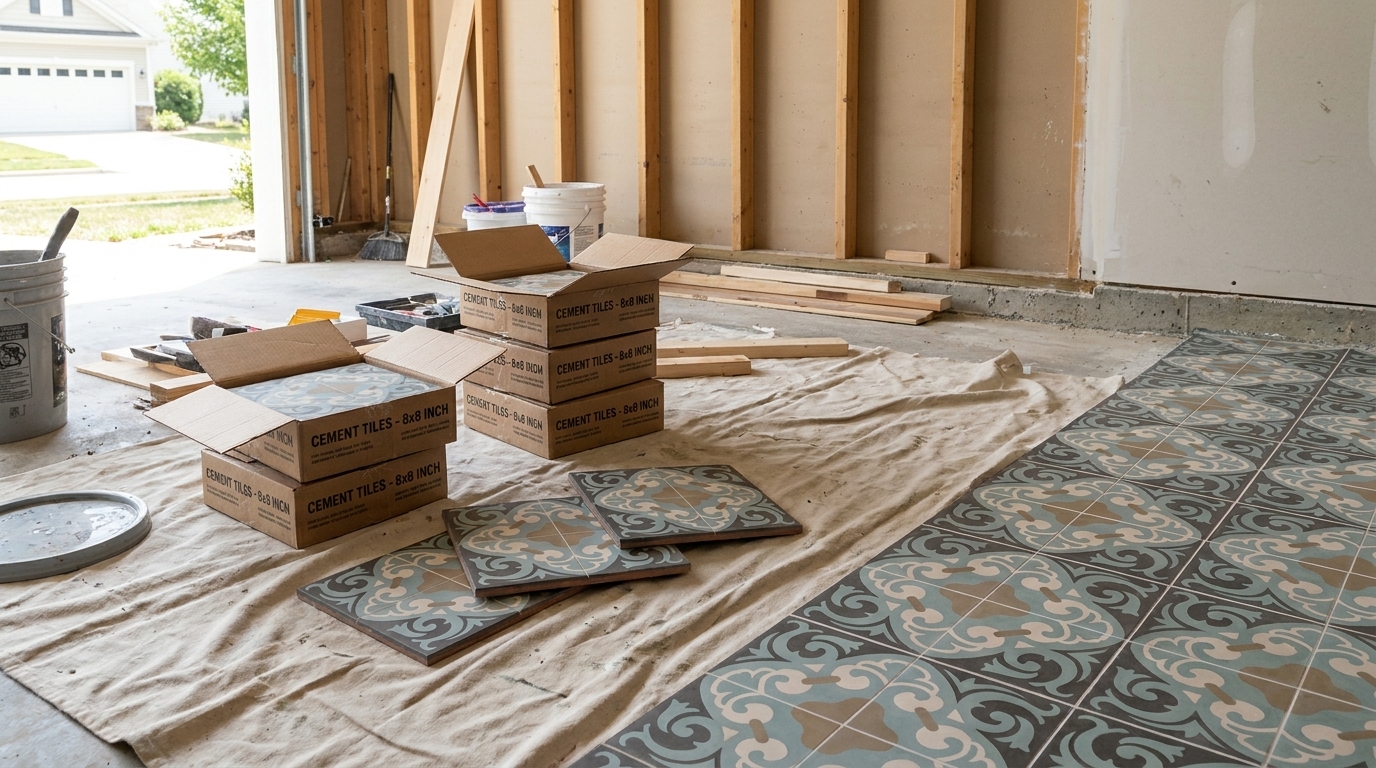
Unlike ceramic or porcelain tiles, which are fired in a kiln and often glazed, handmade cement tiles are created through a completely different, more organic process. Artisans use a hydraulic press to combine natural mineral pigments, cement, sand, and marble dust—a method we’ve perfected at Original Mission Tile since 1900.
What makes this special is that the color isn’t a thin glaze sitting on top; it’s inlaid deep within the tile itself. This means the vibrant patterns and rich hues won’t fade or wear away over time. The result is a silky, soft matte finish that absorbs light rather than reflecting it, creating a warm, inviting atmosphere without any harsh glare. Each tile has those subtle variations we call “perfectly imperfect” charm, a clear sign it was made by human hands. This is one of the most compelling tile backsplash ideas for anyone seeking true authenticity.
Comparing Popular Backsplash Materials
While cement tile offers a unique story, other materials bring their own strengths to the table. The real secret is matching the material to your lifestyle and the look you want to create.
-
Porcelain Tile: This is the workhorse of the kitchen. Porcelain is incredibly dense, non-porous, and built to resist stains, scratches, and heat. Known for its precision, it’s perfect for creating clean, graphic looks and can mimic other materials like wood or stone with surprising accuracy.
-
Terracotta Tile: For a touch of rustic, earthy warmth, nothing beats terracotta. Its name literally means “baked earth,” and it delivers a natural, unrefined character that makes a kitchen feel cozy and connected to nature.
-
Glass Tile: If you want to make your kitchen feel brighter and bigger, glass is a fantastic choice. Its reflective surface bounces light around the room, which can open up a smaller space. It comes in a huge range of colors and can create a sleek, modern, or even glamorous look.
Understanding these differences is key. While you’re exploring, this practical guide on how to choose bathroom tiles offers smart insights on durability and aesthetics that hold true for kitchens, too.
Future Trends and Timeless Choices
Looking ahead, design is leaning heavily into natural textures and calming, earthy tones. The desire for a spa-like feeling at home is driving a huge resurgence of stone-look porcelain, terrazzo, and tiles with organic, touchable textures. Recent forecasts show this movement defining design well into 2026, with warm taupes, beiges, and clay hues becoming the new go-to choices for backsplashes.
Choosing a backsplash material is about creating a feeling. The silky matte finish of a cement tile whispers authenticity, while the clean shine of a glass mosaic shouts modern. The right choice doesn’t just match your counters; it matches your home’s soul.
This shift toward authentic, character-rich surfaces makes materials like cement tile more relevant than ever. Our guide on selecting the best tile for a kitchen backsplash dives even deeper into matching materials to your daily life. Whether you’re drawn to the timeless appeal of a zellige-inspired square or the bold geometry of a hexagon, the material you pick is the true foundation of your kitchen’s new identity.
Mastering Pattern and Layout Inspirations
If material gives your kitchen its bones, then pattern gives it a pulse. The layout of your tiles is where a backsplash goes from a simple wall covering to a defining feature. This is about more than just lining up squares—it’s about using rhythm, scale, and movement to shape the whole room’s energy.
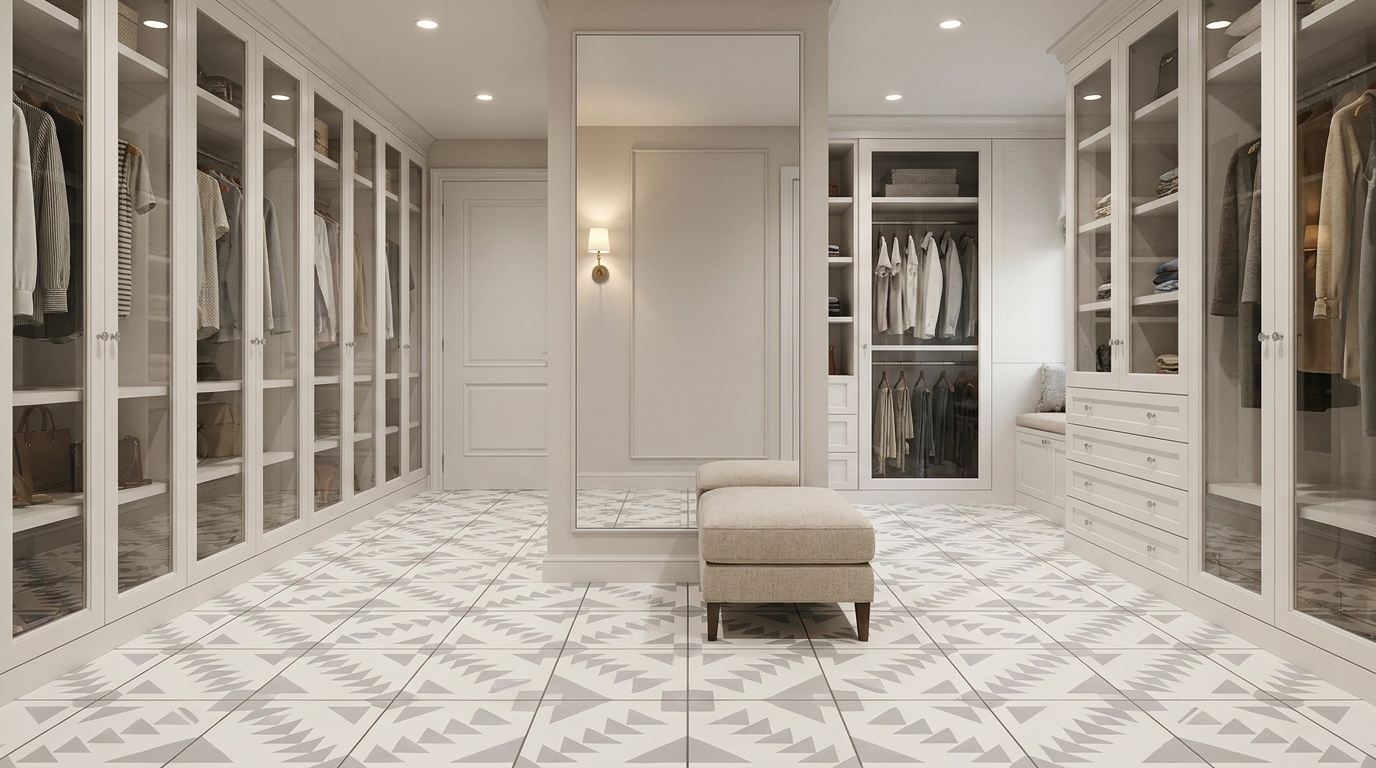
The right pattern is a powerful design tool. For instance, a classic herringbone layout, with its iconic V-shape, naturally draws the eye upward. It’s a simple trick that can make a kitchen with low ceilings feel significantly taller and more open. On the other hand, a vibrant patchwork of 8×8 cement tiles can serve as the primary art piece in a minimalist space, injecting it with pure personality and color.
To help you connect your kitchen’s overall style with the perfect tile choice, this decision-maker flowchart can steer you toward modern, rustic, or timeless options.

The takeaway here is that every aesthetic has tile options that bring out its best character, helping you avoid a design that feels disconnected.
Foundational Patterns With a Modern Twist
Many of today’s most impactful tile backsplash ideas are just fresh takes on timeless layouts. Once you understand these core patterns, you have a creative language to play with, whether you’re choosing a pre-designed pattern or dreaming up something completely new.
Let’s look at how these essential layouts actually behave in a kitchen:
- Grid or Stacked Layout: The cleanest and simplest of them all. Aligning tiles in straight lines creates a crisp, modern, and orderly look. A vertical stack adds a subtle sense of height, while a horizontal stack can make a wall feel wider.
- Subway or Staggered Layout: The most recognizable pattern, where each row is offset from the one above it. A classic 3×6 subway tile is a can’t-miss choice, but you can modernize it instantly by using a larger format tile or a bold, unexpected color.
- Herringbone Pattern: Made by placing rectangular tiles in a zigzag, herringbone introduces sophisticated movement. It feels both classic and contemporary, looking just as sharp in a traditional farmhouse kitchen as it does in a sleek, modern one.
Think of pattern as choreography for your tiles. A simple grid is a structured march, a subway pattern is a steady rhythm, and a herringbone is a graceful dance. The right movement brings your entire kitchen design to life.
Unleashing Creative Formats
Beyond the classics, uniquely shaped tiles open up a whole new world of creative possibilities. These formats have pattern built right into them, instantly becoming the star of your design.
For example, a star & cross pattern introduces beautiful, interlocking geometry that adds texture and a sense of history. The way the two shapes play off each other creates a repeating motif that’s both complex and calming. In the same way, fish scale or scallop tiles bring a soft, organic feel that can evoke Art Deco glamour or coastal vibes, depending on the color and finish you choose.
The Art of the Custom Patchwork
One of the most expressive tile backsplash ideas is a custom patchwork. This is where you get to mix and match different patterns and solid colors, usually within a consistent tile size like an 8×8 square. You can arrange them randomly for an eclectic, bohemian feel or create a more intentional “rug” design right behind your stove.
A patchwork lets you be the artist, curating a collection of tiles that tells a personal story. It’s the perfect way to bring multiple colors and motifs into your design without making the space feel too busy.
For an even deeper dive into creative layouts, exploring a gallery of wall tile patterns can spark a ton of inspiration for your project. This approach empowers you to design a backsplash that is genuinely one-of-a-kind.
The Art of Color and Texture in Your Design
If pattern gives your backsplash its structure, then color and texture give it a soul. Color sets the mood of your kitchen—making it feel bigger, cozier, or full of life. But it’s the texture that adds depth, giving the design a tangible quality that makes you want to reach out and touch it.

Think of it like choosing fabric. Smooth, shiny silk feels completely different from a nubby, handwoven linen, even in the same color. Tile works the same way. A glossy finish bounces light around, injecting energy, while a matte finish—like our handmade cement tile—absorbs light for a softer, calmer effect.
Choosing Your Kitchen’s Color Story
Color is your most powerful tool for shaping how a room feels. When you’re looking at tile backsplash ideas, think about the atmosphere you want to create.
- To Make a Space Feel Larger: Lighter colors are your best friends. Whites, soft grays, and pale blues reflect more light, creating an instant illusion of spaciousness.
- To Create a Cozy Ambiance: Warmer tones like terracotta, deep greens, or rich navy blues can make a large, open kitchen feel more intimate and inviting.
- To Add a Pop of Personality: A bold, saturated color used as a focal point behind the stove can act like a piece of art, injecting energy and a strong point of view.
The real key is to see the color in your actual space. A white tile that looks perfect online might read too stark or too creamy in your home, thanks to your unique lighting and cabinet tones. Always, always bring samples home. Look at them in the morning, afternoon, and evening before you commit.
The Rise of Tactile Textures
Lately, we’ve seen a huge shift toward tiles that are interesting to the touch. Textured surfaces create a subtle dance of light and shadow, adding quiet drama and sophistication. It’s a move away from flat, uniform looks and a celebration of organic, authentic variation.
Designers are increasingly drawn to handcrafted tiles for exactly this reason. Hand-painted and artisanal options are in high demand because they have unique glaze variations and subtle character. This embrace of texture is a top trend for kitchen backsplashes in 2026, as noted by Homes & Gardens.
Popular textured tile backsplash ideas include:
- Fluted or Reeded Tiles: These create elegant vertical or horizontal lines that add a sense of structure and depth.
- 3D Sculptural Tiles: Geometric or organic shapes pop right off the wall, turning your backsplash into a true three-dimensional feature.
- Zellige-Inspired Tiles: Known for their irregular surfaces and rich color variations, these tiles deliver a perfectly imperfect, handmade charm.
Color gets the attention, but texture holds it. A beautifully textured backsplash invites a closer look, revealing subtle details and creating a sense of craftsmanship and permanence that flat surfaces simply can’t replicate.
Perfect Pairings with Cabinets and Countertops
The last piece of the puzzle is making sure your backsplash plays well with your cabinets and countertops. The goal is balance, not competition. If you have countertops with dramatic, busy veining, a simple backsplash in a solid color pulled from the stone will feel cohesive and intentional.
On the flip side, if you have simple cabinets and quiet countertops, a bold, patterned tile can become the star of the show without overwhelming the space. If your cabinets are a specific color—say, a popular off-white—try to match a tile to its undertone. A tile that’s too starkly white can make cream cabinets look yellowed and dated. This kind of coordination is what takes a kitchen from “finished” to professionally designed.
Here is the rewritten section, crafted to sound completely human-written and natural, following all the specified requirements.
Bringing Your Custom Vision to Life
This is where the real fun starts. You’ve explored the materials, patterns, and colors—now it’s time to take those ideas and make them completely your own. Think of yourself as the artist, putting together a design that feels like a perfect reflection of your style or your client’s personality.
Creating a custom tile backsplash doesn’t have to be complicated. It can be as simple as grabbing a few of your favorite in-stock tiles and mixing them up, or as involved as dreaming up a totally new pattern from scratch. Either way, you get a look that’s truly one-of-a-kind.
Become the Designer with Our Digital Studio
What if you could play with hundreds of colors and patterns on a digital canvas with zero risk? That’s exactly what our online Design Studio lets you do. It puts you in the driver’s seat, so you can swap colors on existing patterns or even build a new one from the ground up.
This tool is a game-changer for homeowners trying to get a perfect match for their new countertops, or for designers who need a specific motif for a project. You can try out bold contrasts, test subtle shifts in color, and see a virtual preview of your tile before it’s made. It’s the best way to make sure the final result is exactly what you had in mind.
The Curated Beauty of Patchwork
If you love a more hands-on, organic design process, a patchwork backsplash is a brilliant choice. It’s all about mixing and matching different in-stock tiles to create your own unique arrangement. You can go for a vibrant, eclectic vibe or something more restrained with a few patterns mixed among solids.
There are two great ways to build a patchwork backsplash:
- Random Mix: This gives you that lively, bohemian feel that’s full of character. Just combine a bunch of 8×8 patterns you love and let the colors and shapes play off each other for a spontaneous, artistic look.
- Intentional “Rug” Layout: Use a cluster of patterned tiles to create a bold focal point—usually behind the stove—and then frame it with simpler, solid-colored tiles. It delivers a high-design, custom look using tiles that are ready to ship.
A custom patchwork is like creating a quilt for your wall. Each tile is a piece of a larger story, and together they create a design that’s deeply personal and full of charm.
Professional Support for Grand Visions
For architects, designers, and builders tackling large-scale commercial jobs, big ideas often require an extra level of support. Sometimes a project calls for a completely new tile mold, a custom color matched to a specific paint swatch, or a massive order of a single design.
This is where our trade support comes in. The Original Mission Tile trade program offers dedicated help for professionals managing complex projects. Whether it’s developing a bespoke pattern for a boutique hotel or ensuring perfect color consistency for a large restaurant, our team has the know-how to bring even the most ambitious tile ideas to life.
Practical Guidance for Installation and Care
A beautiful new backsplash is exciting, but thinking about installation and long-term care can feel a little overwhelming—especially with a handmade material like cement tile.
Don’t worry. This part is about giving you confidence. Think of installing and caring for your tile not as a chore, but as the final, rewarding steps in bringing your vision to life.
Sealing Your Cement Tile Backsplash
Just like fine wood furniture needs a protective wax, handmade cement tiles require sealing. This simple but critical step protects the tile’s naturally porous surface from stains and water. A properly sealed tile is a happy tile, ready for everything a busy kitchen can throw at it.
Sealing fills the microscopic pores in the cement, creating an invisible barrier. This is what makes cleanup easy and prevents that stray splash of tomato sauce from becoming a permanent part of your design.
The process is straightforward. After the tile is set and the adhesive has cured—but before you grout—you’ll clean the tiles and wipe on a quality penetrating sealer. A second coat after the grout has cured provides the final layer of protection.
The Impact of Grout on Your Final Design
Grout is so much more than the filler between tiles; it’s a powerful design tool that can completely change the look of your backsplash.
- Matching Grout: Using a grout color that blends with your tile creates a seamless, monolithic look. This lets the tile’s shape or pattern take center stage.
- Contrasting Grout: A dark grout with a light tile (or vice versa) makes each individual tile pop. This approach highlights the grid, creating a more graphic and defined look that’s fantastic with geometric patterns.
Think of grout as the frame for your tile. A subtle frame lets the artwork blend into the wall, while a bold frame makes the artwork jump out. There’s no wrong choice, only the one that best suits your overall design goal.
For detailed, step-by-step instructions from the pros, our complete guide on how to install wall tile is packed with valuable tips to ensure a perfect result.
Everyday Cleaning and Long-Term Care
Once sealed, maintaining your cement tile is simple. The best habit is to wipe up spills as they happen using just a soft cloth and water.
For regular cleaning, stay away from harsh, acidic, or abrasive cleaners like vinegar or scouring powders.
Instead, always choose a pH-neutral cleaner. These gentle formulas clean the surface effectively without stripping the sealer or harming the tile’s pigmented layer. With the right care, your handmade cement tile backsplash will not only last a lifetime but will also develop a beautiful patina, growing in character and beauty over the years.
Answering Your Top Backsplash Questions
Even after you’ve gathered tons of inspiration, the practical questions always pop up right when you’re ready to start. Here are some straightforward answers to help you lock in those final details with total confidence.
How Do I Choose Between a Patterned and Plain Backsplash?
This really comes down to one thing: what do you want to be the star of your kitchen? It’s all about creating visual balance.
If your countertops have a lot of dramatic veining or movement, a simple, solid-colored backsplash will give the eye a place to rest. A single-color tile lets that beautiful countertop be the hero.
On the other hand, if your countertops and cabinets are more on the quiet and neutral side, a bold, patterned cement tile backsplash can be an absolute showstopper. It’s one of the best ways to inject a huge dose of personality into an otherwise understated kitchen.
Are Cement Tiles a Good Choice for a Kitchen Backsplash?
Absolutely. Cement tiles are a fantastic and durable choice for a kitchen backsplash, bringing qualities to the table that a lot of other materials just can’t match.
For starters, their color isn’t just a glaze on the surface; it’s baked deep into the tile itself. That means the pattern will never fade or wear away. They’re also naturally heat-resistant, so they’re perfectly safe to install right behind your stove.
Once they’re sealed properly during installation, cement tiles are highly resistant to stains and water, which makes cleanup a breeze. Plus, their signature silky, matte finish gives off a sophisticated, non-glare look that adds a warmth and character you just don’t get from mass-produced tiles.
How Can I Make a Small Kitchen Look Bigger with My Backsplash?
Your backsplash is a secret weapon for creating the illusion of more space. The trick is to play with light and direction.
Lighter colors—think soft whites, pale grays, or creamy beiges—are masters at reflecting light, which instantly makes a room feel larger and brighter. A glossy finish can amplify this effect even more, bouncing light all around the kitchen.
You should also think about the layout. Installing tiles in a vertical orientation, like a stacked bond or a vertical herringbone, draws the eye upward and creates a powerful sense of height. For maximum impact, run that tile all the way to the ceiling. It’s a designer move that dramatically opens up a room.
What Is the Best Way to Pair My Backsplash with Countertops?
Harmony is the goal. First, you need to pick your “hero” element before you commit to anything else. If you’ve fallen hard for a dramatic, heavily veined countertop, let it have the spotlight. Then, choose a simple backsplash in a single, solid color pulled from one of the quieter tones in the stone.
But if you’ve found a vibrant, patterned backsplash tile that you absolutely must have, do the opposite. Pair it with simple, quiet countertops. A neutral quartz or solid-surface material won’t fight for attention. Always get samples of everything—cabinets, countertops, and tiles—and look at them together in your kitchen at different times of day. Natural light can change everything!
Ready to turn your inspiration into reality? Explore the in-stock collections and custom possibilities at Original Mission Tile to find the perfect handmade tile for your one-of-a-kind kitchen. Visit us at https://originalmissiontile.com.